
Citroën DS3: known problems you need to be aware of
The Citroën DS3 combines style with driving pleasure, but it also has specific technical problems that you, as an owner or buyer, need to recognise. From engine issues to electronic faults, this model has a number of common weaknesses. If you know what to look out for, you can save yourself money and frustration. In this article we take a close look at the known problems and give practical advice to help you stay ahead of them.
A compact hatchback with character – and quirks
The DS3 was produced between 2010 and 2016 as a premium hatchback with a distinctive appearance. The model has a compact three-door body, a premium interior and efficient engines. It mainly appealed to city drivers and fans of French design. The car achieved a five-star Euro NCAP rating and offered standard features such as ESP, hill start assist and parking sensors.
However, the DS3 also has a less attractive side. Owners regularly report problems with engine components, electronic systems and drivetrain parts. Some complaints are age-related. Others are linked to specific engine variants or years of manufacture. For anyone considering buying a used DS3, or who already owns one, it is wise to know the weak spots.
‘ However, the model does have a number of technical weaknesses. ’
THP engine: much-discussed power unit with vulnerabilities
The 1.6 THP engine is a very common source of complaints among DS3 owners. This turbocharged engine produces between 156 and 208 bhp, depending on the version. However, the model does have a number of technical weaknesses. A well-known problem is the timing chain, which can stretch over time. This leads to rattling noises from the engine when starting and can ultimately cause serious engine damage if the chain breaks.
In many common car problems with Citroën, the THP engine often plays a central role. Carbon build-up on the inlet valves is also regularly seen with these direct injection engines. With direct injection, fuel is injected straight into the combustion chamber, which is efficient but also leads to contamination of the valves. This reduces engine performance and increases fuel consumption. Eventually it can cause ignition problems. Owners notice this through an irregular idle speed and loss of power, especially at higher mileages.
In addition, there are reports of problems with the turbocharger, the component that gives the engine extra power by forcing air into it under pressure. It can fail due to oil leaks. Wear of the bearings also occurs. Symptoms include a whistling noise while accelerating, loss of power and smoke from the exhaust. Regular oil changes using the correct specification help extend the life of the turbo.
What can you do?
- Have the timing chain checked by a specialist every 60,000 to 80,000 kilometres.
- Use engine oil that meets the PSA specification and change it on time.
- Consider professional carbon cleaning if fuel consumption rises or idle speed becomes uneven.
- Have the turbo checked for leaks and unusual noises during services.
Manual and automatic gearboxes: complaints about shifting
The DS3’s gearbox also has its problems. With manual versions, owners complain about difficulty shifting, especially when starting from cold. The cause is often worn clutch components or a faulty clutch cylinder. This can lead to hesitation when changing gear and eventually complete clutch failure.
Automatic gearboxes sometimes suffer from jerky gear changes. This applies particularly to the older generations. It occurs when shifting between gears. It may point to worn clutches inside the automatic transmission or to software issues. In some cases a software update helps. Where there is mechanical wear, internal components need to be replaced.
Watch out for these signs
- Hesitation when engaging a gear.
- Juddering or vibrations while changing gear.
- A burning smell around the clutch system after heavy driving.
- Delayed gear changes with automatic versions.
Suspension and steering: comfort with weak points
The DS3 is known for its comfortable suspension and good road holding, but problems also occur here. A very common complaint concerns the front wishbone bushes and anti-roll bars. Wishbone bushes are rubber components that cushion the connection between the wheel and the body. Anti-roll bars help reduce body roll in corners. These parts wear out faster than expected. This is especially true with intensive city use on roads with lots of bumps and potholes. Symptoms include knocking and rattling noises over uneven surfaces and less precise steering.
The shock absorbers can also lose their damping ability over time. This results in a bouncy ride and longer braking distances. With older examples, rust around the suspension is not uncommon. This can compromise structural integrity.
Practical tips
- Check the wishbone bushes and anti-roll bars annually for cracks and play.
- Replace worn shock absorbers in pairs to keep the handling balanced.
- Clean the underside of the car regularly to prevent rust, especially after winters with road salt.
‘ The infotainment system – in other words the car’s multimedia and navigation system – regularly suffers from software faults. ’
Electronics: faults in sensors and infotainment
Electronic problems are a recurring theme with the DS3. Sensors for the anti-lock braking system (ABS), parking assistance and tyre pressure monitoring sometimes display fault messages even though there is no real defect. This can lead to warning lights on the dashboard and limited functionality of safety systems.
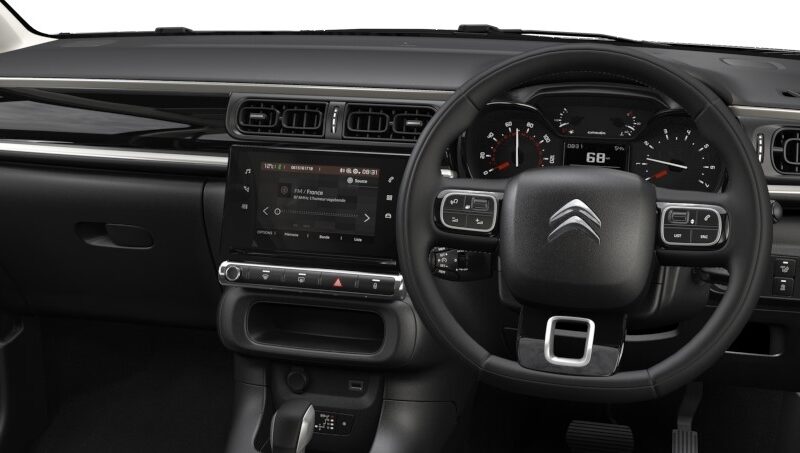
The infotainment system – in other words the car’s multimedia and navigation system – regularly suffers from software faults. The screen can freeze, the Bluetooth connection may drop out or the navigation can respond slowly. In many cases a reset or software update helps. Hardware failures also occur. The air conditioning can also fail due to defective electrical components or sensor issues.
Common electronic complaints
- ABS warning light on without an actual defect.
- Parking sensors giving false alerts.
- Infotainment screen unresponsive or freezing.
- Air conditioning switching off unexpectedly.
Have electronic faults read out with an OBD scanner, a diagnostic tool that you connect to the car to retrieve the exact fault codes. Not all problems require expensive replacement parts; sometimes a software update or cleaning the sensor contacts is enough.
Braking system: wear and ESP problems
The DS3’s braking system is generally reliable, but brake discs and pads can wear faster than on comparable models. This is particularly the case with versions with larger wheels and heavy urban use. Worn brake discs cause vibrations when braking and increase stopping distances.
There are also reports of problems with the ESP system (Electronic Stability Programme), the system that prevents instability and skidding. The warning light can come on due to faulty wheel sensors. Faults in the control unit also occur. In some cases the ESP system does not work properly, affecting safety in critical situations. Replace discs and pads on time and have the ESP system checked regularly during services.
Interior and bodywork: small irritations that stand out
In addition to technical complaints, there are also small but annoying problems with the interior and bodywork. Owners report creaking noises from the dashboard and door panels. This is particularly common in cold weather. These noises are caused by plastic parts shrinking and expanding. They are usually difficult to eliminate without costly dismantling work.
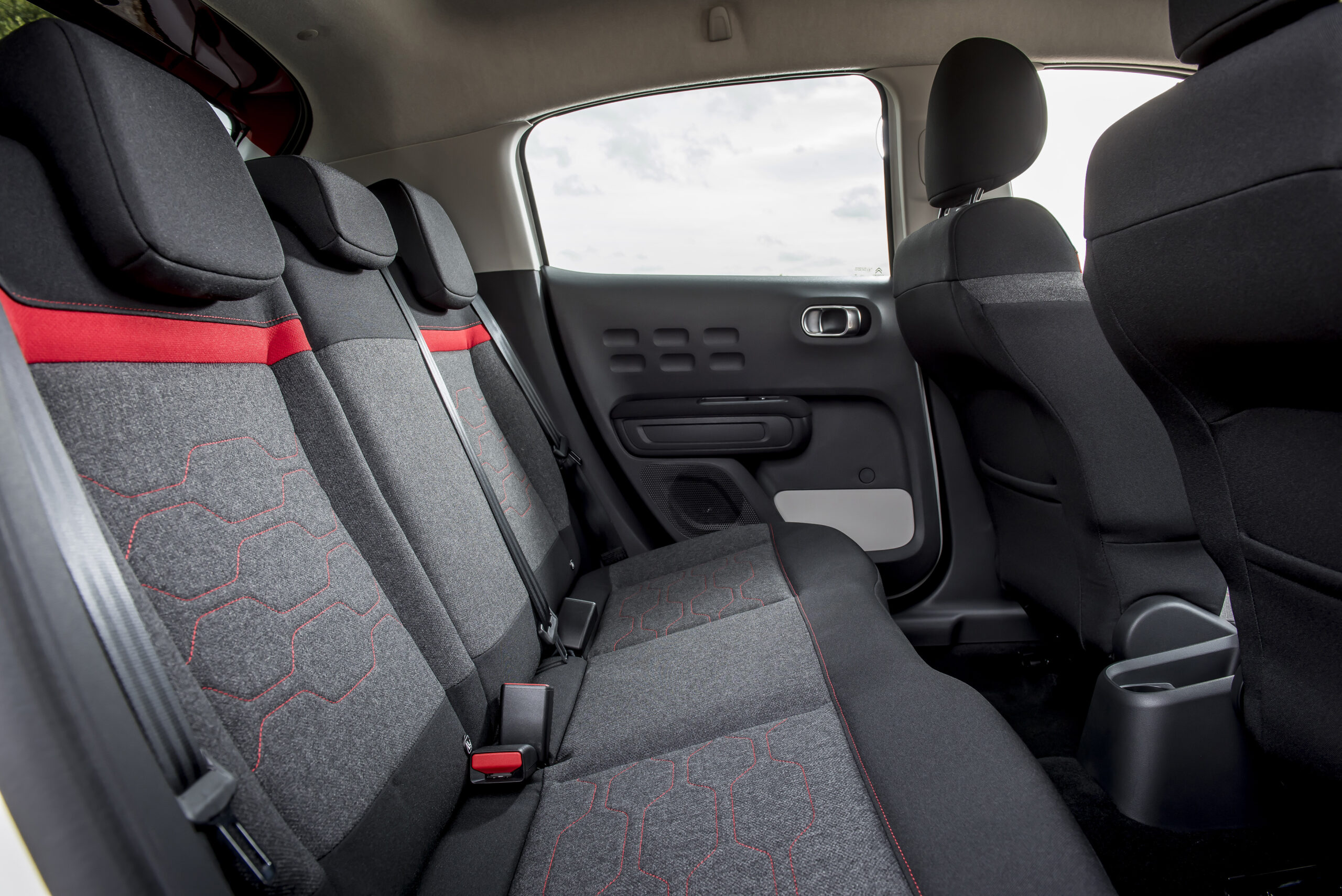
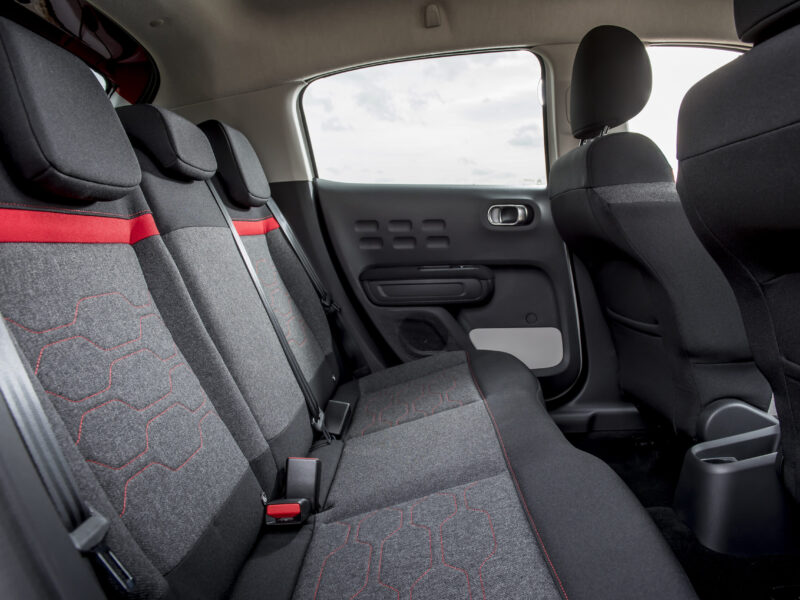
The seat upholstery and trim also wear faster than expected. The fabric covers and plastic accents in particular show signs of use after a few years. On the outside, the paint on the bumpers and sills can be prone to stone chips and minor scratches. When buying, carefully check the condition of the interior. Ask about the maintenance history.
‘ Preventive maintenance costs less than repairs after a failure. ’
Preventive maintenance: the key to fewer problems
Many problems with the DS3 can be prevented or limited by consistent maintenance. Follow the service intervals specified by Citroën. Always use parts and fluids that meet the correct specifications. Pay extra attention to the following points:
- Change the engine oil every 10,000 to 15,000 kilometres, especially for THP engines.
- Have the timing chain checked at every service from 60,000 kilometres onwards.
- Have the brake discs and pads inspected annually and replace them in good time.
- Clean the underside and wheel arches to prevent rust.
- Update the software of the infotainment system and the control units (the electronic control modules in the car) at the dealer.
Preventive maintenance costs less than repairs after a failure. Make a note of all servicing. Keep the invoices. This helps retain the value of your car and supports any warranty claims.
Recognising symptoms and when to seek help
If you spot problems early, you can prevent more serious damage and higher costs. Watch out for changes in driving behaviour, unusual noises and warning lights on the dashboard. Regularly check fluid levels and look for leaks under the car.
Are you unsure about a symptom? Then seek professional help. A specialist workshop can quickly identify the cause of a problem using diagnostic equipment. For engine problems, specialist knowledge is essential. Electronic faults also require expertise. Do not wait too long before visiting a garage; small issues can quickly turn into expensive repairs.
Buying a used DS3: what to look out for
Are you thinking about buying a used DS3? Then check the following points. Always ask for the complete service book. Check whether the timing chain has been replaced. Test the engine both from cold and when warm and listen for unusual noises.
Check the gearbox by testing all gears. Also test reverse. Pay attention to jerks, hesitation or delayed responses. Inspect the suspension for play and rust. Test the braking system thoroughly during a test drive. Ask the seller about known problems. Look critically at the condition of the interior and bodywork.
Checklist for purchase
- Is the full service history available and complete?
- Has the timing chain been replaced or checked?
- No warning lights on the dashboard?
- Does the engine run smoothly without unusual noises?
- Does the gearbox shift without hesitation?
- Suspension free from play or rattling noises?
- Do the brakes work properly without vibrations?
- Do all electronic systems function correctly?
- Interior and bodywork free from excessive wear?
If in doubt, have an independent inspection carried out. This requires a small investment, but can save you significant costs.
‘ At the same time, the model does demand awareness of its known technical weaknesses. ’
The DS3 in perspective: style with maintenance awareness
The Citroën DS3 remains an attractive choice for anyone looking for a compact hatchback with character and a premium look. The car offers driving pleasure, good road holding and enough engine options for different driving styles. At the same time, the model does demand awareness of its known technical weaknesses.
Regular maintenance helps a lot. Replace wear parts in good time and pay attention to symptoms. This way you can prevent or limit many problems. As a potential buyer, thoroughly investigate the condition of a specific car. Also check its service history. That way you can enjoy the DS3’s unique French flair without unpleasant surprises.