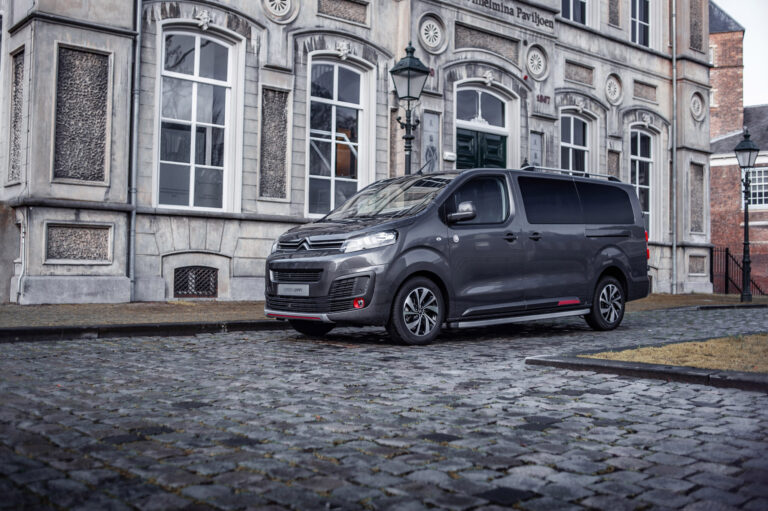
The Citroën Jumper: a versatile commercial vehicle with common problems
The Citroën Jumper is a solid commercial vehicle that has proved itself in everyday use for decades, but like every model it has specific technical weak spots. From engine issues with the 2.2 HDi to electronic faults and transmission troubles, owners can prevent a lot of misery with the right knowledge. Want to know what to look out for and how to avoid expensive repairs?
The Citroën Jumper at a glance
Since its introduction in 1994, the Citroën Jumper has developed into a popular choice among entrepreneurs and businesses. The van is available in eight different body variants with load volumes from 8 to 17 m³. This versatility makes the model suitable for a wide range of uses, from light transport to major removals. The Jumper is used as an ambulance, motorhome, refrigerated vehicle and classic panel van. With three different wheelbases and payloads of up to 4.0 tonnes, there is a suitable version available for almost every business owner.
However, its popularity also has a downside. Due to intensive use and high mileage, certain teething troubles regularly appear. For many owners, the car problems with Citroën models are familiar, with the Jumper having its own specific points of attention. By intervening in time, you not only save yourself expensive repairs, but also prevent unexpected downtime of your commercial vehicle.
‘ Broken timing belt on high-mileage vehicles, where strict replacement according to the schedule is essential ’
Most common engine problems
The engines in the Citroën Jumper are generally reliable, but some variants have recurring problems. The 2.2 HDi engine, especially in vehicles from before 2012, can suffer from a defective turbo. Symptoms include loss of power, black smoke from the exhaust and a whistling sound when accelerating. The cause is often contaminated oil or a failed oil feed to the turbo.
With the 2.0 BlueHDi engines, introduced from 2016, owners sometimes report problems with the particulate filter (DPF). If you mainly drive short distances, the filter can become clogged. This results in a warning on the dashboard and reduced performance. Regular longer motorway journeys help burn the filter clean.
In addition, the following engine problems occur regularly:
- Leaking injectors on the 2.2 HDi, recognisable by black deposits around the injectors and a rough-running engine
- Failure of the EGR valve due to carbon build-up, leading to jerky driving behaviour and reduced power
- Broken timing belt on high-mileage vehicles, where strict replacement according to the schedule is essential
- Problems with the dual-mass flywheel, especially on the more powerful engine versions above 140 bhp
Points of attention for the transmission
The six-speed manual gearbox in the Jumper is known to be reliable, but at high mileages both clutch and gearbox can show signs of wear. The clutch can feel heavy or slip, especially on models that often run heavily laden. Replacement is then unavoidable and costs several hundred euros in parts and labour.
Some owners report problems with the gearshift itself. The gear lever can feel stiff or be difficult to get into a particular gear. This often points to a worn clutch cable or problems with the selector mechanism. On older vehicles the gear lever can also develop play due to worn rubber bushes.
The automatic gearboxes, available with the more powerful engines, cause problems less often. Even so, there are reports of jerky shifting in cold temperatures. This usually disappears once the transmission has reached operating temperature. Do make sure the transmission oil is changed regularly, even if this is sometimes presented as ‘maintenance-free’.
Electronic faults and sensors
Modern Jumpers from 2014 onwards are equipped with extensive electronics, which sometimes leads to faults. The AdBlue sensor can cause problems, showing a warning on the dashboard even though the tank is full. A reset at the dealer often solves this, but sometimes the sensor needs to be replaced.
The intake pressure sensor on the 2.2 HDi engine is sensitive to contamination and can therefore trigger fault codes. This results in limp mode, where the vehicle is limited to low speeds. Cleaning or replacing the sensor then provides the solution.
Other electrical issues that occur regularly include:
- Defective glow plugs on diesel engines, especially on older vehicles, causing starting problems in winter
- Failure of the mass air flow sensor, recognisable by an irregular idle speed and loss of power
- Failed lights due to moisture ingress in the rear light units
- Problems with the central locking, where doors do not lock or only lock partially
‘ The Jumper’s suspension is sturdily built to carry heavy loads, but intensive use takes its toll. ’
Suspension and chassis challenges
The Jumper’s suspension is sturdily built to carry heavy loads, but intensive use takes its toll. In particular, the bushes on the front wishbone bolts wear out relatively quickly. You can recognise this by knocking and rattling noises over bumps and uneven tyre wear.
The shock absorbers can tire after 100,000 kilometres, especially on vehicles that often run heavily laden. This results in poorer road holding and longer braking distances. Test the dampers by pressing firmly on one corner of the vehicle: it should return immediately without bouncing.
At higher mileages, the following suspension components may also require attention:
- Steering ball joints showing play, recognisable by a clicking noise when steering
- Anti-roll bar links (drop links) with worn bushes, causing unsettled handling
- Rear leaf springs that sag or break on vehicles that are often at maximum load

Bodywork and interior issues
Rust is less of a problem on the Jumper than on older commercial vehicles, but a few areas do deserve attention. The bottom edges of the doors and the load area are prone to rust, especially when the vehicle often comes into contact with salt or chemicals. Check the seams regularly and have any damage to the paintwork repaired immediately.
Leaks are a known issue on older Jumpers. The roof rails and corners of the load area can start letting water through over time. This causes damp in the load space and can lead to rust developing from the inside out. When buying second-hand, always check for water damage and musty smells.
Inside, wear on the driver’s seat is a common sight on vehicles that see heavy use. The upholstery can wear through and the adjustment mechanisms can seize. The cab floor mats can also wear through, damaging the insulation material underneath.
Brakes and power steering under the microscope
The Jumper’s braking system is generally reliable, but under heavy loads brake discs and pads wear faster than on passenger cars. Check the thickness of the discs at every service. On vehicles that do a lot of city work, the rear brakes may even wear faster than the front ones because of the weight on the rear axle.
The brake fluid needs attention on older vehicles. Replace it at least every two years, even if the manufacturer specifies longer intervals. Old brake fluid absorbs moisture, which reduces performance during heavy braking and can cause corrosion in the system.
The electrically assisted steering, available on newer models, sometimes shows faults. A squeaking noise when steering or a heavy feel to the steering wheel may indicate problems with the power steering pump or the electronics. Have this checked immediately, as faults can suddenly get worse.
‘ You can detect many problems at an early stage before they lead to more serious damage. ’
Prevention is better than cure: maintenance tips
Regular maintenance significantly extends the life of your Jumper. Follow the service intervals strictly, especially for diesel engines. Replace the engine oil at least once a year or according to the prescribed mileage interval, even if you drive few miles. Standing idle affects oil just as much as use.
Pay particular attention to the following maintenance items:
- Replace the timing belt according to the schedule, usually around 150,000 kilometres or every 5 years
- Check the AdBlue level regularly and top up with the correct quality fluid
- Have the particulate filter checked annually and plan regular longer motorway runs
- Lubricate hinges on doors and tailgate to prevent rust
- Check tyre pressures monthly, adjusting for the load
If the vehicle is used intensively, carry out a thorough inspection twice a year. Check yourself for leaks, cracks in rubber components and play in the suspension. You can detect many problems at an early stage before they lead to more serious damage.


What to look out for when buying a used Jumper
When buying a used Jumper, a thorough inspection is essential. Always ask for the service book and check whether the major services have been carried out. Pay particular attention to replacement of the timing belt and clutch. If these are missing from the service history, factor those costs directly into your budget.
Test the vehicle thoroughly during a test drive. Listen for unusual noises from the engine, transmission and suspension. Check that all gears engage smoothly and that the clutch does not slip. Drive over bumpy roads to test the suspension and dampers.
Also check the following points:
- Rust on the inside of the load area and at the bottom of the doors
- Operation of all electrical equipment, including windows, mirrors and lights
- Condition of the tyres and evenness of the tread
- Condition of the load floor and securing points
- Signs of water damage or musty smells
- Exhaust smoke colour at cold start and under acceleration
If you are unsure about the mechanical condition, have the vehicle inspected by an independent specialist. The investment of a few tens of euros can save you hundreds to thousands of euros in hidden defects.
The Citroën Jumper as a reliable work partner
The Citroën Jumper lives up to its reputation as a versatile commercial vehicle, provided you take account of the known technical points of attention. Most problems can be prevented with consistent maintenance and by acting in good time at the first signs of trouble. Engine issues such as turbo failures and clogged particulate filters, transmission wear and electronic faults need not come as a surprise if you know what to look out for.
When buying a second-hand example, you weigh the condition of the vehicle against the asking price. A well-maintained Jumper with a complete service history is worth more than a cheaper example with an unclear past. Invest in regular checks and maintenance and you will cover high mileages with this reliable workhorse without problems.