
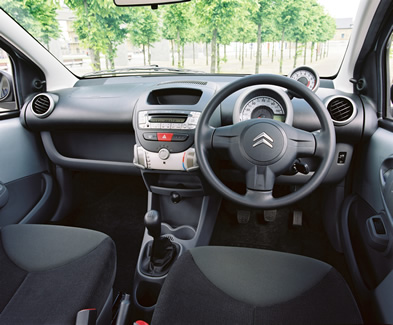
Older examples of the Citroën Jumper from the early 2000s are fitted with transponder systems. These systems have special limp-home mechanisms. A faulty transponder chip in the key or an accidentally activated inertia switch can immediately cause the engine not to start. The cause is almost always the immobiliser. Read on to understand how this system works and what you can do if your Jumper refuses to start.
Why won’t my old Jumper start?
An older Jumper sometimes won’t start. In that case the cause is rarely mechanical: the key fits, but the vehicle does not respond. Inside the key is a transponder chip: a small chip that communicates with the vehicle’s immobiliser. If the vehicle does not recognise that chip, the engine remains blocked, even if the key turns in the ignition as normal.
There are several situations that can cause this problem. The most common are:
- A damaged or faulty transponder chip in the key
- A key that has not been programmed correctly after replacement or copying
- A fault in the reader aerial around the ignition barrel
- An accidentally activated inertia switch
- A weak battery that disrupts communication between the key and the system
Do you recognise this: the engine fires briefly and then immediately cuts out again? That is a common sign of an authorisation problem with the transponder. Technically, the vehicle starts, but the immobiliser intervenes straight away because the key is not trusted.
‘ “This is also why replacing the battery in the remote control rarely solves the starting problem.” ’
What is the transponder and how does it work?
The transponder is a passive chip. In other words: it has no battery of its own. It receives energy via a radio signal from the reader aerial in the vehicle and then sends back a unique code. If that code matches, the immobiliser gives permission for the engine to start. If it does not match, or if the chip is not read at all, the Jumper will not start.
This is also why replacing the battery in the remote control rarely solves the starting problem. That battery affects remote opening and closing of the doors, but is separate from the transponder function. Both systems are housed in the same key, but work independently of one another.

What is the inertia switch and when does it activate?
The inertia switch, also known in technical documentation as the revado or inertia switch, is a safety switch that cuts off the fuel supply in the event of a collision. This prevents fire after an accident. In itself that is a useful function, but the switch can also be triggered by a heavy jolt, a hard impact of the vehicle against a kerb, or even a severe knock to the bodywork.
If the inertia switch is activated, the engine refuses to start. The vehicle appears to be faulty, but the system is doing exactly what it is meant to do. The inertia switch is located in a fixed place in the cabin and must be reset manually before the vehicle can drive again. The Jumper’s handbook explains where that switch is located. It also explains how to reset it. Always consult that manual first before ruling out other causes.
How does a Jumper transponder reset work?
Some older Jumpers have a built-in limp-home procedure for situations in which the transponder is not recognised properly. This procedure varies by model year and specification. The exact steps are described on a code card supplied with the vehicle. They are also in the handbook. In some cases, it involves a specific sequence of pedal operations. In other cases, you enter a code via the dashboard. Those two situations can differ depending on the specification.
Important to know: such an emergency procedure is a temporary measure. It bypasses the immobiliser. It does not solve the underlying problem. Use it to drive the Jumper to a workshop, not as a permanent solution.
‘ Disabling or switching over the transponder system is not a job for an ordinary garage. ’
Can you switch over or disable the transponder system?
Completely disabling the transponder system is technically possible, but it is not recommended. The immobiliser is an active anti-theft device. A vehicle without working transponder protection is much easier to start without a key. Some owners nevertheless choose to have the system switched over to another mode. This happens, for example, if recognition problems persist. Replacing the key then does not help. Replacing the aerial offers no solution either.
Such modifications require specialist equipment and in-depth knowledge of the Jumper’s electronic architecture — meaning the way all the on-board computers, sensors and control units work together. Disabling or switching over the transponder system is not a job for an ordinary garage. Look for a specialist with experience of Citroën transponder and immobiliser systems from this era.
Step by step: what do you do if the Jumper won’t start?
- Check whether the inertia switch has been activated and reset it if necessary according to the handbook.
- Try the spare key. If that works, the problem is almost certainly in the first key.
- Check whether the battery is delivering sufficient voltage. Low system voltage can interfere with key detection.
- Inspect the key for visible damage: broken casing, loose buttons or a bent key blade.
- Consult the handbook for any limp-home procedure that applies specifically to your model year.
- If problems persist, have the reader aerial and immobiliser checked by a specialist.
Always have a new key programmed correctly
A common mistake with key problems is having the key copied without the transponder being programmed correctly. Programming means the vehicle is electronically paired with the new key. Without that pairing, the immobiliser will not recognise the key. A copy that fits mechanically perfectly but has not been programmed will therefore give exactly the same symptoms as a broken key.
When replacing the key, always have the new key programmed by an approved specialist or dealer. That way you can be sure the key is also electronically linked to your specific vehicle.
‘ If, after going through the steps above, you still have not found a solution, diagnosis by a Citroën specialist is the next logical step. ’
Want to know more about transponder and starting problems with the Jumper?
At Carnews you will find additional information about transponder faults, immobiliser problems and starting complaints in older commercial vehicles. If, after going through the steps above, you still have not found a solution, diagnosis by a Citroën specialist is the next logical step.