
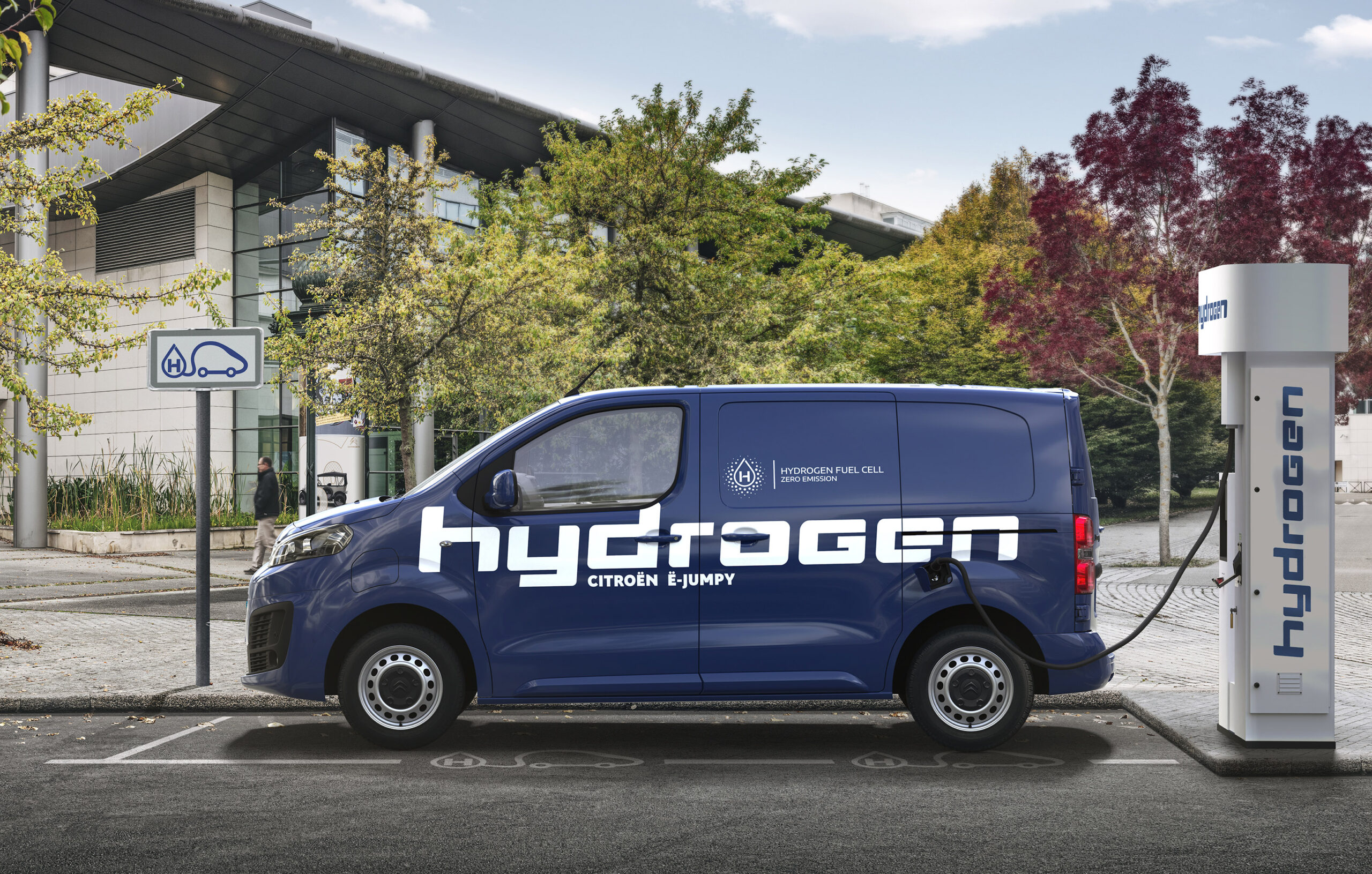
Citroen Jumpy: common problems and what you need to know about them
The Citroen Jumpy is a reliable workhorse that has proven itself in business environments, but like every commercial vehicle it has its weak spots. Knowing about common problems helps owners and potential buyers to avoid expensive repairs and extend the lifespan of the van. From engine faults to electrical complaints: understanding the typical teething troubles enables you to maintain your Jumpy properly and make well-informed decisions.
Engine problems: taking a closer look at the beating heart
The diesel engines in the Citroen Jumpy belong to the BlueHDI range, a specific series of modern diesel engines, and generally deliver solid performance. Nevertheless, certain issues occur regularly, especially with vehicles with higher mileage.
Over time, the turbo can cause problems. Owners report loss of power, whistling noises or a slow response when accelerating. This is often due to wear in the turbo bearings or oil leaks that damage the turbine. Check the engine oil level regularly and have the turbo inspected if you notice symptoms of reduced performance.
Problems with the EGR valve (a valve for exhaust gas recirculation) are a well-known pain point with modern diesel engines, and the Jumpy is no exception. The valve becomes clogged with soot deposits, which leads to irregular engine behaviour, less power and increasing fuel consumption. Regular cleaning or replacement of the EGR valve prevents more serious damage to the engine.
The DPF (soot filter or diesel particulate filter) is another point of attention. In vehicles that mainly do short trips, the filter does not regenerate sufficiently. As a result, the particulate filter becomes clogged, which causes a warning light on the dashboard and reduced engine performance. Make regular longer journeys at higher speeds to keep the filter clean. You can find more information on technical complaints on the page about Citroen car problems.
‘ If in doubt, have the clutch checked, because continuing to drive with a worn clutch can lead to costly damage to the gearbox. ’
Transmission: shifting without worries
The Jumpy is available with both manual and automatic gearboxes. Both transmission systems have their own challenges that you should stay ahead of.
With manual versions, owners sometimes report issues with a stiff clutch or gear selection problems. This can be caused by wear of the clutch kit or problems with the hydraulic system. Difficult gear changes or a grinding noise indicate wear. If in doubt, have the clutch checked, because continuing to drive with a worn clutch can lead to costly damage to the gearbox.
The automatic gearbox, often an EAT8 unit (an automatic eight-speed gearbox), generally performs well. Some owners do however experience jerky shifts or delayed responses. This may indicate problems with the transmission oil or electronics. Make sure the transmission oil is changed according to the maintenance schedule and have a diagnosis carried out if you notice abnormal behaviour.


Electronics: the invisible complexity
Modern vans are equipped with numerous electronic systems and sensors. The Jumpy is no exception, and electronics are an increasing source of complaints.
Sensor failures occur regularly. Parking sensors, the AdBlue sensor (part of the AdBlue system for exhaust after-treatment) and the DPF sensor can fail or send incorrect values. This results in warning lights on the dashboard and sometimes reduced functionality of the vehicle. A diagnosis with a professional scanner will identify the defective sensor.
The infotainment system with touchscreen can suffer from software faults. Owners report freezes, slow-responding screens or connection problems with Apple CarPlay and Android Auto. A software update at the dealer resolves many of these complaints.
Battery and charging problems are also not uncommon, especially with vehicles that regularly do short trips. The battery then does not get charged sufficiently, which leads to starting problems. Check the condition of the battery annually and replace it if necessary. Also keep an eye on corrosion on the battery terminals.
Suspension and steering: control and driving comfort
The Jumpy’s suspension and steering are designed to carry heavy loads. However, intensive use leads to wear on various components.
Shock absorbers wear out on vehicles that are regularly heavily loaded or driven on poor roads. Symptoms include a bouncy ride, poor road holding and uneven tyre wear. Always replace shock absorbers per axle to maintain balanced handling.
Rubbers in the suspension, such as silent blocks (rubber mounting points in the wheel suspension) and anti-roll bar bushes (rubbers around the anti-roll bar in the suspension), degrade over time. This causes creaking noises when driving over bumps and reduced stability. Check these components during regular servicing and replace them at the first signs of cracking or wear.
Steering rack problems are less common, but have been reported. Play in the steering or a heavy feeling when steering can indicate defects in the steering rack or track rod ends. Have this investigated immediately, as a defective steering system is a safety risk.
‘ Properly functioning brakes are literally life-saving, especially on a heavily loaded van. ’
Brakes and safety: operation and maintenance
The Jumpy’s braking system is something you do not want to cut corners on. Properly functioning brakes are literally life-saving, especially on a heavily loaded van.
Brake discs and pads wear out faster on vehicles that regularly carry heavy loads or do a lot of city driving. Check the thickness of the brake pads and the condition of the discs during every service. Vibrations when braking or a squealing noise indicate wear.
The handbrake may become less effective over time due to stretching of the brake cable or wear of the handbrake shoes. Regularly test whether the handbrake still holds the vehicle properly on a slope. Adjust the handbrake if necessary.
ABS sensors can become contaminated or fail, which leads to a warning light on the dashboard. This means that the ABS system may not work in an emergency stop. Have this checked and repaired immediately.


Bodywork and interior: more than just looks
Although the Jumpy is built for hard work, the bodywork also has points of attention that you should keep an eye on.
Rust is not a widespread problem on the Jumpy, but it does occur in vulnerable areas. Pay particular attention to the bottom of the doors, wheel arches and the load floor. Vehicles that are regularly exposed to road salt are at greater risk. Protect these areas with an annual cavity protection treatment.
The sliding doors are a strong point of the Jumpy but can develop mechanical issues. The guide rails become dirty or the rollers wear, causing the door to run stiffly or jam. Clean the rails regularly and lubricate the moving parts.
The interior is practically laid out, but not immune to wear. After intensive use, the driver’s seat often shows signs of wear to the upholstery. Seat covers help to preserve the condition of the seats. The dashboard and trim generally cope well with daily use, but plastic parts can start to creak.
Preventive maintenance: extend the life of your Jumpy
Regular maintenance is the key to a long and trouble-free life for your Citroen Jumpy. With the right approach you can prevent many of the issues mentioned earlier.
Follow the maintenance schedule as prescribed by Citroen. This means:
- Change engine oil every 20,000 kilometres or annually
- Check and replace the air filter every 40,000 kilometres
- Replace brake fluid every two years
- Replace coolant every four years
- Replace timing belt according to schedule (usually around 160,000 kilometres)
Take extra care with vehicles that are used intensively. Make regular longer trips to regenerate the particulate filter and prevent battery problems. Check the oil level, tyre pressures and fluid levels weekly.
Have a thorough inspection carried out annually by a skilled mechanic. They can identify potential problems at an early stage before they lead to expensive repairs. Invest in quality parts and avoid cheap alternatives that wear out more quickly.
‘ Smoke from the exhaust or sluggish responses can indicate engine problems. ’
Buying tips: what to look out for with a used Jumpy?
Are you considering buying a used Citroen Jumpy? Then pay attention to a number of specific points to avoid disappointment.
Always check the service history. A complete service record inspires confidence and shows that the previous owner has taken good care of the vehicle. If this record is missing, be extra cautious.
Take a test drive and watch out for abnormal behaviour. Test the engine when starting from cold, listen for unusual noises and check that all gears shift smoothly. Smoke from the exhaust or sluggish responses can indicate engine problems.
Inspect the bodywork thoroughly. Look underneath the vehicle for rust spots and check the condition of the load floor. Dents and scratches are normal on a working vehicle, but serious damage can indicate hard use.
Scan the vehicle with a diagnostic computer. This will reveal stored fault codes that are not visible via the dashboard. Problems with sensors or electronics are brought to light this way.
Ask how the vehicle has been used. A Jumpy that has mainly done long journeys often has less wear than one that has been driven exclusively in the city. Pay attention to the mileage in relation to the year of manufacture.


A reliable partner with the right care
The Citroen Jumpy proves its worth as a practical commercial vehicle, provided you stay alert to common problems. Engine issues such as turbo and DPF complaints, transmission problems and electronic faults are the main points of attention. Preventive maintenance and timely repairs prevent costly damage and significantly extend its lifespan.
When buying a used Jumpy, a complete service history and thorough inspection are essential. With the right care and attention, this versatile workhorse will provide many years of reliable service.