
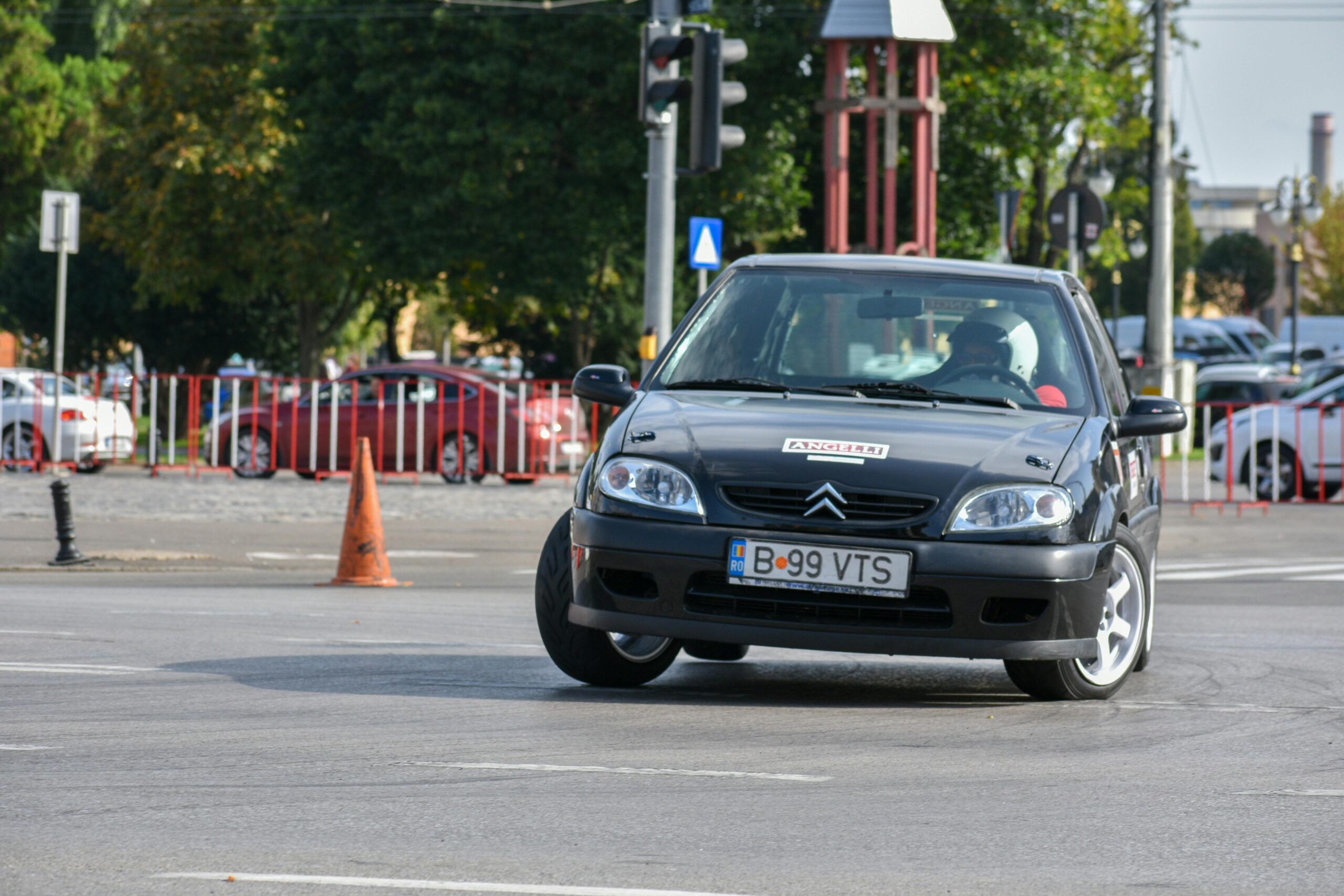
Citroën Saxo: the compact rebel with character – and teething troubles
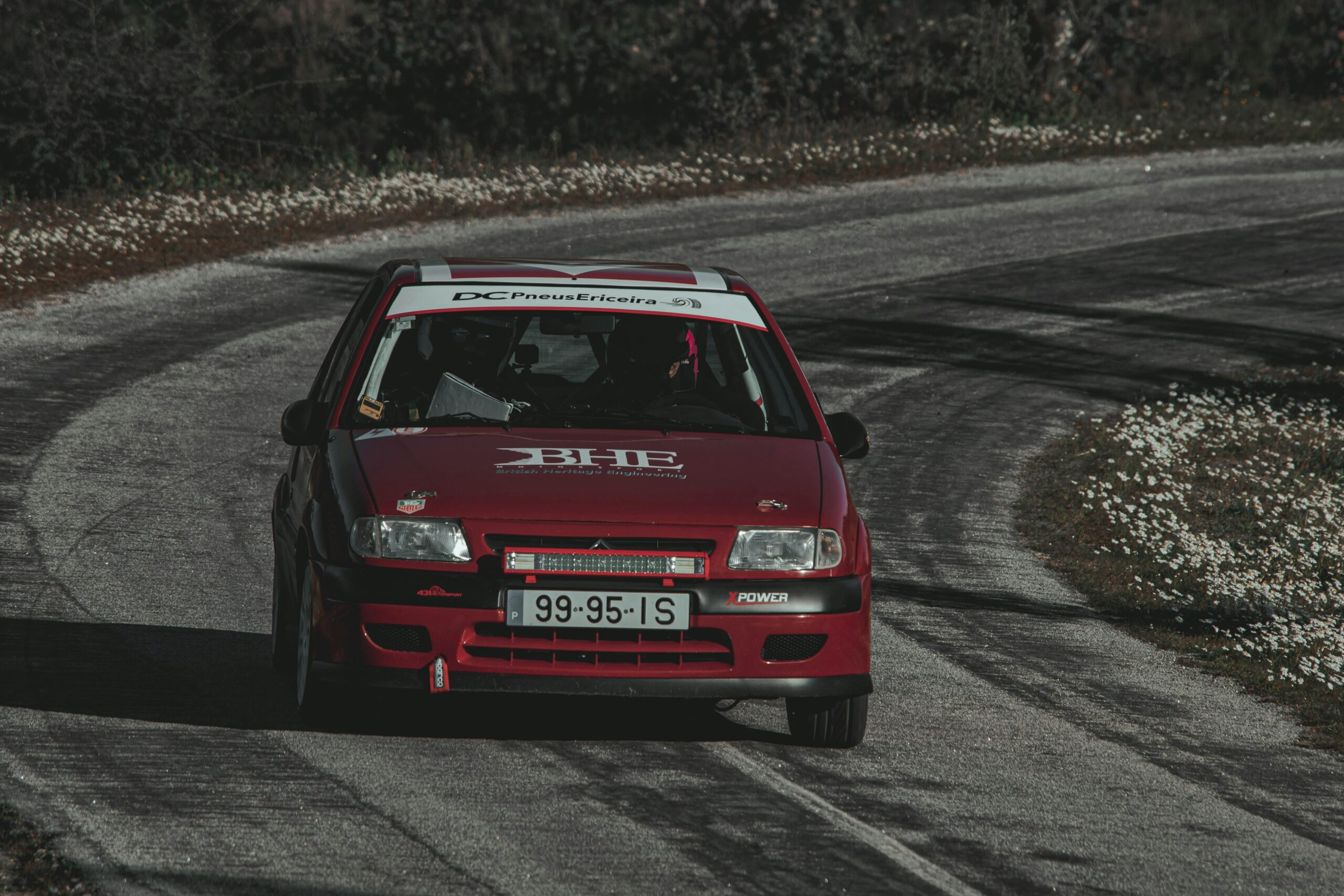
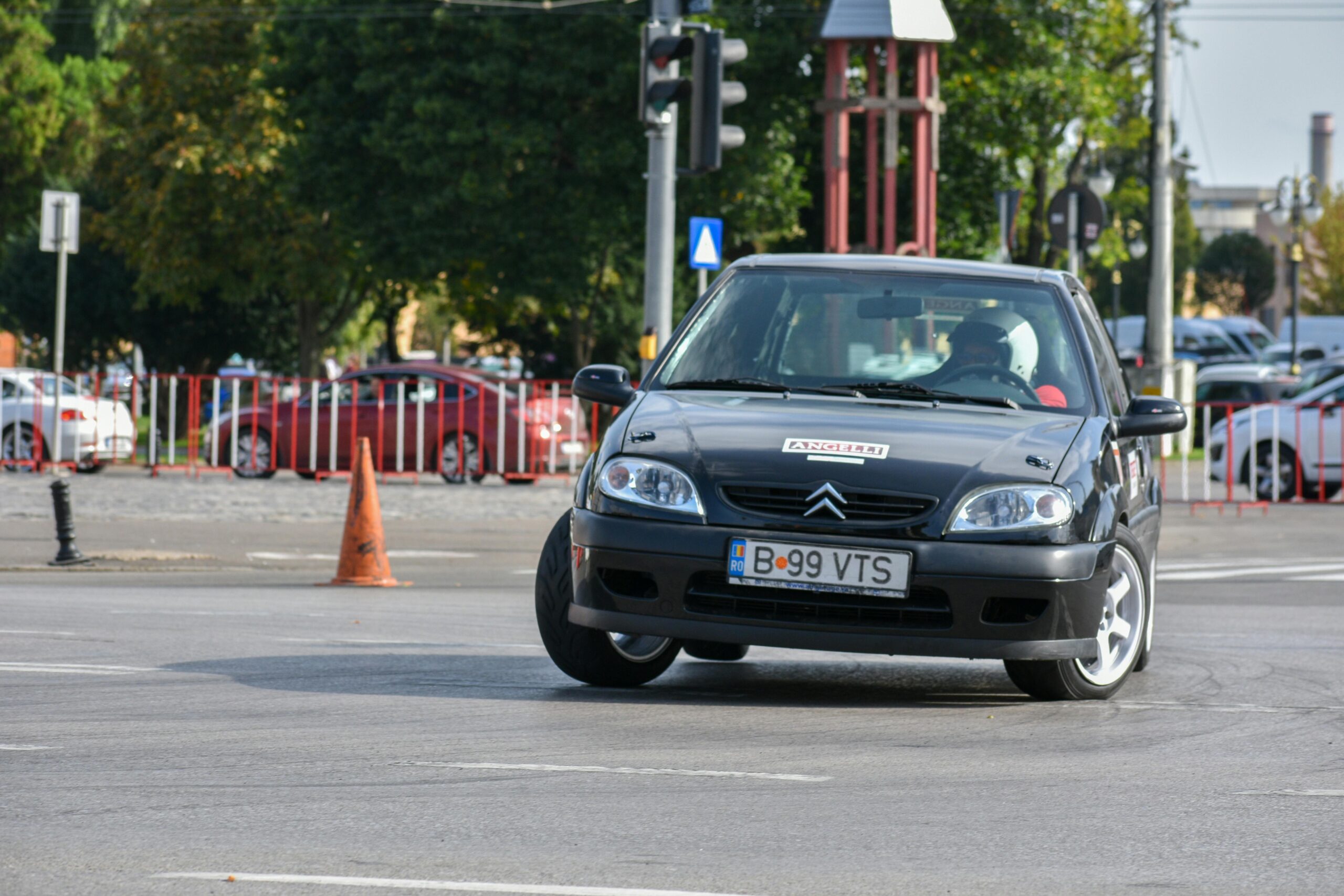
The Citroën Saxo is a French supermini. The model was produced between 1996 and 2003, and during that time it won the hearts of many car enthusiasts. The sporty VTS versions in particular, with their 120 bhp 1.6 engine, became icons in the tuning scene and on rally stages. Yet the charm of this compact hatchback comes with a flip side. Owners of the Saxo know that the model is prone to specific technical problems. Rust spots on the sills are a common sight, and the notorious rear axle design can cause major headaches. Do you want to know exactly what you should look out for as an owner or future buyer?
The Saxo’s charm – and its issues
The Saxo shared its platform with the Peugeot 106. This meant a wide availability of parts and basic technical reliability. Engine variants ranged from 50 bhp to 120 bhp, so there was something for everyone. The 1.0-litre version was economical and ideal for beginners, while the VTS 16V, with a top speed of 205 km/h, awakened rally ambitions. That versatility still attracts enthusiastic car fans today.
But that popularity also has a darker side. Many Saxos are now more than two decades old and have led hard lives. Some examples have been driven aggressively by young owners; others have been used for sporty purposes. That use has left its mark. Car problems with Citroën models are common, and the Saxo is no exception. Preparation prevents a lot of hassle. Know where the weak points are.
‘ Severe engine damage is the result. ’
Engine concerns to watch out for
The Saxo’s engines are generally reliable, but older examples can suffer from specific problems. Oil leaks at the crankshaft occur, especially on the 1.4 and 1.6-litre petrol versions. This is often the result of aged seals that no longer do their job properly. Check the oil level regularly and look under the car for fresh oil spots.
The timing belt requires extra attention. On most Saxo models it needs to be replaced every 80,000 kilometres. Replacement is crucial – if the belt snaps, severe engine damage is the result. Check the service book and, if in doubt, ask for the date of the last replacement. The 1.6 16V VTS has a timing chain instead of a belt. This is maintenance-free, but even that can start to rattle due to stretch after many kilometres.
The cooling system is another area of concern. The water pump can start leaking. The thermostat housing sometimes becomes porous. As a result, the engine can run too hot, or conversely stay too cold. Both affect performance and lifespan. Replace coolant every two years and keep an eye on the temperature gauge while driving.
Drivetrain and transmission: what can fail
The Saxo’s clutch is generally robust, but with aggressive driving it can wear quickly, especially on the VTS models, which were often used sportily. You can recognise a slipping clutch by the revs rising without a corresponding increase in speed. Another clue is a burning smell from the engine bay. Replacement is relatively affordable, but it does involve labour time.
The gearbox itself is durable, but the bearings can show wear over time. This manifests itself in rattling noises in neutral or difficult gear changes. On the VTS five-speed gearbox, complaints mainly concern second and third gear, which can engage stiffly or crunch. Changing the oil sometimes helps; with serious wear, an overhaul is required.
Driveshafts and CV joints are vulnerable if the rubber gaiters are damaged. A gaiter can split, allowing dirt and moisture to enter. The CV joints then wear rapidly. You will hear this as clicking noises when steering sharply. Check the gaiters regularly and replace them at the first tear. This prevents more expensive repairs to the complete driveshaft.
Suspension and steering: the rear axle as a weak point
The Saxo’s rear axle is notorious among owners. The trailing arms are connected with rubber bushes, which harden or crack over time. This leads to loose, unpredictable handling and uneven tyre wear. Some owners report that the rear of the car wiggles about; others experience the car pulling sideways under braking. Replacing the arms or bushes solves this, but a wheel alignment afterwards is necessary.
Shock absorbers wear out more quickly if the car is often driven on poor roads. Leaking dampers can be recognised by oil traces on the damper itself, as well as bouncy behaviour after bumps. Always replace shock absorbers in axle pairs, never individually. This avoids imbalance.
The steering system is mechanically simple, but track rod ends can wear. Free play in the steering points to this, as does a rattling noise when turning the steering wheel. Have this checked quickly; steering issues directly affect safety. The power steering pump can also start leaking or squealing after many kilometres, particularly when starting from cold.
‘ Replace them at the first signs of rust. ’
Brakes and safety: what can go wrong
The Saxo’s brakes are generally sound. Squeaking brakes are common and are often due to worn brake pads. Rust on the brake discs after standing still also plays a part. Check the thickness of the pads and replace them before they reach the metal backing. The brake discs themselves can rust over the years and may warp due to uneven wear.
Brake lines are prone to corrosion, especially around the rear axle and under the car. Rust can weaken the lines, which can ultimately lead to leaks and reduced braking power. Inspect the brake lines at every service and replace them at the first signs of rust.
ABS faults are less common, but they do occur. A flashing ABS warning light usually points to a defective wheel speed sensor, most often at the front. Dirt can be the cause, but damage to the sensor is also possible. Read out the fault codes – they provide clarity about the cause.

Electrics and interior: faults and wear
The Saxo’s electrics are relatively simple, but older examples can suffer from faults. Windscreen wipers sometimes work intermittently or can fail completely, often pointing to a defective wiper motor or a poor earth connection. The lights can also cause problems: rear lights sometimes let in moisture, which can cause short circuits and blown bulbs.
The dashboard lighting can fail or flicker. This is often due to cold solder joints on the circuit board behind the dashboard – a known issue that can be fixed at home if you have some soldering experience. Some owners also report problems with the heater blower motors; the heater control can sometimes stick.
The Saxo’s interior wears faster than you might like. Seat upholstery can tear, especially on the driver’s seat. Plastic trim panels easily work loose or break. The handbrake lever can feel worn due to frequent use. Many of these issues are cosmetic and do not affect the technical condition, but they do reveal the car’s age.
Rust and bodywork: time is the enemy
Rust is a recurring problem on Saxos, especially on cars driven in damp climates or near salty coastal roads. The sills are particularly susceptible: look carefully under the plastic sill trims, as rust often starts there out of sight. The wheel arches are another vulnerable area, as is the bottom of the doors.
The wings can rust from the inside out, especially at the rear. Road grime and salt are to blame, and the damage is often not immediately visible. It may only come to light during an inspection or MOT test. Also check the floor pan inside the car; moisture can collect under the carpets and cause rust unnoticed.
The bonnet and tailgate are less vulnerable, but they can suffer paint damage from stone chips. Repair paint damage quickly to prevent rust forming. Small spots soon grow into bigger problems if you ignore them.
‘ This prevents more expensive consequential damage. ’
Prevention and maintenance tips for a healthy Saxo
Regular servicing is the key to a reliable Saxo. Replace the oil every 10,000 kilometres, or at least once a year – whichever comes first. Use good-quality oil that meets the specifications in the owner’s manual. At the same time, check the air filter and replace it if necessary.
Keep an eye on the timing belt and replace it on time. Also check the coolant level regularly and top up if needed, and do the same with brake fluid. Coolant should be renewed every two years to prevent corrosion. Brake fluid should also be replaced every two years according to the manufacturer, as it absorbs moisture.
Inspect the underside of the car at least once a year. Look for rust, leaks and damaged components. This can be done during the MOT test, or as a separate maintenance visit. Clean the underside of the car after winter to remove salt residue, and treat vulnerable areas with rust protection if this has not yet been done.
Pay attention to the condition of rubber parts. Bushes, gaiters and hoses harden and crack over time. Replace them early to prevent more expensive consequential damage. If you are not using the car for a longer period, keep it in a dry place and start the engine regularly so all systems stay free-moving.
What to check when buying a Saxo
Buying a used Saxo? Start by checking the service book. A complete history with stamps and receipts is a good sign. Ask specifically about the timing belt: when was it last replaced? If you are unsure, or the information is missing, have the belt replaced immediately after purchase – it is the sensible thing to do.
Test the car thoroughly on a test drive. Listen for strange noises from the engine and transmission. Check the suspension, shift through all the gears and listen for crunching or grinding noises. Brake firmly and check whether the car continues to drive straight – it should not pull to one side. Feel whether there is play in the steering and whether the steering wheel vibrates.
Inspect the bodywork carefully for rust. Look under the car and in the wheel arches. Check under the sill trims. Lift the carpets and check the floor pan. Ask whether the car has ever been damaged. If in doubt, have an MOT station or garage take a look. A small amount of money for a pre-purchase inspection is well spent and can prevent a lot of trouble later on.
Also check the electrics. Test the lights, wipers, heater and all switches. Check whether any warning lights are on on the dashboard. A flashing ABS light needs further investigation, as does a flashing engine warning light. Ask if there are any known faults and whether they have been fixed.
Look at the condition of the interior. Heavily worn seats can indicate a high mileage; a worn dashboard can point to neglect. That does not have to be a dealbreaker, but it does give an impression of how the previous owner treated the car. A tidy car is usually better maintained mechanically as well. Regular cleaning is a good sign.
The Saxo remains a car with character
The Citroën Saxo has now achieved the status of a future classic. The VTS models in particular are loved by fans of compact sports cars and rally history. The Saxo achieved 192 victories in rally competitions, and there is a lively online community of fans. The Saxo remains a source of inspiration for tuners and classic car collectors.
At the same time, this French supermini demands realism. Most examples are old and have often had a hard life. They need maintenance and care. Rust is always lurking, worn rubber components are common, and minor engine issues do occur. Take this into account. If you invest time in preventive maintenance, you can enjoy this compact rebel for many more years. The Saxo remains a car with character. It will put a smile on your face – especially if you know what to look out for.