
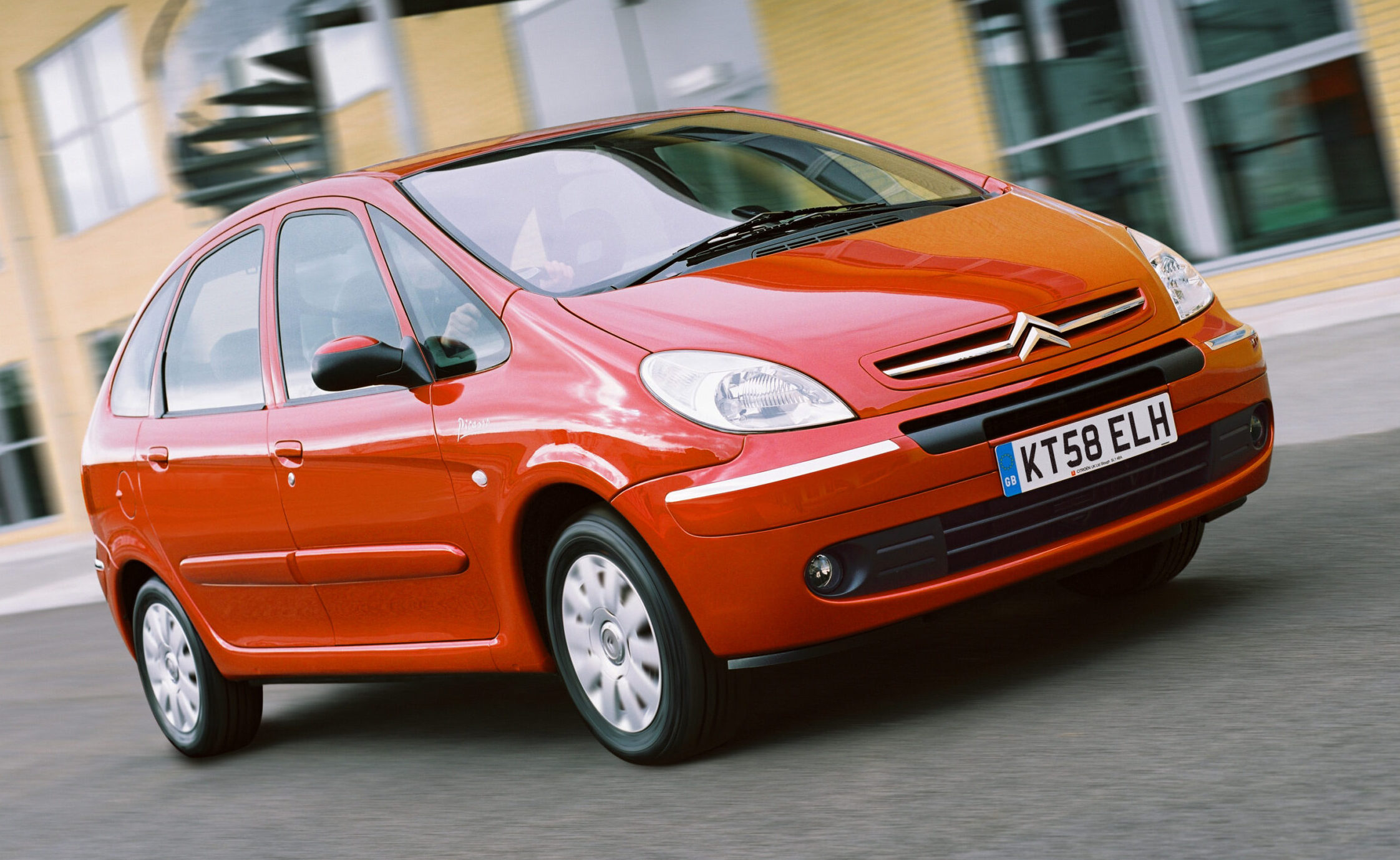
Citroën Xsara: a car with character – and a list of things to watch out for
The Citroën Xsara is a compact family car that appeared in showrooms between 1997 and 2006 and had to prove itself in a highly competitive segment. With a rallying reputation thanks to its WRC success and a wide range of engines, the Xsara earned its own place on the road. Yet among enthusiasts the model is mainly known for its mixed reliability, where practical qualities are offset by specific weak points that demand regular maintenance and attention.
A brief history and its place in the market
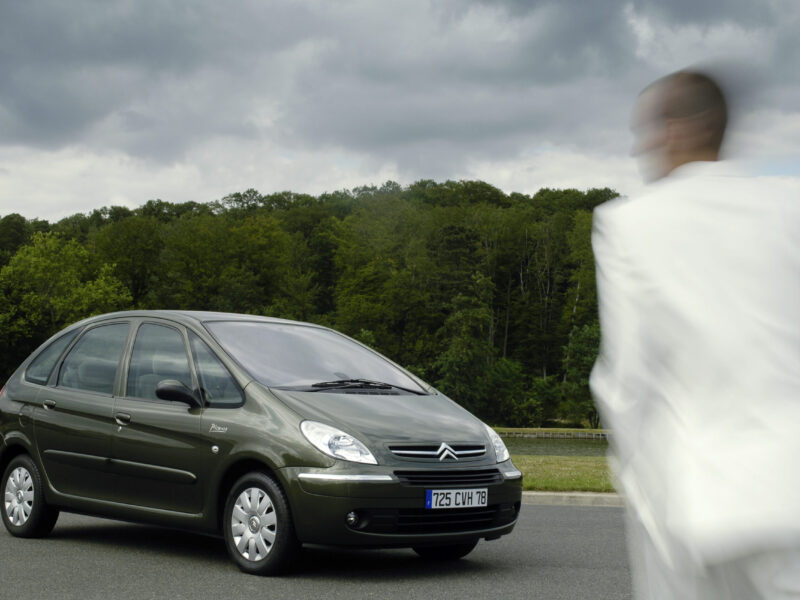
The Xsara appeared in 1997 as the successor to the ZX and was tasked with representing Citroën in the C-segment. The car was available as a hatchback, saloon (Break estate) and coupé, and gained particular name recognition through the rally version that secured multiple world titles with drivers such as Sébastien Loeb. Production ran until 2006, when the C4 took over. Technically, the Xsara shared a great deal with the Peugeot 306, which is reflected in both its engines and platform layout.
For people interested in car problems with Citroën, the Xsara is an interesting case. The model combines well-thought-out engineering with typically French quirks, but it also suffers from a series of recurring technical issues that are characteristic of the brand and this generation.
‘ Minor faults can quickly grow into major failures when warning signs are ignored. ’
Overall reliability and common perceptions
The Xsara has a mixed reputation among owners. Some drivers describe the car as reliable and low-maintenance, provided it is serviced consistently. Others report recurring problems with electrics, suspension and engine components. Reliability varies greatly depending on engine type and model year. Cars from the later production years are often regarded as more stable than early versions.
In general, the Xsara demands a vigilant maintenance approach. Minor faults can quickly grow into major failures when warning signs are ignored. Parts availability is reasonably good, and running costs remain manageable if you act proactively.
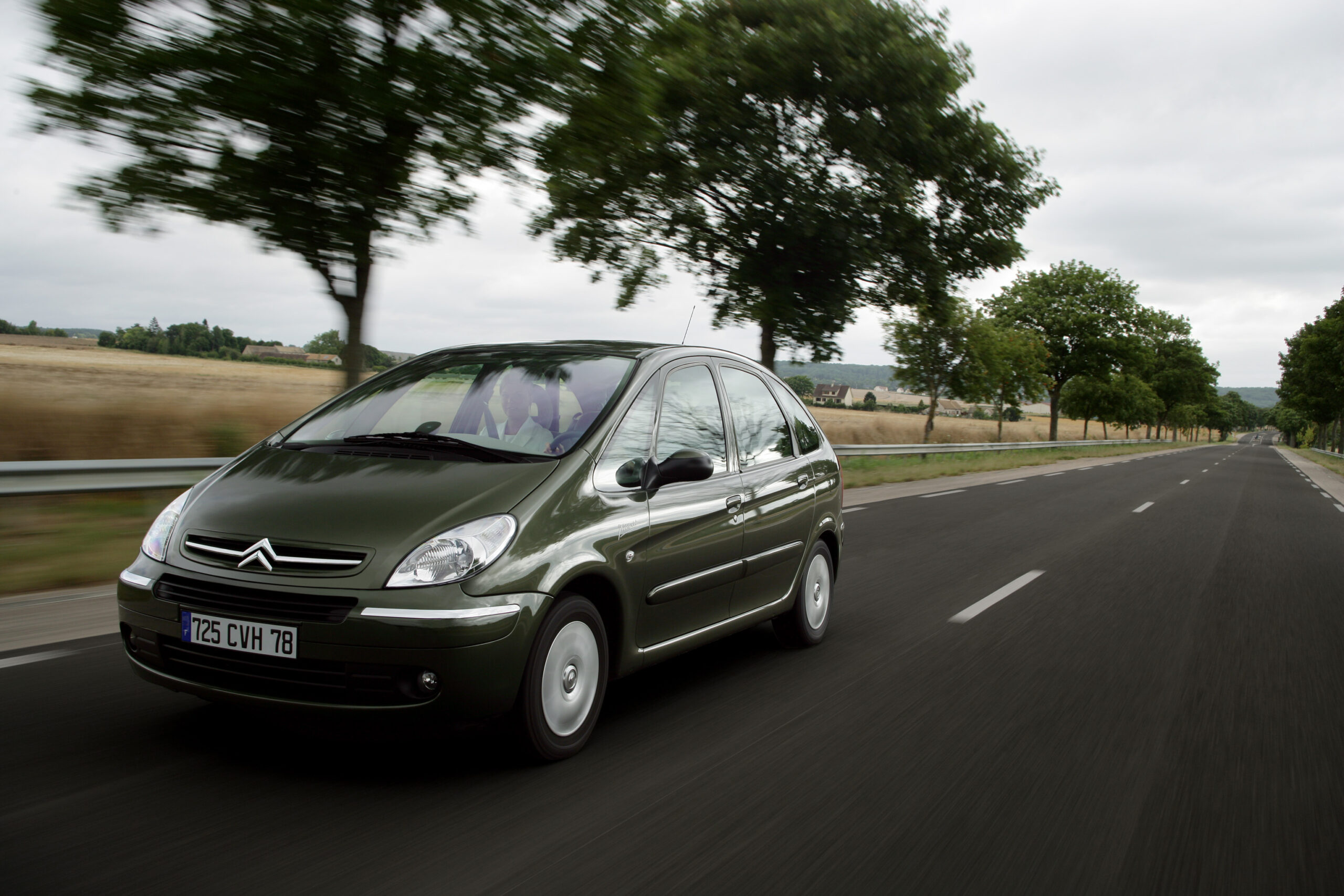
Engine problems: specific points of attention per engine variant
The Xsara was offered with various petrol and diesel engines, each with its own characteristics and weak points.
Petrol engines
The 1.4 and 1.6 petrol engines from the TU series are simple and relatively robust, but they sometimes suffer from cold-start problems due to ageing spark plugs and ignition coils. The 1.8 and 2.0-litre 16v engines deliver more power. These engines are prone to coolant leaks caused by worn hoses and radiators. The head gasket also often causes problems at high mileages, especially when the engine has regularly overheated.
Diesel engines
The popular 1.9 D and 2.0 HDI diesels are generally reliable, but require punctual maintenance. The HDI engines regularly suffer from turbo and EGR valves (exhaust gas recirculation valves) that become clogged, which can lead to loss of power and an uneven engine idle. Injector problems occur, particularly on cars that have done many short trips. Contamination of the fuel filter is also frequently reported, and manifests itself in poor starting and rough running.
Electronics and electrical faults: a stubborn French ailment?
Electrical problems are among the most frequently reported complaints about the Xsara. These can range from annoying glitches to more serious safety risks.
The central locking system often plays up, with doors spontaneously locking or unlocking. Problems with electric window operation are also common, usually caused by worn switches or failed window motors. The dashboard lighting can fail due to loose connections or blown bulbs, which are harder to replace than on many other models.
Sensors regularly trigger fault codes, for example in the ABS system (anti-lock braking system) or the airbag control unit. These can be caused by corrosion in the wiring, which is especially common on older examples. Always have faults read out with a diagnostic scanner before replacing parts, as a simple clean or repaired connection is often all that is needed.
‘ The Xsara is known for its comfortable ride, but that comes at the expense of the lifespan of suspension and running gear components. ’
Chassis, suspension and steering: comfort versus wear
The Xsara is known for its comfortable driving behaviour, but that comes at the expense of the lifespan of suspension and running gear components. Shock absorbers wear out faster than average, especially with intensive use or on poor road surfaces. This manifests itself in a bouncy ride and reduced road holding.
Wishbones and ball joints are prone to play, which can be heard as knocking or clunking noises when steering or driving over bumps. Track-rod ends need regular inspection, as do the driveshaft gaiters, which can split and allow water and dirt in.
The power steering is hydraulic and can develop leaks in worn hoses or from a failing pump. You will notice this from heavier steering and a squealing noise when turning the wheel. Replace leaking parts immediately to prevent further damage.
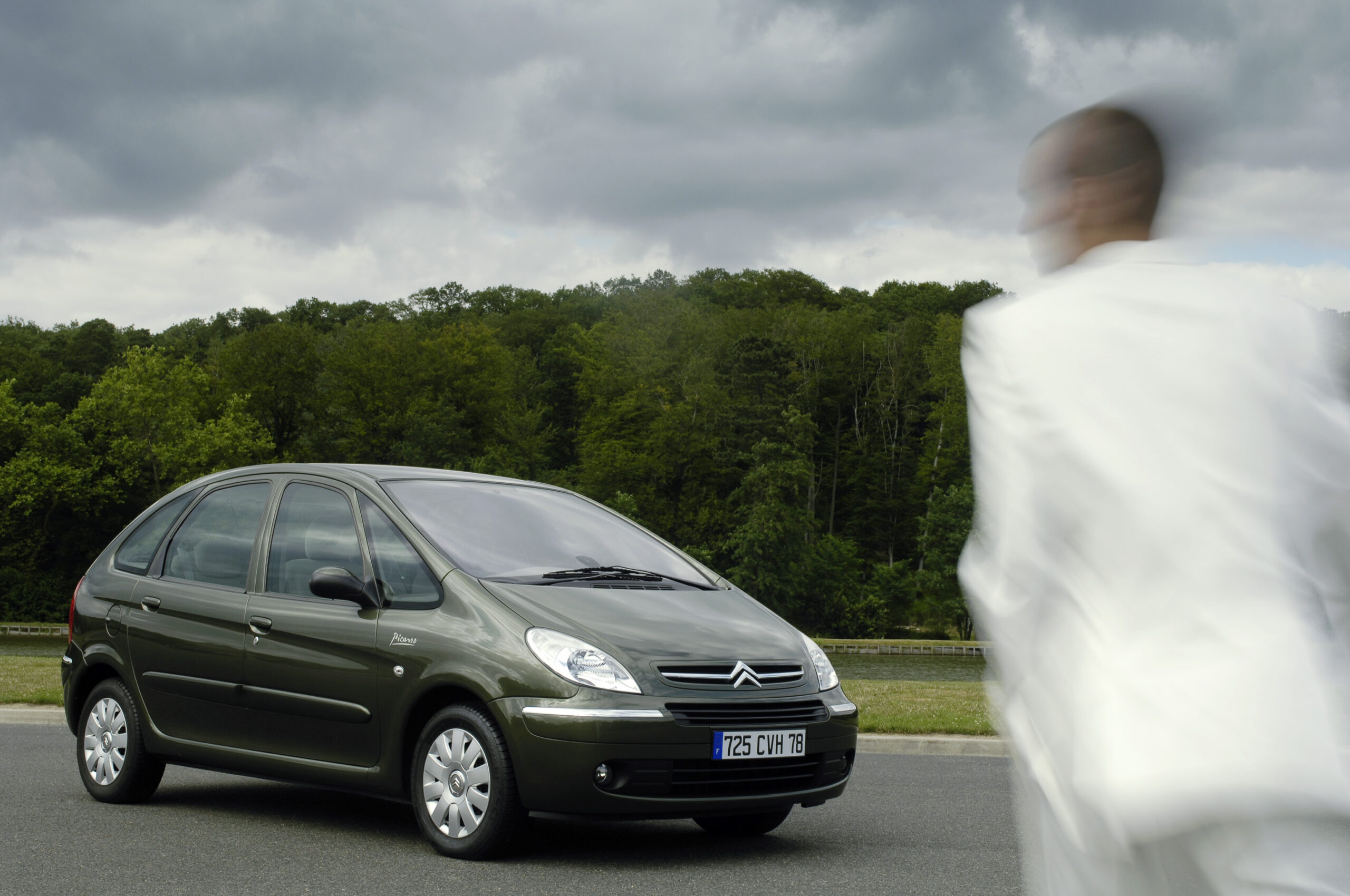
Transmission: manual gearboxes and automatics under scrutiny
The Xsara’s manual gearboxes are generally robust, but at high mileages they can suffer from worn synchro rings. This reveals itself as crunching noises when changing gear, especially on cold starts. The clutch has an average lifespan of 150,000 to 200,000 kilometres, depending on driving style and maintenance.
The automatic gearbox, available on a few models, has a reputation for being less reliable. Gearshift issues, slipping gears and electronic faults are common. When buying, check that the transmission fluid has been changed regularly, as this significantly extends its life.
Bodywork and interior: the ravages of time and other annoyances
Rust is a real risk on the Xsara, especially around the wheel arches, sills and the bottoms of the doors. Check these areas thoroughly on a used example, as rust can spread quickly. Paint issues such as flaking and dull patches occur, particularly on dark colours.
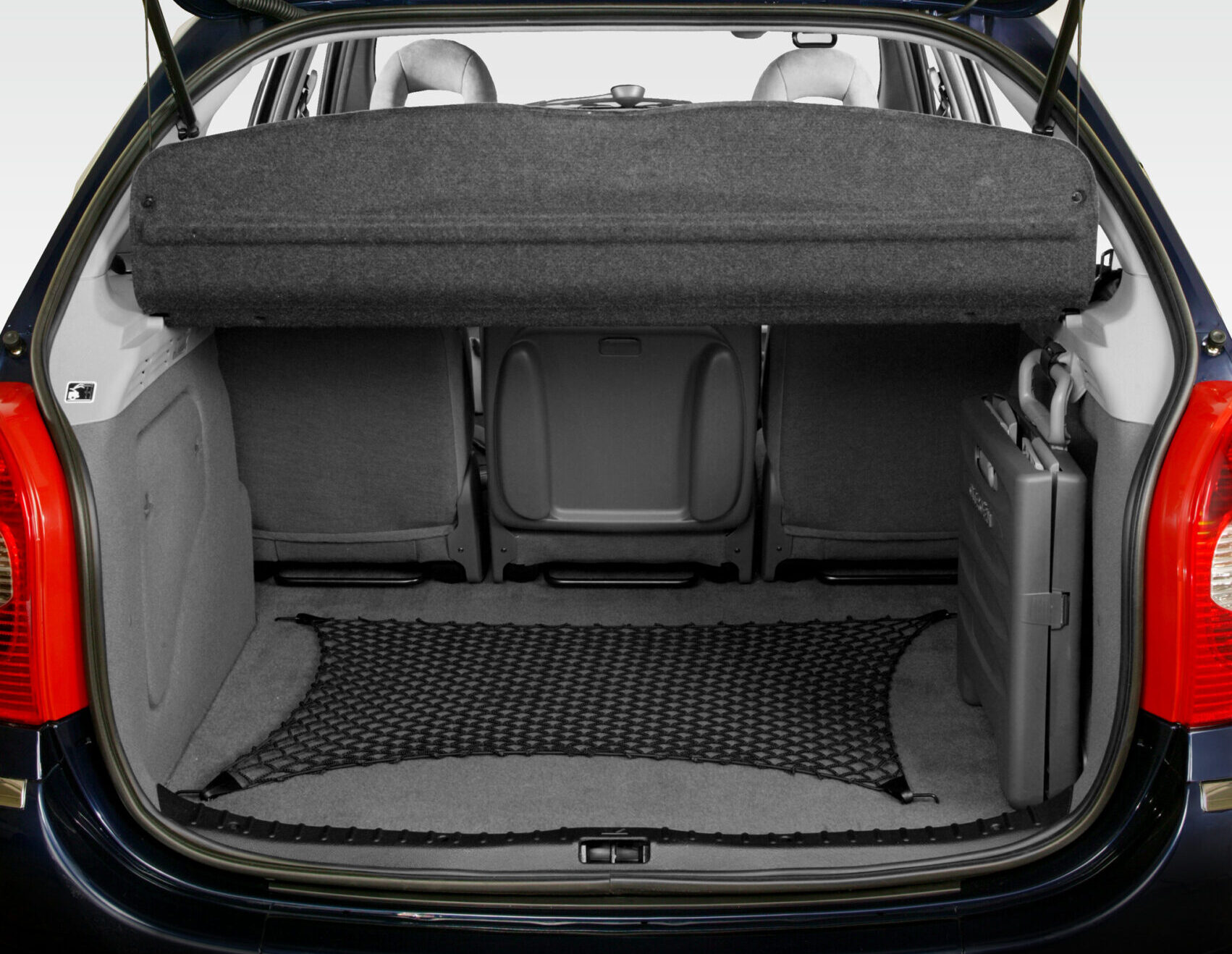
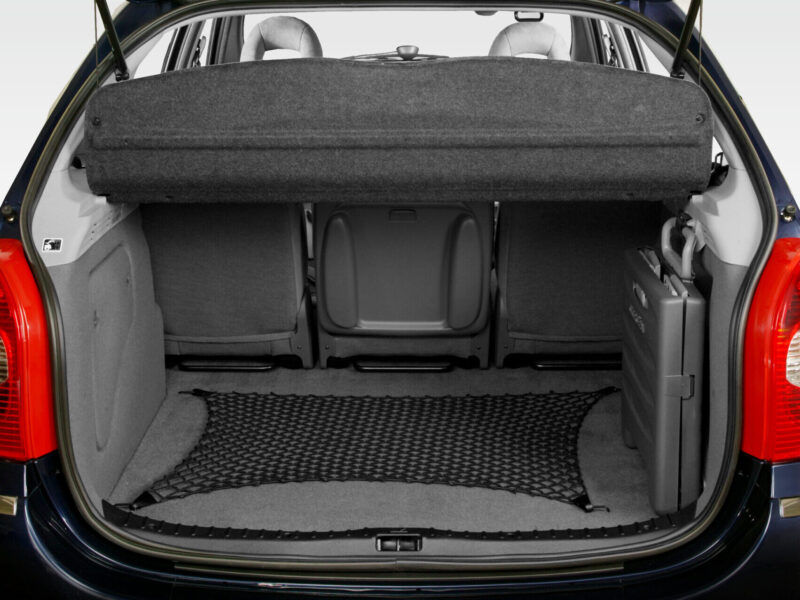
The interior shows signs of wear over time. Seat upholstery can wear quickly, dashboard buttons can snap off and the steering wheel often develops shiny patches. Seat adjustment mechanisms can seize due to rust or broken plastic parts. The tailgate sometimes has problems with the gas struts, meaning the boot lid will not stay open.
‘ Always have a warning light checked straight away, because if the system fails you lose that layer of active safety. ’
Brakes: maintenance and common defects
The Xsara’s braking system needs regular checks. Brake discs can wear unevenly, leading to vibrations when braking. Brake pads need replacing on average every 30,000 to 50,000 kilometres, depending on your driving style. Brake callipers can seize due to corrosion, especially when the car stands still for long periods.
The ABS system (anti-lock braking system) occasionally develops faults due to dirty sensors or failed modules. Always have a warning light checked straight away, because if the system fails you lose that layer of active safety. Brake fluid should be renewed every two years to prevent moisture build-up and reduced braking performance.
Prevention is better than cure: maintenance tips for Xsara owners
Regular maintenance is the key to keeping a Xsara reliable. Follow these practical tips:
- Change the engine oil every 10,000 to 15,000 kilometres, depending on driving style and engine type.
- Check coolant level and hose condition at least twice a year.
- Clean EGR valves (exhaust gas recirculation valves) and the mass air flow sensor on diesel engines to prevent clogging.
- Have suspension and running gear components inspected annually for play and wear.
- Spray contact points and switches regularly with contact cleaner to minimise electrical faults.
- Replace the fuel filter on diesel engines every year or after 20,000 kilometres.
- Check the condition of the timing belt and replace it according to the service schedule (usually around 100,000 kilometres).
What to look out for when buying a used Xsara
Thinking about buying a used Xsara? Then pay attention to the following points to avoid disappointment:
- Check the service history for regular servicing and major replacements.
- Test all electrical functions, including windows, central locking and dashboard lighting.
- Inspect the bodywork thoroughly for rust, especially the wheel arches and sills.
- During a test drive, listen for unusual noises from the suspension or engine.
- Check the condition of the clutch by starting on a hill and feeling whether it slips.
- Start the engine from cold to spot starting problems or excessive smoke.
- Ask for a recent APK inspection (Dutch statutory periodic vehicle inspection) and check any advisories.
- Test the braking system for vibrations and make sure the ABS warning light is not on.
‘ The recurring electrical faults, sensitive suspension components and specific engine issues mean the Xsara is not a carefree choice. ’
The Xsara: a car that demands attention – but gives something back
The Citroën Xsara is a mid-size car with a character of its own, born in a period when French car manufacturers were making their mark on design and ride comfort. Its rally success gave the model a sporty image, while the wide choice of engines and body styles ensured broad appeal. At the same time, the Xsara needs an involved owner who is willing to invest time and attention in preventive maintenance.
The recurring electrical faults, sensitive suspension components and specific engine issues mean the Xsara is not a carefree choice. On the other hand, the low purchase price, reasonable running costs and wide availability of parts offer ample compensation for enthusiasts who know what they are getting into. Make sure you have a thorough inspection carried out before purchase, follow the maintenance schedule and respond quickly to warning signs. If you do, the Xsara can still serve you faithfully for many years.