
Citroën Xsara Picasso: popular family car with many teething troubles
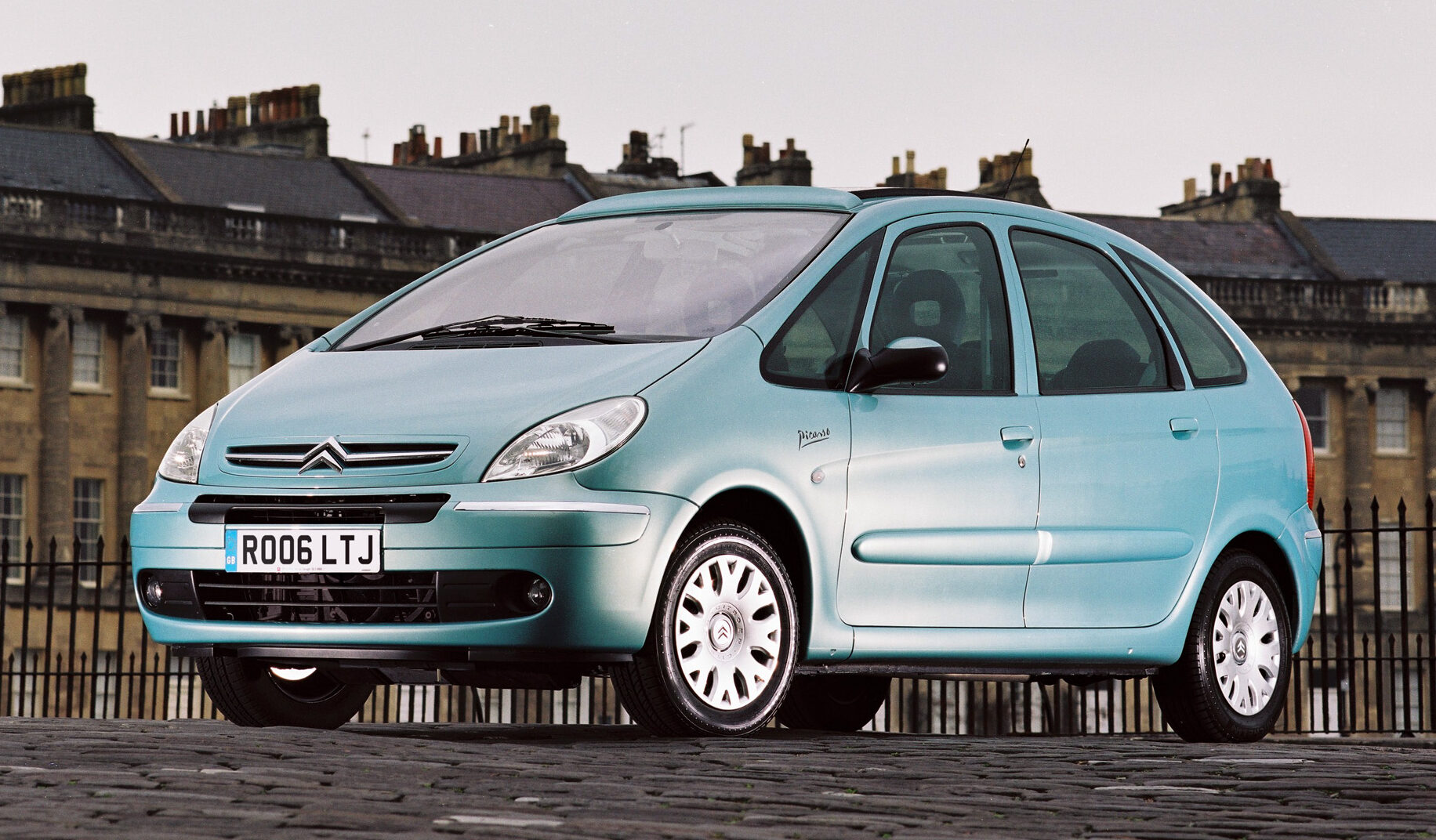
The Citroën Xsara Picasso was a long-standing fixture in the compact family car segment. This egg-shaped MPV offered flexible seating and surprisingly generous interior space for its compact dimensions. But its popularity also had a downside: many owners struggle with recurring technical problems that seriously undermine reliability. From electronic faults to gearbox issues, the Xsara Picasso suffers from more defects than you might expect beforehand. Read on to discover exactly what you need to watch out for as an owner or buyer.
Space and flexibility made the difference
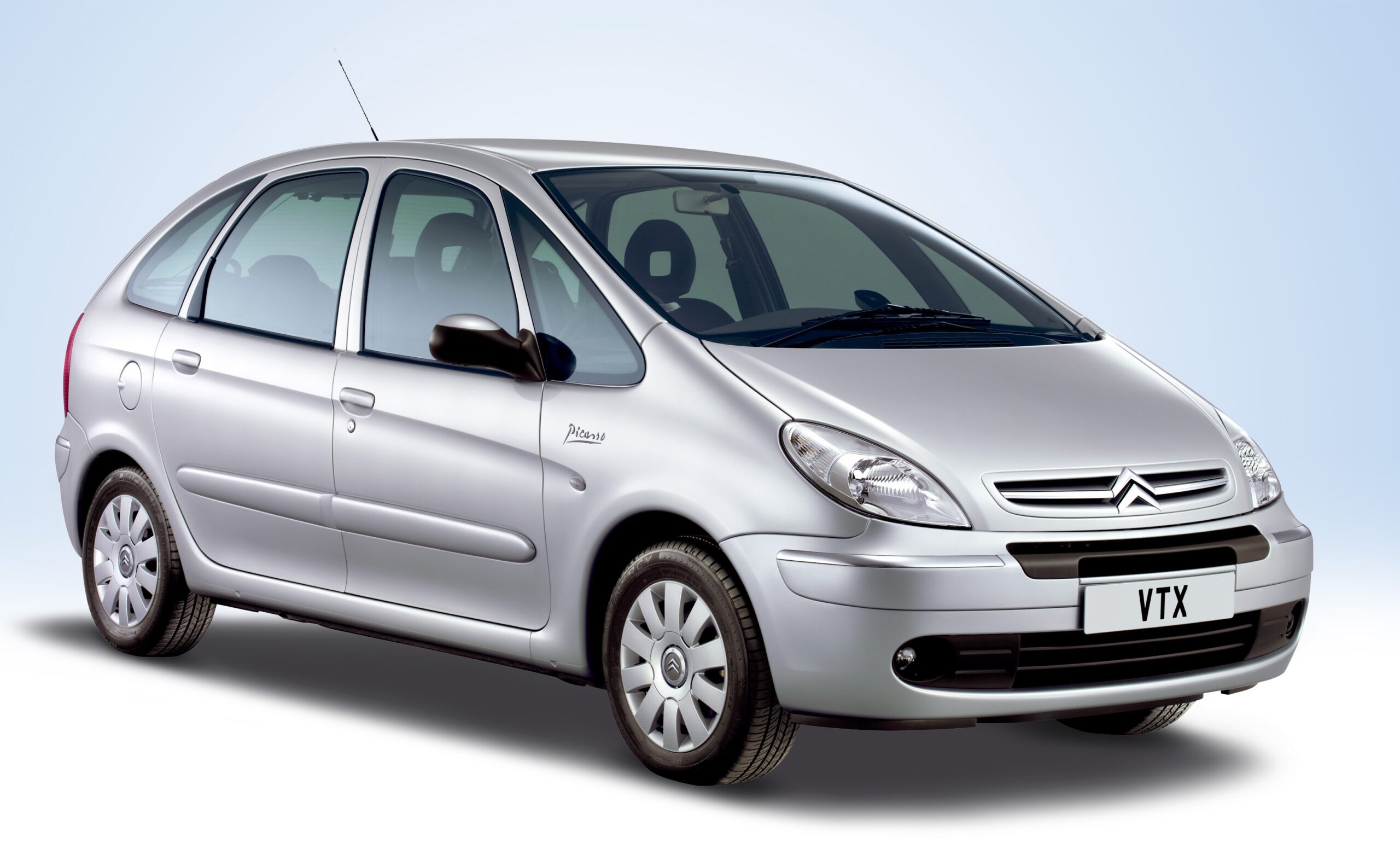
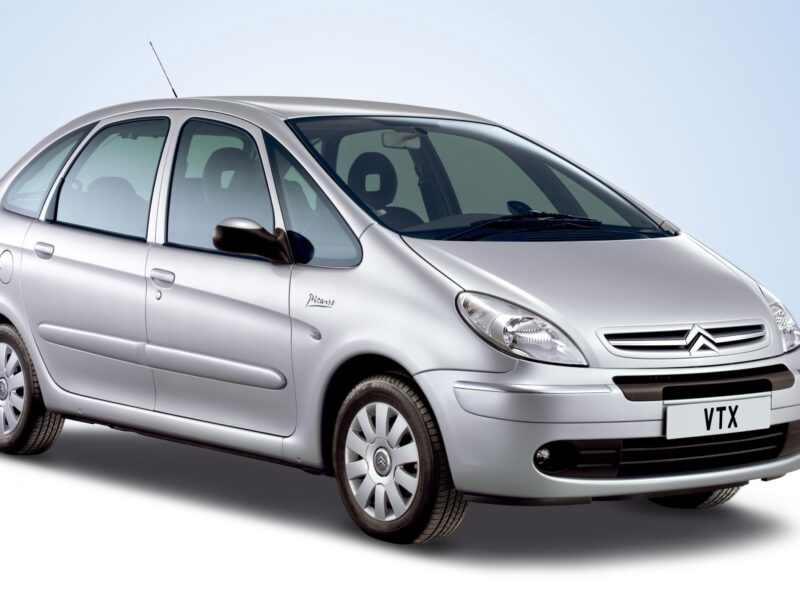
The Xsara Picasso appeared at the end of 1999. Citroën launched this car as a competitor to the Renault Scénic. The characteristic egg-shaped design with rounded lines gave the car a modern and friendly appearance. With a length of 4,275 mm it remained easy to place on the road, while the height of 1,635 mm created a spacious feeling inside.
The real trump card was the flexible seating layout. The three rear seats could each be moved, adjusted and removed completely independently. That made the Xsara Picasso ideal for families who regularly switched between carrying people and luggage. This versatility helped the car become the best-selling MPV in several European countries. France and Great Britain were two of those countries.
The engine range was varied. Petrol drivers could choose from 1.6-litre and 1.8-litre four-cylinders, diesel fans from the 1.6 HDi and 2.0 HDi. Most models delivered between 87 and 110 bhp, which was sufficient for everyday use. The 2,760 mm wheelbase contributed to stable handling and a comfortable interior.
‘ Good maintenance can prevent many problems, but some faults seem inherent to the design. ’
Technical problems overshadow everyday usability
The Xsara Picasso has a mixed reputation when it comes to reliability. While many owners were satisfied with the practical layout and ride comfort, over time various complaints arose about technical defects. These problems occur mainly on cars with higher mileage. Models from the first production years also suffer from more defects.
Owners report electronic faults and engine issues. Problems with the running gear are also common. For a full overview of known defects on different Citroën models, see the page on car problems with Citroën. The Xsara Picasso shares some of these faults with other models from the same period.
The reliability score in various owner surveys lags behind its competitors. That does not mean that every Xsara Picasso breaks down, but it does mean that the chance of repairs is higher than average. Good maintenance can prevent many issues, but some faults seem inherent to the design.
Engines with mixed performance and ailments
The petrol engines in the Xsara Picasso are generally reasonably reliable, but they do have specific weak spots. The 1.6-litre petrol engine tends to suffer from coil pack problems. This leads to irregular running or cylinders dropping out. The engine speed fluctuates and you notice a loss of power.
The 1.8-litre petrol engine has a known weakness: over time the coolant pump can start to leak. If you do not act in time, this causes overheating. Regularly check the coolant level and watch for damp patches under the bonnet.
Diesel engines such as the 1.6 HDi and 2.0 HDi are popular because of their fuel efficiency and torque. Problems also crop up here. The particulate filter (a component that captures exhaust particles) regularly gets clogged, especially if the car mainly does short trips in town. Performance drops off and a warning light appears on the dashboard. In severe cases the car goes into limp-home mode. Regular longer journeys at higher speed help to burn the soot out of the filter.
Turbochargers on diesel models can fail due to oil contamination or wear. This leads to whistling noises, smoke and loss of power. Always use the correct engine oil and change it on time to protect the turbo.
Electronic systems frequently play up
Electronic faults are among the most commonly reported problems on the Xsara Picasso. The Electronic Stability Program (a system that monitors vehicle stability) sometimes gives false error messages or switches off unexpectedly. This is often caused by defective wheel sensors that measure speed. A faulty steering angle sensor can also play a role.
The instrument cluster can fail or display strange readings. Warning lights come on for no reason or fail to light up when they should. Poor solder joints on the electronic circuit board behind the dashboard are often the cause. Some garages offer repair of this circuit, which is cheaper than a new unit.
The central locking sometimes works unreliably. Doors unlock by themselves or will no longer lock. The problem usually lies in the door mechanisms themselves or in the control module. Wipers and lights can also behave erratically due to faulty switches or wiring problems.
The air conditioning can fail due to leaks in the system or a defective compressor. Regular use, including in winter, keeps the rubber seals supple and reduces the risk of leaks.
‘ A broken strut is dangerous and must be replaced immediately. ’
Chassis and suspension need regular attention
The shock absorbers on the Xsara Picasso are prone to wear, particularly at the rear. Leaking or failed dampers cause a wallowy feeling and poorer road holding. Check the shock absorbers for oil stains and have them replaced if they are no longer doing their job.
Control arms and bushes at the front of the suspension (the section under the front of the car) wear over time. Symptoms include knocking noises over bumps, constant steering corrections while driving and uneven tyre wear. Replace damaged or worn bushes in good time to prevent further damage.
The struts can start leaking or even break. This happens more often on cars that are regularly heavily loaded or frequently driven on poor roads. A broken strut is dangerous and must be replaced immediately.
Wheel bearing problems occur, recognisable by droning or rattling noises that increase with speed. Have failed wheel bearings replaced straight away, as they affect safety.
Gearbox and clutch with known weaknesses
The five-speed manual gearbox is generally reliable, but the clutch can wear prematurely. This happens especially with drivers who frequently get stuck in stop-start traffic or who change gear incorrectly. You can recognise a slipping clutch by the revs rising without a corresponding increase in speed.
Some owners report gearchange problems, such as stiff shifting or gears that are hard to engage. This may be due to a worn clutch cable, low gearbox oil or worn synchromesh rings. Regularly check the gearbox oil and have it changed according to the service schedule.
The four-speed automatic gearbox fitted to some models is less reliable. Gearchange issues, jerking and complete failure are relatively common. The automatic requires specific maintenance: change the ATF oil according to schedule and watch for abnormal shifting behaviour.
Models with an automatic gearbox can suffer from a defective transmission control unit or worn solenoids (electrically operated valves). These repairs are expensive, so factor this into your decision when buying a used example.
Braking system and power steering
The braking system on the Xsara Picasso is generally sound, but it does require regular maintenance. Brake discs and pads wear at a normal rate, but the rear brakes are more prone to seizing through lack of use. Regularly check disc thickness and the effectiveness of the handbrake.
The ABS sensor (the system that prevents the wheels from locking under hard braking) can fail due to dirt, rust or internal defects. A faulty sensor makes the warning light stay on and the system inoperative. Clean the sensors during services and replace them if faults occur.
On most models the power steering is electric, meaning an electric motor provides steering assistance. Some older models have a system that uses hydraulic fluid under pressure. This system can develop faults, causing the assistance to drop out and the steering to become heavy. This is often due to a defective motor in the steering column or a problem with the control module.
The hydraulic system used on older versions can start to leak. Check the power steering fluid level and watch for patches under the car.
‘ On the outside, rust problems are the main concern. ’
Wear and tear inside and out
The interior of the Xsara Picasso is functional rather than particularly upmarket. Plastic trims can start to creak and cause rattling noises, especially after years of use. Seat upholstery wears quickly, particularly on the driver’s seat.
The trim on the door handles and centre console can come loose. This is mainly annoying, but it does not immediately affect functionality. Some owners choose to glue loose parts back on or replace them.
On the outside, rust problems are the main concern. Wheel arches, sills and the bottoms of the doors are susceptible to corrosion. Models from the first production years suffer more from rust than later versions. Check these areas thoroughly when buying a used car.
Paint damage occurs due to stone chips and normal wear. Deal with small chips quickly to prevent further rust forming. Over time, the plastic bumpers fade and discolour due to sunlight (ultraviolet radiation).
Preventive maintenance limits the damage
Regular maintenance is especially important on the Xsara Picasso. Follow the prescribed service schedule strictly. Have all fluids changed on time. This applies to engine oil, coolant, brake fluid and gearbox oil.
Drive longer distances at higher speed on a regular basis. This helps the particulate filter on diesel models to regenerate. Do this at least once a month if you mainly drive short trips. Use the air conditioning in winter as well to keep the system running smoothly.
Between services, check the fluid levels yourself, the tension of the auxiliary drive belt (which drives components such as the alternator and air-con compressor) and the condition of the tyres. Pay attention to unusual noises, vibrations or warning lights and have any problems investigated straight away.
If you are unsure about the condition of the car, invest in a thorough inspection at a trustworthy garage. This can prevent expensive surprises. Keep a record of all services carried out and keep the invoices, as this increases the car’s value when you sell it.
What to look out for when buying a used one
Check the record of all services the car has had. A Xsara Picasso without a complete service history is a risk. Make sure all scheduled services have been carried out and check whether many repairs have been done to the electronic systems or the gearbox.
Inspect the bodywork thoroughly for rust. Pay particular attention to the underside, the wheel arches and the sills. Use a magnet to check whether rusty areas have been filled over with body filler. Light surface rust can be treated, but more advanced corrosion is a serious drawback.
During the test drive, check all electrical functions. Try every switch, button and light. Watch out for strange warning lights and make sure the air conditioning cools properly. Listen for unusual noises from the engine, transmission and suspension.
On diesel models, pay extra attention to the condition of the particulate filter (the component that captures exhaust particles). Ask whether it has recently been cleaned or replaced. Check that the car starts easily and that there is no excessive smoke.
Test the clutch by starting on a hill. A slipping clutch is an expensive repair. Check that all gears engage smoothly and that the automatic gearbox, if fitted, shifts without jerks or hesitations. If in doubt, have a technical inspection carried out at a garage.
‘ If you want a dependable family car without technical worries, there are better alternatives in the same class. ’
Weighing things up for current and future owners
The Citroën Xsara Picasso was a popular choice in its day thanks to its flexible layout and practical interior space. Those strengths are still present in used examples. But the reliability issues weigh heavily, especially on high-mileage cars.
For everyday use the Xsara Picasso is reasonably suitable, provided you are prepared to carry out regular maintenance and accept the risk of unexpected repairs. The purchase price of a used one is low, but keep some budget aside for remedial work.
If you want a dependable family car without technical worries, there are better alternatives in the same segment. Consider more modern successors such as the C4 Picasso, or look at rivals with a stronger reputation. If you do decide on a Xsara Picasso, research it thoroughly and have the car inspected by a specialist before you buy.