
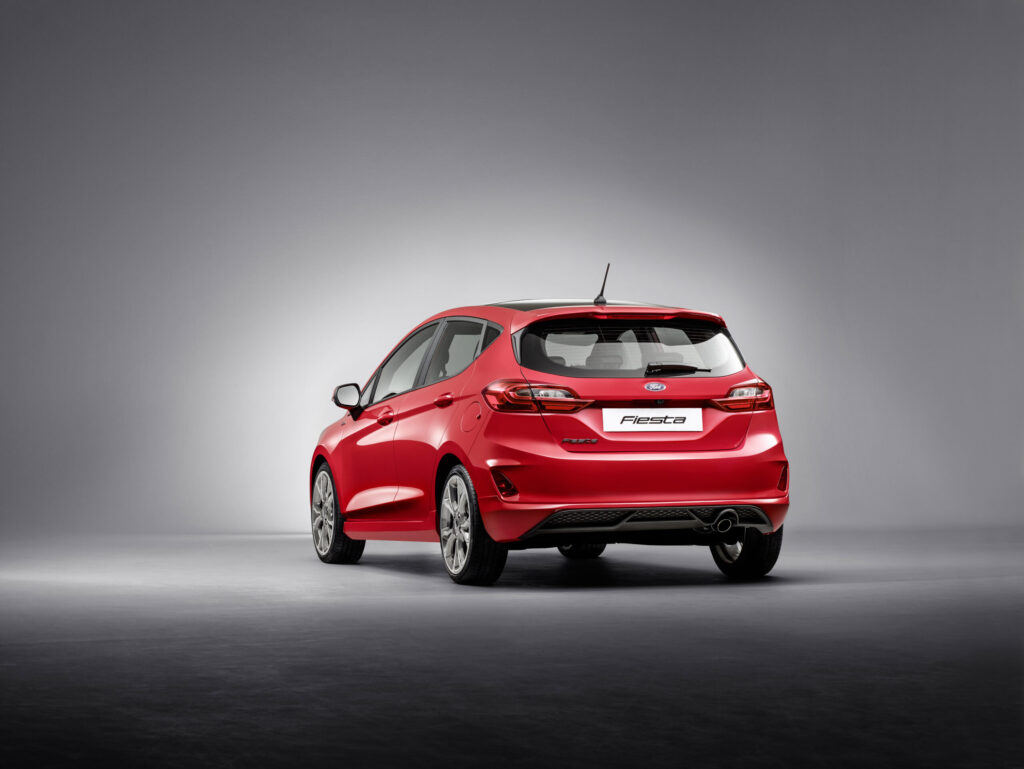
A clogged diesel particulate filter is not a technical defect but often a usage problem. Short city journeys make the situation worse. The filter becomes saturated with soot particles. The engine does not stay warm long enough to clean itself automatically. This occurs especially frequently with models such as the Ford Fiesta diesel for city dwellers and short‑stay parkers. How much will a clogged diesel particulate filter cost you and what can you do yourself?
What is a diesel particulate filter and why does it get clogged?
The diesel particulate filter, also called diesel particulate filter (DPF), captures harmful soot particles from the exhaust gases. When the engine gets warm enough and runs for a longer period, the filter cleans itself. This process is called regeneration. During regeneration, the soot particles are burned off into ash.
With many short trips, the engine never reaches this regeneration temperature. Soot builds up and the filter becomes saturated. Driving style is often the cause. Underlying engine problems can also cause clogging. Faulty EGR valves (part of the exhaust system that feeds exhaust gases back to the engine), injectors, turbo control or sensors cause extra soot production and speed up the clogging.
Most diesel cars regenerate automatically when the conditions are favourable. If the filter is already too full, this is no longer possible and a warning light appears on the dashboard.
Recognisable symptoms of a clogged diesel particulate filter
A clogged diesel particulate filter gives off various signals. Many owners first notice loss of power and reduced pulling power. The car responds more slowly and acceleration feels heavy.
Common symptoms are:
- Loss of power and sluggish acceleration
- Warning light or DPF warning on the dashboard
- Higher fuel consumption
- Black smoke from the exhaust
- Strong diesel smell
- Limp mode or poor throttle response from the engine
Strikingly, the warning light does not always come on immediately, even when the filter is already causing problems. Some cars only show a warning when the clogging is far advanced. This makes it important to stay alert to other symptoms.
What are the consequences of a clogged diesel particulate filter?
Continuing to drive with a clogged diesel particulate filter leads to more problems than just loss of performance and higher consumption. The engine repeatedly tries to regenerate, causing the system to get very hot. This increases the risk of damage to the filter itself and to surrounding components.
With prolonged clogging, engine oil can also become contaminated. During forced regeneration attempts the engine injects extra fuel, which can end up in the oil. This dilutes the engine oil and affects its lubricating capacity, which can in the long run cause engine damage.
In more serious cases, the car switches to limp mode. The engine then limits power to prevent further damage. If you keep driving without taking action, you risk expensive repairs to the turbo, injectors or even the engine.
How do you clean a diesel particulate filter instead of replacing it?
With light clogging you can take action yourself. The most accessible method is a regeneration drive (a longer drive during which the diesel particulate filter can burn itself clean). Drive for about 20 to 30 minutes on the motorway at a constant speed and with sufficient revs. This makes the exhaust hot enough to clean the filter automatically.
Avoid only short city trips in the period afterwards. It is precisely longer journeys with higher engine load that help to get the filter hotter and prevent clogging. Some cars also offer manual regeneration via the infotainment system or menu options; check the owner’s manual for this.
With stubborn light contamination, a DPF cleaner (cleaning agent for the diesel particulate filter) or diesel additive can help. You add these products to the fuel tank. They lower the combustion temperature of soot, allowing the filter to regenerate more easily. This works mainly with early‑stage clogging and not with heavily saturated filters.
If the clogging is already too advanced, professional cleaning is necessary. A garage can remove the filter and clean it chemically or thermally. This is generally more effective than additives and cheaper than replacement.
‘ In that case, replacing the filter does not solve anything and the problem will return. ’
When should you replace the diesel particulate filter?
If the filter is so badly damaged or clogged that cleaning no longer helps, replacement is needed. This can happen after years of saturation or when the filter has been affected by overheating. For filters that have already been cleaned several times, the moment can also come when their capacity is permanently lost.
Have a garage carry out diagnostics first to determine whether replacement is really necessary. Sometimes the problem turns out to lie with other components, such as the EGR valve (valve that sends exhaust gases back into the engine) or injectors. In that case, replacing the filter does not solve anything and the problem will return.
Most filters last 150,000 to 250,000 kilometres under normal use. However, with diesel cars that mainly do many short journeys, the lifespan can be considerably shorter. Regular checks and maintenance of the entire exhaust system help the filter to last longer.

How much does it cost to replace a diesel particulate filter?
The costs for diesel particulate filter maintenance range from a few hundred to more than 2,000 euros. Professional cleaning usually costs around 500 euros, depending on the type of filter and labour time. This is considerably cheaper than replacement.
For replacement you should count on at least 1,000 euros, but this can increase to 2,000 euros or more for more expensive models or complex installation. The price depends on the make, the design of the filter and the mechanic’s labour time.
Acting in time saves hundreds to well over a thousand euros. If you regularly drive long distances and have any underlying engine problems repaired immediately, you can prevent costly repairs and keep the filter in good condition for longer.
Practical tips to prevent diesel particulate filter problems
Prevention is the best approach for diesel particulate filter problems. Regularly drive a long trip on the motorway or an out‑of‑town road instead of only short stretches through the city. This helps the engine reach operating temperature and clean the filter automatically.
Also keep an eye on the engine oil level. Regeneration can cause extra fuel injection, which temporarily raises the oil level. Always use the correct low‑SAPS engine oil, because the wrong oil produces extra ash and causes the filter to saturate more quickly.
If problems keep coming back, have not only the diesel particulate filter checked, but also the EGR valve, injectors, turbo and sensors. An underlying engine problem can cause repeated clogging, even after cleaning or replacing the filter.
Do not ignore a warning light. Persistent problems can cause damage to the filter or other engine components. Have the car checked at a garage as soon as possible to read out the fault codes, identify the cause and prevent further damage.
‘ This does not mean that diesel cars are unsuitable for city use, but it does mean that conscious driving behaviour is necessary. ’
Why do diesel cars suffer more from clogged filters?
Modern diesel engines are equipped with strict emission controls. The diesel particulate filter is required to meet environmental standards. This makes the engine cleaner, but also more sensitive to certain driving patterns.
Those who mainly make short trips do not give the system enough time to regenerate. With older diesels without a particulate filter this was not a problem, but modern cars depend on regular heat and load to keep the filter in good condition.
This does not mean that diesel cars are unsuitable for city use, but it does mean that conscious driving behaviour is necessary. A longer weekly trip or occasionally driving at higher revs can already be enough to reduce early‑stage clogging and keep the filter healthy.

Discover more about car problems and maintenance
A clogged diesel particulate filter is just one of the many topics that car owners have to deal with. On the Carnews website you will find extensive information about common car problems, maintenance advice and tips for different makes and models. Discover more and stay up to date with everything you need to know as a car enthusiast.
Frequently asked questions
Signs of a clogged diesel particulate filter include loss of power, reduced pulling power and a noticeably higher fuel consumption. A fault or DPF warning light will often come on and the car may go into limp mode or respond poorly to throttle input. You may also see black smoke from the exhaust and notice a strong diesel smell.
A diesel particulate filter usually becomes clogged because of many short journeys where the engine and exhaust system do not get hot enough to burn the filter clean automatically. Underlying problems such as a poorly functioning EGR valve, worn injectors, turbocharger or sensor faults can also produce extra soot and contaminate the filter. You can prevent this by regularly driving longer journeys at motorway speeds so that the filter can regenerate, and by having the car properly maintained (EGR, injectors, turbo, sensors). In addition, use the prescribed engine oil (preferably low‑SAPS) to limit extra ash formation in the filter.
Yes, a clogged diesel particulate filter clearly affects both performance and fuel consumption of your diesel. You will often notice less pulling power, an engine that picks up poorly and sometimes even limp mode. Fuel consumption will also increase because the engine has to “work” harder and tries to regenerate more often. Have the diesel particulate filter and the cause of the clogging checked in time to prevent further damage and higher costs.
With a light clogging you can try to clean the diesel particulate filter yourself by taking a longer drive (20–30 minutes) at motorway speed and, if necessary, adding a suitable DPF cleaner to the diesel. If the problem keeps returning, the warning light comes on or the car goes into limp mode, professional diagnosis and cleaning are necessary. Removing the filter yourself and cleaning it mechanically is not recommended because of the complexity and risk of damage. Driving too long with a heavily clogged filter can also lead to expensive engine or turbo damage.
A clogged diesel particulate filter that is not fixed can lead to loss of power, higher fuel consumption and the engine switching to limp mode. Repeated failed regenerations can cause exhaust gas and engine temperatures to rise sharply, resulting in extra wear and possible engine damage. In the long term, the filter can become irreparably damaged and will have to be replaced, which quickly costs around or above one thousand euros. In addition, continuing to drive with a clogged filter can damage other components such as the turbo, EGR valve and sensors, further increasing the total repair costs.