
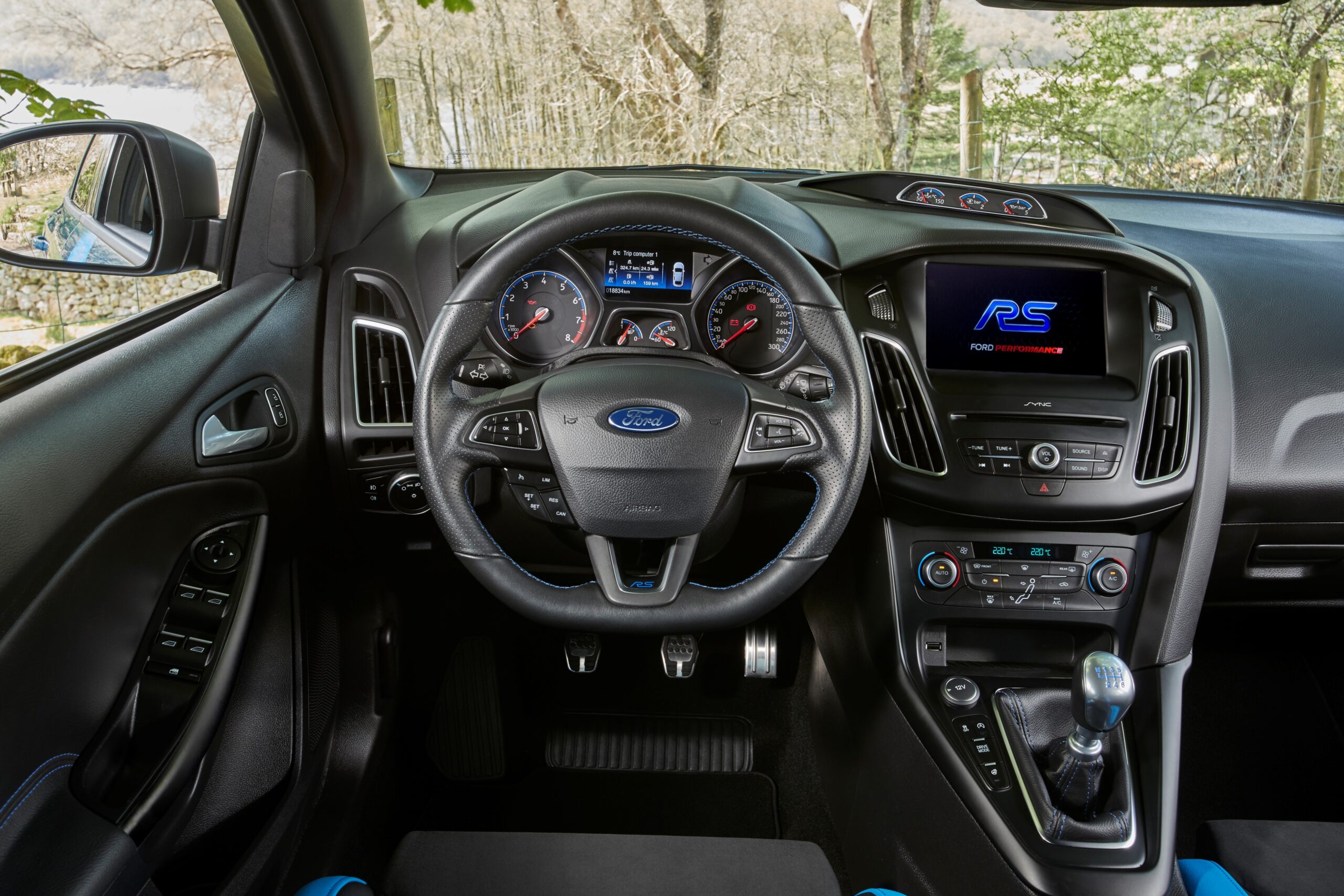
The Ford Focus regularly suffers from clutch and gearbox problems, especially models from 2011 onwards. These issues occur frequently in both manual and automatic transmissions and lead to costly repairs and reduced driving comfort. In this article, you will discover which symptoms to expect, what the causes are and how best to tackle these problems.
Why the Ford Focus clutch wears out faster
Many owners report that the clutch on their Ford Focus shows signs of wear much earlier than average. This occurs mainly in models with the 1.0 EcoBoost or 2.0-litre engine with a manual gearbox. The clutch often does not disengage fully, which makes gear changes difficult and accelerates wear.
The cause usually lies in the design of the hydraulic system or the clutch cable. At higher mileages, the pressure plate or slave cylinder wears out, causing the clutch plate to keep spinning with the engine. This leads to clutch drag, where pressing the pedal does not provide sufficient release. Urban driving with frequent gear changes speeds up this process considerably.
The problem is often made worse by too much play in the pedal mechanism. Check this by measuring the free play in the clutch pedal. If there is more than a few centimetres of play, adjustment or replacement is required. This simple check can save you a lot of repair costs.
Recognisable symptoms of a worn clutch
A worn clutch gives off clear signals. Recognising these symptoms early prevents you from breaking down at the roadside. The most common signs are:
- Grinding or rattling noise when pulling away in low gears, especially around 2000 rpm
- Difficulty changing gear, with the gearbox refusing to come out of first gear or go into reverse
- Clutch drag where pressing the pedal does not help and the plate keeps turning
- Unable to change gear despite the pedal being fully depressed
- Burning smell when pulling away or in traffic jams
The grinding noise is usually caused by worn synchroniser rings in the gearbox. Pay attention to when the noise occurs: before or after pressing the pedal. This helps to locate the problem. Test this both when stationary and while driving.
Gearbox complaints with manual models
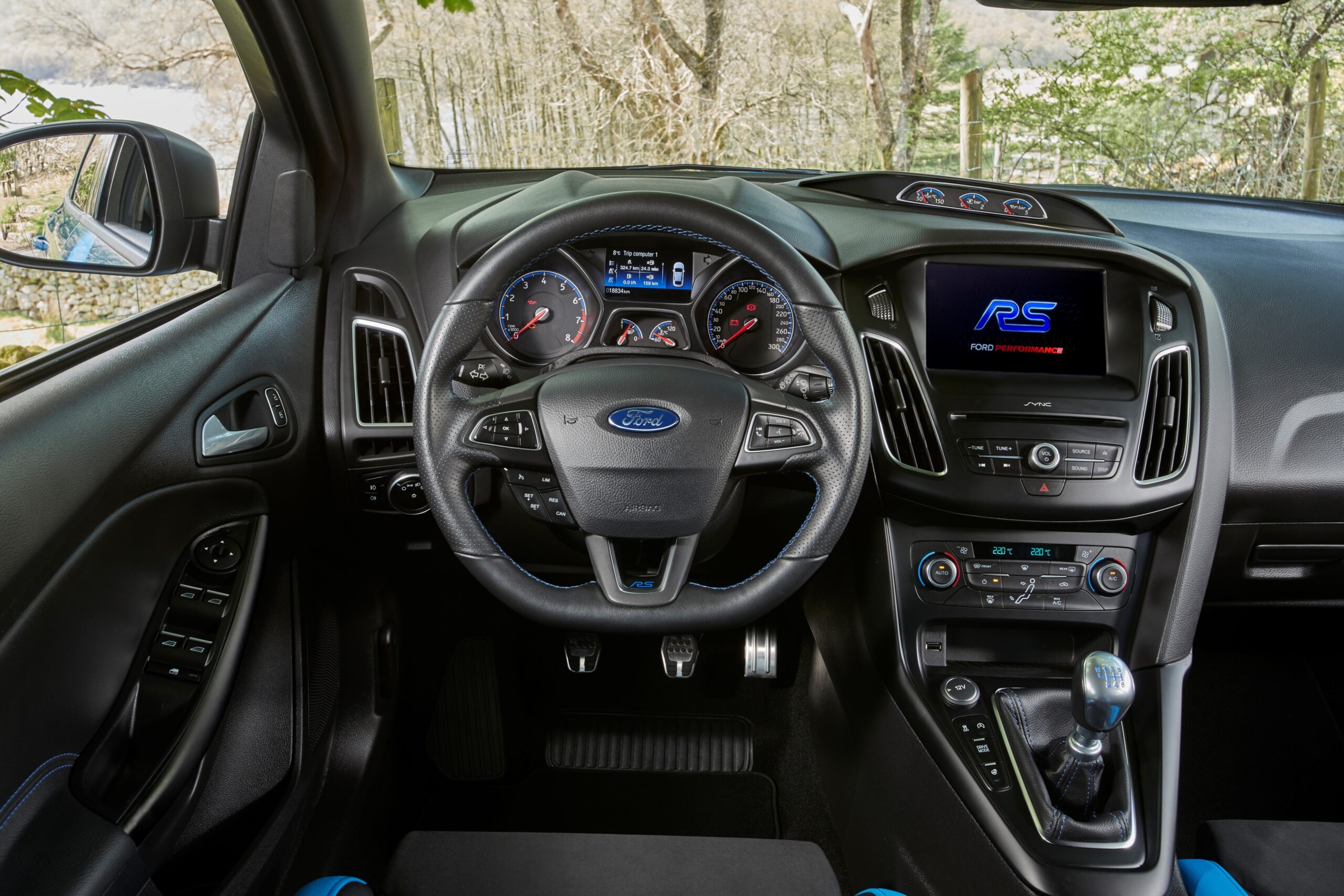
In addition to clutch problems, Ford Focus owners regularly experience issues with the gearbox itself. This manifests as intermittent shifting problems where the gearbox sometimes refuses to change gear. The problem often occurs unpredictably, which makes diagnosis more difficult.
Possible causes are too low a fluid level, the use of the wrong type of transmission oil or adjustment problems with the gear cables. You should therefore regularly check the oil level and use only Ford-approved transmission oil with the correct viscosity. The wrong oil can damage the internal components and cause difficulty when changing gear.
A practical tip for a gear that is stuck: keep the clutch pedal depressed and try to change gear while letting the engine revs drop or slightly increase. This synchronises the rotating parts in the gearbox with each other, making it easier for the gear to engage. This can help temporarily to get the gearbox into gear again before visiting the garage. It saves diagnostic costs if you can describe the problem clearly.
The automatic PowerShift transmission and its problems
Ford Focus models with the automatic PowerShift transmission (a dual-clutch automatic) are notorious for their technical problems. This transmission combines two clutches to shift quickly and efficiently, but it regularly shows faults that manifest as jerky shifting, vibrations and sometimes complete failure. The problems often start at relatively low mileages.
The PowerShift technology combines the comfort of an automatic with the efficiency of a manual gearbox, but in practice the design turns out to be prone to wear. The dual clutch wears out faster than expected, especially with a lot of stop-and-go traffic. This leads to expensive overhauls or even complete replacement of the transmission.
Owners also report software issues that affect the operation of the PowerShift. A software update at the dealer can alleviate some complaints, but does not always solve the underlying mechanical problems. When buying a used Ford Focus, always ask about the service history of the transmission.
‘ Preventive maintenance can postpone these costs. ‘
Costs of clutch replacement
Clutch replacement is not a cheap repair. The costs vary depending on the model, the specification and the labour rates of the garage. For a Ford Focus, you should expect an amount between €800 and €1500 for a complete clutch kit including fitting.
The price is mainly determined by the labour hours. The gearbox has to be completely removed to access the clutch, which takes four to six hours of work. On this occasion, it is sensible also to have the flywheel checked. A worn flywheel significantly speeds up the wear of the new clutch.
Preventive maintenance can postpone these costs. Preferably replace the clutch between 100,000 and 150,000 kilometres, depending on your driving style. Those who often drive in the city or regularly carry heavy loads should reckon with the lower end of this range. Always use original parts or high-quality equivalents for optimum service life.

Manual or automatic: which is more reliable
The question of reliability between manual and automatic Ford Focus models has a clear answer. Despite the clutch problems with manual versions, these transmissions are generally more reliable than the automatic PowerShift variant.
Manual models do suffer from faster clutch wear, but this is usually predictable and relatively affordable to repair. The PowerShift automatic, on the other hand, struggles with more fundamental design flaws that lead to more expensive and complex repairs. Overhauling a PowerShift transmission quickly costs twice as much as replacing a clutch.
For those specifically considering a Ford Focus, the manual version is therefore the more sensible choice. Accept that you may need a new clutch at around 120,000 kilometres and factor this into your maintenance budget. This is still cheaper than the unpredictable costs of an automatic transmission.
Practical tips to prevent problems
Good maintenance and conscious driving can delay or even prevent clutch and gearbox problems. Regularly check the transmission fluid level and replace the oil in line with Ford’s service schedule. This is especially important for high-mileage models.
While driving, pay attention to early signs of wear. A change in gearchange behaviour with a cold engine may indicate emerging problems. Then deliberately test how the gearbox responds in different gears. Early intervention often prevents a small adjustment from turning into a complete gearbox overhaul.
If in doubt, always have a technical inspection carried out by a specialist garage familiar with Ford models. They can use specific equipment to check whether any error codes have been stored in the on-board computer and assess the condition of the clutch and transmission. An investment of a few tens of euros for a thorough check may save you hundreds of euros in repairs.
‘ as well as the Ford Focus, the Ford Fiesta and Kuga also suffer from PowerShift-related complaints, while older models such as the Mondeo are known instead for problems with manual transmissions. ‘
Discover more about Ford and car problems
Clutch and gearbox problems are only part of the technical challenges that car owners face. On the Carnews website, you will find extensive information on common car problems across different makes and models. For those who want to read more: as well as the Ford Focus, the Ford Fiesta and Kuga also suffer from PowerShift-related complaints, while older models such as the Mondeo are known instead for problems with manual transmissions.
Frequently asked questions
You can recognise early clutch or gearbox problems by grinding or rattling noises while changing gear, especially in low gears around 2000 rpm. You will also notice that the car sometimes struggles to go into or out of first gear or reverse. In addition, the clutch may “drag”: even with the pedal fully depressed, drive is still partially engaged, making gear changes stiff or impossible. If these complaints keep returning, it is sensible to have the clutch, hydraulics and transmission oil checked.
Drive as much as possible with mechanical sympathy: avoid prolonged slipping of the clutch, do not rest your foot on the clutch pedal and do not use full throttle at low revs in a high gear. Have the transmission oil changed according to schedule using the specified type and regularly check for leaks. Shift calmly and fully (clutch fully depressed, gear clearly engaged) and never force a gear if it resists. If you notice changes in pedal feel, grinding or difficulty in changing gear, have the clutch and controls (hydraulics/cables) checked immediately to prevent consequential damage.
Clutch and gearbox problems mean that engine power is not transferred to the wheels efficiently or smoothly, which noticeably worsens acceleration. Gearchange moments become slower and unpredictable and are often accompanied by grinding or refusal to engage, which greatly reduces the sporty character and driving pleasure. With clutch drag or poor disengagement, the car can pull away jerkily and quick, precise gear changes become almost impossible. In the long term, these problems can lead to additional wear, higher repair costs and reduced reliability during dynamic driving.
Small, external checks such as checking pedal free play, checking and if necessary topping up the transmission oil and listening to exactly where the noise is coming from can often be done by an experienced DIY mechanic. You can also try simple adjustments to the clutch pedal or cable yourself, provided you really know what you are doing and have the correct documentation. As soon as the clutch no longer fully disengages, the gearbox grinds or refuses to go into or out of a gear, or there are internal rattling noises from the gearbox, a professional mechanic is essentially indispensable. Jobs such as replacing the clutch, slave cylinder or overhauling a gearbox require specialist tools, experience and safety knowledge and belong in the workshop.
Popular aftermarket upgrades include reinforced or sport clutches (organic, ceramic or sintered metal), lightweight flywheels, short-shifters, reinforced synchromesh/gear sets and limited-slip differentials (LSDs). Advantages include greater torque and power reserves, faster and more direct shifts, better heat resistance and more traction during spirited driving or tuning. Disadvantages often include a heavier or on/off-style clutch feel, more noise and vibration, increased wear to driveline components and clearly reduced driving comfort in city traffic. In addition, the costs and sometimes shorter service life (with extreme race setups) are important downsides.