
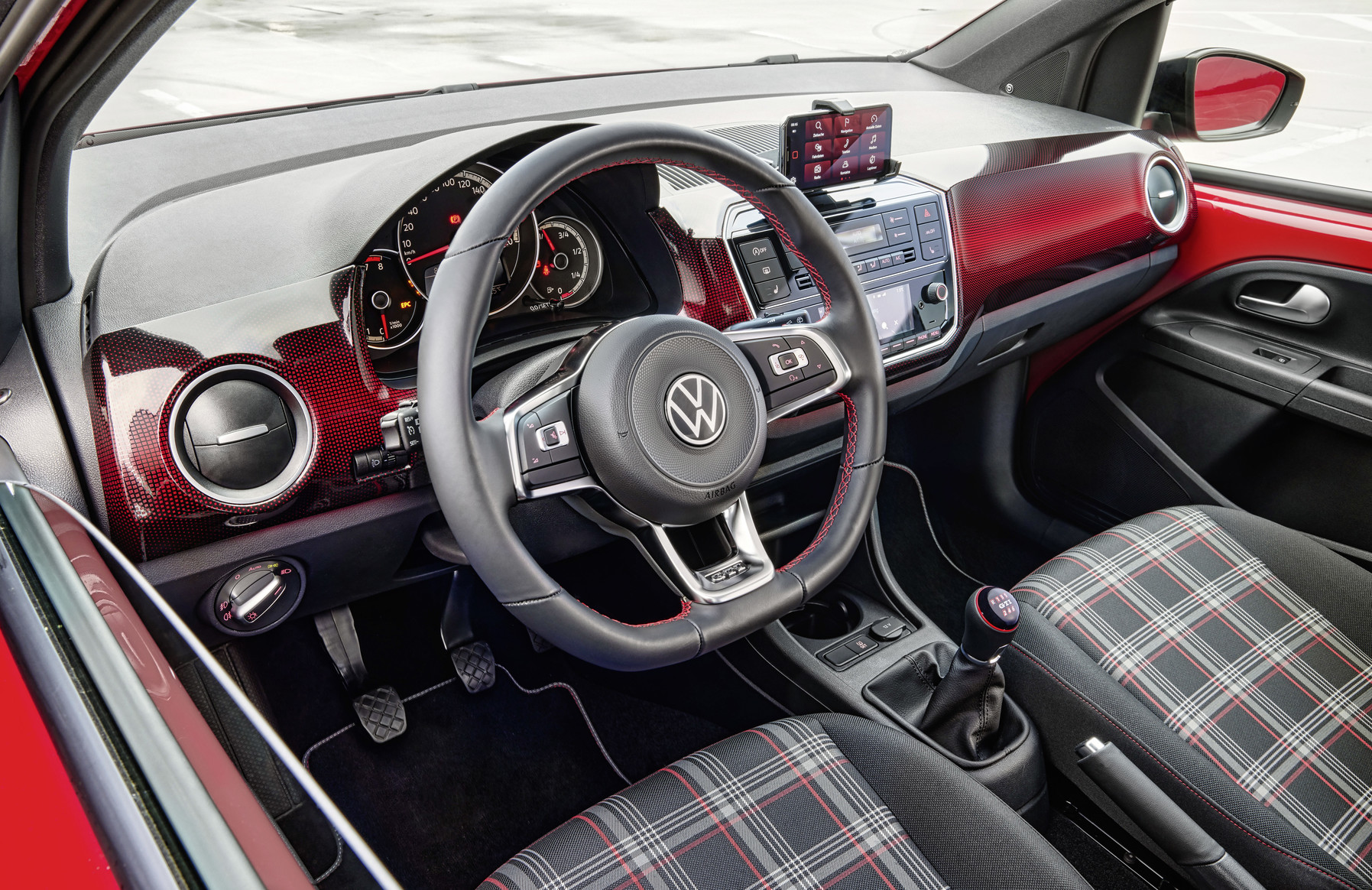
Wear to the clutch of the Volkswagen Up! regularly causes difficult gearchange problems. This happens mainly after 80,000 to 120,000 kilometres. Difficulty changing gear, a pedal that sticks, or a slipping clutch are familiar complaints. These often lead to replacement of parts. Sometimes an overhaul of the gearbox is even necessary. Do you want to know what the causes are and how to tackle these problems?
Recognisable symptoms of clutch wear
Clutch problems in the Volkswagen Up! show up in different ways. You often notice it from changes in the gearshift. The clutch pedal can also respond differently. These symptoms point to wear or defects. It is often the hydraulic components that are affected.
The most common complaints are:
- Slipping clutch: your car does not accelerate properly at high revs. This happens especially when pulling away.
- Pedal that sticks to the floor: the clutch pedal hangs down. It does not return.
- Stiff pedal: difficulty changing gear due to a seized pivot point
- No resistance when you accelerate: can indicate a defective slave cylinder or master cylinder
These problems occur more often with intensive use in city traffic. In town you use the clutch a lot. Brake fluid leaks around the bell housing (the housing of the clutch and transmission) are also a clear sign that the slave cylinder is failing.
‘ Leaks in the slave cylinder occur regularly. ’
Why the clutch of your VW Up does not change gear smoothly
Difficulty changing gear is usually related to hydraulic problems. Mechanical wear also plays a part. The Volkswagen Up! uses a manual gearbox with hydraulic operation. The slave cylinder and master cylinder play a central role in this. These are hydraulic auxiliary cylinders of the clutch.
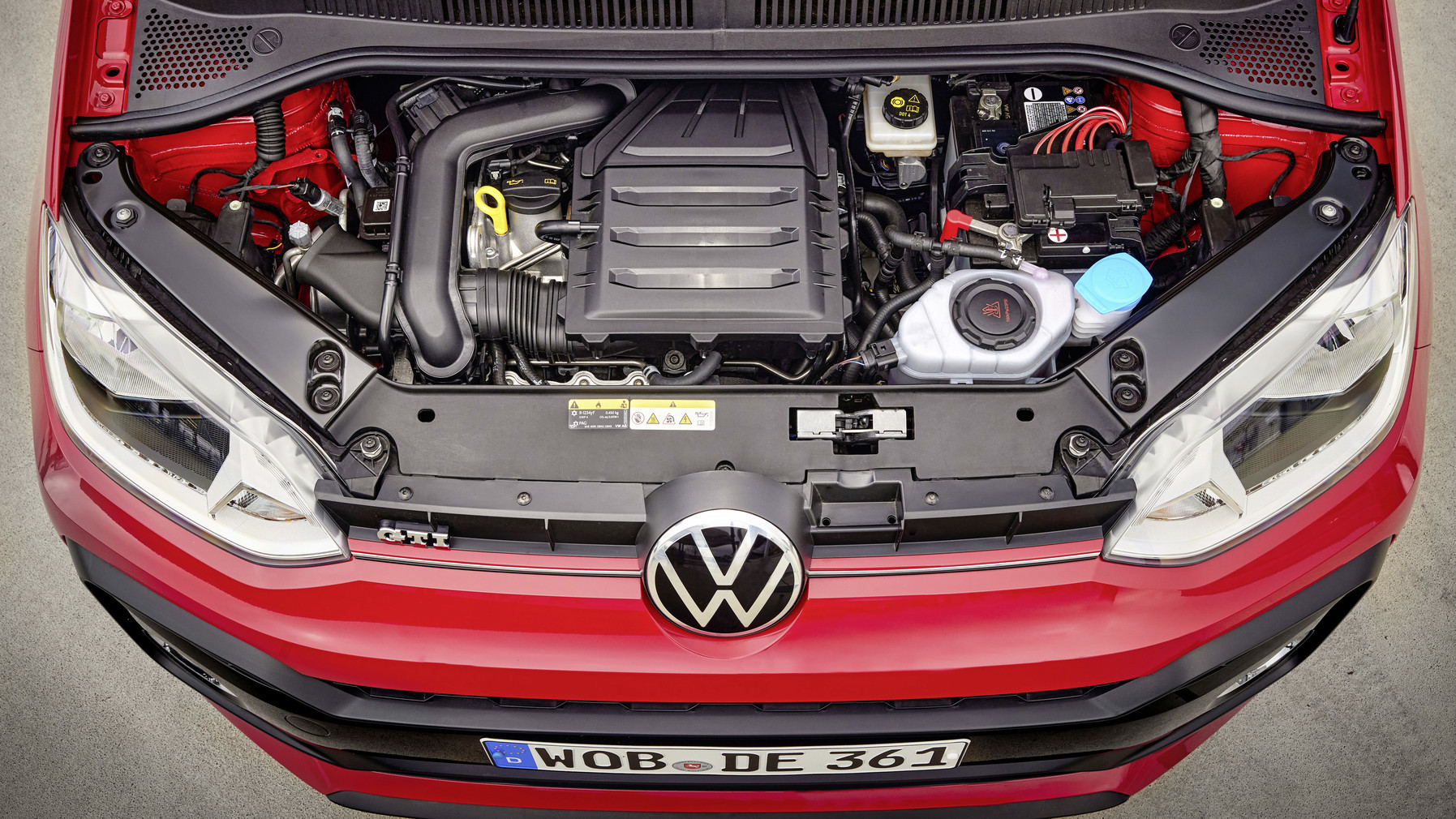
Leaks in the slave cylinder occur regularly. This happens mainly after five to seven years of use. On the five-speed gearbox this cylinder is mounted externally. It is then fairly accessible. On the six-speed gearbox it is mounted internally. This makes the repair more labour-intensive. Brake fluid can leak around the transmission. The slave cylinder is then usually defective.
A sticking pedal is often caused by rust or dirt. This contamination sits on the pivot bolts of the pedal. Sometimes you can loosen the bolt. Then clean it. Then lubricate it with penetrating oil. This sometimes solves the problem easily. Air in the hydraulic system also causes problems. The pedal then becomes stiff. Changing gear also becomes difficult.
Mechanical wear of the clutch plates leads to a slipping clutch. The pressure springs can also wear. You see this in poor acceleration. The engine runs at high revs, but the car does not pick up speed. Worn input shaft bearings (bearings on the input shaft of the gearbox) can also cause gearchange problems. Incorrect shim thicknesses (spacer rings that set the play) also cause problems.
How often should the clutch of a Volkswagen Up be replaced
The lifespan of a clutch strongly depends on your driving style. The operating conditions also play a role. Many owners report clutch problems between 80,000 and 120,000 kilometres. In intensive city traffic with a lot of pulling away and changing gear the clutch wears faster. With mainly motorway driving it lasts longer.
The slave cylinder often fails before the clutch itself. This usually happens after five to seven years. You then notice symptoms of leakage or a sticking pedal. First check the hydraulic components. After that you can see whether the whole clutch needs to be replaced.
Regular maintenance helps extend the lifespan. In practice this means checking hydraulic components and fluid levels. Replace the brake fluid in the hydraulic system every two years. This helps prevent leaks and faults. Monitor the behaviour of your pedal. Pay attention to changes in resistance. Also pay attention to changes in the gearshift.
What to do if the clutch in your Volkswagen Up is slipping
A slipping clutch calls for action. Act quickly. You notice that the car does not accelerate properly despite high revs. First check whether there is wear on the clutch plates. You cannot solve this problem with small repairs. Clutch replacement is usually necessary.
First check whether there are hydraulic problems. Do this before you proceed to replacement. Leaks in the slave cylinder can cause slipping symptoms. Leaks in the master cylinder have the same effect. Look under the bonnet for signs of brake fluid. Also check around the bell housing.
Replacement is needed. Preferably replace the complete clutch kit. This consists of plate, pressure plate and bearing. If there are leaks at the cylinders, replace the slave and master cylinder at the same time. Otherwise the new cylinder will fail quickly. This is due to the load from the old components.
‘ Ideally leave this work to a specialist. ’
Practical tips for diagnosis and maintenance
You can carry out a few checks yourself. Then go to the garage if that turns out to be necessary. Start with a visual inspection around the bell housing. Also check under the bonnet. Brake fluid is visible at the transmission. This points to a defective slave cylinder.
Test the pedal. Press it several times. Does it keep sticking? Does it feel stiff? Then check the pivot bolt at the top of the pedal. This is a 13 mm bolt. You can loosen it. Clean it. Lubricate it. This simple action often resolves stiff pedals. You then do not need expensive parts.
There are air bubbles in the hydraulic system. In that case bleed the system with DOT 4 fluid (brake fluid to DOT 4 specification). Use a vacuum bleeder (a device that uses negative pressure to suck air out of the system) for the best result. This gives the most reliable outcome. Check whether the fluid level in the reservoir is at the correct level. Check this regularly.
A full clutch replacement takes time. Allow for at least six hours of repair time. The tight access to the slave cylinder makes this job labour-intensive. Security bolts (special bolts with an anti-theft head) also make the work more difficult. Ideally leave this work to a specialist. Choose someone who knows the Volkswagen Up! well.
When to go to the garage
Some problems are easy to solve at home. With persistent complaints professional help is needed. You should also go to a garage for serious symptoms. Go to the garage if the pedal is completely stuck. Also go to a specialist if there are clear leaks. If the clutch keeps slipping despite checks, seek professional help.
If you have an automatic with a dry dual clutch, software updates may also be necessary. Diagnosis with an OBD tool (a diagnostic device that you connect to the car) helps to trace problems. Sensor faults become visible this way. You can also track glitches (temporary software faults) with it. A dealer can reset the basic settings after repairs. A specialist garage can also do this.
If there are hydraulic leaks, always ask for replacement of both the slave cylinder and the master cylinder. This is an important measure. It prevents new problems shortly after the repair. Once the repair is completed, check that the clutch changes gear smoothly. Also check that the pedal returns normally.
Costs and parts
The costs for clutch repair vary. The nature of the problem determines the cost. Replacing only the slave cylinder costs a few hundred euros, including labour. A complete clutch kit with fitting costs more. This quickly adds up to a thousand euros or more.
If the gearbox also has to be overhauled, the costs rise significantly. A full overhaul requires six to eight hours of labour. Allow for this. Access to the components is limited. The transmission also has to be removed. This explains the long labour time.
Ask for a clear quote in advance. This should include a specification of the parts to be replaced. Check this beforehand. Make sure the garage uses quality parts. These must match Volkswagen’s specifications. This prevents premature wear. It also prevents new problems arising.
On the Carnews website you will find more information about maintenance. You will also find articles about common problems. In addition there are practical tips for different car brands. Discover useful articles about transmissions. You will also find information about engine problems. Carnews offers many more topics for car enthusiasts.
Frequently asked questions
The most common symptoms are a slipping clutch, where the engine revs high but the car accelerates poorly, especially when pulling away. In addition, a clutch pedal that stays on the floor or feels stiff and does not return properly occurs frequently. There can also be little or no resistance on the pedal, resulting in slipping when you accelerate.
The underlying causes of clutch problems in the Volkswagen Up! are mainly wear of the clutch plates and pressure plate, hydraulic faults in the slave and master cylinder and sometimes sticking or poorly lubricated clutch pedals or pivot points. Leaks in the hydraulic system and rust/dirt on moving parts also play a role, especially with intensive city driving. Problems often occur after around 80,000–120,000 km or after 5–7 years of use. In the available information no specific model years are mentioned that are demonstrably affected more often.
Early signs of clutch wear in a Volkswagen Up! include a slipping clutch (high revs but little acceleration), a pedal that sticks or returns stiffly, and difficulty changing gear smoothly. No or little pedal resistance and slipping when you accelerate can also indicate problems with the slave or master cylinder, often visible as brake fluid leakage around the gearbox. If you act in time, sometimes it is enough to lubricate the pedal mechanism or bleed/replace hydraulic components, which costs a few hundred euros. A full clutch replacement (clutch kit + labour, 6+ hours of work) is generally in the region of roughly €700–€1,200, depending on the workshop and version.
There are limited specific “upgrades” available for the Up!; in most cases you improve durability by fitting a complete quality clutch kit (plate, pressure plate and release bearing) from a premium brand instead of replacing only the plate. You further extend the lifespan mainly through preventive maintenance: replacing the slave and master cylinder in good time or together, renewing the brake/clutch fluid every two years, and keeping the clutch pedal mechanism clean and lubricated. An experienced specialist can sometimes fit a slightly stronger aftermarket clutch, but this often comes at the expense of operating comfort. Therefore seek proper advice from a VAG specialist who knows the correct specifications for your type of Up!.
During the test drive and inspection, look for a slipping clutch (high revs, little acceleration), a heavy, stiff or poorly returning clutch pedal and audible noises when changing gear. Check around the gearbox and under the bonnet for signs of brake/hydraulic fluid, which may indicate a leaking slave or master cylinder. Ask about the service history: has the clutch ever been replaced and has the brake/clutch fluid been renewed in recent years? Avoid cars with clearly noticeable difficulty changing gear or pedal problems, as this may indicate expensive upcoming repairs.