
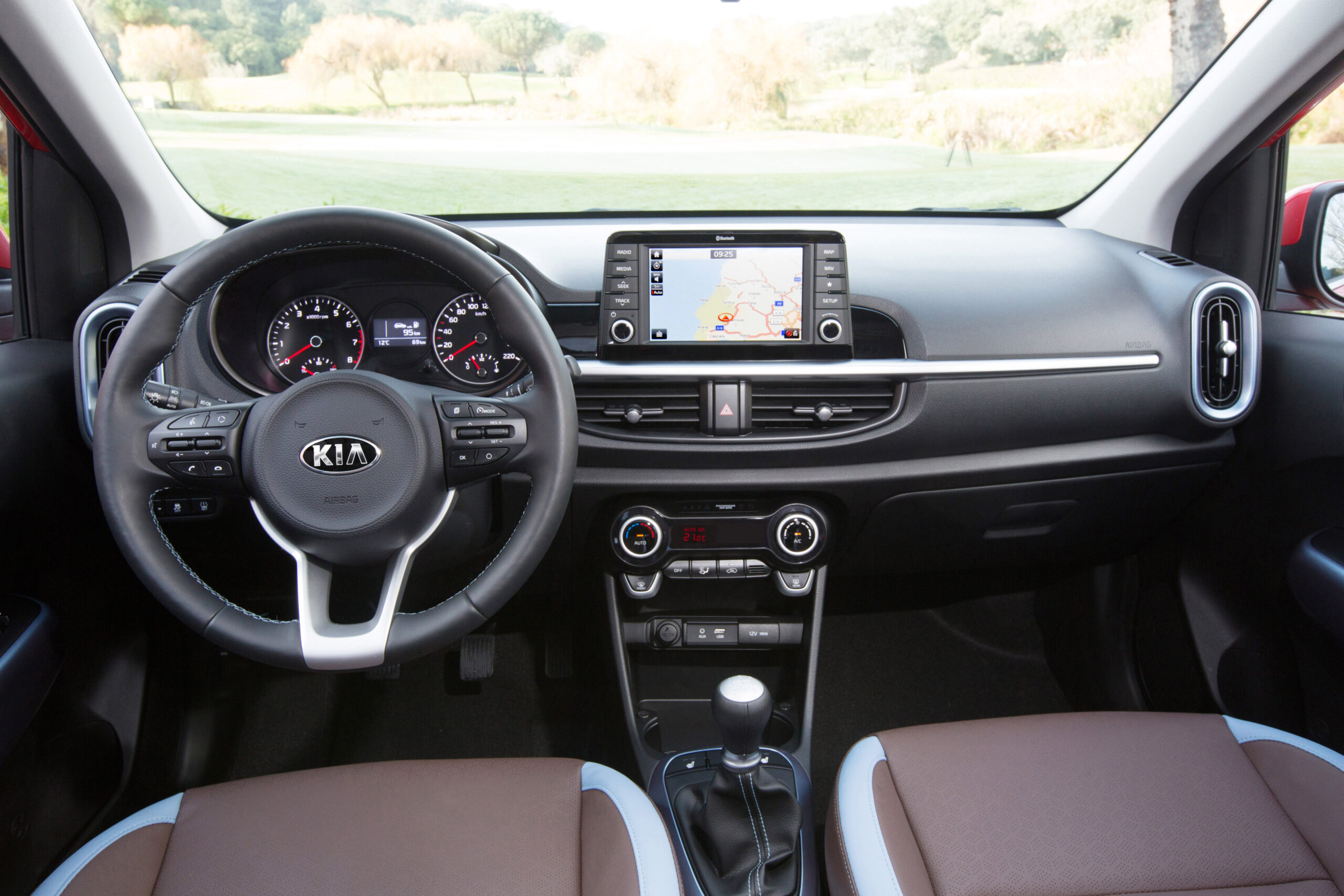
The clutch of the Kia Picanto wears out faster than you would expect from a modern car, especially in city traffic. Many owners notice the first signs of wear after just 50,000 kilometres, while other clutches will easily last 150,000 kilometres. The small engine and frequent gear changes in town make this compact model extra sensitive to clutch problems. Do you recognise the warning signs in time?
Why does the clutch wear faster in the city?
The Kia Picanto was designed as a compact city car with a relatively small engine output. This means that the clutch has to work harder to get the car moving from a standstill. In town this happens dozens of times per trip, especially in traffic jams and at traffic lights. Every time you pull away, the clutch plates rub against each other, and that causes wear.
On motorway journeys the clutch remains largely engaged, which puts it under far less stress. That is why Picantos that mainly drive on motorways can sometimes cover more than 200,000 kilometres on the same clutch. For city drivers, however, the average lifespan lies between 50,000 and 100,000 kilometres. The low torque of the small engine means that, if you pull away carelessly, the clutch will start to slip and burn more quickly.
Driving style plays a major role in this. If you release the clutch smoothly and coordinate throttle and clutch properly, you reduce wear. Slipping starts where the engine revs high while the clutch is not yet fully engaged will speed up wear significantly.
Signs that the clutch is wearing out
You can recognise a slipping clutch because the engine revs higher than normal, but the car accelerates more slowly. You notice this especially when pulling away in higher gears or on an incline. The engine responds to the accelerator pedal, but the power does not fully reach the wheels.
Other symptoms are:
- A burning smell during or after driving, caused by burnt clutch plates
- Difficulty changing gear or stiff gear changes between gears
- A clutch pedal that feels heavier or has a higher biting point
- Grinding, humming or squeaking noises when pressing the pedal
You can test yourself whether your clutch is slipping by trying to pull away up a slope in fourth or fifth gear. If the engine revs rise without the car really accelerating, the clutch is slipping. This is a clear sign that replacement will soon be necessary. Do continue driving carefully, though, as complete failure can cause the car to come to a standstill.
When should you replace the clutch?
Only replace the clutch once there is obvious slip or other noticeable symptoms. Minimal wear does not automatically mean it needs replacing, even if the car has already done 100,000 kilometres. Some clutches will easily last 150,000 kilometres or more, so do not let yourself be rushed if there are no specific complaints yet.
With clear slip or other problems, replacement is necessary. Do not wait too long, because a completely worn clutch can suddenly fail. This often happens at the worst possible moment, for example in the middle of traffic. Plan the replacement as soon as you notice the first warning signs.
The average lifespan depends heavily on driving conditions:
- City traffic and traffic jams: 50,000 to 100,000 kilometres
- Mixed use: 100,000 to 150,000 kilometres
- Mainly motorway: 150,000 to 250,000 kilometres
Be aware that exceptionally early wear, for example around 20,000 kilometres, may indicate a factory defect or a fault in the clutch cable. In that case, it is wise to have the dealer check this under warranty.
Clutch cable as the cause of problems
The clutch cable of the Kia Picanto is a known weak point. Due to vibrations and dirt build-up, the cable can start to move stiffly, causing the pedal to feel heavy or the biting point to change. This is often mistaken for clutch wear, while the clutch itself may still be in good condition.
Regularly check whether the cable moves smoothly. You can do this by disconnecting the cable from the fork on the gearbox and testing it by hand. A tight or sticking cable leads to irregular loading of the clutch, which speeds up wear. Some owners secure the cable with a tie-wrap above the battery to reduce vibrations and keep the cable round and flexible.
If the cable needs replacing, have it done at the same time as a clutch replacement. This prevents you from having to pay labour costs again shortly afterwards for removal of the gearbox.
‘ Always have the complete set replaced, even if only the clutch plate appears worn. ’
Costs and advice for replacement
A complete clutch kit for the Kia Picanto, including pressure plate and release bearing, costs from around 389 euros. On top of this come the labour costs, because the gearbox has to be removed to access the clutch. The total amount including fitting is often between 600 and 900 euros, depending on the garage’s hourly rate.
Always have the full kit replaced, even if only the clutch plate appears worn. The pressure plate and bearing have covered the same mileage and may fail soon after a partial repair. You would then pay twice for labour. When replacing the clutch, have the transmission oil changed at the same time, as this is already part of the work.
Ask the mechanic to check the clutch cable and adjust or replace it if necessary. A smooth-operating cable contributes to a longer lifespan of the new clutch and prevents issues with pedal feel. Also discuss any adjustments to the cable mounting to reduce vibrations.
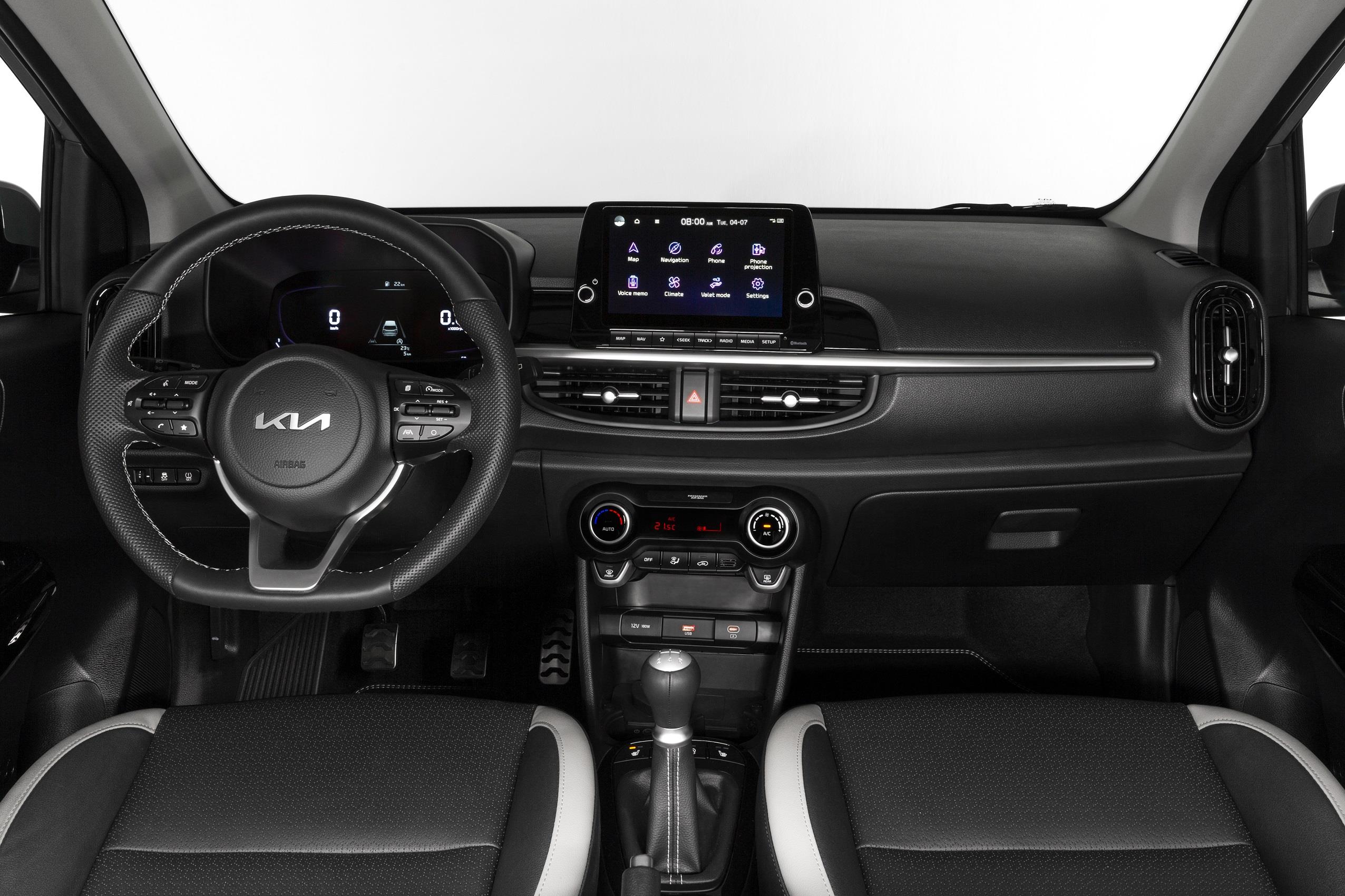
How can you extend the life of the clutch?
Adjusted driving behaviour makes a big difference to the life of the clutch. Always let the clutch come up smoothly and avoid slipping starts where the engine revs high. Apply the throttle gently while releasing the clutch so that the forces are transmitted gradually.
In traffic jams and at traffic lights, preferably leave the car in neutral with the handbrake on instead of holding it on the clutch. This prevents unnecessary load on the release bearing. Also change down to a lower gear on hills or in other situations where the engine has to deliver power, instead of allowing the clutch to slip.
Regularly check the clutch cable for smooth operation and have it lubricated or adjusted if necessary. A well-maintained cable ensures better pedal feel and prevents uneven loading. Also check that the cable is properly secured and not rubbing against sharp edges or hot parts.
What should you do if you are unsure about the clutch?
Are you unsure whether the clutch needs replacing? Then have a test drive carried out by a mechanic who can assess the car. Explain which symptoms you are experiencing, such as a changed biting point, strange noises or sluggish acceleration. An experienced mechanic will often immediately recognise whether it is clutch wear, a cable issue or another fault.
At low mileages under 30,000 kilometres with clear problems, it is sensible to have this checked under warranty. Exceptionally early wear can indicate a manufacturing defect, although normal wear due to driving style is usually not covered by warranty. Document your complaints and driving style carefully in case you need to discuss it with the dealer.
Bear in mind that clutch wear in the Kia Picanto can occur sooner than in larger cars with more powerful engines. This makes it all the more important to recognise the signs quickly and take timely action. Regular maintenance and conscious driving behaviour minimise the risk of problems.
On the Carnews website you will find much more information about common problems with the Kia Picanto and other models. Discover useful maintenance tips, learn to recognise technical defects at an early stage and read about the experiences of other owners. Immerse yourself further in the world of car problems and maintenance.
Frequently asked questions
The first symptoms are usually a slipping clutch: the engine speed rises when you pull away, but the car accelerates slowly, especially in higher gears or on an incline. You may also notice a burning smell when pulling away or accelerating hard. In addition, the clutch pedal may bite higher, feel heavier or develop more free play, and changing gear can become stiffer. You may also hear shrieking, grinding or humming noises when pressing the clutch.
Accelerated clutch wear on the Kia Picanto is mainly caused by lots of city and stop-start traffic with frequent pulling away, slipping starts, low engine torque that puts the clutch under relatively heavy load, and a stiff or vibrating clutch cable. Aggressive driving, unnecessarily holding the clutch at the biting point and ‘riding the clutch’ for long periods also speed up wear. You can prevent this by engaging and disengaging the clutch calmly and fully, avoiding slip as much as possible, not keeping the clutch depressed when stationary and, above all, driving more steady (motorway) kilometres. In addition, have the clutch cable checked and correctly adjusted regularly and secure it properly (for example with a tie-wrap) to limit vibrations and stiff movement.
The average costs for replacing the clutch on a Kia Picanto start at around €389 for a complete kit including labour and changing the transmission oil; at many garages the total usually falls in a range of about €400 to €800, depending on hourly rate and type of parts. There are quality differences in replacement parts: A-brand or OEM clutch kits are generally more expensive but offer better longevity and smoother operation than cheaper aftermarket alternatives. It is usually recommended to replace the complete kit (clutch plate, pressure plate and release bearing) in one go. Cheaper parts can save money in the short term, but may lead to faster wear or less shifting comfort.
The Kia Picanto is not necessarily known as a model with structurally above-average clutch wear, but in practice many owners do experience relatively early wear, especially with intensive city and stop-start use. On forums, Picanto drivers report varying experiences: some clutches last well over 150,000 km, while others had to be replaced at around 50,000 km or even earlier. Many reports mention a heavy or high-biting pedal, slipping clutch and sometimes problems with the clutch cable. In general, driving style (lots of slipping when pulling away) is cited as the main cause, but owners do see the Picanto as more sensitive to this than some larger or more powerful models.
For the experienced DIY mechanic it is important always to replace the complete clutch kit (plate, pressure plate, release bearing) in one go and to renew the transmission oil at the same time. Check and secure the clutch cable properly (on the Picanto often above the battery) so that it does not start to vibrate or move stiffly, and adjust the cable precisely after installation. Pay close attention to the alignment of gearbox and engine when refitting the gearbox to prevent damage to the input shaft or splines. Use solid axle stands and an engine support, because the space in the Picanto is limited and unsafe support is the biggest risk with this type of job.