

Ignition coils in petrol engines of the Volkswagen Sharan regularly fail and cause misfires that make the engine run unevenly. TSI and VR6 engines in particular are susceptible to this problem, which often shows up as hesitation, reduced power and an illuminated Check Engine light. Want to know how to recognise coil problems and what you can do about them?
Recognise the signs of a faulty ignition coil
A failed ignition coil produces clear symptoms that are hard to miss. The engine is difficult to start or runs unevenly, with jerky movements at idle. You immediately notice that acceleration is less smooth and that power drops off. The Check Engine light often comes on, indicating a fault in the ignition system.
When reading out the fault codes, you often see misfires on specific cylinders. Cylinder 3, for example, regularly drops out on Sharan models with a 1.4 TSI or 1.8 TSI engine. You feel vibrations in the steering wheel or an unstable engine speed, caused by misfires. These car problems are something Volkswagen Sharan owners often encounter. The coil then no longer supplies a stable spark to the spark plug.
‘ Early TSI engines from the period 2010–2013 suffer more from coil defects due to high oil consumption and carbon build-up. ’
Why ignition coils fail
Ignition coils wear out due to intensive use, heat and vibrations in the engine. Over time, the insulation around the windings degrades, so the electrical charge is no longer transferred properly. This wear phenomenon often occurs at high mileages, between 150,000 and 200,000 kilometres.
Early TSI engines from the period 2010–2013 are extra prone to coil defects due to high oil consumption and carbon build-up. These factors significantly accelerate wear. Overheating from an engine that gets too hot or from poor wiring makes the problem even worse. This can cause one or more coils to fail, with all the consequences for engine performance.
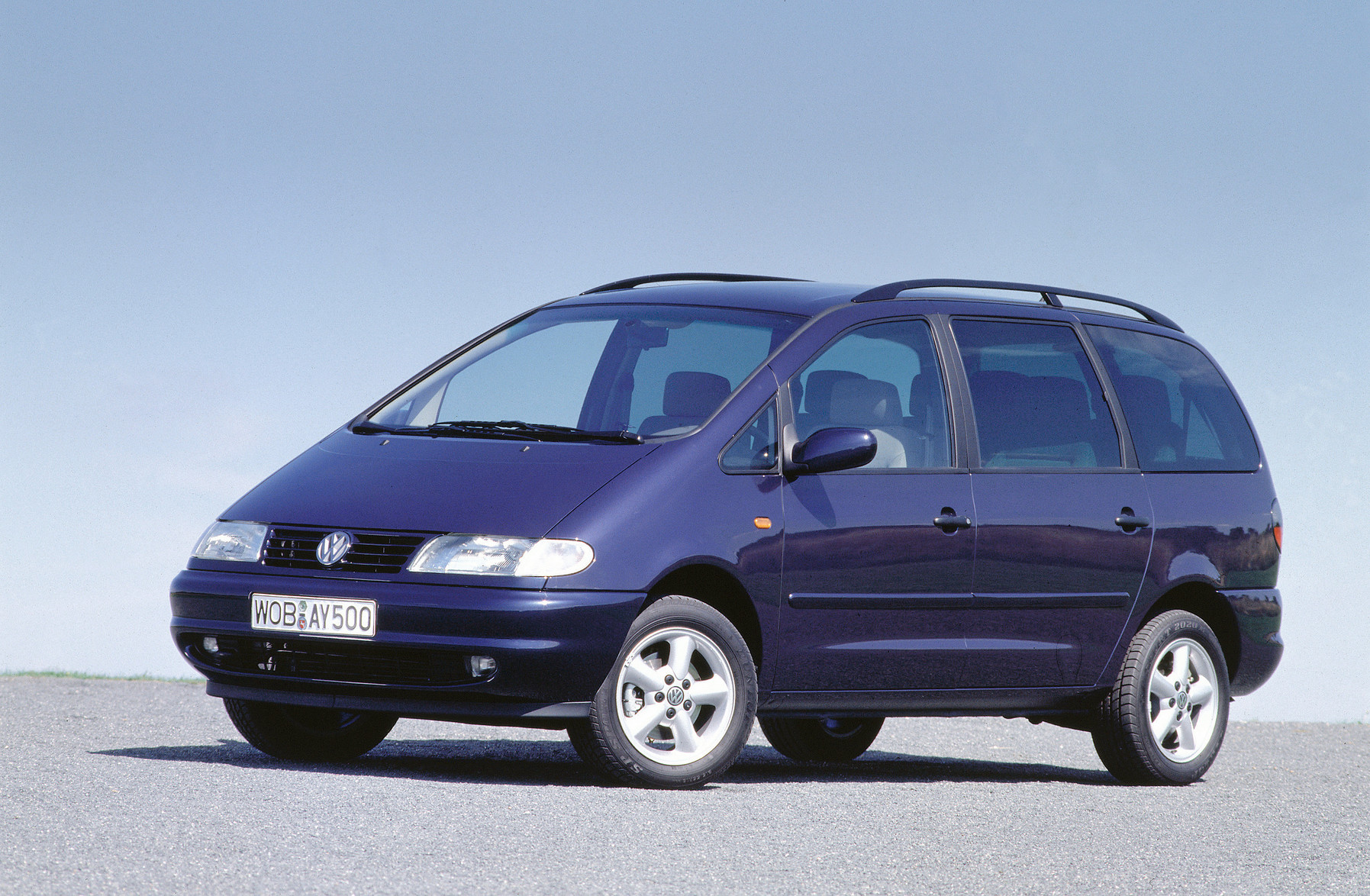
Which engines are most susceptible
The 1.4 TSI and 1.8 TSI petrol engines in the Volkswagen Sharan are known for coil problems. On these engines a separate pencil coil is used for each cylinder, which means that a single defective coil immediately affects the operation of one cylinder. Users report that coils in 1.4 TSI engines fail repeatedly, even after replacement under warranty or goodwill.
The 2.8 VR6 engine also struggles with coil faults, especially at higher mileages. The VR6 is a six-cylinder petrol engine with a specific V-shaped cylinder layout in which the cylinders are close together. This engine has six coils, all of which are subject to wear. In petrol engines such as the 1.8 T with 150 hp and the 2.0 TSI, these problems often occur between 200,000 and 300,000 kilometres. In addition to coil defects, you also see catalytic converter contamination on these engines as a result of the misfires.
How to test a faulty ignition coil
Start by reading out the fault codes with an OBD scanner. This tool shows which cylinder is experiencing misfires and often points directly to the ignition coil as the cause. Fault codes such as P0300 to P0304 indicate misfires on specific cylinders.
You can also test coils manually by swapping them with a working coil from another cylinder. Start the engine and check whether the fault moves to the other cylinder. If it does, you can be sure that the coil is defective. A visual inspection also helps: look for cracks, burnt spots or damaged connectors on the coil itself.
Pay attention to the following test points:
- Regularly scan for fault codes with an OBD tool to detect misfires at an early stage
- Check the resistance value of the coil with a multimeter; deviating values indicate a defect
- Test spark production by disconnecting the coil and using a spark tester
- Inspect the wiring and connectors for corrosion or wear
‘ If you do the work yourself, you save the labour costs and only pay for the parts. ’
What does it cost to replace ignition coils
A single coil costs between 50 and 150 euros, depending on the brand and quality. Genuine Volkswagen parts are more expensive than aftermarket coils, but often have a longer service life. For labour a garage charges between 100 and 200 euros, depending on the hourly rate and how accessible the coils are in the engine bay.
On a four-cylinder engine you often replace all four coils at the same time to prevent future problems. Total costs then come out at 400 to 800 euros, including labour. For a six-cylinder VR6 engine the costs are higher because of the larger number of coils. If you do the work yourself, you save the labour costs and only pay for the parts.

Prevent coil problems with proper maintenance
Preventive maintenance significantly extends the service life of ignition coils. Replace coils at the first symptoms or preventively around 150,000 to 200,000 kilometres. At the same time, check the spark plugs, because worn spark plugs put extra strain on the coils. A spark plug that has been used for too long requires more energy from the coil to produce a spark, which speeds up wear.
Always use the correct engine oil and keep an eye on oil consumption, especially with TSI engines. Carbon build-up caused by the wrong oil or high oil consumption accelerates coil failures. Opt for genuine or high-quality aftermarket coils; cheap versions fail more quickly and can cause problems again after just a few thousand kilometres.
Follow these maintenance tips:
- Have the engine read out regularly to detect faults at an early stage
- Replace spark plugs in line with the manufacturer’s service schedule
- Use quality oil that meets Volkswagen specifications
- Do not keep driving with misfires, as this quickly damages the catalytic converter
Experiences of Sharan owners
On car forums Sharan drivers share their experiences with coil defects. Owners of models with a 1.4 TSI engine report that replacing coils provides temporary relief, but that oil consumption remains an ongoing issue. This accelerates the wear of new coils, causing the problem to return over time.
A driver with a 2011 Sharan replaced the coil on cylinder 3 at around 85,000 kilometres and then drove trouble-free for a while. At around 140,000 kilometres, however, new misfires appeared, this time on other cylinders. This experience illustrates that coil defects often do not stand alone, but are linked to other engine problems such as carbon build-up or high oil consumption.
Owners warn that continuing to drive with misfires quickly damages the catalytic converter. Unburnt fuel ends up in the exhaust and causes the catalytic converter to overheat, which leads to expensive replacement costs. Tackle coil problems as soon as you recognise the first symptoms.
‘ Early TSI engines from 2010 to 2013 have more teething problems, including coil defects and high oil consumption. ’
Which models suffer less
Later Sharan models with TSI engines from 2014 onwards have improved components and show fewer coil problems. The timing chain has been strengthened and the engine management software updated, which reduces the load on the coils. The 1.5 eTSI mild hybrid with 150 hp, which has been supplied since 2019, has so far not shown any major coil faults. This engine combines a petrol engine with a mild-hybrid drive in which a small electric motor assists the combustion engine.
When choosing a used Sharan, pay attention to the year of manufacture and engine type. Early TSI engines from 2010 to 2013 have more teething problems, including coil defects and high oil consumption. During a test drive, check whether the engine runs smoothly and ask for the service history, including any coil replacements.

Useful tips for coil faults
If you suspect coil problems, act straight away. Have the fault codes read out at a garage or do it yourself with an OBD scanner. This saves you time and money by allowing you to make the right diagnosis immediately. If in doubt, replace all coils at once, especially if the engine has covered more than 150,000 kilometres. This prevents you from facing the same problem again within a few months.
Invest in quality parts, even if they are more expensive. Cheap coils often fail more quickly and cause new misfires. Also check the service life of the spark plugs. Many manufacturers recommend replacement between 40,000 and 60,000 kilometres. The exact interval depends on the type of spark plug. Always combine coil replacement with new spark plugs for the best results.
Stay alert to engine behaviour after a repair. If the engine starts running unevenly again within a few weeks, there may be an underlying issue such as carbon build-up or a fault in the engine management software. Have this thoroughly investigated to prevent costly consequential damage.
On the Carnews website you will find much more information on common engine problems, maintenance tips and practical advice for Volkswagen models. Discover how to keep your car in top condition and which warning signs you should never ignore.
Frequently asked questions
You can often recognise a defective coil by an unevenly running engine, hesitation or stalling at idle and clearly reduced power when accelerating. The **Check Engine** light often comes on and, when reading out the system, misfire fault codes on a specific cylinder are found. You may also notice vibrations in the car and an unstable engine speed (misfires), especially when accelerating or under load. If these symptoms suddenly appear on one cylinder, there is a high chance that the corresponding coil is defective.
Coil defects are relatively common on the Volkswagen Sharan because certain petrol and TSI engines (such as the 1.4 and 1.8 TSI) are known for high thermal load, vibrations and design weaknesses in the ignition coils. Age and high mileage affect the insulation of the coil, leading to misfires and ignition faults. Additional factors are increased oil consumption and carbon build-up in early TSI engines, which place extra strain on the coils. The use of cheap aftermarket coils and worn spark plugs can further increase the failure rate.
Replacing the coils yourself on a Volkswagen Sharan is usually cheaper and can be done quite easily with basic tools, especially on TSI engines where access is good. However, you must work carefully (connectors, cylinder order) and have access to an OBD tool or garage to read faults and check everything afterwards. A professional offers correct diagnosis (also checking spark plugs, wiring, oil and carbon problems) and a warranty on labour and parts, which is important with recurring misfires and expensive consequential damage such as a failed catalytic converter. If you are unsure about your technical knowledge, the coils are difficult to access or there are multiple faults at the same time, having the work done by a professional is usually the wiser choice.
A defective coil can, in the long term, cause persistent misfires, which overheat and damage the catalytic converter and lead to extra wear inside the engine. If you continue to drive with a poorly running engine, pistons, valves and the exhaust system can also suffer from unburnt fuel and vibrations. You can prevent this by having coils and spark plugs checked in good time (at the first symptoms or around 150,000–200,000 km) and replacing them preventively if necessary, preferably with quality or genuine parts. Have the engine periodically read for fault codes and ensure good, regular oil and engine maintenance to limit overheating and extra load on the coils.
Preferably choose original VAG coils (OEM) or premium brands such as Bosch, Beru or NGK, as these offer the best match in terms of quality and service life for Sharan engines. Avoid cheap, unknown aftermarket coils; these demonstrably fail more often. Always check via the chassis number or engine code that the chosen coil is exactly suitable for your Sharan engine. Ideally, combine coil replacement with new spark plugs from a premium brand to further increase reliability.