
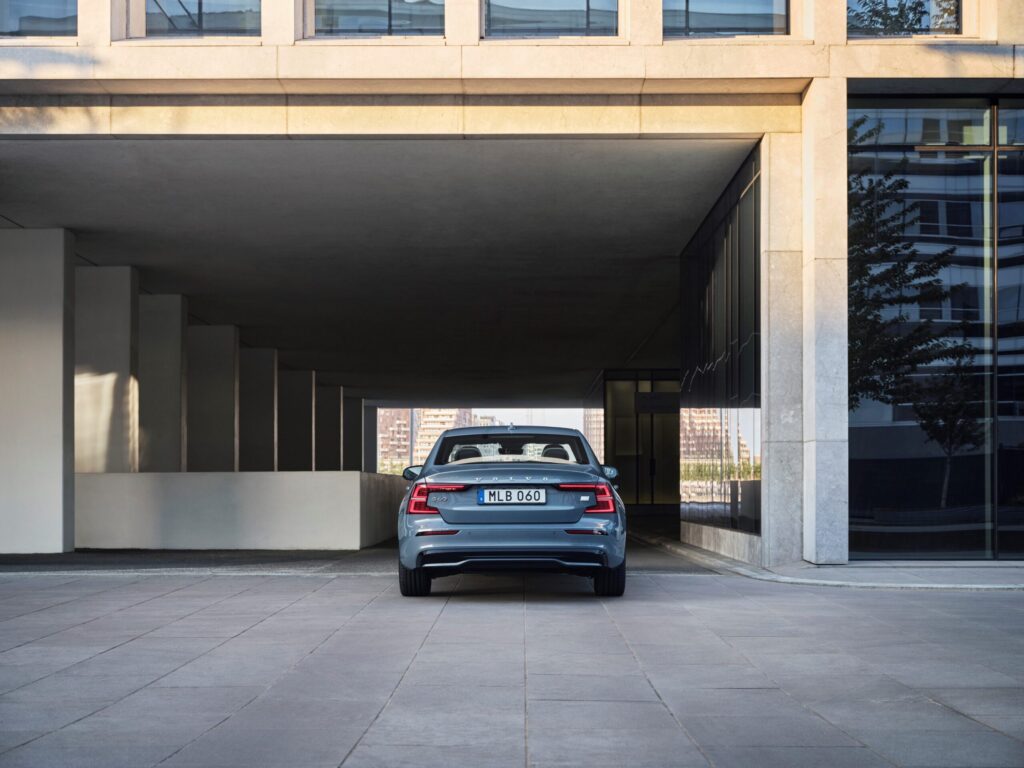
The Volvo S90 suffers from more electronic and transmission issues than the BMW 5 Series, but outperforms its German rival when it comes to comfort. If you invest in regular suspension and transmission maintenance, you can significantly extend its lifespan. Curious how the S90 compares with other premium saloons and what you need to look out for?
How reliable is the Volvo S90 compared with the BMW 5 Series?
The reliability of the Volvo S90 differs from the BMW 5 Series in several areas. User reports show that the S90 more often suffers from electronic faults and transmission problems. Overall, the BMW scores better for powertrain and software. However, the Volvo wins in another respect: the chassis and suspension quality are less prone to issues.
With the S90 there are frequent complaints about:
- software failures in the infotainment system
- jerky gearboxes, especially in plug-in hybrid versions
- electrical failures affecting sensors and driver-assistance systems
The BMW 5 Series, on the other hand, more often suffers from suspension and wheel bearing problems at higher mileages. For high-mileage drivers who value a comfortable chassis, the S90 is the stronger alternative.
What problems does the V90 have compared with the S90?
The Volvo V90 largely shares its platform and technology with the S90. As a result, both models show similar complaints. The difference mainly lies in size and everyday practicality. The V90 offers more boot space and is more popular with families and business drivers who regularly transport goods.
In technical terms, the problems are virtually identical:
- similar faults affecting the transmission
- the same infotainment software with known bugs
- identical plug-in hybrid powertrains with their associated issues
When choosing between S90 and V90, your main focus should be your intended use. The saloon offers a more luxurious look, while the estate is more practical. Maintenance costs and risk levels are broadly the same.
What makes the S90 more comfortable than its rivals?
Comfort is one of the S90’s strongest assets. The car stands out with a quiet cabin, high-quality seats and a relaxed suspension set-up. This makes the S90 well suited to long motorway journeys and business use.
Key comfort features are:
- sound insulation that effectively blocks traffic noise
- seat comfort that keeps hours behind the wheel pleasant
- supple suspension that absorbs bumps well
Compared with the Audi A6 and BMW 5 Series, the S90 feels less sporty. Steering precision and handling are less sharp, but this suits the character of the car. Drivers who value dynamics and a more engaging steering feel will find a better alternative in the BMW.
Available powertrains: pros and cons
These days the Volvo S90 is available as a mild-hybrid petrol version and as a plug-in hybrid. Diesel engines have disappeared from the range. This is in line with Volvo’s broader electrification strategy.
With the plug-in hybrid it is important to charge regularly. If you fail to do so, you are driving a heavy car that uses significantly more fuel. In real-world use, average consumption is often higher than the official figures suggest.
Features of the plug-in hybrid:
- electric range of around 50 kilometres on a full battery
- cost-effective for short daily commutes if you can charge
- high fuel consumption on the motorway without a charged battery
Drivers who mainly cover long distances without frequent charging are better off with the mild-hybrid petrol version. It is lighter and its fuel consumption is more consistent across different types of driving.
‘ The Volvo wins when it comes to calmness and simplicity. ’
How does the S90 compare with the Mercedes-Benz E-Class?
The Mercedes-Benz E-Class is the traditional benchmark in this segment. Compared with the S90, the Mercedes offers a broader range of engines and trims. The E-Class often scores higher for cutting-edge technology and luxurious fit and finish.
The Volvo wins in terms of calmness and simplicity. The Scandinavian interior feels less busy and the control layout is more straightforward. Some drivers appreciate this minimalism, while others prefer the more opulent look of the Mercedes.
Technically, the E-Class offers a wider range of driver-assistance systems and infotainment options. The Mercedes is often better equipped with the latest connectivity features and digital services.
What are the differences in maintenance costs?
The maintenance costs of both models are quite similar. Servicing at a Mercedes dealer is on average slightly more expensive, but spare parts are often readily available. With Volvo, specific electronic parts can sometimes have longer delivery times.
If you are considering a used car, it is wise to check that the service history is complete and that known software updates have been carried out. This reduces the risk of problems later on.
Is the Audi A6 a better alternative?
The Audi A6 has a more rational character than the S90. The Audi combines crisp build quality with lots of technology and a distinctly business-like appearance. The interior feels slightly cooler than the warm ambience of the Volvo.
In terms of reliability, there is not much difference between the two models. The Audi has regularly suffered from electronic issues in older model years, just like the S90. The A6 often scores slightly better for its quattro four-wheel drive, especially in wintry conditions.
For drivers who prioritise functionality and technology, the Audi A6 is a logical choice. Those who care more about comfort and ambience will be better served by the Volvo.
What are the advantages of the Lexus ES as an alternative?
The Lexus ES is an interesting alternative for drivers who mainly seek reliability and comfort. Lexus is known for durable cars with few faults. In everyday use, the hybrid technology is usually economical and stress-free.
Advantages of the Lexus ES:
- very quiet powertrain without a conventional gearbox
- strong reputation for long service life
- comfortable driving experience without sporty pretensions
The Lexus feels less European than the Volvo. Its design and steering are more focused on comfort than on dynamics. For drivers who do not care about a Scandinavian or German look and feel, the Lexus is a reliable alternative.
Points to watch when buying a used S90
There are several things to watch out for when buying a used S90. First check whether the car has been serviced regularly at an authorised service centre. Make sure software updates have been carried out, especially on models built before 2020.
During a test drive, check:
- the operation of the infotainment system and how quickly it starts up
- the gear changes of the automatic gearbox, especially when accelerating and decelerating
- the operation of all driver-assistance systems, such as adaptive cruise control and lane-keeping assistance
- whether the plug-in hybrid charges correctly and whether the battery still offers sufficient capacity
Also pay attention to the condition of the suspension. Although it is usually reliable, wear and leaking dampers can occur at high mileages. Ask the seller about any replacements and check the invoices.
Which trim levels are available?
The S90 is available in various trims, ranging from entry-level versions to generously equipped Inscription models. Equipment levels can vary greatly between individual cars, especially on the used market.
Important options to check:
- heated and ventilated front seats
- adaptive cruise control with Pilot Assist
- 360-degree camera and parking assistance
- premium Bowers & Wilkins sound system
- electrically adjustable seats with memory function
Some options significantly increase comfort. Drivers who cover long distances will particularly appreciate ventilated seats and adaptive cruise control. These features make driving more pleasant and reduce fatigue.
How does the S90 compare with the V90 in everyday practicality?
The V90 offers significantly more load space than the S90. For families and drivers who regularly transport suitcases, sports equipment or other items, the estate is often the better choice. Comfort and luxury are virtually identical.
The saloon has a classic look and is well suited to business use where appearance and clean lines are important. The V90 is more practical but has a slightly less formal character.
Both models share the same technologies and have similar maintenance needs. The choice mainly depends on lifestyle and intended use. Drivers who want maximum flexibility will opt for the V90. Those who value the experience of a stylish saloon will go for the S90.
Maintenance tips for long-term use
To prevent problems and extend the life of the S90, several measures are important. Ensure regular maintenance in line with Volvo’s recommendations. In particular, have the transmission and electronics checked during service visits.
Practical maintenance tips:
- charge the plug-in hybrid regularly to keep the battery in good condition
- have the infotainment system updated at the dealer to fix software bugs
- check the condition of dampers and suspension components after longer periods or high mileage
- have faulty sensors repaired immediately to prevent subsequent problems
Drivers who consistently follow these points greatly reduce the risk of annoying breakdowns. Regular maintenance of the transmission and suspension extends service life and keeps ride comfort at a high level. For plug-in hybrid versions, pay extra attention to the battery’s condition and charge it regularly, even if you mostly make short trips.
Frequently asked questions
The Volvo S90 is clearly geared more towards comfort than dynamics, with a very quiet cabin, soft seats and a relaxed suspension set-up. Compared with premium rivals such as the BMW 5 Series and Audi A6, the S90 feels less sporty and less sharp in its steering behaviour. Versus a Mercedes E-Class, the Volvo offers a similar, high level of refinement and calm, but with a more minimalist, Scandinavian character. Drivers who want maximum driving dynamics will typically choose a German brand; those who mainly look for calm and comfort are very well served by the S90.
The Volvo S90 is especially distinctive for its calm, Scandinavian interior with high-grade materials and exceptionally comfortable seats, which together provide a more serene sense of luxury than many German competitors. In terms of technology, it offers a comprehensive package of safety systems and driver aids that are geared more towards comfort and peace of mind than outright sporty performance. For connectivity, the S90 features a modern infotainment system with integrated online functions and smart driver assistance, yet in practice this often feels less busy and “overloaded” than in some rivals.
The current Volvo S90 is mainly offered as a mild-hybrid petrol (B4/B5) and as a powerful plug-in hybrid (T8), with the T8 providing the most power and the best official consumption figures, provided you charge it regularly. Key alternatives such as the Mercedes E-Class, BMW 5 Series, Audi A6 and Lexus ES generally offer a broader palette of petrol, diesel and (plug-in) hybrid powertrains, often with both economical entry-level engines and very powerful range-toppers. In those German models there is more emphasis on sporty performance and slightly sharper handling, while the S90 focuses more on comfort, calmness and efficiency in everyday driving. The Lexus ES concentrates mainly on a smooth, full-hybrid powertrain that often delivers low real-world fuel consumption, with less focus on outright acceleration figures.
Interesting alternatives with a comparable or better value for money include the Mercedes-Benz E-Class, BMW 5 Series, Audi A6 and Lexus ES. The E-Class and A6 offer a similar mix of comfort, luxury and technology, with the Mercedes often feeling slightly more refined and the Audi a bit more business-like. The BMW 5 Series stands out for its more dynamic driving behaviour and greater driving pleasure for those who value sportiness more than absolute calm. The Lexus ES, by contrast, is a very distinctive, extremely comfortable and reliable option for those seeking peace and quiet, with its own, less European character.
The Volvo S90 stands out in its segment with a very extensive standard specification in terms of safety systems and driver-assistance, with Volvo explicitly positioning safety as a core value. Systems such as adaptive cruise control, lane-keeping assistance, autonomous emergency braking, blind-spot monitoring and a 360-degree camera are widely available and generally operate more smoothly and less intrusively than in some competitors. Compared with rivals like the Mercedes E-Class, BMW 5 Series and Audi A6, the S90 places more emphasis on calmness, confidence and comfort than on sporty or highly dynamic driver assistance. This makes the S90 one of the safest and most “relaxing” assistant-equipped options in the upper executive saloon segment.