
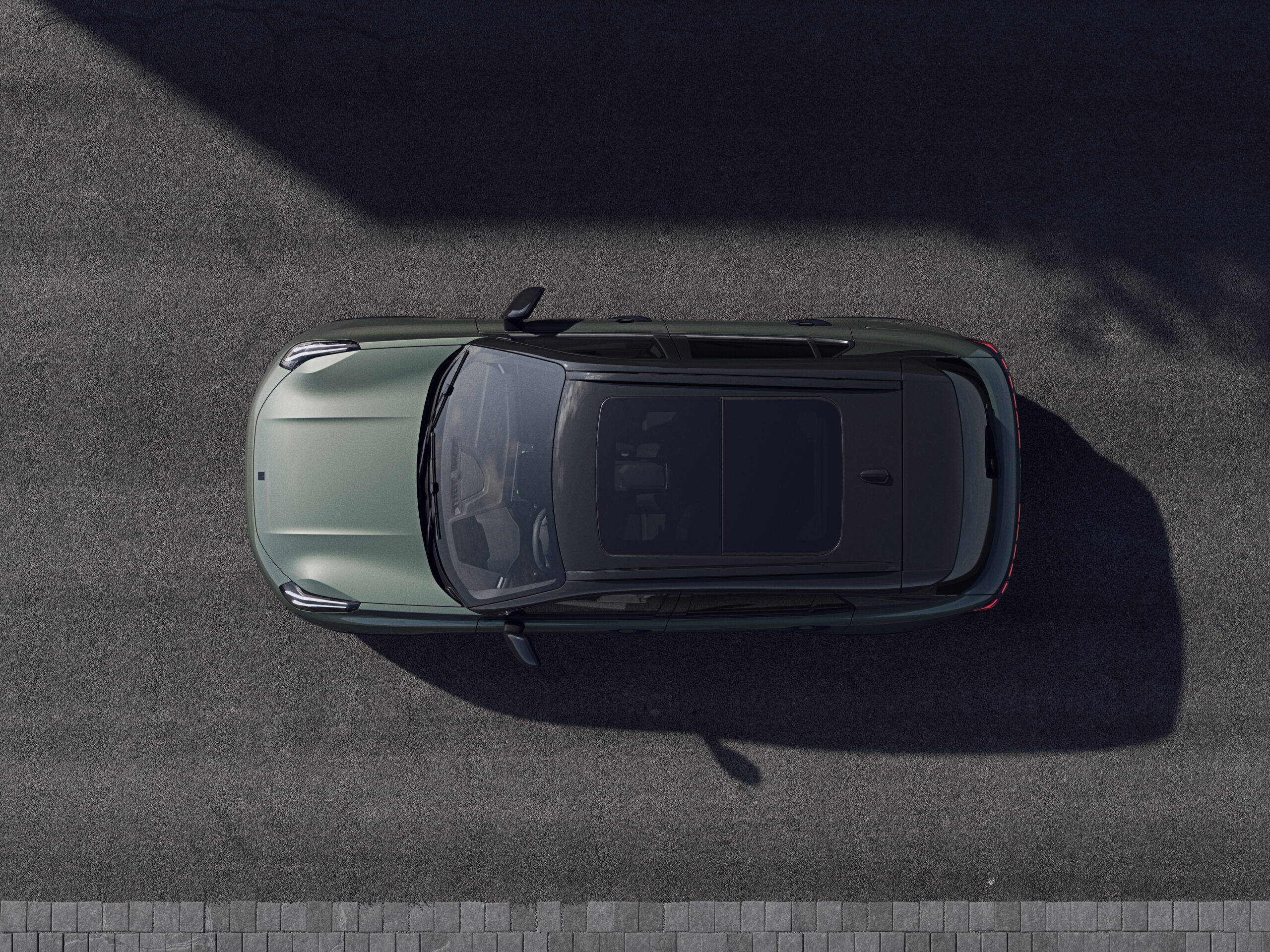
Complete power loss in the Lynk & Co 01 is mainly caused by battery faults, defective power cables and failure of the body control module. These sudden power issues often appear while accelerating at around 95 km/h, where the car loses all power for 1 to 2 seconds. This is frustrating and can be dangerous in traffic.
The Lynk & Co 01 is a plug-in hybrid SUV based on the Volvo XC40 platform. Because of this shared technology, similar power issues also occur with the Volvo XC40 plug-in hybrid (a car with both a petrol engine and an electric motor plus a rechargeable battery). The issue involves the Compact Modular Architecture, where the gearbox shifts abruptly and all power temporarily drops away. Owners report that the car feels as if it cuts out and then picks up again, which happens repeatedly at speeds around 95 km/h.
This article explains why this happens, how to deal with it and which actions you can take to limit the consequences.
Why the Lynk & Co 01 suddenly loses power while driving
The power loss has several causes that are linked to the plug-in hybrid technology. The most common cause is an awkward interaction between the gearbox and the drivetrain. When pulling away or overtaking, the gearbox shifts abruptly, for example from second to fourth gear. This jump over one gear causes inefficiency and a noticeable delay in power delivery.
In addition, the transition from regenerative braking to mechanical braking plays a role. This transition feels inconsistent, with a noticeable difference in how the brake pedal feels (the resistance and response under your foot). This contributes to power-related issues during sporty driving. The manufacturer seems to struggle to solve this via software, because hardware modifications are time-consuming and it concerns a structural platform problem.
Another problem occurs after the car has been parked for a long time. If the car is left plugged in for 15 days or longer, the battery can fully discharge. This leads to starting problems and complete power loss. There are also reports of connectivity errors that block profile loading and infotainment, although these are not directly linked to the power loss.
Battery issues as a cause of total power loss
Battery faults are an important cause of complete power loss. These faults can arise from battery ageing, short circuits or a combination of both. If the battery has become completely empty after standing still for a long time, the car often can no longer start and all electrical functions stop working.
The 12V battery plays an important role here. It supplies power to the electronics and controls the body control module. If this battery fails or loses too much voltage, systems will shut down. This can show up as complete power loss while driving, but also as starting problems after the car has been parked.
To prevent battery problems, the following steps are important:
- Do not leave the car charging for too long when it is parked
- Use a smart charger to prevent overcharging and deep discharge
- Check the 12V battery every month for voltage and condition
- Watch out for warning signs such as slow start-up procedures or error messages about battery voltage
Defective power cables and their role in power loss
Power cables can fail due to an open circuit or a short circuit. An open circuit means that the connection is interrupted, so no current flows. This can be caused by wear, vibrations while driving or damage from external factors. A short circuit, on the other hand, occurs when two conductors touch that should not be connected, causing the current to take an unwanted path.
In the Lynk & Co 01, defective power cables can lead to sudden power interruptions. This shows up as a complete power cut, where the drive temporarily cuts out. After 1 to 2 seconds, the connection often restores, after which the drive works normally again. This pattern points to an intermittent fault in the wiring.
If you suspect cable defects, check the following points:
- Visual inspection of visible cables for damage or wear
- Have the dealer check the wiring between battery and drivetrain
- Ask about firmware updates that improve the diagnosis of cable defects
Recognising and addressing body control module faults
The body control module controls a large number of electrical functions in the car. This system coordinates communication between different modules and controls, among other things, lighting, windscreen wipers and access. If the BCM fails, several systems can fail at the same time, including the drivetrain.
A BCM fault often presents as several problems occurring simultaneously. Think of infotainment that does not respond, warning messages about different systems and unexplained power loss. This combination of symptoms points to a central problem in the electronics. In the Lynk & Co 01, the BCM is particularly sensitive due to the complex interaction between the combustion engine and the electric motor.
If you suspect a BCM fault, these are the steps to take:
- Write down all error messages and symptoms that occur at the same time
- Log driving data via the Lynk & Co app for dealer investigation
- Schedule an appointment with the dealer to read out the fault codes
- Ask specifically about known BCM problems with the 01
- Ask whether software updates are available for the BCM
‘ The driving mode affects the torque behaviour. ’
Practical tips to minimise power loss
Although the underlying causes often require a technical solution, you can limit the impact of power loss by adjusting your driving style. Build up speed gradually around 90 to 100 km/h to minimise the power dip. Avoid sudden bursts of throttle in this speed range, as they force the gearbox to shift abruptly.
The driving mode affects the torque behaviour. Switch to Power or Pure EV mode for more consistent torque. Test the hybrid mode at low speeds to get used to the drivetrain’s behaviour. Some owners report that Pure EV mode reduces power peaks, because only the electric motor is active.
For safety, it is wise to keep extra distance on the motorway. If the power loss occurs regularly, avoid situations where a sudden loss of speed could be dangerous. Plan overtaking manoeuvres carefully and be prepared for possible power loss while accelerating.
Software updates and dealer visits
Lynk & Co regularly pushes software updates for the drivetrain. These patches are intended to make the gear changes smoother and improve the interaction between the combustion engine and the electric motor. Schedule dealer visits to have these updates installed, because not all patches are available over the air.
Ask the dealer specifically about known power issues and whether any technical bulletins have been issued. Always mention at what speed and in which situations the problem occurs. The more specific you are, the better the dealer can diagnose the issue.
If the dealer indicates that it is a known issue without a direct solution, ask for a timeline for a definitive fix. Some owners report that the issues persist after a year, which indicates that it is a structural platform problem that is not easy to resolve.
Experiences from owners
Many owners describe the power loss as very annoying and doubt that there will be a quick solution. The issue overshadows positive aspects such as the solid seats and the fabric interior. For daily use the car is acceptable, but sporty driving is negatively affected by the power spikes.
Owners report that infotainment and connectivity remain the biggest downsides alongside the power loss. This combination of issues makes the Lynk & Co 01 a challenging choice for anyone who values sporty driving behaviour. The compromise (the trade-off between pros and cons) of this affordable plug-in hybrid is clear: a strong technical basis with immature software tuning.
On the Carnews website you will find extensive information about many more problems and solutions for different car makes and models. Discover more about car problems, maintenance tips and owner experiences that help you solve technical issues.
Frequently asked questions
Common causes include, in particular, awkward shift logic in the gearbox (for example suddenly from 2nd to 4th gear), which leads to temporary complete power loss. In addition, the software calibration of the hybrid drivetrain plays a role, especially around 90–100 km/h when accelerating or overtaking. The transition between electric and combustion engine drive (including regenerative braking) can also cause short “power cuts”. Problems in the electronics or firmware can further reinforce this behaviour.
If complete power loss occurs while driving, you should release the accelerator, keep the car stable and, if possible, carefully steer to the right-hand lane or the hard shoulder. Switch on the hazard warning lights to alert following traffic and then gently apply the throttle again to check whether the drive returns. If this does not work or the car feels unpredictable, park safely, put the car in P and switch off the engine. Then contact Lynk & Co/breakdown services and have the incident and the drivetrain software/hardware checked by the dealer.
According to experienced mechanics and users, complete power loss in the Lynk & Co 01 appears to be a structural problem, especially around 95 km/h while accelerating or overtaking. The issue is related to the drivetrain and software calibration on the shared CMA platform (which also underpins the Volvo XC40 PHEV, among others). Several owners report repeated, short power cuts that are experienced as potentially unsafe. Although software updates are being rolled out, no definitive structural solution is yet known.
Preventive measures include building up speed gradually around 90–100 km/h and avoiding abrupt acceleration in that range. Make sure the car always receives the latest software and firmware updates via the dealer to benefit from optimisations to the drivetrain and gearbox control. Manage the (12V) battery properly by not leaving the car unnecessarily long, fully charged, standing connected to the charger and by checking the battery status periodically. Where possible, choose a driving mode with more consistent torque (for example Power or Pure EV) to reduce the chance of unexpected gear changes and power dips.
Complete power loss can negatively affect the perceived reliability and therefore the market value of the Lynk & Co 01, especially if it is seen as a structural platform problem. Potential buyers may become more cautious, resulting in lower demand and thus lower trade-in and resale prices. If a lasting software or hardware solution fails to materialise, this can also harm the perceived long-term lifespan, because confidence in the drivetrain decreases. However, if Lynk & Co demonstrably and permanently resolves the issue via updates, the consequences for lifespan and value can be partly limited.