
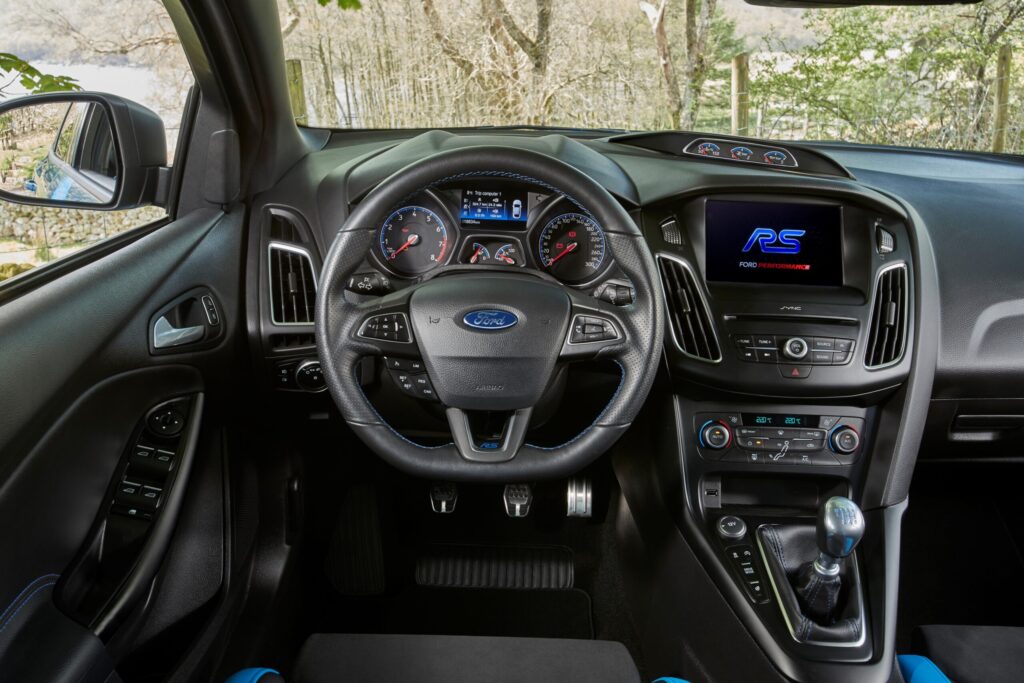
The Ford Focus EcoBoost suffers from structural cooling problems that can lead to serious engine damage. The 1.5 and 1.0 EcoBoost engines are known for excessive coolant consumption. They frequently suffer from leaks in the cooling system. Sudden overheating also occurs regularly. Defective water pumps are the main cause. In addition, small cracks in pipes and blocked cooling channels cause problems. A problem can easily go unnoticed. The engine then runs the risk of permanent damage. Read on to find out how to recognise and prevent these problems.
Why does the 1.5 EcoBoost use too much coolant
The 1.5 EcoBoost is known for structural coolant loss due to leaks in the cooling system. Owners regularly report a rapidly falling coolant level. Often there are no visible leaks under the car. The problem is often caused by hairline cracks in hoses, a leak in the coolant expansion tank or a defective pipe to the turbo.
This engine has a compact design. It reaches high combustion temperatures. As a result, the cooling system experiences extra stress. Components wear out faster than in conventional engines. The coolant level drops. The engine can overheat within just a few kilometres. Overheating of the engine leads to damage to the cylinder head, gaskets and other engine components.
You can find more information about specific problems on the page about the Ford Focus.
How do you recognise a defective water pump
The water pump is a crucial component. A defective water pump is often the cause of cooling problems in EcoBoost engines. The water pump ensures the circulation of coolant through the engine. If the water pump does not work properly, the engine can overheat locally. The coolant level may still appear to be fine.
You can recognise a defective water pump by the following signs:
- Temperature gauge that rises quickly while driving
- Coolant leak around the water pump
- Squeaking or grinding noise from the engine
- Overheating warning on the dashboard
- Loss of power or limp-home mode
Owners report that the water pump on EcoBoost engines often fails prematurely. The cause is the high pressure and temperature in the system. Timely replacement prevents the engine from completely overheating and sustaining damage.
What cooling problems does the 1.0 EcoBoost have
The 1.0 EcoBoost has similar cooling problems to the 1.5 version. This three-cylinder engine produces high combustion temperatures. It has a small engine block. The cooling system is under additional strain. The cooling system must operate at an optimal level at all times. This prevents damage.
Common causes with the 1.0 EcoBoost are:
- Blocked cooling channels due to deposits
- Leaks in hoses and couplings
- Defective thermostat that does not open properly
- Cracks in the coolant expansion tank
- Damaged pipes to the turbo cooling system
Forum discussions show a pattern. Owners regularly experience sudden overheating. This happens even with a cold engine. The car displays a warning. The car then switches to limp-home mode. The warning may indicate a defective sensor. It may also point to a real cooling problem that requires immediate attention.
What are the consequences of unnoticed cooling problems
If cooling problems go unnoticed, this leads to severe engine damage. An overheated engine damages gaskets and cylinder head bolts. The engine can even cause the cylinder head to warp. In extreme overheating, the engine can seize completely.
Cooling problems can cause secondary damage. Owners report increased oil consumption. Blue smoke from the exhaust also occurs. Engine power decreases. These symptoms indicate serious internal engine damage. Repairing this damage is often expensive.
A small cooling problem can escalate quickly in EcoBoost engines. The engines have a compact design. They are heavily loaded. These factors make the engines sensitive to temperature problems. That is why early detection and timely maintenance are essential.
‘ Preventive maintenance and timely repairs are much cheaper. ’
How much does it cost to repair coolant leaks
The costs for repairing coolant leaks vary widely. The cause and extent of the problem are decisive. Simple replacement of a leaking hose or coupling costs between 100 and 200 euros. Replacing a defective water pump is between 400 and 700 euros, including labour.
If the coolant expansion tank needs to be replaced, you can expect costs between 150 and 300 euros. Replacing a burst pipe to the turbo costs between 200 and 400 euros. These prices exclude any additional repairs. The engine may already have suffered damage from overheating. In that case, extra costs will be incurred.
If the engine has suffered serious damage due to overheating, the costs can quickly rise to several thousand euros. Replacing the cylinder head, gaskets and other engine components is labour-intensive. The repair is expensive. Preventive maintenance and timely repairs are much cheaper. Waiting until the engine is badly damaged leads to high costs.
How do you prevent cooling problems in the EcoBoost
Regular checks of the cooling system are the best way to prevent problems. Check the coolant level at least once a month. This applies especially to the 1.0 and 1.5 EcoBoost engines. Also watch out for small leaks or traces of dried coolant under the car.
Practical prevention tips:
- Check the coolant level regularly and top up with the correct fluid
- Have the cooling system inspected annually during servicing
- Replace coolant according to the manufacturer’s service intervals
- Stop immediately if there is an overheating warning and allow the engine to cool down
- Have hoses and couplings checked for cracks and wear
- Test the water pump and thermostat during servicing
Never keep driving when you get an overheating warning. Stop as soon as it is safe to do so. Switch off the engine. Let the engine cool down. Then check the coolant level. Never attempt to open the coolant cap when the engine is hot. This can cause severe burns.
Is the Ford Focus EcoBoost reliable despite cooling problems
The Ford Focus EcoBoost is not inherently unreliable. However, the cooling system does require extra attention. The engines deliver good performance. They are economical. The compact design and high load make them susceptible to cooling problems. Consistent maintenance helps. Timely checks prevent many issues.
Some owners have the cooling system checked regularly. They act at the first signs of trouble. These owners often experience fewer problems. Acting preventively is essential. Waiting until a fault occurs leads to more problems. EcoBoost engines deserve a careful approach when it comes to cooling.
Are you unsure about the condition of your cooling system? Then have a thorough inspection carried out. A specialist can pressure test the system. In this way, the specialist can detect small leaks. Otherwise these leaks remain unnoticed. This investment often prevents larger repairs later on.
Practical checklist for EcoBoost owners
If you own a Ford Focus with an EcoBoost engine, you can spot problems early with a few simple checks. Pay attention to the following points:
- Check the coolant level weekly if you use the car intensively
- Look under the car for stains or leaks
- Watch out for unusual smells in the cabin that may indicate a coolant leak
- Keep an eye on the temperature gauge while driving
- Respond immediately to warning messages on the dashboard
- If in doubt, have the cooling system professionally tested
These checks take little time. They prevent a lot of trouble. EcoBoost engines are sensitive to small deviations in the cooling system. Early detection makes all the difference. It can prevent a major engine repair. A small repair is then sufficient.
On the Carnews website you will find a lot more information about common car problems, maintenance tips and practical advice for car enthusiasts. Discover more articles. Increase your knowledge about your car.
Frequently asked questions
Early warning signs of cooling problems in a Ford Focus EcoBoost include a slowly or rapidly dropping coolant level, initial overheating or warning messages and (temporary) loss of power or limp-home mode. Also look out for light traces of coolant or damp spots around hoses and the expansion tank, and for unexplained temperature fluctuations. As preventive action you can check the coolant level very regularly, have the cooling system (hoses, pipes, expansion tank) inspected periodically and never continue driving when an overheating warning appears. If in doubt, have a garage perform a pressure test on the cooling system immediately to detect small leaks or hairline cracks at an early stage.
The most common causes of overheating in the Ford Focus EcoBoost are coolant loss due to leaks, hairline cracks or a defective cooling pipe (including to the turbo) and general malfunctions in the cooling system. As a result, the coolant temperature can rise quickly, even if the level previously still seemed normal. Critical components are the expansion tank, coolant hoses and pipes (especially to the turbo), the cylinder head and the gaskets. In the case of severe overheating, other engine components themselves, such as pistons and bearings, also have an increased risk of damage.
You can check yourself for overheating by regularly checking the coolant level in the expansion tank (only with a cold engine), watching for warnings on the dashboard and looking for any leaks or dried coolant around hoses and the reservoir. If you see the level dropping quickly, get an overheating warning, notice a loss of power or smoke, this is a sign to stop immediately. Park the car safely, switch off the engine, open the bonnet only to allow it to cool and do not open anything while it is still hot. Then call roadside assistance or have the car towed to a garage to have the cooling system and engine professionally checked.
Yes, there are specific upgrades and modifications available to improve the cooling capacity of a Ford Focus EcoBoost, which is particularly interesting for sporty driving. Examples include a larger or more efficient intercooler and radiator, reinforced or improved cooling hoses and pipes, and sometimes modified thermostats or coolant reservoirs. Performance tuners also offer complete cooling upgrade packages aimed at better heat dissipation under higher loads. Always have such modifications tailored to the intended use and the condition of the engine, especially with an engine that is sensitive to overheating.
Persistent overheating in a Ford Focus EcoBoost engine can lead to accelerated wear and permanent damage to components such as the cylinder head, head gasket and cooling system components. This noticeably reduces the service life of the engine and increases the likelihood of expensive repairs or even total engine failure. Reliability also declines, because the engine goes into limp-home mode more often, throws up more faults and can cut out unexpectedly. In severe cases, prolonged overheating can result in the engine seizing.