
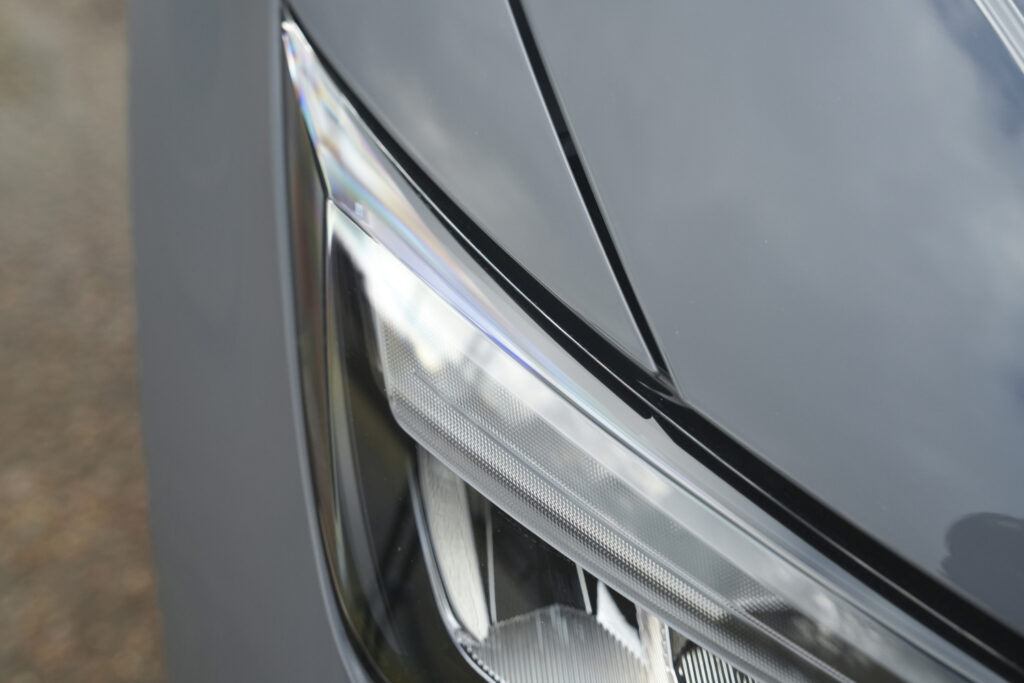
Incorrect adjustment of dipped beam, fog lights and windscreen wipers on the Seat Ibiza ST regularly leads to MOT failures, mainly due to visibility issues that owners only notice during the test itself. With the right knowledge and a few simple checks you can avoid these frustrations and drive more safely.
The Seat Ibiza offers intuitive operation of windscreen wipers and lighting via stalks near the steering wheel. The available adjustment options differ per model and trim level. Many common problems are easy to prevent with timely maintenance and correct settings.
Adjusting the Seat Ibiza dipped beam yourself
Dipped beam that is set too high or too low often leads to MOT failure. On the Seat Ibiza you adjust the setting using the lighting switch at the bottom of the steering column. This switch has several positions:
- ‘0’ for daytime running lights only, where you have to switch on the dipped headlights manually when it gets dark
- ‘AUTO’ where the light and rain sensor switches the dipped beam on and off automatically in low light or heavy precipitation
- ‘ON’ for permanent dipped beam
Adjusting the height of the beam requires specialist knowledge and measuring equipment. Ideally you should have this setting done by a professional garage, especially when preparing for the MOT. On models from 2012 onwards, the correct beam height – the direction and height of the light beam on the road – depends on the load (how much weight is in the car) and the suspension. Some owners report that incorrectly adjusted headlights barely illuminate the road in the dark, or dazzle oncoming traffic. This indicates a beam that is set too low or too high.
When setting the lights, take into account the position of the switch in everyday use. In ‘AUTO’ mode, dipped headlights sometimes switch off in heavy rain to prevent sensor errors. Test this at dusk for optimum safety. For a reliable beam height at MOT time the rule is: have it checked during regular servicing so you are not taken by surprise by a fail.
‘ Incorrect use will not cause an MOT failure, but it can result in a fine. ’
Using the fog lights correctly on the Seat Ibiza
Fog lights – extra lights that provide additional illumination low down on the road in fog or heavy rain – are activated by pulling the lighting switch outwards. The first click switches on the front fog lights, which sit low at the front. The second click activates the rear fog lights at the back of the car. Be aware that rear fog lights may only be used when visibility is seriously reduced, such as in fog or snowfall. Incorrect use will not cause an MOT failure, but it can result in a fine.
During MOT tests, fog lights are checked for operation and alignment. Alignment means that the light beam is aimed in the correct direction and at the correct height. Defective bulbs or damaged lenses result in a fail. Before the test, check that all fog lights illuminate properly and replace faulty bulbs in good time. The front fog lights are usually located at the bottom of the front bumper and are vulnerable to damage from low obstacles or high kerbs.
Solving windscreen wiper streaks on the Seat Ibiza
Streaks on the windscreen caused by the wipers are common on the Seat Ibiza and reduce visibility, especially in rain or at dusk. Causes range from worn wiper rubbers to incorrect settings on models with a rain sensor. The interval settings determine how often the wipers sweep back and forth in light rain. The rain sensor is a small device behind the mirror that detects raindrops and automatically adjusts the speed of the wipers. You operate the wipers using a stalk to the right of the steering wheel, with positions for a single wipe, intermittent wipe, low continuous (LO) and high continuous (HI).
On models with a rain sensor, the sensor automatically adjusts the wiper speed according to the amount of rainfall. Set the sensitivity using the button on top of the stalk, from very sensitive to less sensitive. Without a sensor, you adjust the interval manually with the same button.
Streaks are often caused by several factors:
- The wiper rubbers are worn and no longer make full contact with the glass.
- Dirt on the windscreen or wiper rubbers is creating obstacles.
- The rain sensor sensitivity is set incorrectly, causing the wipers to move too slowly or too quickly.
- The wiper arms are damaged and apply uneven pressure.
Replace wipers in good time, especially if the car is used intensively. Prices start from just a few euros per set. Use the wiper service mode – a special mode in which the wipers remain upright so you can replace them easily – to change wipers safely without damaging the bonnet. You activate this mode by switching off the ignition and briefly pushing the wiper stalk down; the wipers will then remain in the service position.
Preventing MOT failures for lighting on the Seat Ibiza
MOT failures relating to lighting on the Seat Ibiza are often caused by incorrect beam height, defective bulbs or damaged reflectors. Beam height indicates how high and in which direction the light beam falls on the road. Before the test, check that all lights are working properly. This includes dipped beam, main beam, fog lights, indicators, brake lights and number plate lights. You can usually replace defective bulbs yourself, but always check first that the bulb holder is not damaged.
You operate the main beam with the stalk to the left of the steering wheel, which also controls the indicators. Pressing once switches the main beam on permanently, pulling briefly lets you flash. On some Ibiza 6J models you activate the main beam assist – a function where the main beam switches on and off automatically depending on oncoming traffic – with the ignition off by turning the indicator switch to the right and pulling it towards you, after which the main beam comes on.
When preparing for the MOT, pay attention to the following:
- Test all lighting functions before the test and replace any defective bulbs
- Check that headlamps are not damaged or cloudy
- Make sure the beam height has been checked recently by a professional garage
- Clean lenses on the inside if they are cloudy. Also clean the reflectors – the mirrored parts behind the bulb that amplify the light.
Some owners report that after replacing bulbs, the beam height needs to be adjusted again. This is because different types of bulb can have slightly different light patterns. After replacing bulbs, always have the alignment checked, especially when switching to LED or xenon bulbs – more modern types of headlamp that give brighter, whiter light than traditional filament bulbs.
Practical menu settings for wipers and lighting
Through the ‘CAR’ menu on the car’s multimedia screen you can activate additional functions. Navigate to setup and then mirrors and wipers. In this menu you can set the right-hand mirror to tilt down automatically when reversing. The mirror then tilts downward for a better view of the kerb. This function switches off again above 15 kilometres per hour.
Useful settings that improve visibility and comfort:
- Adjusting rain sensor sensitivity to suit the weather conditions
- Activating coming-home lighting so that the lights stay on for a few seconds after switching off the ignition
- Setting the leaving-home function for automatic lighting when you approach the car
- Combining heated mirrors – which remove ice and condensation from the door mirrors – with the rain sensor for optimum visibility in the rain
These settings apply to many Seat Ibiza models, including the 6L1 and 6J. Check the manual for the exact specifications for your year of manufacture. If you do not have a paper copy, download the handbook from the Seat website. The booklet contains model-specific details about relays – small electrical switches that turn power circuits on and off – fuses and replacement procedures.
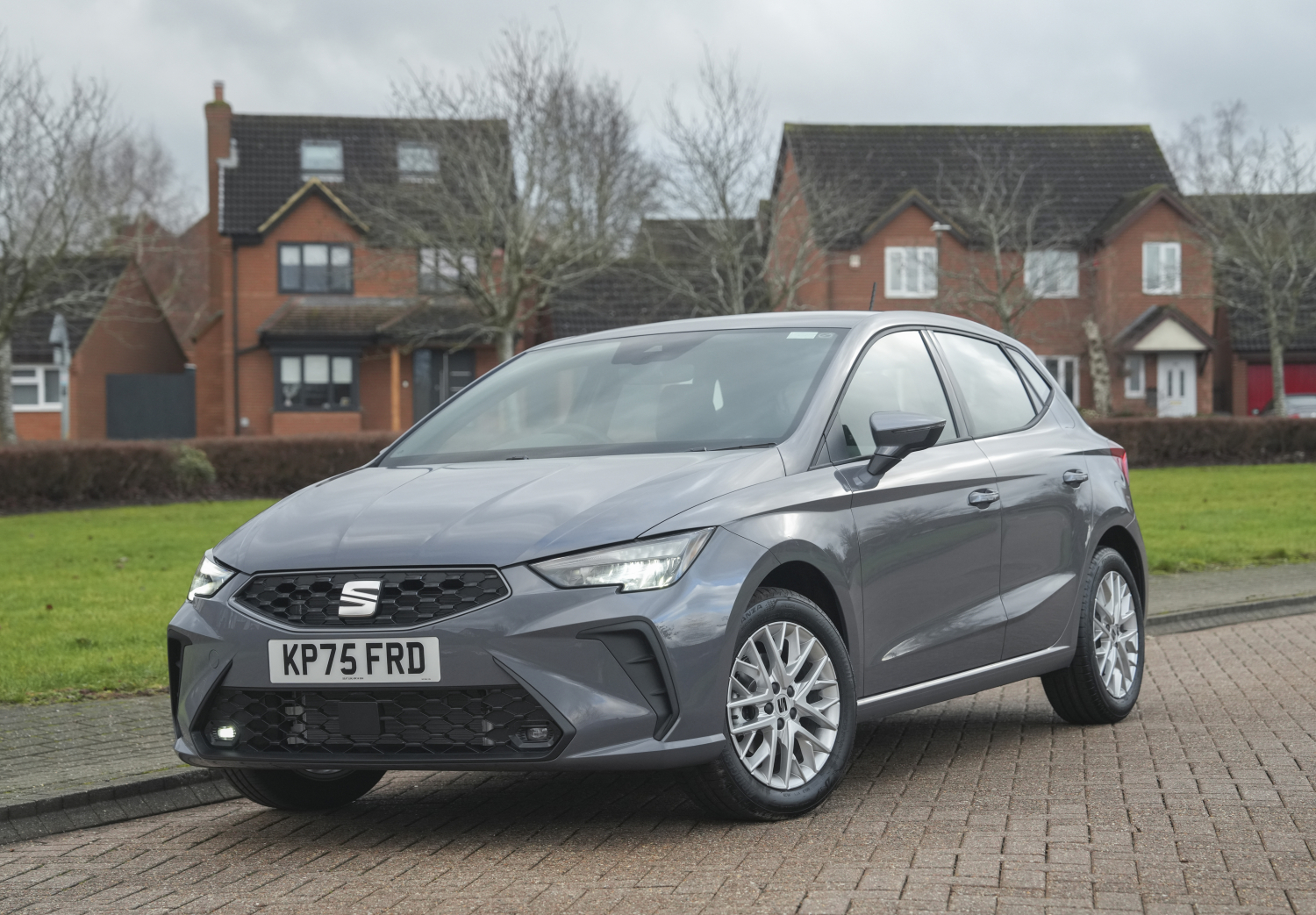
Maintenance tips for long-term reliability
Regular maintenance prevents faults in the wipers and lighting. Check the wiper rubbers – the flexible rubber edges of the wipers – every three months for cracks or hard spots. Replace them at the first signs of wear to prevent streaking. Clean the windscreen thoroughly with glass cleaner to remove grease and insect residue that can damage the wipers.
In frost, switch the windscreen wipers off before you drive off. Frozen wipers can overload the wiper motor or tear the rubbers. Use the HI setting only in extreme weather, as continuous high speed increases wear. The intermittent setting reduces wear on a dry windscreen and extends the life of the motor.
If faults occur, check the wiper relay – a small electrical switch that controls the wipers – which is available from parts specialists from just a few euros. You can often recognise a faulty relay by clicking noises without any wiper movement. Check the lights twice a year, preferably before long journeys or seasonal changes. Keep spare bulbs in the car for emergencies on the road.
Recognising common faults
Besides streaks and incorrect settings, there are some specific faults that can occur on the Seat Ibiza. A dashboard warning light for the rain sensor – a small indicator on the instrument panel that looks like a windscreen with drops – comes on when the sensor is active or when there is a fault in the system. If the light stays on when the sensor should not be active, have it checked. The sensor may be dirty or defective.
Windscreen wipers that suddenly stop while in use often indicate an overloaded motor or a faulty relay. Switch off the ignition, check for any obstacles under the wipers and try again. If the problem persists, have the motor and wiring checked by a professional garage. Replacing a wiper motor costs a few hundred euros, depending on the model.
Lighting that flickers or goes out may indicate loose connections, a weak battery or a faulty voltage regulator. A voltage regulator is a component that keeps the electrical voltage in the car stable. First check that the battery terminals are tight and free of corrosion. Measure the battery voltage with a multimeter – a measuring device for electrical voltage – it should be between 12.4 and 12.8 volts with the ignition off. A lower voltage indicates a weakened battery that may not be supplying sufficient power to lights and sensors.
‘ Your car keeps running reliably. ’
Discover more about the Seat Ibiza
On the Carnews website you will find extensive information on maintenance, common problems and practical tips for the Seat Ibiza and other models. Explore more articles about faults, maintenance schedules and owners’ experiences so that you can spot problems in good time, avoid unexpected repair costs and keep your car running reliably.
Frequently asked questions
How do I optimally adjust the sensitivity and interval of the windscreen wipers on my Seat Ibiza for different weather conditions?
In light rain or drizzle, use the intermittent setting and use the rotary knob on the wiper stalk to set a longer pause; shorten the interval as the rain increases. If you have a rain sensor, set the wipers to AUTO and use the knob to increase sensitivity in fine drizzle and decrease it in heavy, continuous rain (otherwise they will wipe too fast). In heavy or rapidly changing showers, switch to the low continuous setting (LO), and only use the highest setting (HI) in very heavy rain or at high speed. Make sure the screen and wiper blades are clean, because you will often solve streaks or squeaking more effectively by cleaning or replacing them than by selecting an even higher wiper speed.
What are the correct procedures for adjusting the headlights on a Seat Ibiza to ensure maximum visibility without dazzling oncoming traffic?
Park the car on a level surface about 5 to 10 metres from a flat wall, with the tyre pressures correctly set and the car either unloaded or loaded as it usually is; measure the height of the centre of the headlights and mark a horizontal line on the wall at the same height. Switch on the dipped beam and use the vertical adjustment screw to set the light beam so that the brightest core falls just below the line drawn on the wall, and ensure that the kink in the beam (rising to the right) is on or just to the right of the vehicle’s centre line. Check and, if necessary, correct the height adjustment inside the car (headlamp levelling) so that position “0” is used for normal loads and a lower position for heavy loads, to prevent dazzling. Repeat the procedure for each headlamp separately and take a test drive in the dark to check the alignment without disturbing oncoming drivers.
Which hidden ‘adjustments’ or functions are there for the lighting and ‘windscreen wipers’ on the Seat Ibiza that can improve the driving experience?
The Seat Ibiza offers, for the wipers, a rain sensor with adjustable sensitivity via the rotary knob on the stalk, so the wiper speed is automatically adapted to the amount of rain. Through the CAR menu (mirrors and wipers) you can activate extra functions, such as automatic mirror tilt when reversing. For the lights there is an AUTO mode in which the light and rain sensor automatically switch the dipped beam on and off, plus separately switchable front and rear fog lights by pulling the light switch outwards. On some Ibiza 6J models there is a main beam assist function that you can activate with a specific combination on the indicator/main-beam stalk.
How can I diagnose and possibly solve problems myself with the ‘windscreen wiper’ or ‘lighting’ settings on my Seat Ibiza?
First check whether the wiper and light switches are correctly set to the right positions (AUTO, intermittent, LO/HI, dipped or main beam) and test each function separately while paying attention to noises, hesitation or warning lights on the dashboard. On models with a rain sensor, change the sensitivity with the wheel on the wiper stalk and see whether the wiper speed clearly responds to more or less water; if there is no response, check fuses, relays and the wiper blades for wear. For the lights, walk around the car in all switch positions (0, AUTO, ON) to check that dipped beam, daytime running lights, main beam and fog lights actually illuminate; if certain lights do not work, first replace the relevant bulb and check the fuses. If this does not solve the problem or a warning light remains on, consult the manual for model-specific menu settings (for example via the CAR menu) or have a diagnostic check carried out at a garage.
Are there specific ‘settings’ for the fog lights or daytime running lights on a Seat Ibiza that affect their functionality or appearance?
Yes, there are specific settings: you can switch the fog lights on and off manually by pulling the light switch outwards (first position for front, second for rear), which directly affects the car’s appearance. The basic daytime running lights are normally on automatically in position ‘0’ or ‘AUTO’ and cannot be adjusted in terms of brightness or pattern, only indirectly via the main light setting (0, AUTO, ON). On models with a light sensor, the AUTO mode determines when daytime running lights switch over to dipped beam, which affects both visibility and appearance. Further cosmetic changes (different bulbs or LED kits) fall outside the standard factory settings and must be checked technically and legally.