

A rattling or creaking noise from the front axle often points to worn strut top mounts. These rubber mounts connect the shock absorbers to the bodywork and are part of the suspension system that is subjected to stress every day. When they wear out, you don’t just hear it, you also notice it in the steering and feel it in the handling. Do you recognise this noise? Then it’s time to take action.
What causes creaking noise in the front axle
Strut top mounts are located at the top of the front shock absorbers and ensure that the suspension can move smoothly along with steering movements. They absorb vibrations and prevent play between the suspension and the bodywork. When these mounts wear, play develops. The rubber hardens, tears or loses its shape.
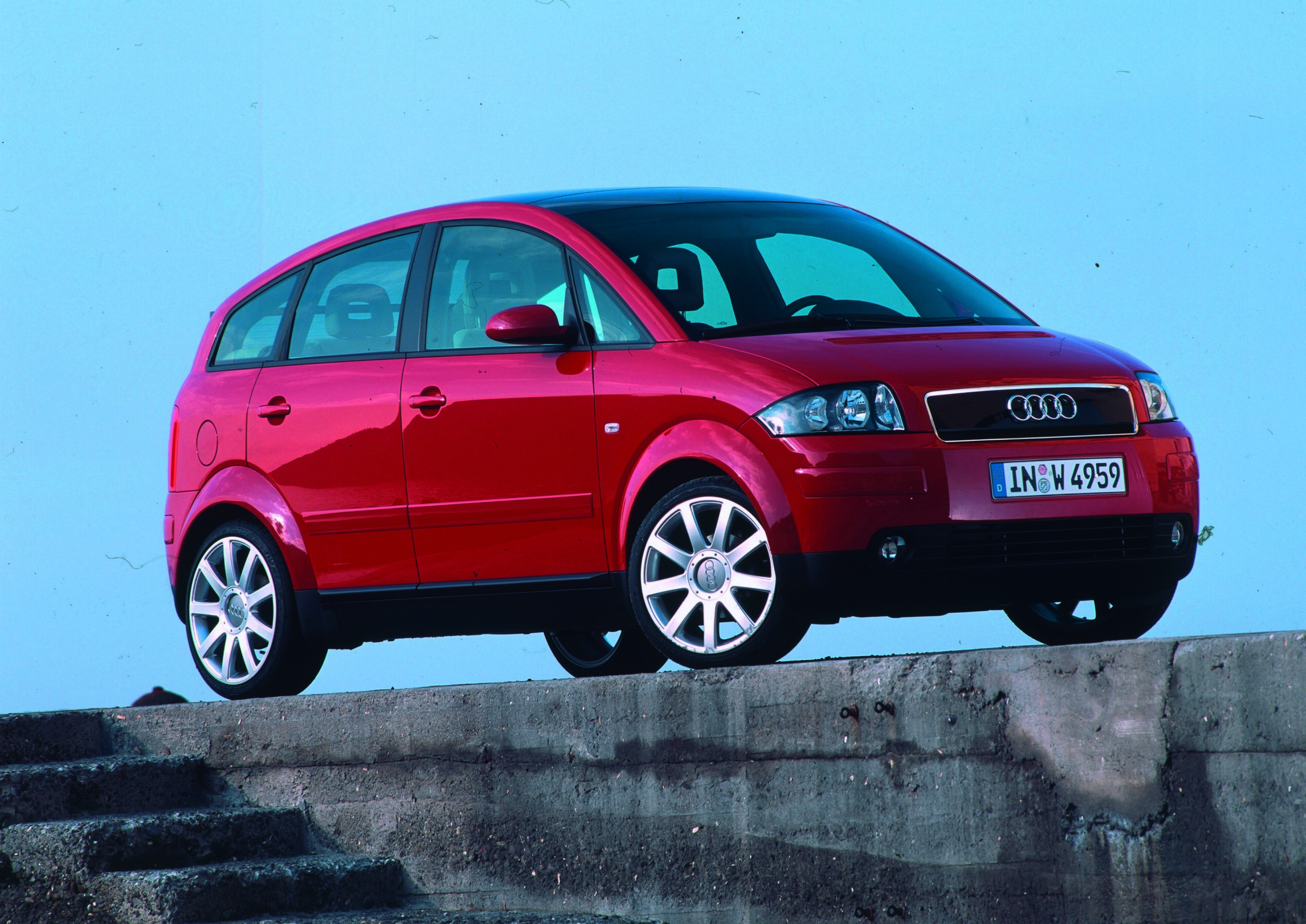
The noise you hear is caused by metal rubbing against metal or because worn rubber no longer absorbs movement smoothly. This mainly happens when turning the steering wheel, driving over speed bumps or potholes. In models such as the Audi A2 this problem occurs regularly, because the compact design and aluminium body make the strut top mounts sensitive to stress.
Other possible causes of noise from the front axle are worn anti-roll bar links, ball joints or shock absorbers. That’s why a thorough inspection is needed to find the real culprit.
Recognise worn shock absorber mounts by these symptoms
Worn strut top mounts (the rubber mounts on top of the shock absorbers) give off clear signals. The most recognisable sign is the rattling or creaking noise, most noticeable when steering at low speed or when the steering wheel returns after a bend. The noise sounds like a “click” or “clonk” and comes from the wheel arches.
In addition, you may experience the following symptoms:
- Play in the steering: the steering wheel feels spongy, imprecise or stiffer
- Uneven tyre wear: tyres wear faster on one side due to incorrect wheel alignment
- Instability: the car pulls to one side or feels unstable on the road
- Worse in cold weather: after a cold night the noise becomes louder because the rubber stiffens
These signals do not always immediately point to the strut top mounts, but when you experience several symptoms at the same time, the chances are high that the mounts need replacing.

How serious are worn shock absorber mounts
Worn shock absorber mounts are not an immediate safety risk, but they do affect handling and comfort. The steering becomes less precise and you have less control over the car, especially in bends or when making sudden steering corrections. This can be dangerous in emergency situations.
If you continue driving with worn strut top mounts without taking action, other components will also be damaged. The shock absorbers are subjected to greater loads and can fail more quickly. Wheel alignment also becomes disturbed, leading to uneven tyre wear and higher costs for new tyres.
In addition, worn strut top mounts can cause damage to control arms and other suspension components. What starts as a small, annoying noise can turn into an expensive repair if you wait too long.
How long can I drive with worn shock absorber mounts
Driving with worn shock absorber mounts is technically possible, but unwise. You can drive on for a few weeks without immediate danger, but this is not a recommended solution. The longer you wait, the greater the risk of additional damage and higher costs.
The problem gets worse over time. The play increases, the noise gets louder and the steering becomes less safe. With daily use, especially in town with lots of steering and bumps, the mounts deteriorate quickly. That’s why it’s sensible to make an appointment at the garage within a few weeks.
Strut top mounts typically wear after 40,000 to 80,000 kilometres, depending on driving style and road conditions. With lots of driving on bad roads, cobblestones or unpaved tracks, wear can occur earlier. Some mounts last the entire life of the car, while others fail early.
Checking shock absorber mounts yourself in five steps
You can carry out an initial check yourself to determine whether the shock absorber mounts are worn. This saves time and money before you go to the garage.
- Park on a flat surface and ask someone to listen near the wheel arches while you turn the steering wheel from full left to full right.
- Drive slowly over a speed bump and note whether the noise comes from the left or right.
- Lift the car with a jack and check for play by pushing and pulling on the strut. If you feel play at the top, this is a clear sign.
- Spray the strut top mount temporarily with WD‑40. If the noise disappears briefly, you know the top mount is the culprit.
- Watch out for rolling body movement or pitching when braking or accelerating.
A professional test in the garage also checks compression, oil leaks and external damage to the mounts and shock absorbers.
How much does it cost to replace shock absorber mounts
The costs for replacing shock absorber mounts are between 200 and 500 euros per side, including labour. If the shock absorbers also need replacing, you are looking at costs of 700 euros or more. The price depends on the make and model of the car and the quality of the parts.
DIY enthusiasts can save money by doing the job themselves. A set of strut top mounts costs between 50 and 100 euros. You do need basic tools, including a spring compressor to safely relieve the spring. For most car owners, however, it is wiser to outsource the job, because setting the wheel alignment after installation requires specialist equipment.
It is sensible to have both sides replaced at the same time, even if only one side makes noise. This ensures balance in the suspension and prevents you from having to pay again shortly afterwards for the other side.
Replacing shock absorber mounts in six steps
Replacing shock absorber mounts is a job that is perfectly manageable with the right knowledge and tools. These are the steps a garage or experienced DIYer follows:
- Remove the front wheel and disconnect the brake hose and anti-roll bar link.
- Fit a spring compressor to compress the spring and relieve the tension on the strut.
- Undo the top nut (usually 21 to 24 mm) and remove the old strut top mount and rubbers.
- Fit the new strut top mount and rubbers, making sure everything is properly secured.
- Refit the strut, reconnect the brake hose and anti-roll bar link.
- Have the wheel alignment set to prevent tyre wear.
Preferably use OEM parts or quality brands such as Lemförder or Febi for durability. After installation it is sensible to run in for 100 kilometres and then check the alignment again.
‘ This way you can detect wear at an early stage and prevent more serious damage. ’
Prevent wear with these maintenance tips
Although strut top mounts are wear parts, you can extend their service life with a few simple measures. Avoid kerbs and don’t drive at high speed over bumps or potholes. This significantly reduces the load on the mounts.
Have the suspension checked annually during the MOT or a service. This way you can detect wear at an early stage and prevent more serious damage. For temporary relief you can apply silicone spray to the rubbers, but this does not solve the problem.
For specific models such as the Audi A2 it is sensible to clean the wheel arches regularly to prevent rust, because salt and moisture shorten the service life of the mounts. Consider heavy‑duty mounts if you do a lot of city driving with sharp bends and speed bumps.
On the Carnews website you will find much more information about maintenance, common car problems and practical tips for car enthusiasts. Discover more and stay up to date with everything that keeps your car in top condition.
Frequently asked questions
You can recognise worn strut top mounts by a knocking, creaking or “rattling” noise at the front when steering or driving over speed bumps and potholes. The noise often sounds like a dull “clonk” or repeated “rattle-rattle” when the suspension compresses and rebounds or when the steering wheel returns to centre. In addition, the steering wheel can feel spongy or stiff and the car may steer nervously or feel unstable. The typical “rattling noises” therefore occur mainly at low speed, when driving over speed bumps and when making steering movements.
Common causes of premature wear on strut top mounts include driving on poor roads and over speed bumps, a firm or sporty driving style, and exposure to moisture, cold and rust. Lack of timely inspection and alignment can also cause extra load and wear. You can extend their service life by driving carefully over bumps and speed humps, avoiding kerbs and having the strut top mounts checked annually during servicing or the MOT. Using quality (OEM) parts and replacing both strut top mounts at the same time also contributes to a longer service life.
Continuing to drive with worn strut top mounts worsens road holding, because the car becomes more unstable, leans more in bends and steers less precisely. This reduces safety: the car can unexpectedly pull to one side, the braking distance in emergencies may become less favourable and loss of grip on uneven surfaces increases. In addition, worn strut top mounts cause extra loads and impacts on shock absorbers, control arms, ball joints and anti-roll bar links, which accelerates their wear. Alignment can also go out of spec, with uneven tyre wear and a higher risk of a blowout as an additional consequence.
Strut top mounts must be replaced when you hear a knocking, creaking or rattling noise when steering or driving over bumps, when play develops in the steering or when the car feels unstable and the tyres wear unevenly. In practice this often happens around 80,000–120,000 km, but the actual moment depends on driving style and road conditions. For motorsport enthusiasts there are reinforced or “heavy‑duty” strut top mounts and sporty (polyurethane) rubbers available, often combined with sports or coilover suspension for sharper handling. It is advisable to replace both strut top mounts at the same time and to have an alignment carried out immediately.