
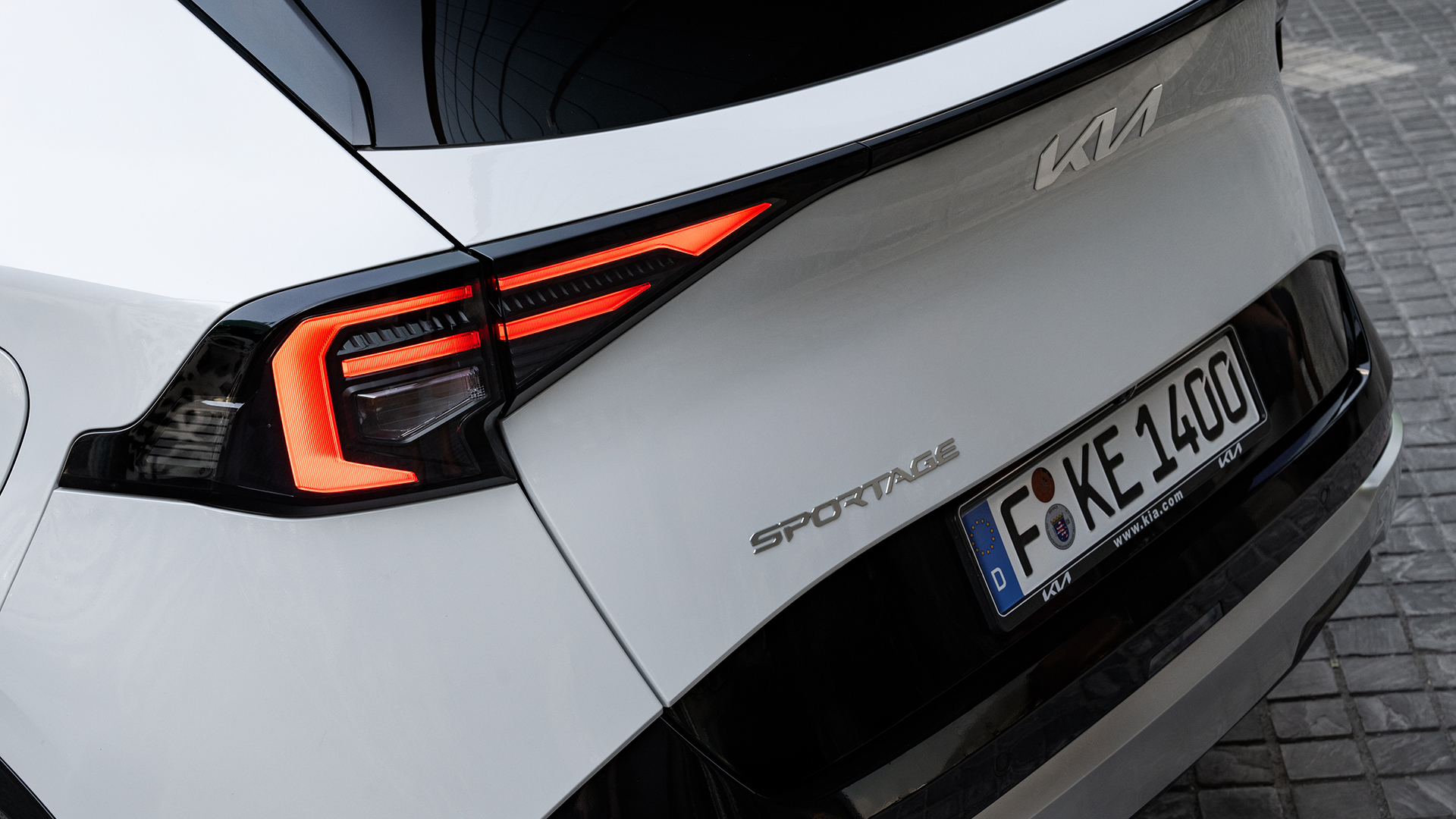
The cruise control in the Kia Sportage, especially in diesel models, regularly cuts out due to faulty sensors or electronics. This problem mainly occurs in the 1.7 CRDI variant and shows up as warning messages or cruise control that shuts down completely. With the right diagnosis and approach, you can resolve many faults yourself.
Why does the cruise control fail in the Sportage?
The causes of failing cruise control in the Kia Sportage are often found in electrical components. The brake pedal switch is a common weak point. This switch detects when you brake and temporarily deactivates the cruise control. If there is a loose connection or a defect in the switch, the system will refuse to work at all.
The clutch pedal switch plays a similar role in manual diesel models. If this switch fails, the car no longer correctly registers when you depress the clutch. The result is that the cruise control will not switch on, or suddenly drops out while you are driving.
Modern Sportage models are equipped with Smart Cruise Control with a radar module behind the front bumper. This radar measures the distance to vehicles in front and automatically adjusts the speed. Dirt, snow or ice build-up on the radar sensor blocks the signal. The system then displays a warning on the dashboard and switches itself off for safety.
‘ The system then refuses to activate or suddenly loses the set speed while driving. ’
Technical causes behind cruise control problems
The speed sensor in the gearbox supplies the engine control module with data about the driving speed. If this sensor fails or malfunctions, the cruise control system no longer receives reliable information. The system will then refuse to activate or suddenly lose the set speed while driving.
The throttle position sensor regulates the position of the accelerator pedal and the air supply to the engine. In diesel models with a defective throttle position sensor, several symptoms often appear at the same time. You will notice this through black exhaust smoke, increased fuel consumption and cruise control that does not respond to commands.
Vibrations on poor road surfaces or unpaved roads cause temporary faults in the Smart Cruise Control. The radar module and electronics are sensitive to heavy shocks. Owners report that after intensive use on bumpy roads, the system sometimes freezes until you restart the engine.
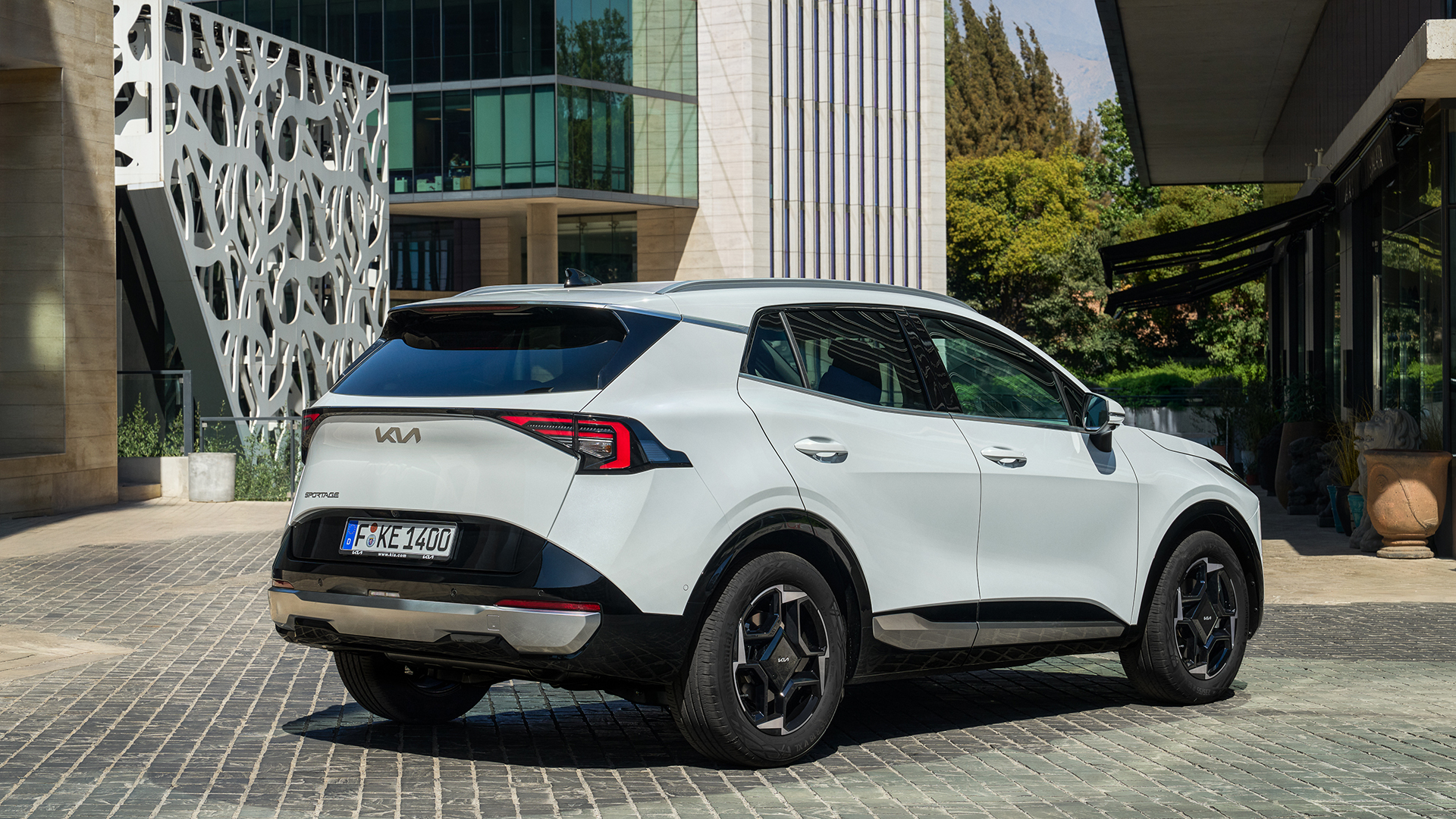
Recognisable symptoms of cruise control failure
The dashboard displays specific warnings when the cruise control develops a fault. The message “Check Smart Cruise Control System” appears in the cluster if there are sensor issues. A yellow or orange light with the cruise control symbol stays on or flashes when the system detects a technical fault.
With partial faults, the cruise control still works, but does not fully carry out certain actions. The system switches on and keeps the speed constant, but does not accelerate automatically after slowing down. Or you can increase the speed with the plus button, but the cancel button does not respond. In these cases, only the brake still works to switch off the cruise control.
Some owners notice that the cruise control drops out at specific moments. On inclines, the system accelerates or decelerates unexpectedly, making it difficult to maintain the desired speed. In bends, the system sometimes temporarily switches off and refuses to resume until the road is straight again.
Resetting the cruise control yourself
Start with a visual inspection of the switch on the brake pedal. This switch is located directly behind the pedal and has an electrical connector. Check that the connector is firmly attached and shows no visible damage or corrosion. Disconnect the connector and push it back in to restore a poor connection.
Next, inspect the fuse box. The cruise control uses a specific fuse that will blow in the event of a short circuit or overload. Consult the manual for the correct location of the cruise control fuse. Replace a blown fuse with a new one of the same amperage.
Clean the radar sensor behind the front bumper thoroughly on Smart Cruise Control models. Use a soft cloth and water to remove dirt, mud or dried-on insect residue. Make sure you do not damage the sensor with sharp objects or aggressive cleaning agents. After cleaning, the warning often disappears automatically after driving a few kilometres.
You can carry out a full reset of the system by temporarily disconnecting the battery. Switch off the ignition and wait one minute before disconnecting the negative battery terminal. Leave the battery disconnected for ten minutes to reset all systems. Reconnect the battery and start the engine. The cruise control system then performs a self-test and sometimes restores itself automatically.
‘ Without a professional reset, the system remains faulty, even after replacing parts. ’
Cruise control faults in the 1.7 CRDI
The Kia Sportage 1.7 CRDI is known to be sensitive to cruise control faults. This diesel model uses an electronically controlled accelerator pedal without a mechanical cable. Communication between the accelerator pedal, engine control module and cruise control is entirely via electrical signals. A fault anywhere in this chain shuts down the entire system.
Owners of the 1.7 CRDI report that the cruise control often cuts out after software updates or battery changes. The system sometimes requires recalibration by a specialist workshop with diagnostic systems. Without a professional reset, the system remains faulty, even after replacing parts.
In older 1.7 CRDI models, the contacts in the steering column wear over time. The cruise control controls are integrated in the button panels on the steering wheel. Worn contacts cause intermittent faults where the buttons sometimes respond and sometimes do not.
Step-by-step diagnosis plan
First test the system on a safe, level road with no traffic. Accelerate to at least 50 kilometres per hour and activate the cruise control with the CRUISE button on the steering wheel. Check whether the indicator light appears on the dashboard. Set a speed by pulling the stalk to SET. Check whether the car maintains the speed without you touching the accelerator pedal.
Perform a brake test by tapping the brake lightly. The cruise control should switch off immediately. Resume the cruise control with the RES button. If the system does not resume, this indicates a problem with the switch or the storage of set values in the module.
Check the operation at different speeds and in different conditions. Test the cruise control above and below 50 kilometres per hour. Try the system on gentle inclines and check whether it adjusts the speed. With Smart Cruise Control, drive behind another car to test whether the system responds correctly to changes in distance.
If problems persist, have the fault codes read out. The engine control module stores specific fault codes when sensors or modules report issues. These codes point to the exact cause: a defective sensor, module, switch or electrical connection. Without diagnostic equipment, the precise cause remains guesswork.
When professional help is needed
Some faults fall outside the scope of DIY work. Software-related problems require recalibration or an update via the dealer network. The engine control module communicates with multiple systems and can only be adjusted using authorised software.
You should not attempt to replace defective modules such as the radar or the cruise control computer yourself without knowledge of electronics. These components require coding and pairing to the specific chassis number of your car. Incorrect installation leads to persistent faults or even damage to other electrical systems.
Contact a specialist workshop if warning messages continue to appear after all your own checks. Persistent faults point to deeper technical problems requiring specialised diagnostics. For safety reasons, you should not drive for long periods with defective cruise control on motorways where you use the system intensively.
‘ The system responds to vehicles in front, but does not detect every situation, such as stationary objects or pedestrians. ’
Practical usage tips
Only activate the cruise control above 30 kilometres per hour on roads with little traffic. The system does not work below this speed and switches off automatically at very low speeds. Do not use cruise control in heavy traffic where you constantly need to brake and accelerate.
Test the cruise control briefly on a regular basis to check that the system is functioning correctly. Do not leave the system unused for months, as this increases the risk that minor faults go unnoticed until you really need the system on a long journey.
Manually adjust the set speed on hills by briefly pressing the accelerator pedal. This temporarily overrides the cruise control without switching the system off. Release the accelerator pedal and the system resumes the set speed. This prevents annoying speed fluctuations on undulating roads.
In Smart Cruise Control models, always stay alert to the traffic around you. The system responds to vehicles in front, but does not detect every situation, such as stationary objects or pedestrians. Keep your hands on the steering wheel and be ready to intervene whenever necessary.
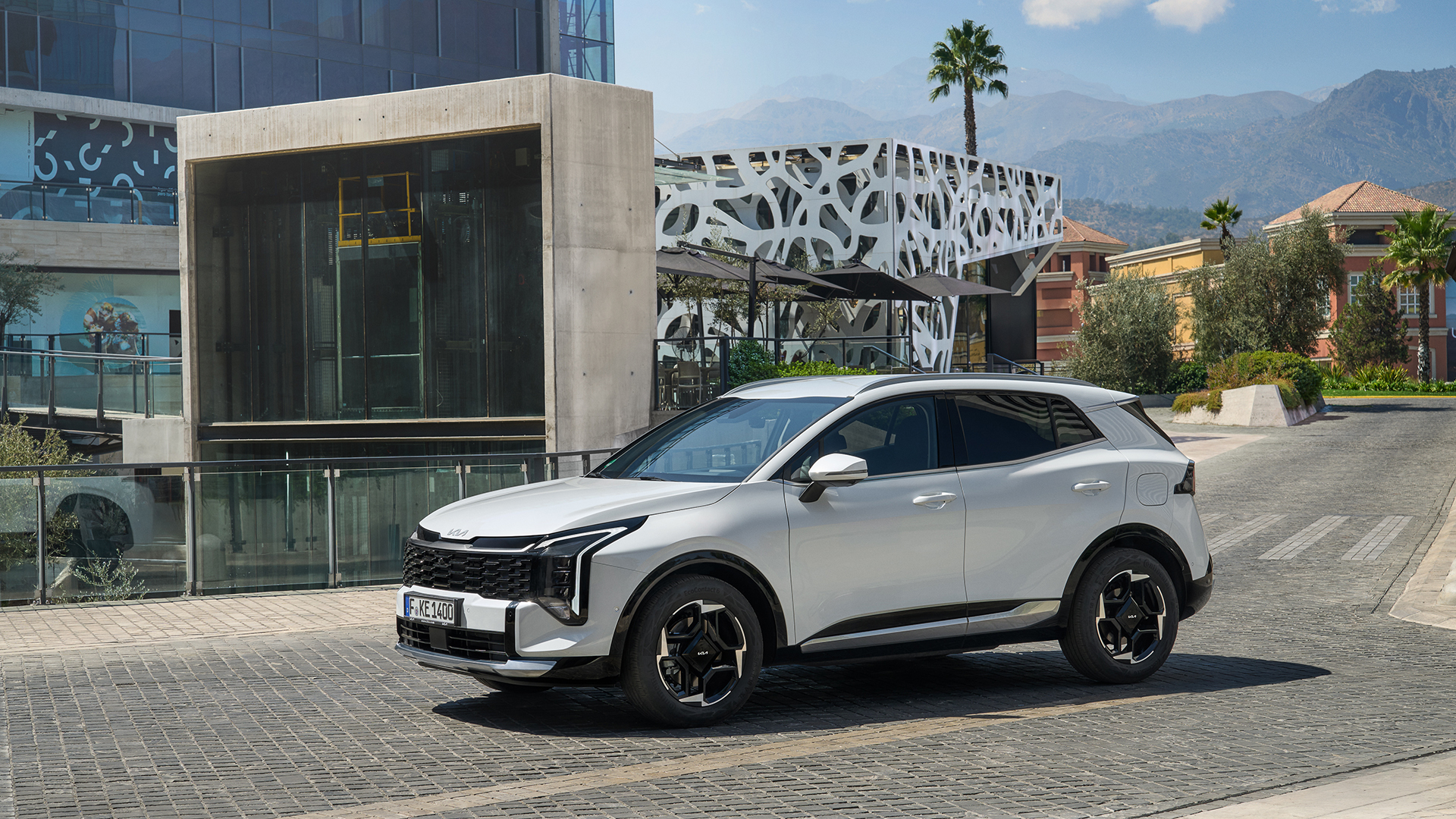
Discover more about your Kia Sportage
Cruise control is just one aspect of the electronics in modern cars. On the Carnews website, you will find extensive information about common problems, maintenance tips and practical solutions for various Kia models. Discover more useful articles that help you recognise and resolve technical faults.
Frequently asked questions
The most common causes of cruise control failure in a Kia Sportage are defective switches, such as the brake or clutch switch, and problems with the cruise control buttons. In addition, sensor and module issues can occur, such as faults in the radar, speed sensor or ECM. Other common causes include a blown fuse and throttle or ABS faults. Environmental factors, such as snow, rain or dirt blocking the front radar, can also temporarily shut the system down.
The most frequently reported cruise control problems in the Kia Sportage occur in models with Smart Cruise Control from the fourth generation (roughly model years 2016–2021). Early production years within this generation in particular seem more sensitive to faults in the radar and sensor systems. In addition, cars from slightly later years are sometimes affected too, especially when they have been used intensively on poor roads. For other generations and model years, cruise control problems are less frequent and less specifically documented.
There are no widely known major global recalls specifically for cruise control faults in the Kia Sportage, but there are various technical service bulletins (TSBs) and dealer updates relating to problems with sensors, switches and the Smart Cruise Control module. These bulletins often focus on error messages such as “Check (Smart) Cruise Control System” and the cruise control cutting out or not being able to switch on. The measures range from software updates to checking or replacing brake pedal switches, radar units or speed sensors. Ask your dealer, using the VIN, whether there are any outstanding TSBs or service actions for your car.
Start by checking that the brake and clutch pedal switches are securely attached and working correctly, and check whether the cruise control buttons on the steering wheel respond properly. Then check the relevant fuses and wiring for damage or corrosion. Test the system on a straight, level road and pay attention to any warnings or error messages on the dashboard. Finally, clean the front sensors/radar, and if faults or warnings persist, have the car read with diagnostic equipment by a specialist.
The costs of repairing defective cruise control in a Kia Sportage are usually between about €150 and €600, depending on the cause (for example, a simple switch/fuse versus a radar or module problem). Basic diagnostics at a garage usually cost around €50–€100, excluding parts and labour for the actual repair. If sensors or the Smart Cruise Control module need to be replaced, the costs can be significantly higher. For that reason, first have a fault diagnosis (reading out stored faults) carried out to obtain a targeted cost estimate.
Yes, there are a few DIY solutions for minor cruise control problems in a Kia Sportage, such as checking the brake and clutch switches for loose connections. You can also check the relevant fuses yourself and visually inspect the wiring for damage. In addition, cleaning the front radar and sensors often helps if dirt, snow or rain is hindering the system. If warnings or faults keep coming back, professional diagnostics are recommended.