
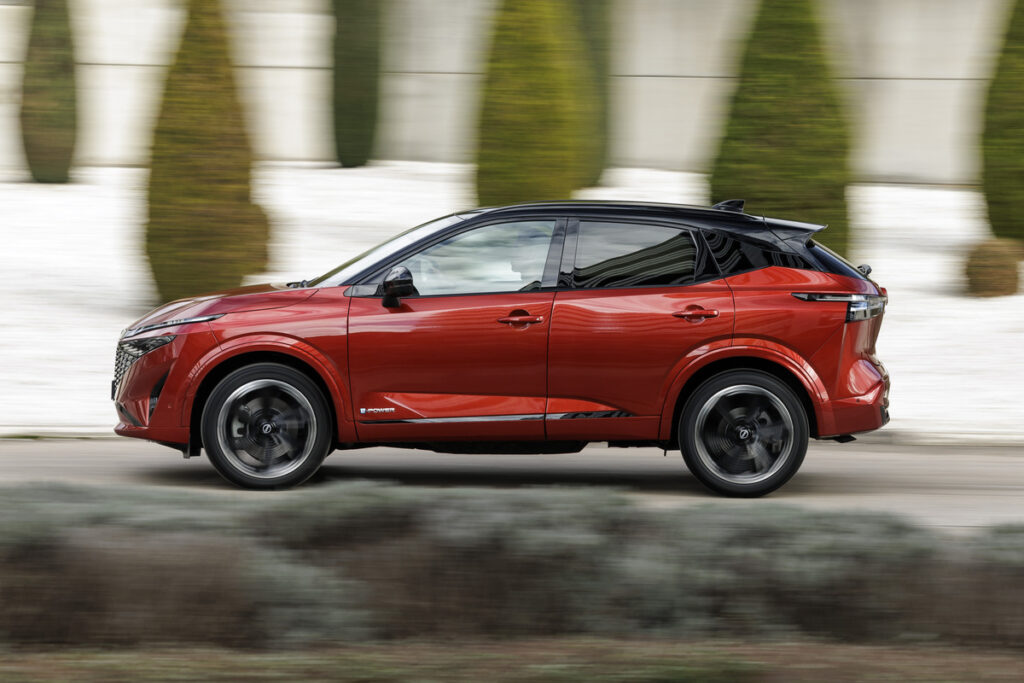
A slipping CVT automatic in the Nissan Qashqai is caused by a worn push belt. This belt causes the drive to drop away. This problem is often combined with aged transmission oil (the oil in the gearbox) and defective bearings (load-bearing components that support moving parts in the gearbox). Repair costs quickly run into the thousands of euros, because in many cases complete replacement of the gearbox turns out to be necessary. This problem occurs more often than you might expect.
Why does the CVT in the Nissan Qashqai slip?
The X-Tronic CVT automatic in the Nissan Qashqai uses a push belt. This belt runs between two conical pulleys to continuously adjust the gear ratio. When this belt becomes worn, it loses grip on the pulleys. The result is a slipping sensation where the engine revs, but the wheels do not receive enough power.
The main causes are aged transmission oil that loses its lubricating properties, wear of internal components due to intensive use, and problems with pressure build-up in the transmission. Broken bearings and loss of oil pressure make the problem worse. At higher mileages the likelihood of these defects increases significantly.
Another problem can be the Transmission Control Unit (TCU), the electronic module that controls the gearbox. Faults in this unit lead to incorrect signals, meaning the transmission does not respond optimally to the accelerator pedal. This can cause slipping, especially when accelerating from a standstill.
Recognisable symptoms of a slipping CVT
You can recognise a slipping CVT by various signals. The most noticeable symptom is that the engine revs high without the car actually accelerating. This happens mainly when pulling away or at high speeds on the motorway.
Other recognisable signs are:
- Jerky behaviour when pulling away from a traffic light
- A thumping sensation during acceleration
- Fluctuating revs at a constant speed
- Grinding or sawing noises from the transmission
- Loss of power during normal acceleration
The noises often point to defective bearings or too little oil in the gearbox. Grinding noises occur when metal components move against each other without sufficient lubrication. This leads to accelerated wear and ultimately complete failure of the transmission.
When does the Nissan CVT fail?
CVT automatics in the Nissan Qashqai are known for their limited service life. Many gearboxes fail at or even below 75,000 kilometres. There are known cases of complete failure after just 48,000 kilometres, often just after the factory warranty has expired.
These early failures have led to reports that entire series of CVT automatics need to be replaced. Both Nissan dealers and specialised transmission specialists (experts in automatic gearboxes) confirm this problem for certain model years. The X-Tronic CVT was mainly used up to 2018; after that Nissan switched to a 7-speed DCT automatic (dual-clutch transmission).
The risk of problems increases with intensive use, poor maintenance and the use of the wrong transmission oil. Driving with a trailer or frequent city driving with lots of stop-start traffic accelerates wear.
How much does CVT repair cost on the Qashqai?
The costs of CVT repair vary considerably. A flush of the transmission oil costs around 400 euros and, if carried out in time, can prevent further damage. This is the most common preventive measure.
Once internal components are already damaged, it becomes more expensive. Overhauling the gearbox quickly costs between 2,000 and 3,500 euros. In case of serious damage, only replacement of the complete transmission remains. A new CVT automatic, including fitting, costs between 4,000 and 6,000 euros. A reconditioned unit is sometimes cheaper, but even then you will pay at least 3,000 euros.
These high costs make it all the more important to act early. Ignoring a warning light or allowing symptoms to persist for too long can be the difference between a 400-euro flush and a new 5,000-euro gearbox.
Preventive maintenance prevents high costs
Regular oil flushing significantly extends the life of the CVT. Contaminated oil loses its cooling and lubricating properties, which leads to higher operating temperatures and increased wear. By changing the oil in good time, you prevent permanent damage to internal components.
Pay attention to these maintenance points:
- Always use original or Nissan-approved transmission oil
- Have the oil and filters replaced according to the schedule
- Regularly check for leaks under the car
- Avoid heavy loads such as trailers at higher mileages
- Monitor acceleration behaviour and revs while driving
If you notice unusual noises, slipping behaviour or warning lights on the dashboard, you must take action immediately. Early diagnosis prevents small problems from developing into expensive repairs. Have a garage read out the fault codes and check the transmission.
Alternatives and buying advice
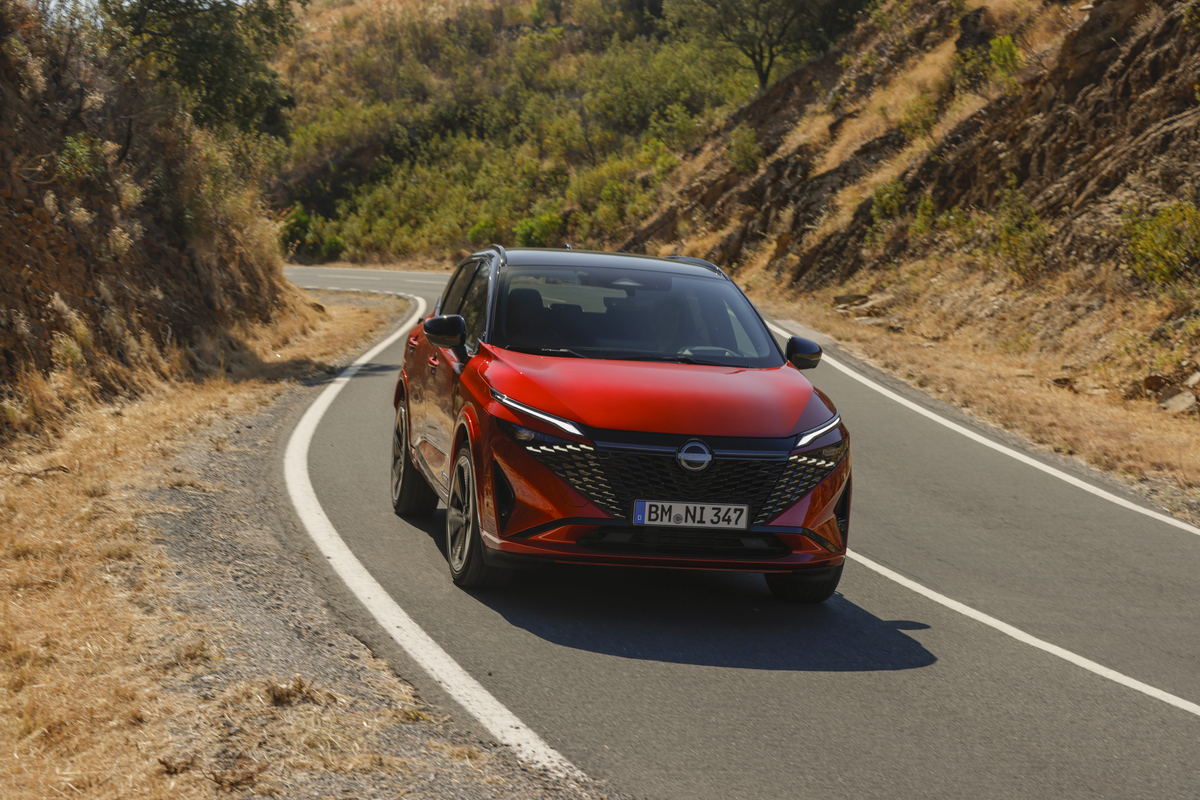
For people considering a Nissan Qashqai, it is sensible to choose models from 2018 onwards. These are fitted with a 7-speed DCT automatic, which is more reliable than the X-Tronic CVT. The DCT suffers less from the early issues mentioned and has a longer service life.
For used examples with a CVT automatic, it is important to check the maintenance history thoroughly. Ask for proof of oil flushing and transmission checks. Test the car extensively by accelerating at different speeds and paying attention to slipping behaviour or strange noises.
If you are unsure between different models or model years, choose reliability over a slightly lower purchase price. The cost of a defective CVT does not outweigh the saving on the purchase price. A car with proven transmission maintenance is preferable to a cheaper example with no history.
When to go straight to the garage
Certain symptoms require immediate action. Do not drive more than strictly necessary when you clearly feel slipping during acceleration, because further damage is then unavoidable. In the event of complete loss of drive, the car must also be taken straight to a garage.
Contact a specialist if you notice these signs:
- Sudden increase in revs without acceleration
- Complete loss of power while driving
- Loud thumps or bangs from the transmission
- Burning smell from under the bonnet
- Warning lights that will not go out
A specialised transmission specialist can often diagnose better than a general garage. These workshops have the knowledge and equipment to test the CVT thoroughly and determine the exact cause of the problem. That prevents unnecessary repairs and ultimately saves money.
On the Carnews website you will find much more information about problems with different car models, maintenance advice and practical tips for car enthusiasts. Discover which other common issues exist and how you can prevent or solve them.
Frequently asked questions
The most common causes of slipping in a CVT automatic in a Nissan Qashqai are aged or contaminated transmission oil and the resulting accelerated wear of internal parts such as the push belt and conical pulleys. In addition, faults in the TCU (Transmission Control Unit) can cause the gear ratios to be controlled incorrectly, which increases slipping. Broken bearings and loss of oil pressure in the transmission can also cause slipping symptoms. Poor or delayed maintenance (such as not flushing the oil in time) significantly increases the likelihood of all these problems.
You can often recognise a slipping CVT in your Qashqai by high engine revs without the car accelerating properly or maintaining speed. You may also experience jerky pull-away, thumps or a “slipping” sensation when accelerating or at low speeds. Another symptom is unstable, “surging” revs at a constant speed, sometimes with strange humming or sawing noises from the gearbox. If this occurs, have the transmission checked as soon as possible and have the CVT oil refreshed or flushed.
Common solutions for a slipping CVT in a Nissan Qashqai are flushing/refreshing the transmission oil, resolving oil pressure or bearing problems and, in more serious cases, overhauling or completely replacing the gearbox. A professional oil flush costs on average around €400. In the event of severe internal wear, the costs for overhauling or replacing the CVT can easily run into several thousand euros. Taking action at an early stage (at the first signs of slipping or juddering) can often prevent the need for an expensive replacement gearbox.
Prevent CVT slippage by having the transmission oil refreshed or flushed in good time and on a regular basis, always using Nissan-specified or Nissan-approved CVT oil. Have the gearbox periodically checked for wear, oil leaks and unusual noises, especially from higher mileages. Avoid prolonged heavy towing (caravan, trailer) and extreme driving behaviour so the gearbox is not constantly overloaded. At the first symptoms of slipping, juddering or fluctuating revs, have a specialist look at the CVT immediately to prevent further damage.