
Electrical faults can lead to problems with reversing lights and brake lights, which creates confusion for other road users and can result in serious traffic safety situations. This is a serious safety issue. You must deal with it immediately. In this article you will read how to recognise these problems, what the causes are and what you can do straight away to get back on the road safely.
Why brake lights and reversing lights are important
Brake lights and reversing lights form the means of communication between you and the traffic behind you. If these lights fail, other road users cannot see when you are braking or reversing. That increases the risk of collisions considerably. Especially in heavy traffic, bad weather or in the dark, a defective brake light can immediately lead to dangerous situations.
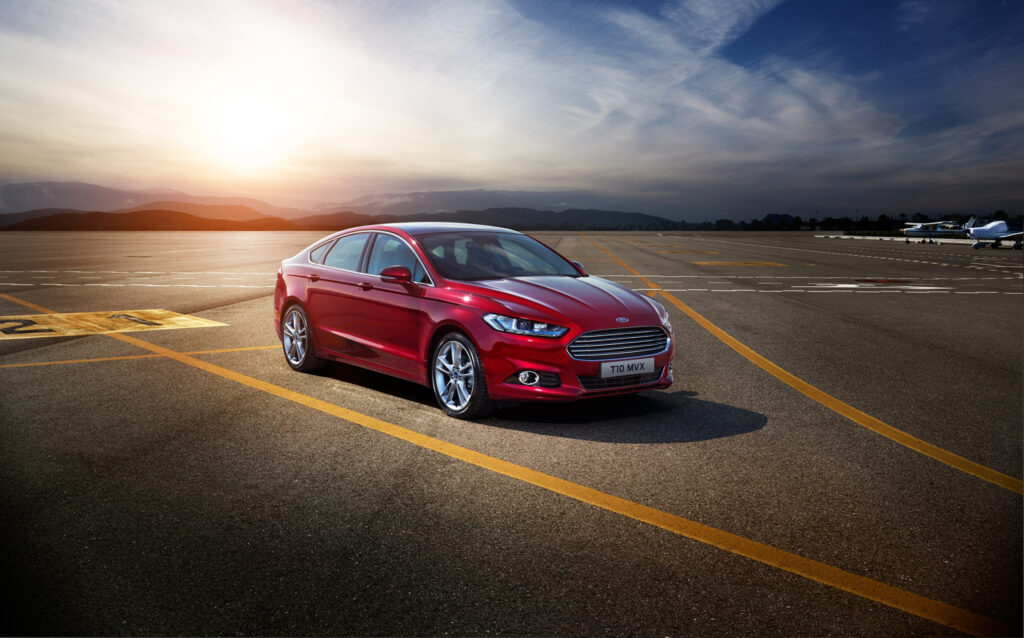
With some models, such as the Ford Mondeo, electrical faults at the rear occur regularly. These can be caused by ageing wiring, corrosion in the bulb holder or defective switches. Often it is not just one bulb that fails, but the whole lighting system at the rear starts acting up.
How to check whether your brake lights are working
There are several ways you can check yourself whether your brake lights are still working. One option is to park the car with the rear facing a wall or garage door. Start the engine, press the brake pedal and watch for the red reflection on the wall. If you see no light or only one side lighting up, there is a problem.
Another method is to ask someone else to help. Have that person stand behind the car while you press the brake pedal. This way you can immediately hear whether all the lights are working correctly. For those who drive alone, a smartphone with a camera can also offer a solution. Start recording with the camera, point it at the rear of the car and then check the footage.
Checklist for a quick brake light check
- Park the car in front of a wall or window
- Turn on the ignition
- Press the brake pedal and observe the reflection
- Check both left and right sides
- Also test the third brake light at the top of the rear window
Common causes of defective brake lights
Most brake light problems are caused by a blown bulb. Bulbs have a limited lifespan and can fail more quickly due to vibrations and temperature changes. This is often easy to fix by replacing the bulb.
In addition, a defective brake light switch is sometimes the cause. This switch is located at the brake pedal and sends the signal to the brake lights. You brake and the switch activates the lights. If the switch is broken, all the brake lights remain off, even if the bulbs themselves are still fine. A mechanic can test the switch and replace it if necessary.
Electrical faults in the wiring or a blown fuse also occur regularly. Corrosion in the bulb holder, especially in older cars, makes it difficult for the current to pass through properly. Check the fuse box and replace a blown fuse immediately. If the problem persists, there is probably a more complex electrical fault.
Why is my reversing light not working?
The reversing light has its own circuit which is activated as soon as you engage reverse gear. If this light does not work, there are several possible causes. A blown bulb is the most common reason, but a defective switch in the gearbox or a problem with the wiring is sometimes the culprit.
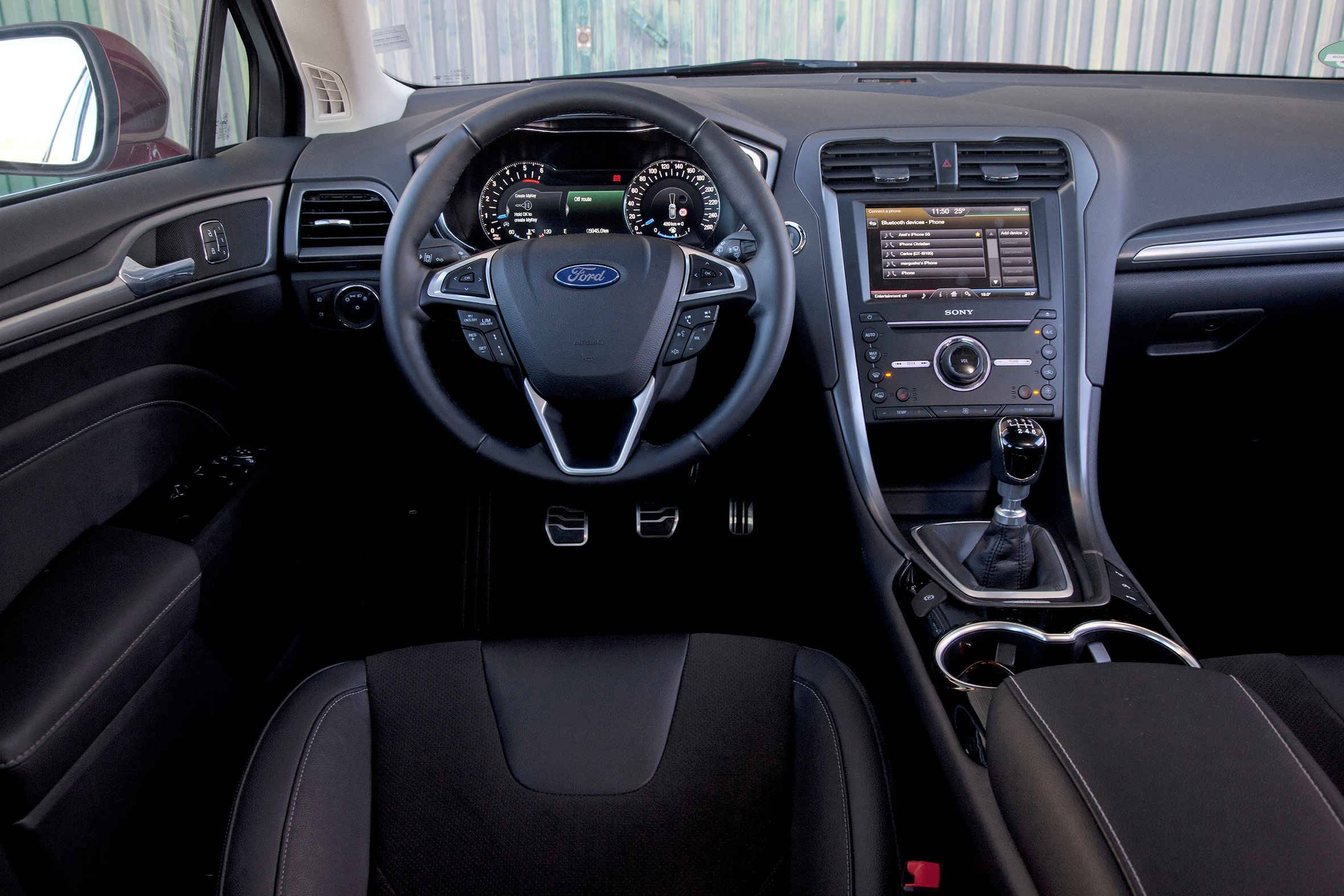
In automatics, a sensor in the gear lever or centre console is sometimes faulty. This sensor tells the lighting system that the car is in reverse. If the sensor fails, the light receives no signal and stays off. Here too, a mechanic can quickly diagnose the problem with a test device.
Steps to test the reversing light
- Put the car in reverse with the ignition on
- Get out and check whether the white reversing lights are on
- If they have failed, first check the bulbs themselves
- Then check the fuse for the reversing lights
- If problems persist, have the switch and wiring checked
‘ In the Netherlands you are required to ensure that all exterior lights on your car are working correctly. ’
Is driving with a defective rear light illegal?
Yes, driving with a defective rear light is illegal and can result in a fine. In the Netherlands you are required to ensure that all exterior lights on your car are working correctly. This applies to brake lights, rear lights, indicators and reversing lights.
During a roadside check the police can issue a fine on the spot. The amount of the fine varies, but is usually between €95 and €140, depending on the type of light that is defective. Brake lights are judged more strictly because they are directly linked to road safety.
In addition, a defective rear light can lead to an MOT failure. Your car will then not be approved and may not go on the road until the defect has been fixed. Your insurance can also cause problems after an accident if it turns out that your lights were not in order.
How to replace a rear light yourself
On many models, replacing a rear light is a job you can do yourself. Usually you only need a screwdriver and a new bulb. Start by opening the boot and locating the access to the rear light unit. On some cars you have to remove a fabric panel or plastic cover.
Next, loosen the screws or clips that hold the rear light unit in place. Carefully pull the unit backwards and disconnect the plug. You can now twist out the faulty bulb and replace it with a new one. Make sure you use the correct type of bulb. This is stated in your car’s owner’s manual or on the bulb itself.
Then refit the unit, tighten the screws and test whether the lights work. Switch through all the functions: rear light, brake light, indicator and reversing light. If everything works properly, you have successfully solved the problem.
What you need to replace a rear light
- Correct type of bulb or LED unit
- Screwdriver (Phillips or flathead)
- Optionally a plastic trim tool for clips
- Clean cloth to avoid fingerprints on halogen bulbs
When should you go to the garage?
You can solve some problems with brake lights and reversing lights yourself, but there are situations where professional help is necessary. If several bulbs fail at the same time or if the problem returns after replacement, this points to a deeper electrical issue.
If you cannot find the cause, it is also wise to consult a mechanic. Modern cars have complex electrical systems in which fault codes can occur. A garage has diagnostic equipment which reads out these codes and identifies the exact cause.
Professional help is also needed for problems with the brake light switch, corrosion in the wiring or faults in the central electronics. These repairs require expertise and special tools. Do not try to fix this yourself if you have no experience with automotive electronics.
‘ Don’t put this off, because besides the safety risk you also run the risk of a fine. ’
Preventive maintenance avoids many problems
Regularly checking your lights helps you spot problems in time. Make it a habit to quickly check all the lights when you are refuelling or washing the car. That way you avoid unknowingly driving around with defective lights.
Also keep the bulb holders clean and dry. Moisture and dirt can cause corrosion, which leads to faults. With older cars it is sensible to have the wiring inspected annually, especially if you drive a lot of kilometres or the car is often parked outside.
Always replace blown bulbs immediately. Don’t put this off, because besides the safety risk you also run the risk of a fine. Keep spare bulbs in the car so that you can act quickly in the event of a failure. You can prevent many car lighting problems with a bit of attention and maintenance.
Discover more about car problems and maintenance
Brake light and reversing light problems are only one aspect of car technology that you, as an owner, may have to deal with. On the Carnews website you will find much more information about common car problems, maintenance tips and practical guides. Whether you want to get to work yourself or simply be better informed, there is always more to discover. Explore the website and stay up to date with everything you need to know as a car enthusiast.
Frequently asked questions
Symptoms of brake light problems include one or more brake lights not coming on, brake lights staying on continuously or only working intermittently, and drivers behind you seeming to notice your braking poorly or too late. Common causes you can check yourself are: a blown brake light bulb, a loose or corroded plug/connector at the rear lights, a defective or incorrectly adjusted brake light switch at the brake pedal, and poor earth connections or blown fuses in the relevant light circuit.
For a basic check of your brake lights, turn on the ignition, ask someone to stand behind the car (or use a mirror/wall), press the brake pedal and check whether both brake lights and the third brake light shine brightly and evenly. Also check for damaged or dull lenses and for moisture in the units. Simple repairs you can do yourself include replacing defective brake light bulbs, cleaning the lenses and removing condensation by checking seals and lightly greasing rubbers. After each repair, make sure you test the brake lights again to check that everything is working properly.
Popular aftermarket upgrades for brake lights include LED brake lights (brighter, switch on faster and often with a more modern look) and dynamic or sequential brake lights that display a running light pattern when braking. Additional third brake lights (for example in the rear spoiler) or extra high-mounted brake lights increase visibility for following traffic. Tinted or ‘smoked’ rear lights can improve the appearance, but must still meet the legal light output requirements. Finally, there are complete custom rear light units (OEM look, blacked-out or with light signatures) that can improve both the looks and the visibility.
Adjust the exterior mirrors so that you only see a small strip of your own car and the rest of the view joins up with what you see in the interior mirror, so that blind spots are kept to a minimum. Regularly check the height and angle of the interior mirror and use the night setting to reduce glare. Keep mirrors and rear window clean and make sure the rear window heating and demisting work properly for a clear rear view. Supplement this with assistance systems such as parking sensors and a reversing camera, but always continue to use mirrors and a shoulder check.
Essential modern technologies for improved rear visibility in sports cars include above all a high-quality reversing camera with wide-angle lens and dynamic guide lines, supplemented by parking sensors all around. Blind spot detection with visual and, optionally, vibration warnings in the mirrors reduces the blind spots beside the car. A 360-degree camera system (bird’s eye view) and rear cross-traffic alert further increase safety when reversing. Finally, an auto-dimming interior mirror and well adjusted, optionally camera-based exterior mirrors contribute to a calmer and sharper view to the rear.