

A lit engine warning light caused by a defective lambda sensor sounds simple: replace the sensor and your problem is solved. Reality is more stubborn. Lambda sensor and emission-related faults regularly point to deeper causes such as a dirty throttle body or air leaks, meaning that replacing the sensor only offers a temporary solution. Read on and avoid unnecessary costs.
What does a lambda sensor do in your car?
The lambda sensor measures the oxygen content in the exhaust gases. The sensor sends this information to the engine control unit. The computer then adjusts the air–fuel ratio. This makes your car more economical to run and keeps harmful emissions down. Modern cars usually have two or more lambda sensors. One sensor is fitted before the catalytic converter and one after it.
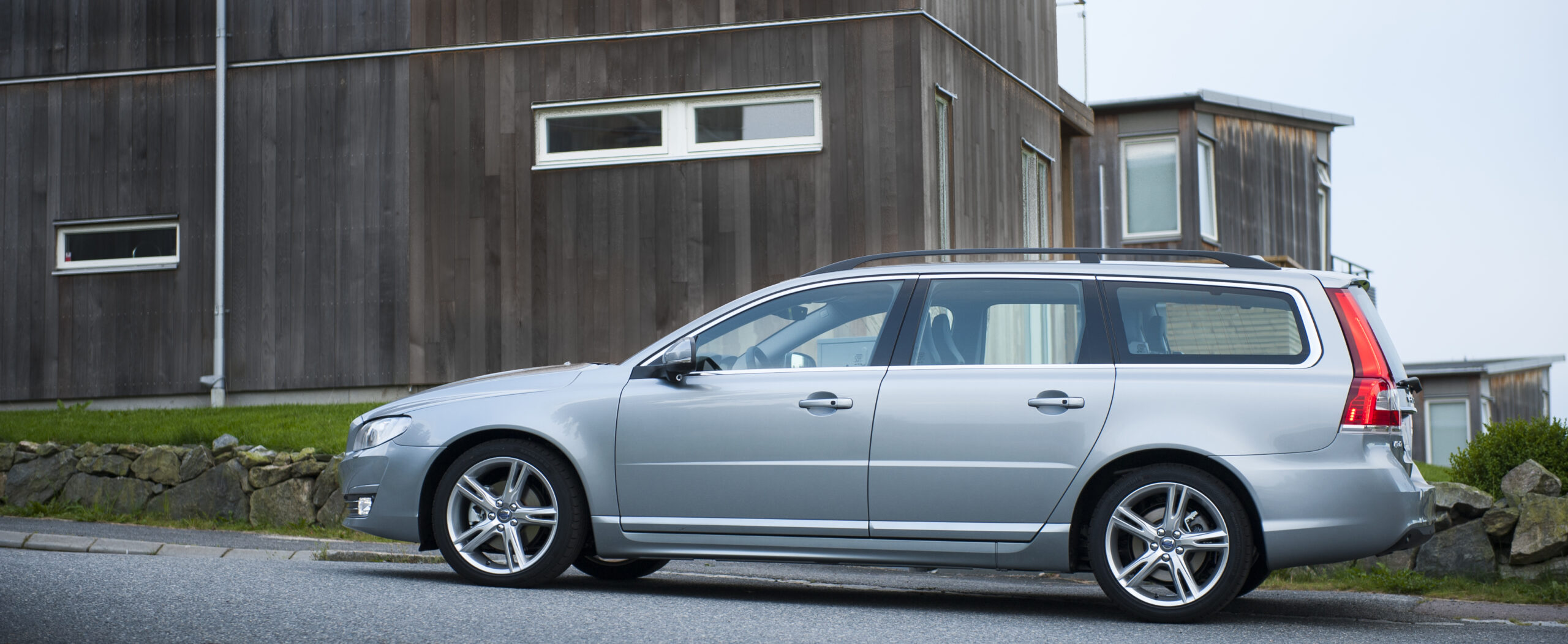
The sensor before the catalytic converter actively controls the mixture. The one after it checks whether the catalytic converter is working properly. The lambda sensor measures deviating values. The engine warning light then comes on. In models such as the Volvo V70 a lambda sensor fault is a common issue, especially on older examples with higher mileages.
A healthy lambda sensor contributes to optimal performance. Without correct feedback the engine can run too lean or too rich, resulting in higher emissions and loss of power.
‘ Short journeys, lots of idling and lower-quality fuel speed up wear. ’
How long does a lambda sensor last?
The average service life of a lambda sensor is between 100,000 and 160,000 kilometres. This range depends on driving style, fuel quality and the condition of the engine. Short journeys, lots of idling and lower-quality fuel speed up wear.
On older cars that do a lot of city driving, the sensor can wear out sooner. Oil burning or coolant leaks into the exhaust damage the sensor from the inside. In practice, owners only notice the first symptoms after about 120,000 kilometres. That can also be earlier or later.
What are the symptoms of a defective lambda sensor?
A faulty lambda sensor causes recognisable problems. The engine warning light is the most obvious sign, but there are more clues:
- Engine warning light on permanently or flashing
- Higher fuel consumption than normal
- Loss of power or a less smooth-responding engine
- Rough running, hesitation or holding back during acceleration
- Increased emissions or an unusual exhaust smell
- Limp-home mode in which the car switches to a protective mode
These symptoms usually mean a mixture that is too lean or too rich. The engine computer can no longer compensate for the problem and activates safety systems. Continuing to drive with these complaints increases emissions and can damage the catalytic converter.
Why does the engine light come on with emission faults?
The engine warning light responds to fault codes. The engine computer logs these codes. The lambda sensor measures values outside the permitted range. The system then stores a code. This can point to a defective sensor, but just as easily to other causes.
Air shortage due to a leak in the intake system, problems with the fuel supply or a catalytic converter that no longer works properly can all cause similar fault codes. The lambda sensor signals the consequence, not always the cause. That is why reading out the fault codes is the first step in any repair.
Fault codes such as P0130, P0171 or P0420 occur regularly with emission problems. These codes provide direction, but without further diagnosis you do not know whether replacing the sensor is the solution.
‘ That makes diagnosis in advance important. ’
Replacement costs between 150 and 400 euros
The cost of replacing a lambda sensor depends on the make and model. It also makes a difference which sensor you are replacing. The sensor itself costs between 50 and 150 euros. Labour costs come on top of that, depending on how accessible it is.
On some models the sensor is easily accessible at the top of the exhaust. On others the mechanic has to work underneath the car or even remove parts of the exhaust. Including labour, you will typically pay between 150 and 400 euros to replace one sensor.
Note: if the underlying cause is not addressed, the new sensor can produce the same fault code again. That makes diagnosis in advance important.
Throttle body and intake leaks as underlying causes
Real-world experience shows that a contaminated throttle body regularly causes lambda sensor faults. Deposits in the throttle body disturb the airflow, causing the engine to run too lean or too rich. The lambda sensor measures this and records a fault code.
Replacing the sensor solves the problem temporarily. After a few weeks or months the fault returns. Cleaning or replacing the throttle body then provides a lasting solution. The same applies to air leaks in hoses, gaskets or the intake manifold.
Always have the entire intake system checked for this reason. Do this before you replace a lambda sensor. A visual inspection for cracks and a smoke test can reveal leaks that would otherwise go unnoticed.
What is the best thing to do if you have a lambda sensor fault?
If the engine warning light is on, you can usually still drive safely to a garage. The engine will then continue to respond normally. In cases of poor running, hesitation or limp-home mode, an immediate check is recommended. Do not leave the car standing for a long time, but schedule a diagnosis quickly.
Have the fault codes read and ask about possible underlying causes. Discuss with the mechanic whether cleaning the throttle body makes sense. Also ask for a check of the intake system. Do this before replacing parts. That prevents paying twice for the same problem.
Avoid providers who disable lambda sensor faults through software changes. That masks the problem without tackling the cause. Your engine will continue to pollute and the MOT (annual inspection) will cause problems.
Important checks for emission faults
Besides the lambda sensor there are more components that cause emission faults. These components can trigger emission problems. Check the following points in the case of recurring complaints:
- Throttle body for contamination or defects
- Intake hoses and gaskets for air leaks
- Catalytic converter for performance and condition
- Fuel pressure and injectors for correct operation
- Mass air flow sensor for accurate readings
A thorough diagnosis takes more time. This prevents you from paying several times for the same complaint. Ask the mechanic for a test drive after the repair to check whether all fault codes have disappeared.
Discover more about car problems and maintenance
On the Carnews website you will find extensive information on common car problems, maintenance tips and practical guides for various makes and models. In the case of recurring faults, also check other emission-related articles and find out about preventive maintenance that prevents more expensive repairs.
Frequently asked questions
A lambda sensor is a sensor in the exhaust system that measures the oxygen content in the exhaust gases. The engine computer uses this reading to continuously adjust the air–fuel mixture. This keeps the engine running efficiently and powerfully and limits harmful emissions. A poorly functioning lambda sensor can lead to higher fuel consumption, less power and a greatly increased level of emissions.
You can often recognise a defective lambda sensor by a lit engine warning light, an engine that runs irregularly or less smoothly, clearly higher fuel consumption and sometimes loss of power or hesitation. The engine computer then receives incorrect information about the air–fuel mixture, so the car will usually run richer. This directly leads to higher fuel consumption and increased emissions, and in the long term can damage the catalytic converter. Driving behaviour can also noticeably deteriorate, for example slower response or holding back during acceleration.
A defective lambda sensor disrupts the measurement of the oxygen content in the exhaust, meaning the engine computer can no longer control the mixture properly. This often leads to higher fuel consumption, less power, rough running and a lit engine warning light. Because emissions increase, there is a good chance that the car will fail the emissions test at the annual inspection. It is therefore sensible to have the fault read out first and the problem solved before the inspection.
As a DIYer you cannot make a completely certain diagnosis yourself; the lambda sensor is part of a larger emission system and fault codes do not always mean that this particular sensor is faulty. What you can do yourself is have the car read out with an OBD scanner to check and record fault codes. In addition you can visually check for loose connectors, damaged wiring and any leaks in the exhaust or intake system around the sensor. For a definitive diagnosis and to avoid replacing good parts unnecessarily, however, a garage or specialist is recommended.
The total cost of replacing a lambda sensor is roughly between €150 and €400, depending on the make, the type (pre- or post-catalytic converter) and labour costs. When choosing, pay attention to compatibility with your car make and engine type, and preferably choose an A-brand or OEM-specific sensor rather than a universal model. Also check that the plug and cable length are an exact match for the original sensor. In addition, have fault codes and any air or exhaust leaks checked first so you do not unnecessarily replace a good sensor.