

Worn valve seats on the Ford Galaxy regularly lead to serious engine damage. Bent conrods on the 2.0 TDCi engine are a common problem. This defect often occurs without any clear warning and can result in considerable repair costs. If you recognise the symptoms in time, you can limit the damage.
What are swirl flaps and what is their function?
Swirl flaps are parts of the intake manifold that regulate the airflow to the engine. They optimise combustion efficiency and reduce emissions. In the Ford Galaxy, these flaps are prone to failures that affect other engine components. The system works with moving flaps that open and close depending on the engine speed.
On the Ford Galaxy, the problem often arises due to insufficient lubrication of the mechanism. As a result, the swirl flaps can break or come loose. Parts of the flaps can end up in the engine. This causes direct damage to valve seats, pistons and conrods. This explains why owners are suddenly confronted with major engine problems.
Recognisable symptoms of a swirl flap defect
The swirl flap defect on the Ford Galaxy manifests itself in several ways. Watch out for the following warning signs:
- The engine management light is on or flashes regularly
- Noticeable loss of power during acceleration
- Irregular engine running with juddering and vibrations
- Loud hissing noise when coasting in gear
- Severe vibrations when the car is idling
These symptoms can develop gradually. They can also appear suddenly. Some owners report that the engine cuts out completely without prior warning signs. This happens when loose parts cause direct damage in the combustion chamber.
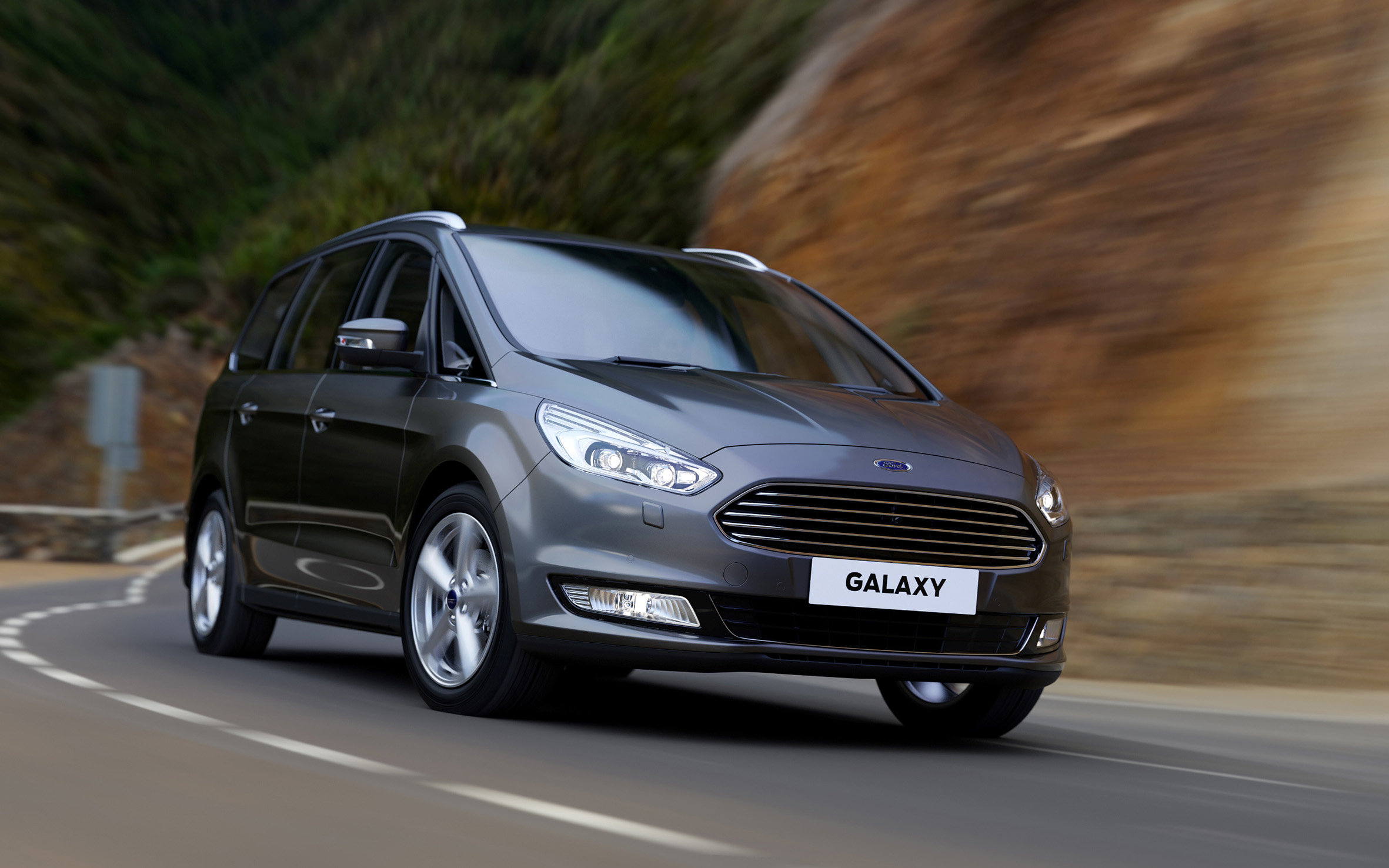
Consequences for the engine with worn valve seats
Swirl flaps can break. Pieces can then end up in the cylinders. This causes damage to the valve seats, the part where the valves close onto. Worn valve seats lead to poor sealing of the combustion chamber. Damaged valve seats cause the same problem. This results in combustion issues and loss of compression.
On the 2.0 TDCi engine this often leads to bent conrods. The conrods connect the pistons to the crankshaft. They are not designed to withstand the impacts from contact with valve parts. Once bent, the engine becomes unbalanced and the damage increases exponentially. Repair then often requires a complete engine rebuild or even replacement.
Why does this defect occur on the Ford Galaxy?
The swirl flap problem occurs mainly on Ford Galaxy models from specific production years. The cause lies in the design of the system and the lack of adequate lubrication. The mechanism controls the flaps. This mechanism is prone to wear, especially at higher mileages.
Ford has acknowledged this problem on various models, including the Galaxy and S-Max. However, there has not yet been a recall for all affected vehicles. As a result, owners themselves bear the financial consequences of this design issue. Preventive maintenance can reduce the risk, but offers no guarantee.
‘ The engine damage may already have spread to the valve seats and conrods. ’
Repair and replacement solutions
With a confirmed swirl flap defect, professional repair is essential. A mechanic will first carry out a thorough diagnosis. He uses diagnostic software to read fault codes and assess the condition of the engine. An endoscopic inspection of the cylinders reveals direct damage to pistons and valves.
The most common solution is to replace the entire system. This includes the intake manifold and all associated components. Many mechanics also advise having a software update carried out at a Ford dealer at the same time. This update can help prevent future problems caused by excessive load on the system.
The engine damage may already have spread to the valve seats and conrods. In that case, the repair costs become considerably higher. The cylinder head will then need to be overhauled, including the replacement of valves and valve seats. With bent conrods, the engine block must be dismantled in order to repair or replace these parts.
Preventive measures against engine damage
Although the swirl flap defect is difficult to prevent entirely, a few measures do help to reduce the risk:
- Regular servicing according to Ford’s maintenance schedule
- Use of high-quality engine oil that meets Ford specifications
- Immediate inspection at the first symptoms of irregular engine running
- Preventive replacement of the swirl flap system on models with a known risk
Some owners choose to have the system removed before it fails. In this case the flaps are permanently fixed in position or removed entirely. This prevents future problems. However, it can affect engine performance and emissions. Discuss this option with a specialist garage that has experience with Ford diesel engines.
Cost aspects of repairs
The cost of repairing swirl flaps varies greatly depending on the extent of the damage. Replacing only the swirl flap system costs between 800 and 1,500 euros, including labour. When engine damage has occurred, costs quickly rise to 3,000 euros or more for a cylinder head overhaul.
Conrods and the engine block can be severely damaged. A complete engine replacement may then be necessary. This results in costs of 5,000 to 8,000 euros, depending on whether you choose a new, reconditioned or used engine. Such amounts make it clear why timely diagnosis is so important.
‘ A recurring theme is disappointment about the lack of a recall or goodwill scheme from Ford. ’
Experiences of Galaxy owners
On car forums, owners regularly share their experiences with the swirl flap defect. Many stories describe sudden breakdowns without prior warning. Other owners report that the symptoms gradually worsened over several weeks or months.
A recurring theme is disappointment about the lack of a recall or goodwill scheme from Ford. Owners who were still within the warranty period sometimes received a partial reimbursement, but many others pay the full repair costs themselves. This makes it clear that a thorough inspection when buying a used Ford Galaxy is important.

Check your Galaxy before buying
Anyone considering buying a used Ford Galaxy would be wise to pay specific attention to this issue. Ask the seller whether the swirl flap system has already been replaced or fixed as a preventive measure. Check whether software updates have been carried out and whether the service history is complete.
Before purchasing, have a pre-purchase inspection carried out by a mechanic with Ford expertise. They can check the intake manifold and read out any fault codes. This prevents you from being confronted with expensive repairs shortly after buying the car. Extra attention is needed for models with the 2.0 TDCi engine and higher mileages.
More information about Ford Galaxy problems
The swirl flap defect is not the only point of attention on the Ford Galaxy. On the Carnews website you will find extensive information about other common problems, maintenance advice and practical tips for this MPV. Find out more about the reliability of different model years and learn how to avoid costly repairs with the right maintenance strategy.
Frequently asked questions
The most common symptoms are an engine management light that comes on or flashes and a clear loss of power, especially when accelerating. In addition, the engine often runs roughly or jerkily and vibrations occur when idling. Unusual or loud hissing noises can also be heard while pulling away.
The main causes are wear and breakage of the swirl flaps due to insufficient lubrication and contamination in the intake manifold. This can lead to blockages and damage to the flap control mechanisms. You can prevent this by regular servicing, timely oil and filter changes, and prompt checks when symptoms such as loss of power, vibrations and engine warning lights appear. On known problem series, preventive replacement and a software update via the Ford dealer can further reduce the risk.
Driving for a long time with defective swirl flaps can lead to reduced engine performance, higher fuel consumption and increased emissions. Because parts can break off and enter the engine, there is a risk of severe engine damage. The intake manifold and control components can also become blocked or damaged, resulting in costly repairs. Timely diagnosis and repair significantly limit the long-term consequences.
Repairing defective swirl flaps on a Ford Galaxy usually involves replacing (the part of) the intake manifold in which the swirl flaps are located, including the control unit. In some cases it is possible to use modification or repair kits, but official workshops usually replace the complete manifold. Including labour, costs at a garage are often roughly between several hundred euros and around or just above one thousand euros, depending on engine type, hourly rate and parts used (genuine or aftermarket). Always have a diagnosis and clear cost estimate prepared in advance, as additional damage (e.g. to the manifold or inside the engine) can increase the price.
Preventively removing swirl flaps on a Ford Galaxy can make sense if your engine type is known to suffer from frequent problems, as broken-off flaps can cause severe engine damage. Advantages are the elimination of this risk and a lower chance of blockage or mechanical faults in the intake manifold. Disadvantages include potentially reduced combustion efficiency, slightly higher emissions, fault codes (engine warning light) and the fact that the modification itself costs money and requires proper software adjustments. Always have your specific engine and mileage assessed first by a specialist who has experience with this modification on the Galaxy.
Checking or replacing the swirl flaps on a Ford Galaxy is a major job, because they are located in the intake manifold and are difficult to access. You usually need a workshop manual, good hand tools, torque wrenches and often new gaskets and possibly a complete new intake manifold. Because incorrect assembly can cause serious engine damage, it is recommended to have this done by an experienced mechanic or specialist. If you still want to do it yourself, make sure you have clear step-by-step documentation specifically for your engine type.