
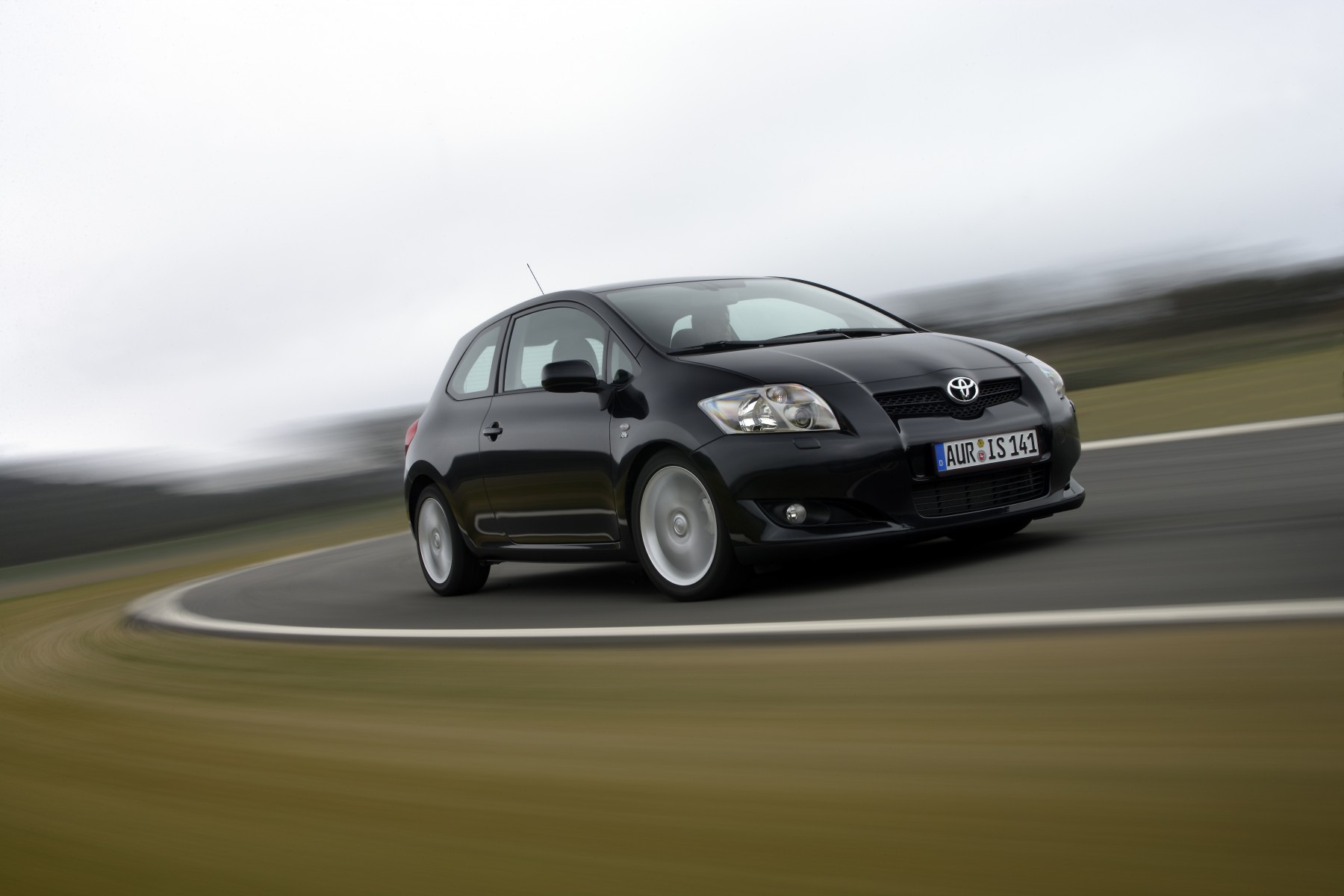
The Toyota Auris with D-4D diesel engine regularly suffers from particulate filter problems and engine irregularities, especially with the 2.0 variant. Increased oil consumption can lead to loss of power. Defective vacuum pumps cause faults. A malfunctioning diesel particulate filter can, in serious cases, trigger limp mode. These problems require targeted attention and regular maintenance. What do you need to know about these common faults and how do you tackle them?
Common problems with the D-4D engine
Owners of the Toyota Auris with D-4D engine (a type of common-rail diesel engine from Toyota) report various technical faults. The 1.4-litre diesel engine (engine code 1ND-TV) in particular shows increased oil consumption. Many owners have to top up oil between service intervals, which may indicate wear of piston rings or other internal engine defects.
The larger 2.0 and 2.2 D-4D diesel engines (a type of common-rail diesel engine from Toyota) suffer from structural problems. These variants have known defects with liner inserts (metal sleeves that are placed in the engine block to secure cylinder heads), pitting in the engine block and clutch sealing issues. The gearboxes were originally not designed for the high torque of 300 to 400 Nm that these engines produce.
Defective vacuum pumps occur regularly with various D-4D variants. Turbocharger failures are also frequently diagnosed. These components can be replaced with parts that incorporate the manufacturer’s latest countermeasures.
Particulate filter malfunction and regeneration problems
The diesel particulate filter is a very common source of trouble. The filter can fail prematurely, especially when burnt oil leaves too much ash in the filter. The engine computer determines the ash loading by measuring the resistance of the exhaust gases.
Forced regeneration may be necessary to burn off soot. When regeneration fails, this can have various causes:
- A defective diesel particulate filter that has become saturated
- A catalytic converter that does not heat the exhaust gases sufficiently
- A blocked exhaust that prevents pressure build-up
- Insufficient distance driven at high speed for natural regeneration
You can often verify this by checking the stored data in the engine management system. With repeated regeneration failures the engine switches to limp mode to prevent further damage.

How to reset the particulate filter on the Toyota Auris diesel
A particulate filter reset is usually done via forced regeneration. You start this process at a specialist workshop with the correct diagnostic software. The engine must be at operating temperature and contain sufficient fuel.
During forced regeneration the engine computer raises the exhaust gas temperature to around 600 degrees Celsius. This burns off the accumulated soot in the filter. The process usually takes between 20 and 40 minutes.
If regeneration does not succeed, the filter is probably too heavily loaded with ash. In that case, professional cleaning or replacement is necessary. As a preventive measure you can avoid particulate filter clogging by regularly driving longer distances on the motorway, allowing the engine to reach temperature and natural regeneration to take place.
Loss of power and starting problems
Loss of power and poor fuel economy are frequent complaints among D-4D owners. This can be caused by various factors. A dirty or defective mass air flow sensor (a sensor that measures the amount of intake air) is a common cause. Cleaning this sensitive sensor with special cleaner can often solve the problem.
Other possible causes of power loss are:
- Blocked or restricted air intake or exhaust
- Air leaks in the intake system
- Poor operation of the turbo wastegate actuator
- Low fuel pressure or worn fuel injectors
- Reduced cylinder compression
Users also report difficulties with cold starting, especially in winter. It can feel as if the glow plugs are not working. This may indicate a defective glow plug system, a weak battery or issues with the glow plug relay.
‘ The engine has structural weaknesses that mainly show up at higher mileages. ’
Is the Toyota Auris 2.0 D-4D reliable
The long-term reliability of the 2.0 D-4D is mixed. Some owners drive without major issues, but many report significant technical faults. The engine has structural weaknesses that mainly manifest at higher mileages.
Repair costs can mount up. Replacement of turbochargers, vacuum pumps and fuel injectors involves substantial expense. Replacing a defective diesel particulate filter alone can quickly cost several hundred euros in parts and labour.
Fuel consumption is between 6.5 and 7.5 litres per 100 kilometres. You need to factor this into the total cost of ownership. Regular oil checks are necessary due to the increased oil consumption, and you must not exceed service intervals.

Diagnosis and maintenance tips for D-4D owners
For diagnosis and repair it is advisable to consult a specialist diesel workshop. The complexity of D-4D engines requires targeted expertise, especially with persistent problems. General garages do not always have the specific diagnostic equipment.
Regular oil checks are essential. Check the oil level at least once a month and top up if necessary. Always use the oil specification prescribed by Toyota to prevent further wear.
A clean mass air flow sensor (the sensor that measures the amount of intake air) can often resolve performance issues. Have it inspected regularly and cleaned if needed. Turbocharger and vacuum pump checks are useful as preventive maintenance, especially as mileage increases. Watch for unusual noises or smoke that may indicate turbo damage.
With repeated particulate filter regenerations or a warning light, you need to act quickly. Do not ignore these signals, as a completely clogged filter can lead to serious engine damage and costly repairs.
Practical solutions for typical D-4D complaints
For oil consumption problems, frequent checking and topping up is the first step. When consumption becomes extremely high, you need to investigate whether there is internal engine wear. A compression test can give a clear picture of the condition of pistons and rings.
With turbocharger problems, watch for symptoms such as whistling noises, blue-grey smoke from the exhaust or loss of power during acceleration. Replacement should be carried out with improved parts that do not have the well-known teething problems of earlier versions.
You can solve DPF problems by regularly driving longer distances. At least once a week, a 20-kilometre drive at motorway speed helps natural regeneration. This prevents the filter from becoming too full of soot.
For starting problems in winter, first check the battery. A weak battery does not supply enough power for the glow plugs. Also test the operation of the individual glow plugs, as a single defective glow plug can already cause starting problems at low temperatures.
‘ maintenance advice that helps you extend the life of your car. ’
More information and tips on car problems
On the Carnews website you will find extensive information about common car problems, maintenance tips and practical guides for various makes and models. Discover more articles on Toyota-specific faults, diesel engine issues and maintenance advice that helps you extend the life of your car. Explore the website and stay up to date with the latest developments in the automotive sector.
Frequently asked questions
What are the most common ‘D-4D’ diesel engine problems on the Toyota Auris?
The most common D-4D diesel engine problems on the Toyota Auris are increased oil consumption (caused among other things by worn piston rings) and defects in the vacuum pump and turbocharger. In addition, there are often faults with the diesel particulate filter (DPF), resulting in blockages and failed regenerations. Owners also report starting problems in cold weather due to defective glow plugs or glow system, and loss of power with higher fuel consumption, for example due to a contaminated MAF sensor, injector issues or turbo problems. With the 2.0 and 2.2 D-4D there are furthermore structural engine problems, such as damage to the engine block and clutch/gearbox caused by the high torque.
Which symptoms point to potential problems with the ‘D-4D’ engine and how can you recognise them in time?
Symptoms of potential D-4D engine problems include increased oil consumption (having to top up regularly), loss of power and higher fuel consumption than normal. Other warning signs are poor or difficult starting (especially when cold), smoke from the exhaust and problems around DPF regeneration (warning light coming on, limp mode). Whistling or whining noises from the turbo and irregular engine noise can also indicate wear of the turbo, vacuum pump or injectors. Recognise them in time by checking the oil level frequently, paying attention to changes in driving behaviour/noise and having warning lights read out immediately.
Which preventive maintenance is crucial to prevent known ‘D-4D’ engine problems?
Crucial preventive maintenance for D-4D engines includes very regular oil checks and strictly adhering to (or shortening) service intervals. In addition, it is important to clean/check the MAF sensor periodically and to have the turbocharger and vacuum pump inspected as a preventive measure. Timely inspection and, if necessary, regeneration or cleaning of the DPF is also important to prevent consequential damage. Finally, it is preferable to have this maintenance carried out by a specialist diesel workshop.
What are the average repair costs for common ‘D-4D’ engine defects and what should I watch out for?
For common D-4D problems you should roughly reckon with: MAF sensor cleaning/replacement €50–€250, glow plugs and relay €150–€400, vacuum pump €300–€600, turbo €800–€1,600 and regenerating or replacing a blocked DPF €150–€1,800. With structural wear (high oil consumption, piston rings, cylinder/block damage), overhauls can run to around €1,500–€3,500. Pay particular attention to oil consumption, exhaust smoke (colour and amount), cold starting behaviour, audible whistling or whining noises from the turbo and warnings relating to DPF/EML on the dashboard. If in doubt, have a diagnosis carried out by a specialist diesel workshop, preferably with a compression test, smoke test and read-out of DPF and turbo pressure values.
Are there specific model years of the Toyota Auris with ‘D-4D’ engine that suffer more often from certain problems?
For the Toyota Auris with D-4D engine, the 2.0 and 2.2 D-4D engines in particular stand out for more structural problems, such as liner insert issues, pitting in the engine block and clutch/gearbox wear at higher torque levels. The 1.4 D-4D more often suffers from increased oil consumption, DPF problems and cold starting problems, especially at higher mileages and when service intervals have been stretched. In practice, it is mainly the earlier model years of these engines (first generations) that are more vulnerable, with later production years often having improved parts and countermeasures. Checking service history and known modifications is therefore more important than just looking at the year of manufacture.