
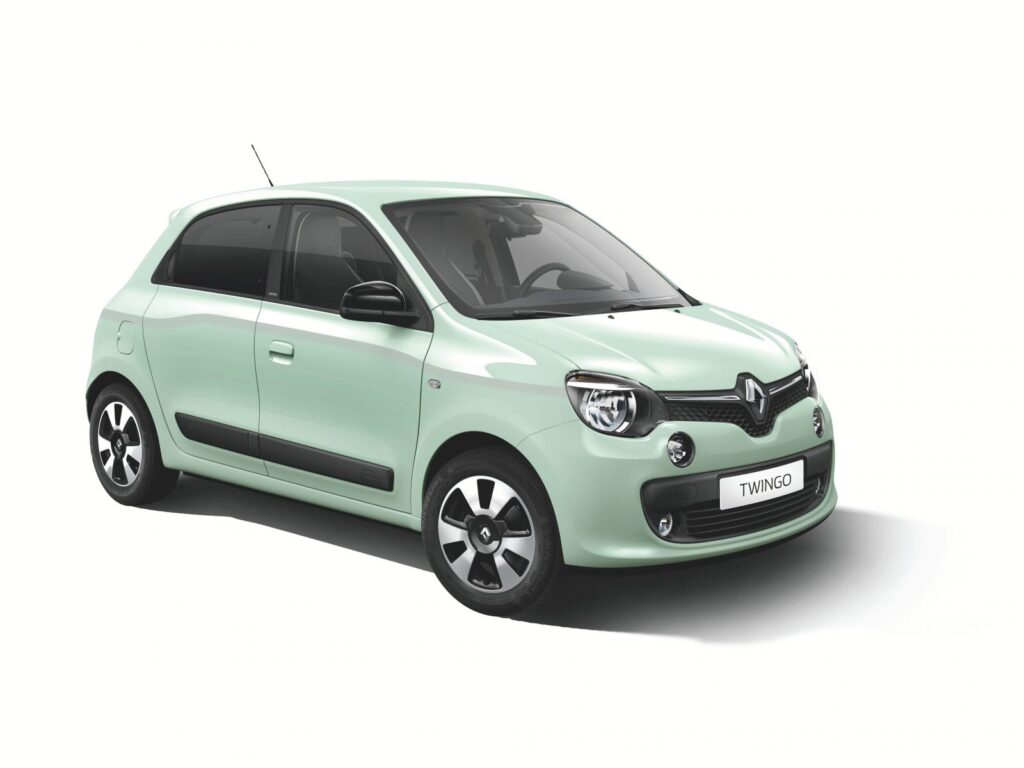
The Renault Twingo 1.5 dCi suffers from recurring engine problems that mainly show up as failed turbos, broken fuel pumps, worn glow plugs and difficult cold starts. Juddering engines and oil smoke are often the first signs that something is wrong. These issues occur mainly in older models and can lead to expensive repairs if you do not recognise them in time.
Turbo failure on the Renault Twingo dCi
A failed turbocharger is a common problem with the 1.5 dCi engine. The turbo can fail due to neglected oil changes, low oil pressure or issues with the main bearings in the engine. This component is sensitive and requires regular maintenance to prevent problems.
You can recognise a turbo failure by the following symptoms:
- Loss of power, especially when accelerating or at higher speeds
- Whistling or high-pitched noises from the engine bay
- Blue or grey exhaust smoke, indicating oil fumes
- Increased oil consumption without visible leaks
- Warning lights on the dashboard
The Renault Twingo with diesel engine is particularly prone to turbo issues between 80,000 and 150,000 kilometres. Pay close attention to the symptoms above and schedule a check-up at the garage in good time.
Fuel pump problems with the 1.5 dCi
The high-pressure fuel pump is one of the vulnerable components of the 1.5 dCi engine. A failed fuel pump can not only cause problems in itself, but also damage other parts such as the injectors. This leads to high repair costs, especially when several components need to be replaced.
You can recognise a broken or failing fuel pump by these signs:
- Hard starting or the engine not starting at all
- Juddering or uneven running while driving
- Sudden loss of power
- Increased fuel consumption
- Loud knocking noises from the engine
Fuel pump and injector problems occur mainly in models with the Deli fuel injection system, a specific type of high-pressure injection system. Owners frequently report these faults between 60,000 and 180,000 kilometres. Always use good-quality diesel fuel to extend the life of the fuel pump.
Injector problems linked to the fuel pump
When the high-pressure fuel pump fails, the injectors can also be damaged. Leaking injectors cause additional issues such as black exhaust smoke, increased consumption and rough running. If in doubt, always have both systems checked at the same time to prevent further damage.
Replacing glow plugs and cold start problems
Glow plugs are essential components for starting a diesel engine, especially in cold conditions. These heating elements help the engine start more easily by preheating the combustion chamber. On the Renault Twingo 1.5 dCi the glow plugs can wear out over time.
You can recognise failed glow plugs by these characteristics:
- Hard starting at temperatures below 10 degrees Celsius
- The engine needs several attempts before it fires up
- White or grey smoke when starting, which disappears after a few minutes
- The glow plug warning light on the dashboard stays on longer than normal or flashes
- The engine runs unevenly after a cold start
The cost of replacing glow plugs on the Renault Twingo diesel ranges between 150 and 400 euros, depending on how many plugs need to be replaced and which garage carries out the work. In most cases, all glow plugs are replaced at the same time to prevent future problems.
Juddering engine and oil smoke as warning signs
A juddering engine is often the result of several issues occurring at the same time. It can indicate failed injectors, a broken turbo, EGR valve blockages or fuel supply problems. The engine runs unevenly, loses power and responds slowly to the accelerator pedal.
Oil smoke from the exhaust is a clear sign that engine oil is entering the combustion chamber. This mainly happens with turbo failures, where oil enters the engine via the turbo. Worn piston rings or valve stems can also cause oil smoke.
EGR valve blockages in modern diesels
The EGR valve (exhaust gas recirculation valve) ensures that some of the exhaust gases are routed back into the engine to reduce emissions. On the Renault Twingo 1.5 dCi this valve can become clogged with soot, especially on cars that mainly do short trips. A blocked EGR valve causes performance problems, high emissions and warning lights on the dashboard.
Regularly take longer drives of at least 20 kilometres to prevent soot build-up. This not only helps the EGR valve, but also allows the particulate filter (diesel particulate filter) to keep working properly.
Preventing diesel particulate filter (DPF) and soot filter problems
The diesel particulate filter can become clogged when the car is mainly used for short journeys. The filter regenerates itself by periodically reaching a higher temperature, but this process only works during longer trips at sufficient speed. A clogged particulate filter causes power loss, increased fuel consumption and a warning light.
Prevent DPF problems with these measures:
- Drive a longer distance of 20 kilometres or more at least once a week
- Maintain a speed of 80 kilometres per hour or higher during this drive
- Let the engine speed reach around 2,500 rpm during these journeys
- Never ignore the DPF warning light and immediately drive a regeneration run
Cleaning a clogged particulate filter costs between 200 and 400 euros. Replacing the filter can run up to 1,500 euros, depending on the model and year of manufacture.
Maintenance tips for a longer service life
The reliability of the Renault Twingo 1.5 dCi strongly depends on correct and timely maintenance. Oil changes at the prescribed intervals are particularly crucial to prevent turbo damage and engine problems. In addition, regularly check the cooling system and replace the timing belt on time.
Models built before 2007 have suffered engine problems more often, especially with connecting rod bearings. When buying a used Twingo 1.5 dCi, it is better to opt for a model from 2007 or later. Euro 5 and Euro 6 versions from 2010 onwards are considerably more reliable than the first generations.
Pay attention to warning lights related to the engine, performance or emissions. These indicators often point to EGR blockages, DPF problems or turbo failures. Do not ignore these warnings, but book an inspection at the garage straight away.
On the Carnews website you can find a lot more information about common car problems, maintenance advice and practical tips for different car makes and models. Discover more articles and deepen your knowledge about your car.
Frequently asked questions
The most common problems are wear of the connecting rod bearings (especially on early model years), failed injectors/high-pressure pump, turbo problems and blockages in the EGR valve and particulate filter (DPF). Early symptoms include ticking or knocking noises from the engine, reduced power, rough idling, smoke from the exhaust and higher fuel consumption. Engine fault or emissions warning lights on the dashboard, difficult starting or limp-home mode are also clear warning signs. Regular oil changes, following replacement intervals (including timing belt) and taking longer trips now and then for DPF regeneration help prevent serious damage.
The main causes of the reported problems with the 1.5 dCi engine in the Renault Twingo are mainly design flaws in early K9K engines (particularly connecting rod bearing damage), the sensitivity of injectors and high-pressure pump, insufficient or overdue oil changes (leading to turbo and bearing issues) and blockages in the EGR/DPF on cars that mainly do short journeys. These problems can be prevented by using shorter oil and filter change intervals than the original 30,000 km, always filling up with high-quality diesel and having the injection system checked in good time. It also helps to replace the timing belt on schedule, keep the cooling system in good condition and keep EGR/DPF clean by regularly driving longer trips at operating temperature. When buying, it is wise to choose a car built after 2007 (preferably Euro 5/Euro 6), as these engines are demonstrably more reliable.
Costs vary greatly per problem: a set of reconditioned injectors or a high-pressure pump together can quickly come to between €800 and €1,800 including labour, while a turbo overhaul often costs around €600–€1,200. Replacing a timing belt kit including water pump usually lies between €450 and €900, and EGR or DPF cleaning/repair between €200 and €700. DIY is only possible to a limited extent: simple maintenance such as changing oil and filters on time, checking the cooling system and taking longer trips for DPF regeneration can be done yourself. Complex jobs such as injectors, turbo, timing belt or the AdBlue/emissions system are specialist work and are best carried out by a garage.
Crucial maintenance tips include: changing oil and oil filter much more frequently than the maximum factory interval (approximately every 10,000–15,000 km) to prevent bearing and turbo damage, and replacing the timing belt in good time according to schedule (or earlier if in doubt). Always use high-quality diesel and replace the fuel filter on time to limit wear on injectors and high-pressure pump. Regularly take longer motorway journeys to allow the DPF to regenerate properly and to reduce soot build-up in the EGR valve and filter. Do not ignore any warning light for the engine or emissions system and have fault codes read quickly to prevent costly consequential damage.
Yes, provided you choose a newer and well-maintained example (preferably built after 2007 and ideally Euro 5/Euro 6), the Twingo 1.5 dCi can offer a car enthusiast an attractive combination of low fuel consumption and plenty of driving pleasure. The engine pulls strongly for such a light car, which makes it feel lively, especially on twisty roads or in city traffic. You do need to take the known diesel and K9K risks (injectors, turbo, DPF/EGR) into account and therefore stick to strict maintenance and good fuel quality. For drivers who mainly do short journeys or do not want to risk potentially costly engine repairs, a petrol version is probably the safer choice.