
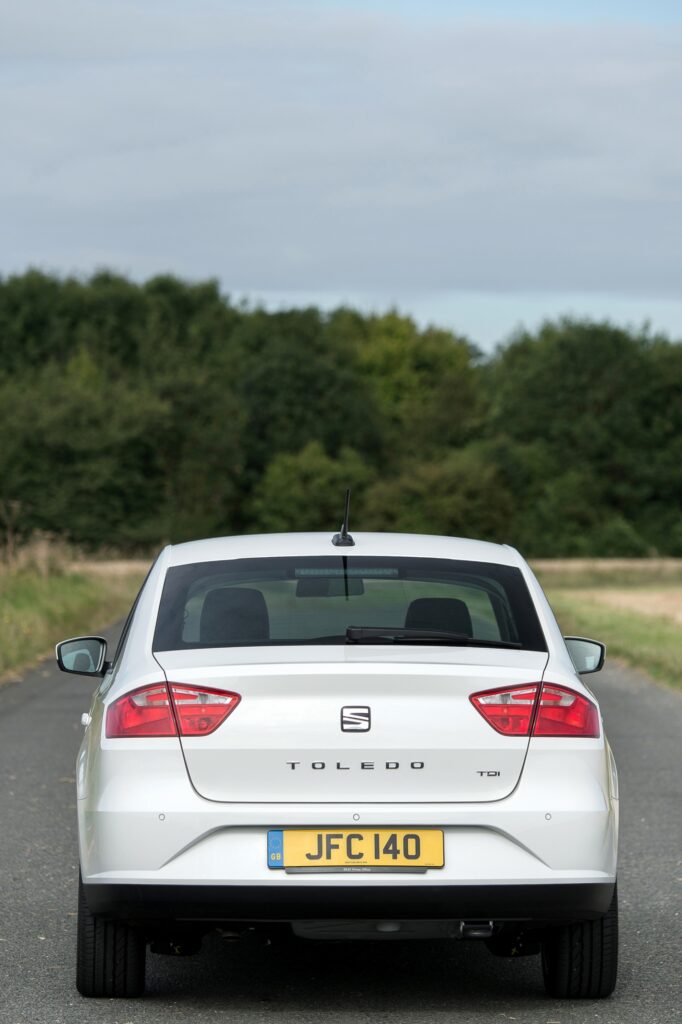
Soot deposits in the DPF (diesel particulate filter in the exhaust) of your Seat Toledo restrict the exhaust gas flow and cause the engine to run less efficiently. Warning lights on the dashboard are the first signal indicating that regeneration or replacement is required. On diesel models (cars that run on diesel), this is a common problem that calls for timely action.
Do you recognise these signals? Then read on and discover what you can do to prevent more serious problems.
What is a DPF filter and why does it develop problems?
The diesel particulate filter traps soot particles released during combustion. This filter is located in the exhaust system and prevents harmful particles from being emitted into the air. While driving, the filter should clean itself through regeneration (the process in which the filter cleans itself by automatically burning off accumulated soot).
On the Seat Toledo, DPF problems mainly arise from short trips and city driving. In that case the exhaust temperature does not get high enough to burn off soot particles. As a result, the filter slowly becomes clogged.
Other causes include a low fuel tank, defective sensors or a contaminated EGR valve (a valve that sends exhaust gases back into the engine to reduce emissions). These factors block automatic regeneration and lead to increasing soot build-up.
Symptoms that point to DPF problems
Watch out for these warning signs if you suspect that your Toledo’s DPF filter has problems:
- DPF warning light illuminating on the dashboard
- Engine management light appearing
- Noticeable loss of power at higher speeds
- Poor acceleration and slow response to the accelerator pedal
- Soot particles from the exhaust, indicating internal damage
- Check engine fault codes related to the exhaust system
These symptoms can gradually get worse. If you recognise several signals, a professional diagnosis is advisable.
What does the DPF warning light mean?
The DPF warning light indicates that the filter is becoming severely clogged. The car’s computer uses pressure sensors to detect that the exhaust gas flow is restricted. This light is a direct warning that action is required.
Sometimes the light flashes during an automatic regeneration. If it stays on, regeneration can no longer take place by itself. Do not ignore this signal, because a completely blocked filter can cause engine damage due to backpressure in the exhaust system.
When is professional diagnosis needed?
First check yourself whether the fuel tank is sufficiently filled and whether you have recently done longer journeys. If the light remains on after a motorway run, have the car’s fault codes read at a garage.
Professionals can use diagnostic equipment (equipment that reads the car’s fault codes and sensor data) to determine the DPF saturation level. They also check whether pressure, temperature and soot sensors are working correctly. This data makes it clear which solution is needed.
How can I force DPF regeneration?
Forced regeneration is the simplest first step for a clogged DPF. Drive on a clear road or motorway at a constant speed at around 2,500 rpm in fourth gear. Maintain this for 5 to 10 kilometres.
This method raises the exhaust temperature enough to burn off soot particles. The engine works harder and reaches the temperature needed for regeneration. Many owners notice that the warning light goes out after such a drive.
Note: forced regeneration only works if the filter is not yet too heavily clogged. At a saturation level above 80 per cent, this method has little effect. Other solutions are then necessary.
‘ Yet sometimes this is the only long-term solution. ’
What professional solutions are available?
When forced regeneration does not help, there are two main options: chemical cleaning or replacement of the DPF filter.
Chemical cleaning of the DPF filter
Chemical cleaning is often the preferred method. A specialist introduces special fluids via the connection of the backpressure sensor. The engine then runs at higher revs for 15 minutes, followed by a test drive of around 30 minutes.
This treatment dissolves soot particles without resetting the factory parameters. It restores exhaust performance and is significantly cheaper than full replacement. Most garages complete this process in a single day.
Complete replacement of the DPF filter
Replacement is required in case of internal damage or a saturation level above 80 per cent. A new filter offers fully reliable performance and, with proper maintenance, can last 150,000 to 180,000 kilometres.
The downside is the high cost of original parts. Expect an outlay that is several times higher than chemical cleaning. Yet sometimes this is the only durable solution.
How much does DPF replacement or cleaning cost?
The costs vary per solution and workshop:
- Forced regeneration: no costs if you do it yourself
- Professional chemical cleaning: between €200 and €500
- Complete DPF replacement: from €1,000 up to well over €2,500
With replacement you mainly pay for the original part. Labour time for removal and refitting is added on top. Ask for a quote from several workshops in advance so you can compare.
Can a full DPF cause engine damage?
Yes, a completely blocked DPF filter can cause damage. The exhaust gases can no longer escape, which creates backpressure in the system. This puts extra strain on the engine and can lead to damage to cylinders, pistons or other internal components.
If warning lights are ignored for a long time, the engine can go into limp mode. The car then automatically reduces power to limit further damage. Repairing engine damage is much more expensive than timely DPF treatment.
‘ Timely detection of problems prevents expensive repairs later on. ’
Prevention: how to avoid DPF problems
Preventive maintenance significantly extends the service life of the DPF filter. Keep these recommendations in mind:
Adjust your driving style
Avoid driving at low revs for long periods and regularly take longer journeys where the engine reaches operating temperature. Higher speeds on the motorway give the exhaust system the chance to burn off soot particles.
Use good-quality fuel
Always fill up with good-quality diesel at reliable filling stations. Keep the tank sufficiently filled, because a low fuel level can block automatic regeneration. Consider fuel additives that help combat DPF contamination.
Regular maintenance
Replace engine oil and oil filter according to the manufacturer’s service schedule. Check the MAF sensor (a sensor that measures the amount of intake air) regularly for contamination and keep the EGR system (a system that routes part of the exhaust gases back to the engine) clean. These components affect combustion and therefore the amount of soot build-up.
Carry out diagnostic checks every year, especially if you do many short trips. Timely detection of problems prevents expensive repairs later on.
Common fault codes with DPF problems
When reading out the on-board computer, these codes regularly appear with DPF problems in the Seat Toledo:
- P2463: this code indicates a fault in the sensor that measures the pressure in the DPF, meaning the car can no longer determine how full the filter is
- P0197: this indicates a problem with the sensor that measures the oil temperature, which can block automatic regeneration because the system does not know whether the engine is warm enough
- P246300: this combined code points to faults in both the DPF system and the temperature sensor, meaning regeneration can no longer start automatically
These codes help technicians to identify the exact cause. Sometimes defective sensors are the problem, not the filter itself. Replacing a sensor is cheaper than full DPF treatment.
How long does a DPF filter last?
A properly maintained DPF filter in the Seat Toledo usually lasts between 150,000 and 180,000 kilometres. This service life strongly depends on driving behaviour and maintenance.
Owners who mainly make short trips often experience problems sooner. Those who regularly do longer motorway journeys give the filter more opportunity to clean itself. This significantly extends its lifespan.
‘ Preventive maintenance and adapted driving behaviour make the difference in the long term. ’
Find out more about the Seat Toledo
DPF problems are manageable when you recognise and tackle them in time. Forced regeneration helps with light clogging, while chemical cleaning or replacement is needed in more serious cases. Preventive maintenance and adapted driving behaviour make the difference in the long term.
On the Carnews website you will find extensive explanations about faults, maintenance and costs for the Seat Toledo and other models. Discover practical tips, known problems and maintenance advice that help you get more out of your car. Have a look around and stay up to date with everything you need to know as a car enthusiast.
Frequently asked questions
You can recognise DPF problems in your Seat Toledo by a DPF or engine warning light on the dashboard, loss of power and poor acceleration, especially at higher speeds. First check whether there are messages or fault codes (OBD diagnosis), whether the fuel tank is sufficiently filled and watch out for smoke/soot from the exhaust. Then take a longer drive at motorway speed at around 2,500 rpm (4th gear, approx. 5–10 km) to force a regeneration, as long as the fault message is not yet critical. If the complaints or warning lights persist or return, have a garage professionally read and assess the DPF saturation, pressure and temperature sensors and the exhaust system.
For a defective DPF filter in a Seat Toledo there are roughly three options: cleaning, replacement or (illegal) removal. Professional cleaning usually costs around €200–€500 and often restores operation without major modifications, but is not always permanent if your driving profile is unfavourable. Replacement with a new (original) DPF generally costs €1,000–€2,500+ and offers the most durable, but also the most expensive solution. Complete removal of the DPF is prohibited by law in the Netherlands, can lead to MOT (APK) failure, fines, problems with insurance and higher emissions, and is therefore discouraged even though it may seem cheaper in the short term.
Technically, after removal you may experience less backpressure and sometimes slightly better performance or lower consumption, but the engine software becomes unbalanced, there is more soot emission and you run a greater risk of faults and engine damage in the long term. In addition, your manufacturer or dealer warranty usually lapses (in part) and at the MOT or other inspections you can be rejected because the emissions system has been tampered with. Legally, it is forbidden in the Netherlands to remove the DPF or code it out if the car then no longer meets the type approval and emission requirements. In that case you may receive a WOK notification, fines and problems with insurance or liability in the event of an accident during checks or inspections.
Prevent DPF problems by regularly making longer journeys on the motorway, where you keep the engine around 2,500 rpm so that the filter can regenerate. Avoid many short trips at low revs and ensure the engine truly reaches operating temperature. Have oil, filters and the EGR/intake system serviced according to schedule and have sensors checked periodically. Use good-quality diesel fuel, keep your tank sufficiently filled and consider occasionally using a (manufacturer-approved) DPF or fuel additive.
A DPF problem generally causes noticeable loss of power and poorer acceleration, because the exhaust gases cannot escape as easily. Fuel consumption often increases because the engine has to work harder and regeneration attempts require extra fuel. Driving for a long time with a clogged DPF can cause additional wear and heat stress, shortening the service life of the engine and exhaust system. Timely cleaning, regeneration or replacement where necessary significantly limits this negative impact.