
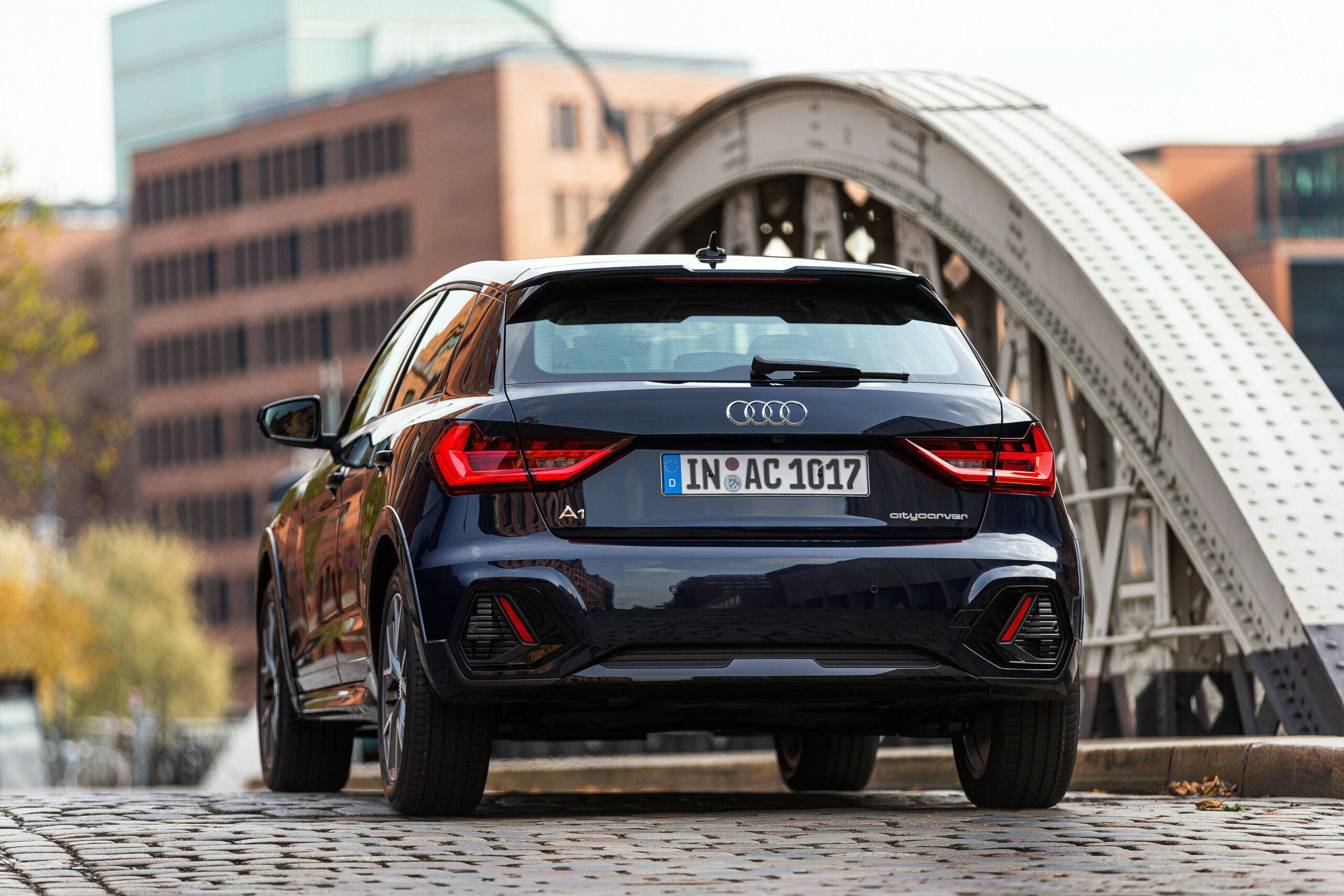
A clogged diesel particulate filter in your Audi A1 often causes black smoke from the exhaust, a warning light on the dashboard and noticeably reduced performance. This problem mainly occurs when you regularly make short journeys, the automatic regeneration does not complete properly or sensors have failed. If you ignore this, your car can even go into limp mode with severely reduced speed. Fortunately, there are concrete steps you can take to solve this.
Why does black smoke occur with a DPF problem?
The diesel particulate filter captures soot particles from your exhaust gases to reduce emissions. When the filter becomes clogged with accumulated soot and ash, pressure builds up in the exhaust system. You see this as black clouds of smoke when accelerating, a clear sign that regeneration has failed. During regeneration, the filter cleans itself by heating up to high temperatures, causing the soot to burn off.
In the Audi A1, certain situations occur regularly that cause DPF problems. Think of lots of short city journeys where the engine does not get warm enough for proper regeneration. A faulty pressure sensor can also send incorrect readings to the engine control unit, which blocks regeneration. Black deposits on the inside of your exhaust pipe indicate extreme soot build-up.
‘ These codes point you in the right direction, but don’t just clear them. ’
Recognisable symptoms and fault codes
If you have DPF problems, a warning light often appears on your dashboard. With a diagnostic tool, specific fault codes can be read that indicate where the problem lies. The most common codes for the Audi A1 are P2002 for a particulate filter fault, P242F for severe blockage or ash build-up, and P2464 or P2465 for abnormal pressure readings. Code P143F can also occur with fuel injection problems.
These codes point you in the right direction, but don’t just clear them. It is better to first carry out a forced regeneration with professional diagnostic equipment and check the sensor readings. Only then can you assess whether the problem has been solved or whether parts need to be replaced.
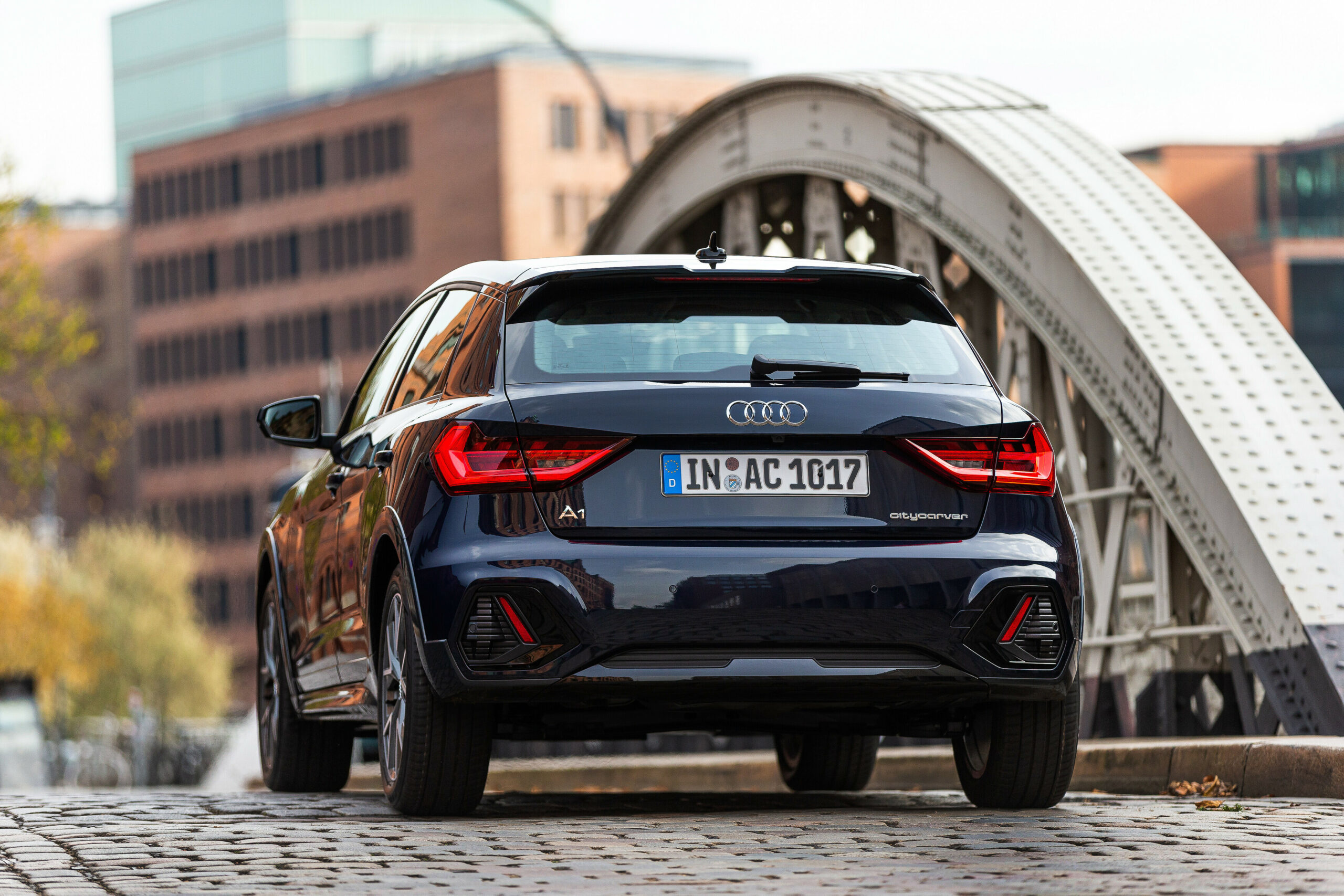
What causes DPF blockage in the Audi A1?
Your driving style plays a major role. Your DPF regularly needs a longer drive where the engine gets properly warm. If you mainly make short trips, the system will start a regeneration but it is often interrupted before the filter is clean. For some Audi A1 owners, this leads to a blockage of 65 per cent or more after just a few hundred kilometres.
Another common cause is a faulty differential pressure sensor. This sensor measures the pressure difference before and after the DPF. When this sensor sends incorrect values, the engine cannot start regeneration properly or cuts it off prematurely. Replacing this sensor with an original part solves both the black smoke and the warning light in many cases. The quality of your diesel can also affect soot formation.
Practical solutions for a clogged DPF
The first step is always a proper diagnosis. Have the pressure sensor, exhaust gas recirculation valves and the amount of accumulated soot checked with professional equipment. If the soot values in the diagnosis are unrealistically low while you are experiencing symptoms, this often points to a sensor error.
When the blockage is still limited, a forced regeneration can help. This is performed at a garage with the right software. During such a regeneration the engine runs at higher revs and the exhaust gases are made extra hot to burn off the soot. You will temporarily notice more smoke and smell, which is normal.
For more serious blockages there are two options:
- Professional cleaning with high-pressure carbon dioxide, blowing out the filter
- Replacement of the complete DPF with a new filter
After cleaning, it is wise to also replace the pressure sensor, as it may be contaminated. Then monitor the pressure values for a few months to check whether the problem has really been resolved. Do not wait too long to take action, because with extreme loading above 45 grams of ash there is a risk of damage to the turbo or the ceramic filter material.
‘ Don’t wait until your car goes into limp mode, because by then the blockage is often so severe that replacement is the only option. ’
How to prevent future DPF problems
Adjusting your driving style is the most important preventive measure. Plan a longer drive every week of at least 15 minutes with the engine running above 2,000 rpm. On the motorway in a normal gear this is ideal. With an automatic you can use the D position and apply a bit more throttle. This gives the DPF the chance to regenerate automatically before a blockage develops.
Pay attention to signals from your car. If the warning light comes on or you see black smoke, act immediately. Don’t wait until your car goes into limp mode, because by then the blockage is often so severe that replacement is the only option. Having regular diagnostic checks carried out can detect problems at an early stage.
Also consider refuelling at stations with high-quality diesel. Good fuel produces less soot, which benefits the service life of your DPF. Some owners also use DPF additives, but always first check whether this is suitable for your specific engine type.
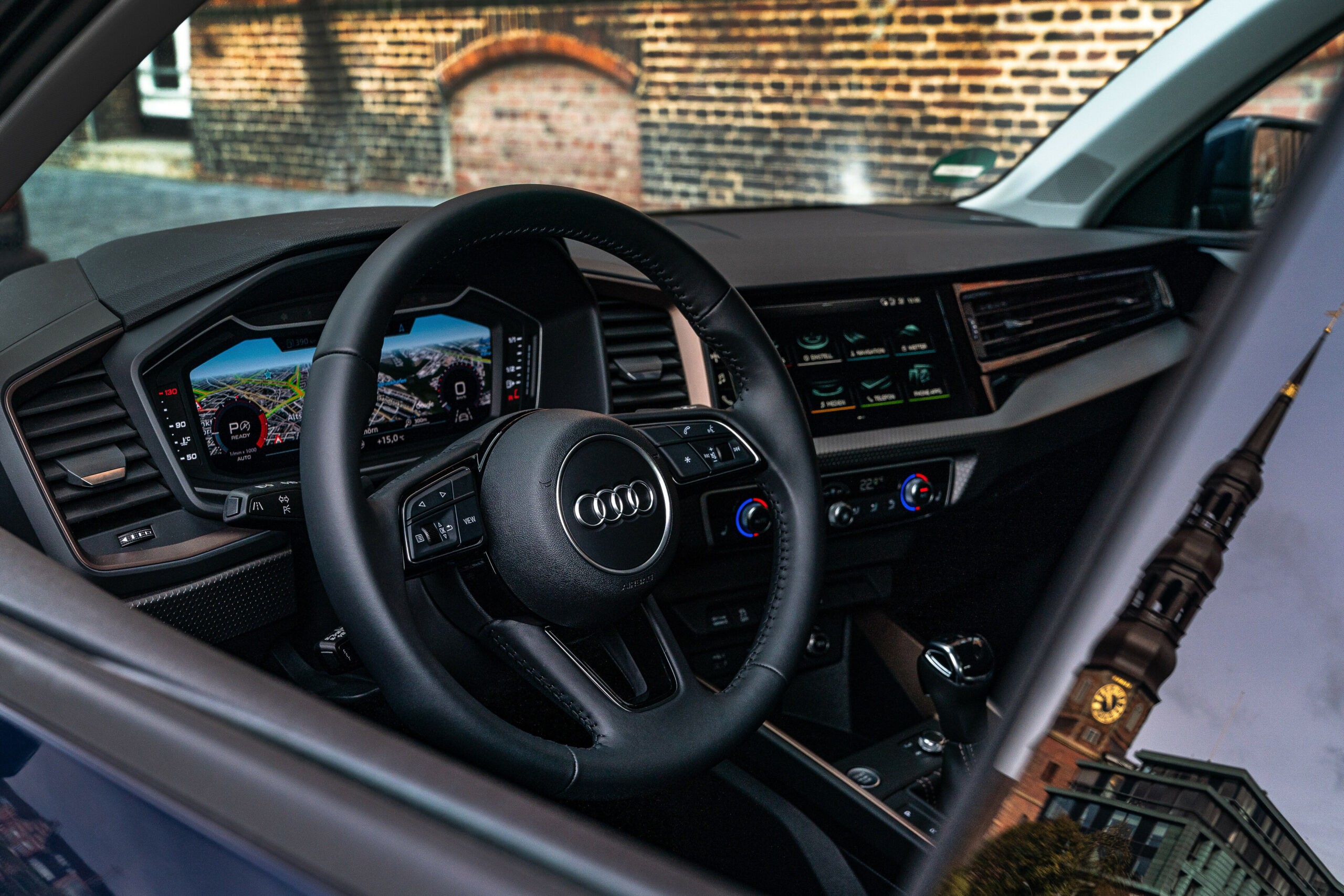
When should you seek professional help?
If the warning light remains on after a longer drive, self-help is no longer sufficient. Have a diagnosis performed to determine whether it is a sensor fault or a genuine blockage. With fault code P242F or an ash content above 45 grams, professional intervention is needed to prevent further damage.
When you see black smoke during acceleration several times, this is also a clear signal. It indicates structural problems with regeneration or faulty components. A specialist will use the right equipment to measure the exact condition of your DPF and assess whether cleaning is still possible or replacement is necessary.
Important points of attention for Audi A1 owners
The Audi A1 diesel models, especially those from around 2014 and the Sportback version, are prone to DPF problems in unfavourable use. This does not mean the car is bad, but it does mean you need to be aware of the maintenance requirements of a modern diesel engine. Short journeys are simply not ideal for this technology.
Use a checklist to stay ahead of problems. Take a longer drive every week to keep the filter healthy. If a warning light comes on, have a diagnosis performed immediately. In the case of failed regeneration, always check the sensors first before considering expensive replacements. This approach will keep your Audi A1 free of smoke and performing well.
On the Carnews website you will find much more information about maintenance, common problems and practical tips for different car makes and models. Discover more articles that help you take better care of your car and understand technical issues.
Frequently asked questions
The most common causes of black smoke in an Audi A1 are excessive soot formation due to short trips, a clogged or (almost) saturated DPF and/or faulty sensors (such as the differential pressure sensor) that disrupt the regeneration of the filter. The DPF is designed to capture soot particles and burn them off periodically; if regeneration does not take place properly, soot builds up. With severe blockage, back pressure in the exhaust system increases and black smoke can become visible when accelerating. The problem is therefore directly related to a DPF that cannot regenerate or can only regenerate insufficiently, often made worse by your driving profile and incorrect sensor data.
Other warning signs include a solid or flashing DPF/engine warning light on the dashboard and noticeably reduced power, especially when accelerating. The car can go into limp mode, meaning it will not go faster or responds poorly to the throttle. You may also notice increased fuel consumption and sometimes a strong exhaust or combustion smell. Finally, fault codes such as P2002, P242F or P243F are often stored, which when read out point to a clogged DPF.
DPF regeneration is an automatic process in which the engine management system brings the filter up to a high temperature to burn off accumulated soot, usually during longer trips at sufficient exhaust gas temperature. Take a trip of at least 15–20 minutes on the motorway each week or regularly, with engine speed above roughly 2,000 rpm, so that regeneration can take place. Avoid predominantly short city trips where the engine does not reach operating temperature, because in that case regeneration is often interrupted and the filter clogs more quickly. If warning lights appear or you notice a loss of power, have the pressure sensor(s) and soot load of the DPF read in good time, so that any faults or excessive blockage can be tackled quickly.
For a DPF problem in an Audi A1 there are roughly three options: a forced regeneration (software-based burn-off while driving), professional DPF cleaning, or complete replacement of the filter. A forced regeneration or simple cleaning usually costs around €100–€250, depending on the workshop and required diagnostics. Professional removal plus external cleaning of the DPF is often between about €250 and €450. Replacement of the complete DPF unit is the most expensive and generally costs between roughly €800 and €1,800, depending on the model, engine code and whether you opt for an original or aftermarket part.
Yes, your driving style clearly affects both the operation and the maintenance of the DPF in your Audi A1. Lots of short journeys and gentle “city driving” at low revs mean the filter does not get hot enough to regenerate itself properly, so it clogs up more quickly. Driving longer stretches regularly (for example 15–20 minutes on the motorway above ~2,000 rpm) helps actively burn the DPF clean and slows down blockage. If you do not drive these kinds of regeneration journeys, the risk of fault codes, loss of power, limp mode and ultimately expensive cleaning or replacement of the filter increases.