
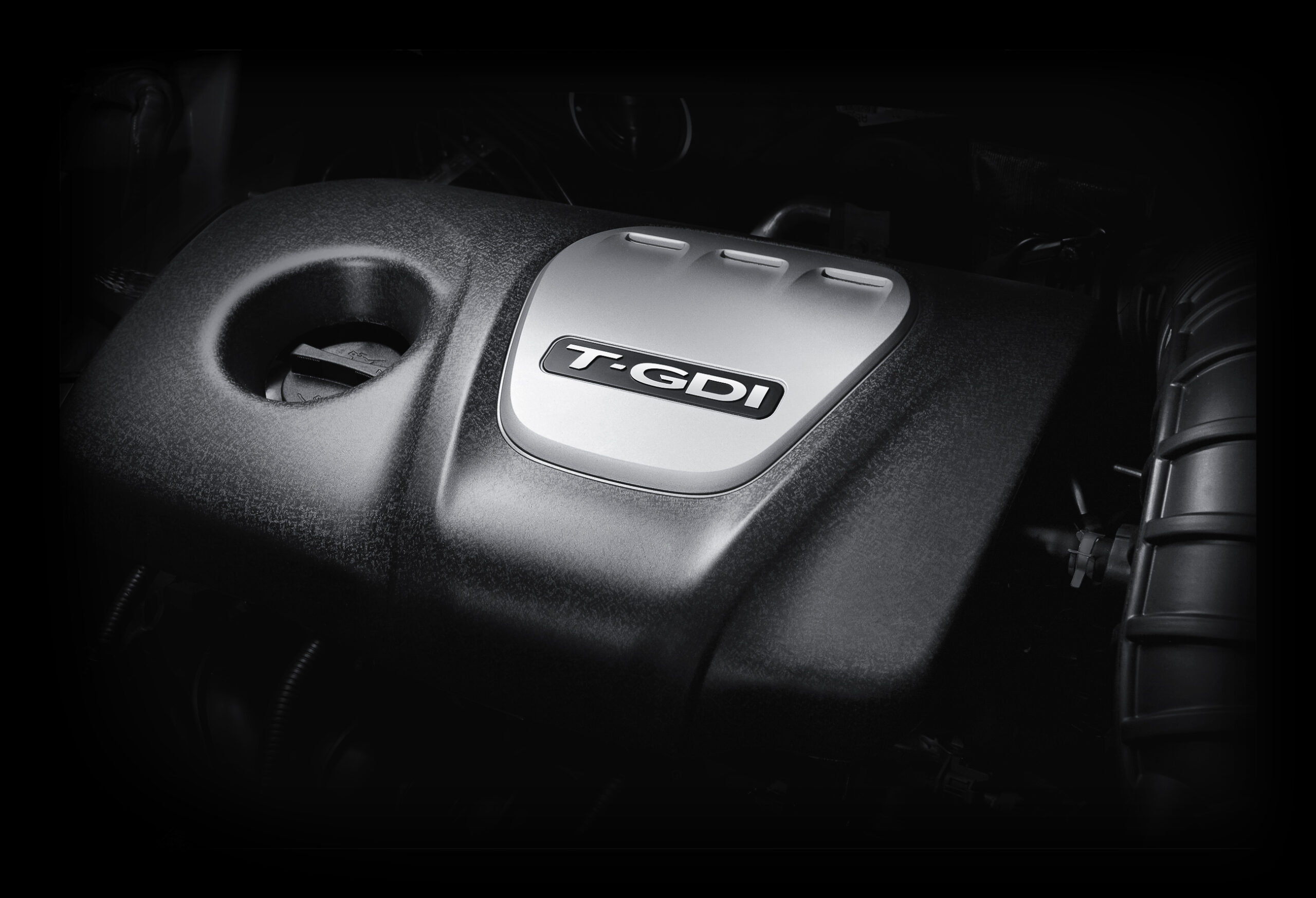
The Kia Soul 1.6 CRDi regularly suffers from a clogged diesel particulate filter (DPF), which leads to loss of power and persistent warning faults. Many owners only notice this after 100,000 to 150,000 kilometres, particularly with frequent city driving. The cause lies in insufficient regeneration of the diesel particulate filter, causing soot to build up and preventing the system from doing its job properly. Read on to find out how to recognise, prevent and solve these annoying problems.
What is a diesel particulate filter and why does it get blocked
A diesel particulate filter, also known as a DPF, is a component in the exhaust system that filters soot particles from the exhaust gases. In modern diesel engines such as the 1.6 CRDi in the Kia Soul this filter is mandatory in order to meet environmental regulations. The filter cleans itself by regularly getting extremely hot, which burns off the accumulated soot. This process is called regeneration.
With many short journeys in town, the engine does not reach operating temperature. Regeneration then cannot start or is aborted prematurely. The soot continues to build up until the filter is so full that the engine suffers from pressure problems. This occurs mainly with the Kia Soul’s 1.6 CRDi engine when the car is used mainly for short city trips.
Recognisable symptoms of a clogged DPF
There are several signs that point to a clogged or faulty diesel particulate filter. Detecting these symptoms early prevents more serious damage and higher costs.
- Warning light on the dashboard: often an orange engine warning light or a specific DPF light that comes on
- Noticeable loss of power: the car accelerates poorly and feels sluggish
- Black smoke from the exhaust: especially when accelerating or under load
- Increased fuel consumption: the engine has to work harder because of the blocked exhaust
- Hard starting when cold: can indicate DPF-related pressure problems
- Strange noises or rev problems: caused by faulty sensors or pressure sensors around the filter
When you notice one or more of these symptoms, it is wise to take action quickly. A clogged filter can lead to damage to other engine components, including the turbo and catalytic converter.
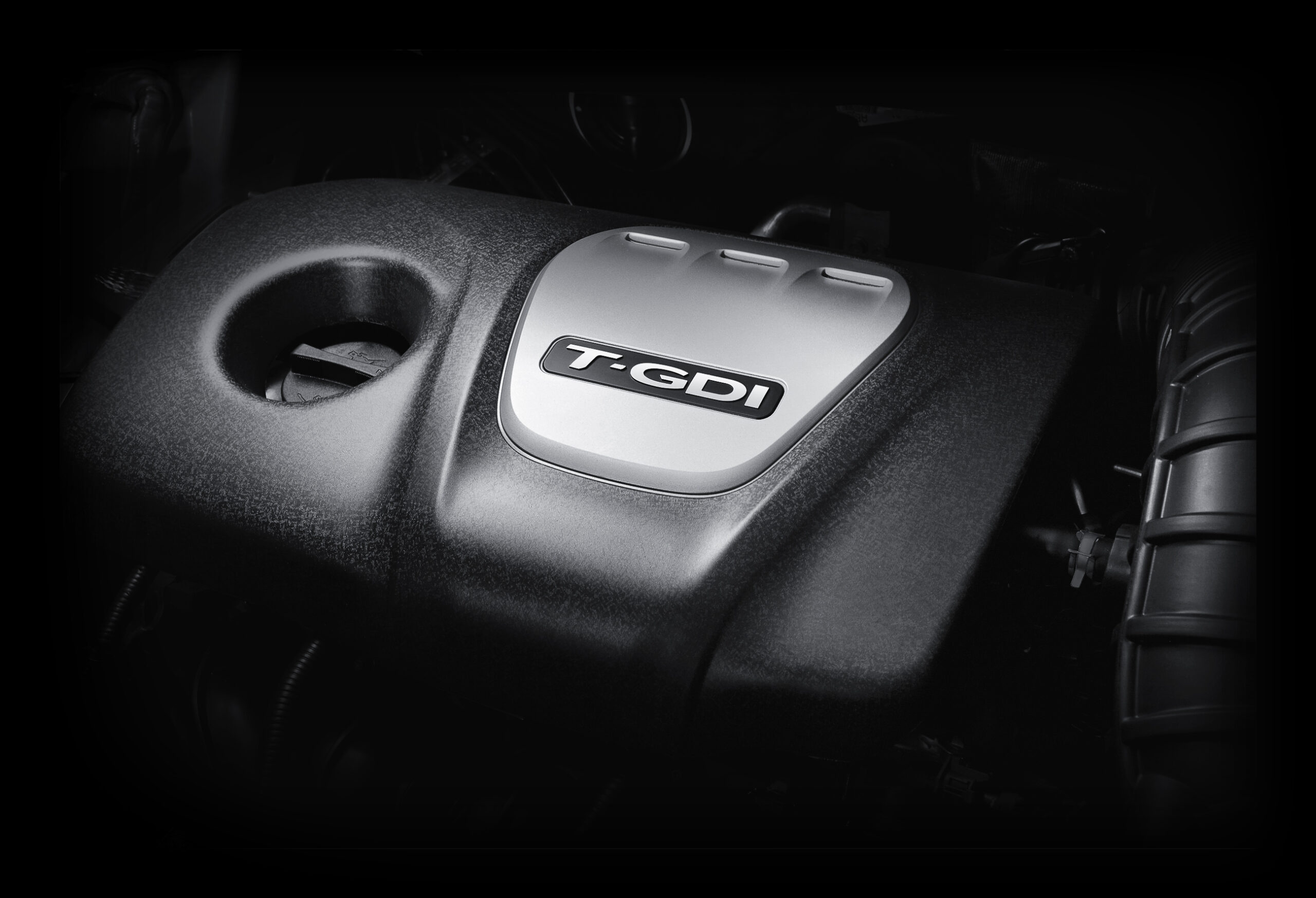
Why the 1.6 CRDi engine develops filter problems sooner
The Kia Soul 1.6 CRDi is popular as a compact city car, but that very usage leads to problems. Diesel engines need longer trips to reach optimal temperature. With only short trips of less than twenty minutes, the exhaust system never reaches the temperature required for regeneration.
In addition, this engine suffers from related technical weaknesses. Lambda sensors and pressure sensors can fail, preventing the engine from correctly detecting when regeneration is needed. In some cases, overheating occurs in the exhaust system due to an overloaded filter. This can lead to damage to the catalytic converter and, in severe cases, even engine damage due to broken con rods.
Costs of cleaning and replacing the DPF
The costs associated with DPF problems vary widely. A professional cleaning of the filter costs between €200 and €400. This is possible when the filter is not completely ruined and no physical damage has occurred to the catalytic converter or other components.
If the filter has to be replaced, you will quickly pay between €800 and €1,500. This price includes parts and labour. In some cases the catalytic converter or exhaust sensors are also damaged, which further drives up the total cost. Preventive maintenance and timely diagnosis are therefore financially far more advantageous than ignoring warning lights.
‘ If the filter is too badly damaged or blocked, replacement is the only option. ’
How to solve DPF problems on the Kia Soul
There are several solutions for tackling diesel particulate filter problems. The approach depends on how severe the blockage is and whether there is any damage to the system.
In the case of an early blockage, a forced regeneration can help. This is a process in which the garage uses diagnostic equipment to command the engine to burn the filter clean at high temperature. This only works if the filter is not yet too heavily clogged. Another option is chemical cleaning of the filter. In this process, the filter is removed and treated with special fluids to remove the soot.
If the filter is too badly damaged or clogged, replacement is the only option. When cavities form in the catalytic converter due to overloading, the entire exhaust system often needs to be addressed as well. If in doubt, always first check which fault codes are present with an OBD scanner. This guides the diagnosis and prevents unnecessary repairs.
Practical tips to prevent blockages
With conscious driving and proper maintenance you can prevent most DPF problems. The following tips will help keep your Kia Soul 1.6 CRDi in good health.
- Once a week, take a drive of at least thirty minutes on the motorway at more than 2,000 rpm. This gives the filter the chance to regenerate.
- Use premium diesel with a low sulphur content. This reduces soot build-up in the filter.
- Consider DPF-cleaning additives that you mix into the fuel. These products help keep the filter cleaner.
- Replace the fuel filter every 30,000 kilometres. A clean fuel supply reduces soot formation.
- Stick to oil change intervals: replace the engine oil every 15,000 kilometres or annually. Clean oil contributes to better combustion.
- Never ignore warning lights. Have them read out immediately and tackle problems before they get worse.
Owners report on forums that consistently adjusting their driving style is often enough to prevent filter problems. One long drive per week can make the difference between a healthy and a clogged filter.
Other known problems with the Kia Soul 1.6 CRDi
In addition to DPF problems, the Kia Soul 1.6 CRDi has several other technical points of attention. It is good to be aware of these if you own this model.
There have been reports of engine fire risk due to broken con rods. This can occur with overheated oil or catalytic converter problems. Therefore, check the oil level regularly and keep an eye on the condition of the exhaust system. Electrical faults can occur, such as flickering lights caused by overheated connectors or cables that have been gnawed by rodents. Metal-reinforced cable sheathing offers protection here.
After 200,000 kilometres, noises can arise from the transmission or differential due to wear. Rust on parts of the drive shaft also occurs, although this is relatively normal in diesel models. A yearly underbody wash helps limit corrosion. Check with the dealer whether there are any recalls for your specific year of manufacture, particularly for engine and exhaust components.
‘ Early diagnosis prevents expensive consequential damage to the turbo, engine or exhaust system. ’
When to go to the garage with DPF problems
Sometimes DIY solutions are not enough and you need to see a professional mechanic. Do not wait too long to visit a garage when the warning light stays on after a long motorway drive. This means that regeneration is failing and the filter is too full.
Repeated loss of power or black smoke also requires an immediate diagnosis. Fault codes may point to defective sensors, a damaged catalytic converter or other underlying problems. When the engine is hard to start, especially when cold, this may indicate serious pressure problems caused by a clogged filter. Early diagnosis prevents expensive consequential damage to the turbo, engine or exhaust system.
When having the filter professionally cleaned or replaced, it is sensible to have related components checked as well. Think of lambda sensors, pressure sensors and the fuel filter. Ask the mechanic to lubricate new O-rings with diesel during installation. This prevents leaks and ensures a good seal.

Long service life through conscious use
The Kia Soul 1.6 CRDi is a reliable car, but it does require conscious use. The diesel particulate filter is the weak point with frequent city driving. By adjusting your driving style and not postponing maintenance, you keep the car in good condition. A weekly long drive is the simplest way to prevent filter problems.
Recognise symptoms at an early stage and respond quickly to warning lights. This saves you hundreds of pounds in repair costs. With the right attention and preventive maintenance, the 1.6 CRDi will continue to run trouble-free, even after 150,000 kilometres.
On the Carnews website you will find more information about common car problems, maintenance tips and practical advice for various makes and models. Discover what other Kia owners experience and learn how best to maintain your car.
Frequently asked questions
The most common symptoms of a clogged diesel particulate filter in a Kia Soul 1.6 CRDi are a clear loss of power and a poorly pulling engine, especially when accelerating or on the motorway. This is often accompanied by warning lights on the dashboard and stored fault codes in the engine management system. Black smoke may also come from the exhaust under acceleration. In some cases there are starting problems in cold conditions due to disturbed pressure values or defective sensors around the DPF.
In the Kia Soul 1.6 CRDi, DPF problems arise mainly due to many short journeys and urban traffic, which prevent the filter from regenerating properly and cause it to clog up. Insufficient long journeys at motorway revs (above approx. 2,000 rpm) and the use of lower-quality diesel increase soot build-up. Defective or contaminated sensors (such as pressure sensors and lambda sensors) can prevent regeneration or cause it to start too late. In addition, neglected maintenance, such as excessively long intervals between oil changes and fuel filter replacement, contributes to premature DPF blockage.
Possible solutions for a faulty or clogged diesel particulate filter (DPF) in the Kia Soul 1.6 CRDi include forced regeneration via the software, professional cleaning of the filter, or full replacement. A forced regeneration or simple cleaning with an additive is usually the cheapest option and often remains within a few hundred euros, depending on labour time. Professional removal and cleaning of the DPF costs on average around €200–€400. Complete replacement of the diesel particulate filter is generally between about €800 and €1,500, depending on dealer/aftermarket parts and hourly labour rates.
Drive for at least 30 minutes on the motorway once a week with the engine speed above roughly 2,000 rpm to allow the DPF to complete its regeneration cycle, and avoid, as far as possible, only making short city journeys. Use high-quality (preferably premium) diesel and consider using a DPF cleaner additive periodically, and replace the fuel filter on time according to the schedule. If warning lights appear or you notice loss of power, have the fault codes read immediately with an OBD scanner and do not postpone professional DPF cleaning to avoid damage. Also strictly adhere to oil and maintenance intervals, as fresh engine oil and a properly functioning exhaust and sensor set are essential for a long diesel particulate filter service life.
If you ignore DPF problems, the filter can become completely blocked, causing the engine to lose power, start poorly and ultimately go into limp mode or even suffer serious engine damage. The exhaust gas temperature can rise sharply, which may damage the catalytic converter, turbo and other exhaust components. A clogged DPF also increases fuel consumption and emissions of harmful substances. This leads to higher soot and NOx emissions, which are harmful to the environment and can result in MOT failure.