
After 250,000 kilometres, driveshafts regularly start to show signs of wear. The front CV joint wears out the fastest. The good news is that with many makes you can solve these problems by replacing only the bush or the bearing, instead of swapping the complete shaft as with Audi and BMW. That saves a lot in costs and cuts maintenance time. But how do you recognise in time that something is wrong with your driveshaft?
What is a driveshaft and why does it wear?
The driveshaft transfers the power from the engine and gearbox to the wheels. The CV joint ensures this power transfer remains smooth while steering and as the suspension moves. Under intensive use and at higher mileage, the bearings wear. A torn driveshaft boot speeds up this process. Grease leaks out. Dirt and moisture get in. The front CV joint is extra sensitive to wear. The larger steering angles and constant load with front-wheel drive demand a lot from this component.
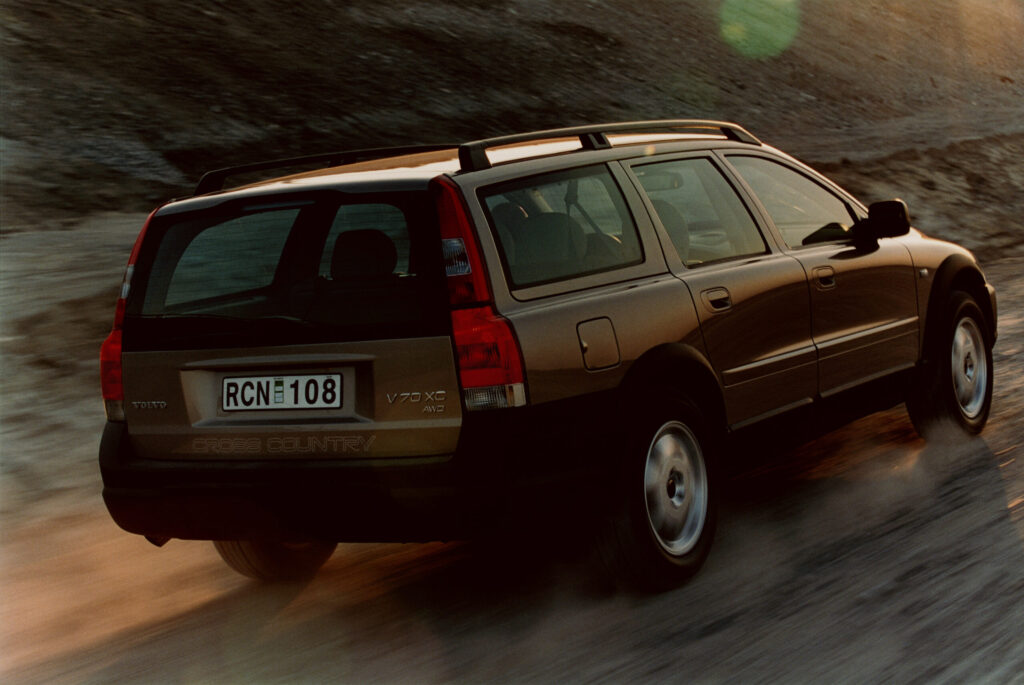
On models that are often used for long journeys or with a load, such as the Volvo XC70, these problems occur more frequently. High mileage and varying conditions increase the risk of wear. Regular use under heavy load speeds up the process.
What are the symptoms of driveshaft wear?
You can recognise wear on the driveshaft or CV joint by some typical signals. The earlier you spot these, the better you can prevent further damage.
- Rattling, knocking or creaking noise in corners, especially on full lock
- Vibrations while pulling away or accelerating
- Grease traces or grease build-up around the suspension, brakes or wheel
- Play when checking the driveshaft with the car on a lift
A rattling noise in corners usually points to a worn CV joint. The balls in the joint are no longer properly guided. They hit against the cage. Vibrations indicate play or imbalance. The driveline no longer runs smoothly. Grease deposits are a strong sign. The boot is torn. Action is needed. Otherwise the CV joint will end up permanently damaged.
How can you check driveshaft problems yourself?
Do you suspect problems with the driveshaft? Then carry out a few simple checks. That way you can determine whether a visit to the garage is necessary.
- Visually check the boots for splits, grease splashes and drying out
- Do a test drive at low speed and listen for regular rattling noises when steering left or right
- Check whether the noise becomes louder on full lock or when accelerating in a bend
- On a lift or with the car on axle stands, check whether there is play on the shaft or the joints
On four-wheel drive cars you also check the rear driveshaft. The driveline on these cars is more complex. CV joint-like noises sometimes come from other parts of the driveline.
Repair or replace the CV joint?
Replacing the complete driveshaft is often not necessary. With Volvo, Peugeot and Citroën you sometimes only replace the CV joint, the bush or the bearing. This saves considerably in costs and time. With Audi and BMW the driveshaft is often fitted as one piece and full replacement is usually the only option.
Repair depends on the degree of wear. The moment of discovery also plays a role. With early wear you can limit the damage to the boots or one CV joint. Do you continue driving for a long time with grease loss or a clear clicking noise? Then the wear worsens quickly. Full replacement often becomes unavoidable. In serious cases the driveshaft can seize or break. Dangerous situations can then result.
‘ Early intervention prevents minor wear from getting out of hand. ’
How much does driveshaft repair cost?
The costs of driveshaft repair vary widely. The type of car plays a role. The extent of the wear is decisive. The difference between repair and replacement also weighs in. For replacing only a CV joint or boot you can expect costs between 150 and 400 euros, including labour. For complete replacement of the driveshaft, costs are usually between 400 and 800 euros per shaft.
With premium brands such as Audi and BMW, costs are often higher due to the construction of the shaft and the more expensive parts. Labour costs differ per garage. On average, allow 1 to 2 hours of work to replace a CV joint. For a complete driveshaft, plan 2 to 3 hours. Early intervention prevents minor wear from escalating. That way you avoid a more expensive repair.
Practical maintenance tips to prevent wear
Good maintenance and attentive driving significantly extend the life of driveshafts and CV joints. Pay attention to the following points.
- Regularly check the rubber gaiters; even a small split can be enough to damage the CV joint
- Do not keep driving for long with grease loss or a clear clicking noise in corners
- Avoid unnecessary overloading and a harsh driving style, as this increases the load on the driveshaft and CV joint
- If there is clear wear, have not only the boots but also the relevant CV joint assessed
Complaints are often first audible in corners. In a straight line the car can still feel fairly normal. At the first rattle in corners, take action straight away. Is there already grease on the wheel or underside? This is a sign. Action is needed.
When should you go to the garage straight away?
Some signals require immediate action. Do you recognise one or more of the following problems? Then do not delay a visit to the garage.
- Clear creaking or rattling noise that keeps getting louder
- Grease marks on the wheel or suspension
- Noticeable vibrations while accelerating or driving
- Play when moving the shaft
Continuing to drive with a defective CV joint can lead to the shaft completely seizing or breaking. Dangerous situations then arise quickly. This mainly happens at higher speeds. It is also a risk while pulling away. So if in doubt, always have a professional check it. That way you know whether the driveshaft and CV joints are still in good condition.
On the Carnews website you will find much more information about car problems. Discover practical maintenance tips and guides for different car makes and models.
Frequently asked questions
The most common symptoms of a worn driveshaft or CV joint are a rattling, knocking or creaking noise in corners and vibrations while driving or especially under hard acceleration. During cornering, these noises are particularly noticeable when steering (sharply) or taking roundabouts, often rhythmically in time with wheel speed. When accelerating you may notice a humming or vibrating feeling in the steering wheel, floor or seat that decreases when you lift off the throttle. In addition, grease traces around suspension, brakes or wheel are a clear signal that the boot is torn and the CV joint may already be wearing.
Driving style plays a major role: rapid starts, harsh gear changes, often steering at full lock under load, lots of trailer or caravan towing and driving on bad roads all increase peak loads and speed up wear of driveshafts and CV joints. Insufficient or late maintenance – such as not replacing torn boots in time and continuing to drive with grease loss or early rattling noises – allows dirt and moisture to enter and quickly wear out the joint. Tuning that increases engine power and torque raises the forces on the driveline and can rapidly finish off existing weak spots. Car enthusiasts can prevent or minimise wear by only loading the driveline hard once it is warm, regularly checking the boots and for grease traces, having parts replaced in good time at the first symptoms and, in the case of power increases, possibly fitting stronger driveshafts or upgraded components.
If driveshaft or CV joint problems are not dealt with in time, wear rapidly worsens because grease leaks out and dirt gets in, which can eventually lead to the joint seizing or breaking. This brings serious safety risks, such as loss of drive, unstable handling and, in extreme cases, loss of control of the vehicle. Performance noticeably deteriorates due to vibrations, less smooth power delivery and poorer steering behaviour. In addition, costs rise sharply, because as well as the CV joint, the complete driveshaft and possibly surrounding parts (suspension, brakes) are often damaged and need replacing.
DIYers can check the condition of the driveshaft and CV joints by doing a test drive and listening for rattling or knocking noises in (sharp) bends and paying attention to vibrations during acceleration. On the driveway, you can jack up the car, let the wheels spin freely and manually check the driveshafts for noticeable play, out-of-round rotation and grease leaks or splits in the boots. Essential tools are a sturdy jack with axle stands, a torch or work light, gloves and possibly a pry bar or large screwdriver to feel play more clearly. For an even more thorough check, a torque wrench and socket set are useful to correctly (de)mount wheel bolts and the driveshaft nut for closer inspection.
Regularly check the driveshaft boots for small splits and grease leaks, replace damaged boots immediately and make sure CV joints are always properly lubricated. Limit hard starts, large steering angles under full load, hitting kerbs and extreme lowering or very large wheels, as these greatly increase the angles and forces in the CV joints. If there are rattling or knocking noises in corners, noticeable vibrations while pulling away or visible grease traces around suspension and wheel, have the driveshaft and CV joints inspected straight away. Replacement is inevitable once there is clear play, deep wear marks or persistent noise under load, because then the wear in the joint can no longer be repaired.