
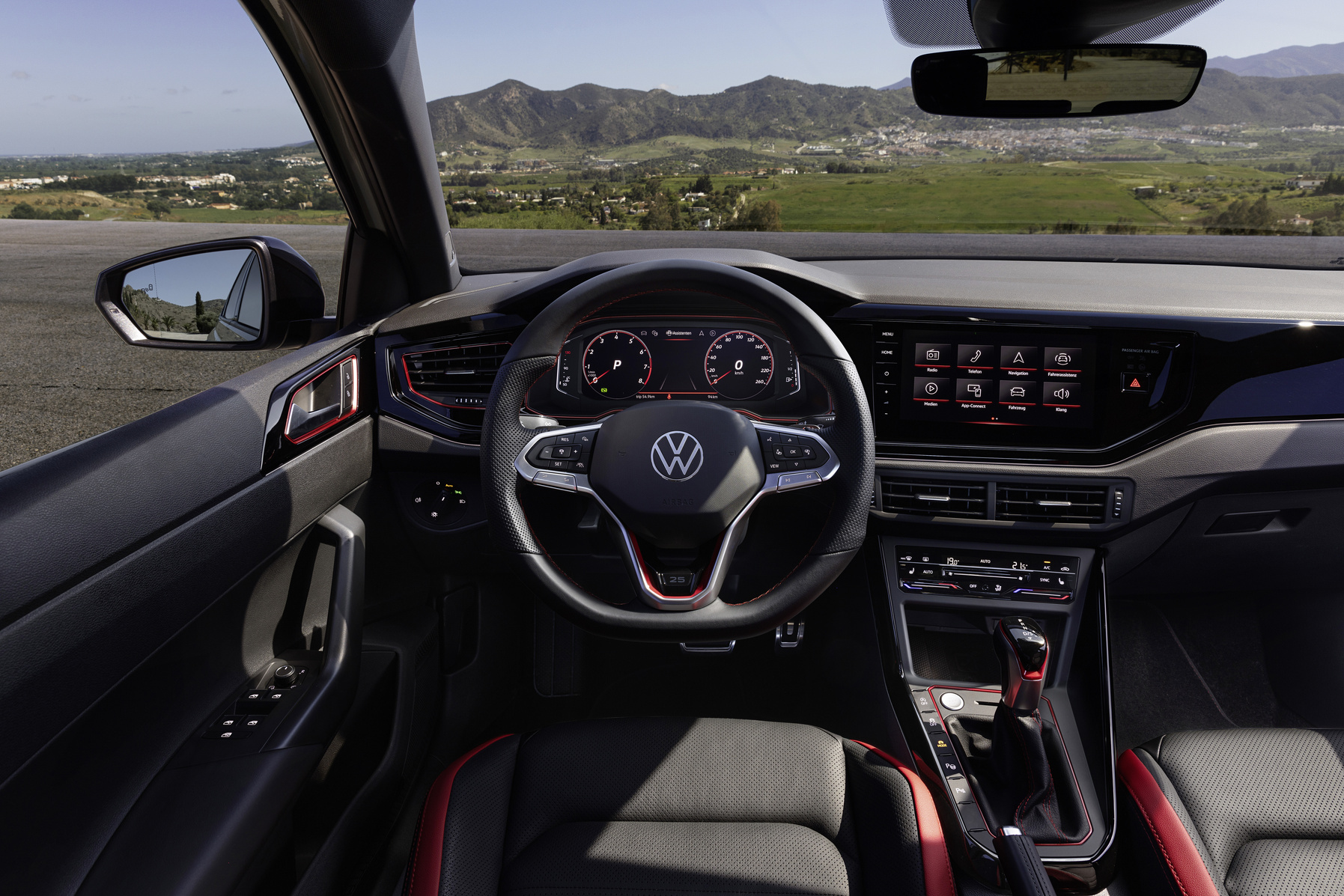
DSG transmissions (automatic gearboxes with dual clutch) in the Volkswagen Polo regularly develop faults such as jerky gear changes, slipping and annoying noises. These problems mainly occur in models with the dry 7-speed DQ200 gearbox (a specific DSG variant for small cars) from 2009 onwards. The cause is often defective mechatronics (the electronic and hydraulic control section of the gearbox) or worn clutches, with repair costs ranging from 1,000 to 4,000 euros. Want to know how to recognise DSG problems and what you can do about them?
Common symptoms of a faulty DSG
Problems with the DSG transmission are clearly noticeable while driving. For many Volkswagen Polo owners, complaints start at a mileage of around 100,000 to 150,000 kilometres. The symptoms vary, but some warning signs keep coming back.
The most commonly reported problem is jerky or hesitant gear changing. Especially at low speeds or during cold starts you notice that the transmission changes gear roughly, sometimes with grinding noises. In extreme cases the car switches to limp mode and hardly responds to the accelerator pedal. This often points to worn clutches, contaminated oil or wear in the mechatronics.
Another common symptom is delay when pulling away. You press the accelerator pedal, but the car responds slowly or seems to hesitate briefly before the power is transferred. This may be the result of slipping clutches or low oil pressure in the transmission system.
In addition, you may be confronted with error messages and warning lights on the dashboard. Codes such as P0722 point to a defective control module. Flashing PRNDS indicators (the display of the automatic positions on the dashboard) or a lit warning light are often the first sign that something is wrong with the DSG gearbox.
Other signals include:
- The engine revs high without the car building up speed, due to slipping clutches
- Vibrations from standstill or jerky movements when pulling away
- Shifting either too early or too late during acceleration, indicating software or synchronisation problems
‘ This also happens when they follow the prescribed maintenance schedule. ’
Why do DSG transmissions (automatic gearboxes with dual clutch) fail in the Polo?
The cause of DSG problems is often found in the design of the transmission itself. The dry 7-speed DQ200 gearbox is more sensitive to heat build-up and dirt accumulation than wet DSG variants. Heat and dirt lead to wear of the mechatronics, the electronic brain of the transmission. If this part fails, the car loses control over its shifting behaviour.
Worn clutches are also an important cause. With intensive use or a lot of stop-start traffic, the clutches wear out faster, causing them to slip or no longer engage fully. This problem occurs in both dry and wet DSG gearboxes, but is more urgent with the dry variant.
Owners of Polos from the years 2009 to 2020 report identical complaints. This also happens when they follow the prescribed maintenance schedule. In cars with a mileage above 130,000 kilometres, the likelihood of faults clearly increases.
How do you test for DSG problems when buying a used car?
When buying a used Polo with a DSG transmission you can carry out a number of checks yourself. Start the car from cold and pay attention to how it changes gear during the first few kilometres. Jerky or hesitant gear changes at low speed are an important warning sign.
Ask the seller for the service history and check whether the DSG oil and filter have been replaced regularly. Many problems arise because this maintenance is skipped, as Volkswagen has not marked it as mandatory for some models.
If in doubt, have the car read out with OBD equipment (diagnostic equipment that works via the car’s standard diagnostic port). A specialist can then detect any fault codes that point to mechatronics problems or clutch faults. A test drive on different types of roads also helps: pay attention to the behaviour when pulling away, accelerating and braking.
Also check whether the PRNDS indicators on the dashboard operate normally and whether any warning lights come on while driving. In a healthy DSG gearbox, gear changes are smooth and without noticeable jolts.
Can I fix DSG problems myself?
Repairing or replacing a DSG transmission yourself is technically complex and requires specialist knowledge and equipment. After replacement, the mechatronics must be calibrated with specific dealer software, which cannot be done at home.
What you can do yourself is carry out preventive maintenance. Have the DSG oil and filter replaced every 40,000 to 60,000 kilometres, even if this is not stated in the service book. Fresh oil keeps the internal components clean and improves lubrication, which extends the life of the transmission.
Some problems are solved with a software update or reprogramming (adjusting the software of the gearbox control unit). This can often be done at a Volkswagen dealer or specialist garage and costs between 200 and 500 euros. Try this first before opting for expensive repairs.
For more serious problems such as mechatronics failures or worn clutches, professional help is needed. Go to a garage with experience in DSG transmissions, because incorrect repairs can make the problem worse.
‘ Given these amounts, it is wise to build up some savings if you drive a Polo with a DSG transmission. ’
How much do DSG transmission repairs cost?
The cost of DSG repairs varies greatly, depending on the cause and severity of the problem. Fixing a mechatronics fault costs around 1,000 euros, including replacement and calibration. This is often the cheapest solution when only the electronic component is defective.
Fixing clutch wear is more expensive. Replacing the clutches costs between 1,500 and 3,000 euros, because the transmission has to be removed from the car. For a complete overhaul of the DSG gearbox (where the gearbox is dismantled and rebuilt with new parts) you are looking at costs of 3,000 to 4,000 euros.
A software update or reprogramming is the most economical option at 200 to 500 euros, but it only solves software-related problems. It does not help in the case of mechanical defects.
Given these amounts, it is wise to build up some savings if you drive a Polo with a DSG transmission. With an annual mileage of 15,000 kilometres you can expect possible maintenance or repairs over time.

Tips to prevent DSG problems
Prevention is the best way to avoid expensive repairs. Replace the DSG oil and filter on time, even if the manufacturer does not prescribe this. Old oil loses its lubricating properties and leaves metal particles behind that damage the internal components.
Adjust your driving style to relieve the transmission. Avoid aggressive acceleration in low gears and do not leave the car standing still in gear unnecessarily. In heavy stop-start traffic it is better to put the car in neutral (N).
Have software updates carried out. The dealer offers these regularly. For various Polo models, Volkswagen has released updates that improve shift behaviour and reduce wear.
When buying a used car, choose a vehicle with a complete service history and preferably a low mileage. Cars that have mainly driven on the motorway often suffer less from DSG problems than cars that have been used a lot in the city.
Experiences of Polo owners with DSG faults
Owners of Polos with a DSG transmission share mixed experiences. Some drivers report reliable gearboxes that operate without problems up to 145,000 kilometres, provided that maintenance is strictly followed and the car is mainly driven on the motorway.
Others experience sudden faults after cold starts or at low speeds. One owner resolved rough shifting with a 1,000-euro repair, while others are considering buying another car for this reason. Forums recommend having a dealer software update carried out at the first symptoms before moving on to expensive repairs.
With imported cars with high mileage, extra caution is advised. Carefully check for wear and ask for the service history, as DSG problems can significantly reduce the trade-in value.
‘ Regular maintenance and being alert to early symptoms help to prevent major costs. ’
More information about Volkswagen problems
DSG transmission faults are a known issue in the Volkswagen Polo, especially in models with the dry 7-speed gearbox. Regular maintenance and being alert to early symptoms help to prevent major costs. On the Carnews website you will find much more information about common car problems, maintenance tips and buying advice for various makes and models. Discover more and stay up to date with everything to do with cars.
Frequently asked questions
The most common symptoms are jerky or hesitant gear changes (especially at low speed or when pulling away), delay when responding to the accelerator and a noticeably slipping clutch (the engine revs but the car moves forward slowly). You may also feel vibrations when pulling away, unstable shifting (changing up or down too early or too late) and sometimes flashing PRNDS lights or a warning light on the dashboard. In practice, you recognise this from a Polo which does not change gear smoothly during gentle driving, gives little “kicks” at shift moments or clearly shifts differently when cold than when it is warm. If in doubt, have the DSG read for fault codes and a test drive carried out by a DSG specialist.
Common underlying causes of DSG problems in the Volkswagen Polo are wear or contamination, especially in the dry 7-speed DQ200 gearbox, heat build-up, worn clutches and defects in the mechatronics (control unit). Insufficient or overdue oil and filter changes also increase the risk of faults such as jerky shifting and limp mode. There have been several international recalls involving DSG gearboxes (including for the DQ200 in connection with material and software issues), but whether a specific Polo is covered by a recall depends on the year of manufacture, type and chassis number. Checking for outstanding recalls is done via an authorised Volkswagen dealer or the importer’s VIN/website.
For a faulty DSG gearbox in a Volkswagen Polo there are roughly four repair options: software update/reprogramming only, replacement/overhaul of the mechatronics unit, replacement of the clutch(es) or a complete overhaul of the gearbox. Which option is chosen depends on the diagnosis (fault codes, symptoms and degree of wear). After correct repair or overhaul, specialists and users generally report a remaining service life in the region of 80,000 to around 150,000 km, provided maintenance is good. With a full overhaul or extensive mechatronics and clutch repairs it is often expected that the gearbox is “as good as new” again and can therefore last for the rest of the car’s economic life.
For diagnosing DSG faults (reading fault codes, test drive, basic inspection) costs are usually around €100–€200. Simple solutions such as a software update or recalibration cost roughly €200–€500. For actual repairs, average costs rise sharply: replacement of mechatronics or clutch is often between about €1,000 and €3,000. In the case of a complete overhaul of the DSG gearbox in a Volkswagen Polo you should expect around €3,000–€4,000.
Yes, there are specific service intervals and preventive measures that can reduce the risk of DSG faults. Ideally, have the DSG oil and filter changed every 40,000–60,000 km, even if this is not explicitly stated in the service book. In case of complaints or periodically, have a DSG specialist read the gearbox, update the software and check and calibrate the mechatronics/clutches. Also avoid frequent aggressive acceleration at low speed and prolonged ‘creeping’ on the clutch to limit heat and wear.