

The EDC automatic gearbox of the Renault Kadjar jerks, slips or shifts hesitantly. This is caused by electronic or clutch faults. The problems can often be solved with a reset or overhaul. This makes a reliability check at purchase and during servicing extra important. How do you spot these problems at an early stage and what can you do about them?
The Renault Kadjar is a popular family car, but owners regularly report complaints about the automatic gearbox. In particular, the dual‑clutch EDC automatic suffers from faults. These range from slightly jerky behaviour to serious slipping. The root cause is often the software, transmission oil or wear to internal components.
The complaints occur most frequently in models from the first years of production. In many cases it is not immediately a completely failed gearbox. It is often a matter of software issues, contamination or wear of clutches and valves. Acting early often prevents higher overhaul costs.
Common complaints with the Kadjar automatic
Owners report a wide range of problems with the EDC gearbox. The most common complaints are:
- Jerky pulling away or rolling off at low speeds
- Slow or unsettled shift responses
- Hesitation when shifting between the lower gears
- Revs that fluctuate without any clear reason
- A gearbox that gets stuck in one gear
- Grinding or mechanical noises while driving
- Slipping or the feeling that the car does not “bite” properly when pulling away
These symptoms often point to problems with the electronic control. They can also indicate mechanical wear. For some owners the problem occurs only occasionally, for others it becomes a constant annoyance. That makes it important to recognise a pattern.
‘ In that case an overhaul is often necessary. ’
Why does the automatic gearbox jerk when shifting?
Jerky shifting usually has four possible causes: software faults, contaminated oil, wear of the clutches or mechanical damage. Each cause requires a different approach.
Software and control
The EDC automatic is electronically controlled. Software faults cause hesitant shift responses. Outdated calibration can also cause this. Especially with the Kadjar there are reports of unsettled shifting that noticeably improves after a software update or reset. This points to a calibration issue with certain cars.
Contaminated or aged transmission oil
Transmission oil loses its lubricating properties over time. It also loses its ability to transfer pressure within the system. Contaminated oil causes less smooth responses from the gearbox. Symptoms include jerks, delayed shifting and heat issues. This particularly plays a role in cars that have driven many short trips or where the oil has never been changed.
Wear of clutches or mechatronics
With dual‑clutch gearboxes, the clutches and control components wear faster than in traditional automatics. You notice this through jerky pulling away, vibrations, irregular shifting or noises under load. The mechatronics is the electronic control unit of the gearbox. This component can fail due to overheating or wear.
Mechanical wear or internal damage
Some complaints are accompanied by noises. Think of scraping, rattling or grinding. These symptoms point to mechanical damage. This may be a faulty clutch, a damaged gear or wear in the drivetrain. In that case an overhaul is often necessary.
Warning signs you should not ignore
Certain symptoms call for quick action. Pay particular attention to these warning signs:
- The car jerks immediately after starting and pulling away
- The revs shoot up without any noticeable acceleration
- The gearbox shifts too late or very abruptly
- The car responds slowly when you press the accelerator
- There is a burning smell or a sense of overheating after short journeys
- The problem gets worse with a cold engine or, conversely, when driving with everything warm
- A warning light comes on or error messages appear on the display
Several symptoms sometimes occur at the same time. In that case, have a specialist carry out a diagnosis. Continuing to drive with serious complaints increases the risk of expensive damage.
Practical solutions for transmission problems
Most problems can be solved with targeted measures. A software update or flushing, for example, already resolves many complaints. These approaches often work well for EDC issues.
Have the software checked and updated
Always start with a check for software updates. Also have the adaptation values checked. These are the settings with which the gearbox adjusts its shift points to the driving style. For many owners, recalibration or an update largely resolves the jerking and hesitation. This is a relatively inexpensive and quick procedure that many garages can carry out.
Have the automatic gearbox flushed
Preventive flushing of the transmission helps when contamination plays a role. This is especially useful if the car has driven many short journeys, the gearbox is somewhat older, shift points feel unsettled or the oil has never been changed. A flushing service replaces the old oil and removes wear particles from the system.
Reading fault codes
Have the gearbox and engine scanned for fault codes. These are codes that indicate which component or system is not functioning properly. Reading them out provides electronic clarity. It also becomes clear whether the problem is hydraulic or mechanical. Fault codes often point to a specific component or sensor, which speeds up the diagnosis and prevents unnecessary costs.
Do not keep driving with serious complaints
Do not keep driving for long if the gearbox is slipping or jerking violently. Also stop if unexpected noises occur. Have the car checked immediately if the gearbox goes into limp mode. This causes extra wear and can lead to total gearbox failure. Acting early often prevents more serious damage and high overhaul costs.
‘ A car with neglected gearbox problems, however, quickly becomes expensive. ’
Is the Renault Kadjar automatic gearbox reliable?
The answer depends heavily on maintenance and year of manufacture. The EDC automatic in the Kadjar has a mixed reputation. Not every Kadjar automatic is problematic, but the gearbox does deserve extra attention when buying and in use.
Owners often report a pattern: first slight jerks or strange shift behaviour, then occasional hesitation and eventually sometimes clear slipping or noise complaints. At the same time, there are also owners for whom a software update or flushing was enough to solve the problem. A well‑maintained Kadjar automatic can drive perfectly well. A car with neglected gearbox problems, however, quickly becomes expensive.
What should you check before buying?
During a test drive and pre‑purchase inspection, these checks are essential:
- Start the car from cold and feel whether it pulls away smoothly without jerks
- Drive slowly in traffic‑jam‑like conditions and watch for jerkiness at low speeds
- Test firm acceleration from low speed to detect slipping
- Also have the car assessed after a longer drive to rule out heat‑related problems
- Ask for the automatic gearbox’s service history. Ask specifically whether the oil has been changed.
- Check whether software updates or previous repairs have been carried out
- Ask specifically about any previous complaints about shifting or slipping
If in doubt, always have fault codes read before making a purchase decision. This prevents unpleasant surprises after purchase.
Maintenance tips for the EDC automatic
Preventive maintenance significantly reduces the risk of problems. Follow these tips:
- Have the automatic gearbox checked regularly, even if there are no complaints
- Flush the transmission preventively at an appropriate maintenance interval. This is around 60,000 kilometres.
- Do not drive aggressively with a cold gearbox; allow the system to warm up first
- Never ignore jerks, slipping or noises, even if they occur only occasionally
- When buying, always ask about updates and previous repairs to the gearbox
Consistent maintenance considerably extends the service life of the EDC automatic and prevents many common problems.
‘ This confirms the importance of early diagnosis and preventive measures. ’
Experiences of Kadjar owners
Users report a mixed picture. Some owners drive without problems after a simple software update or flushing. Others struggle with recurring complaints that eventually lead to an overhaul of the gearbox. The first sign is often slightly jerky behaviour when pulling away, which gradually develops into structural hesitation.
Owners who respond quickly to the first symptoms and have preventive maintenance carried out suffer less from serious faults. Those who keep driving with complaints often see an accelerated deterioration. This confirms the importance of early diagnosis and preventive measures.
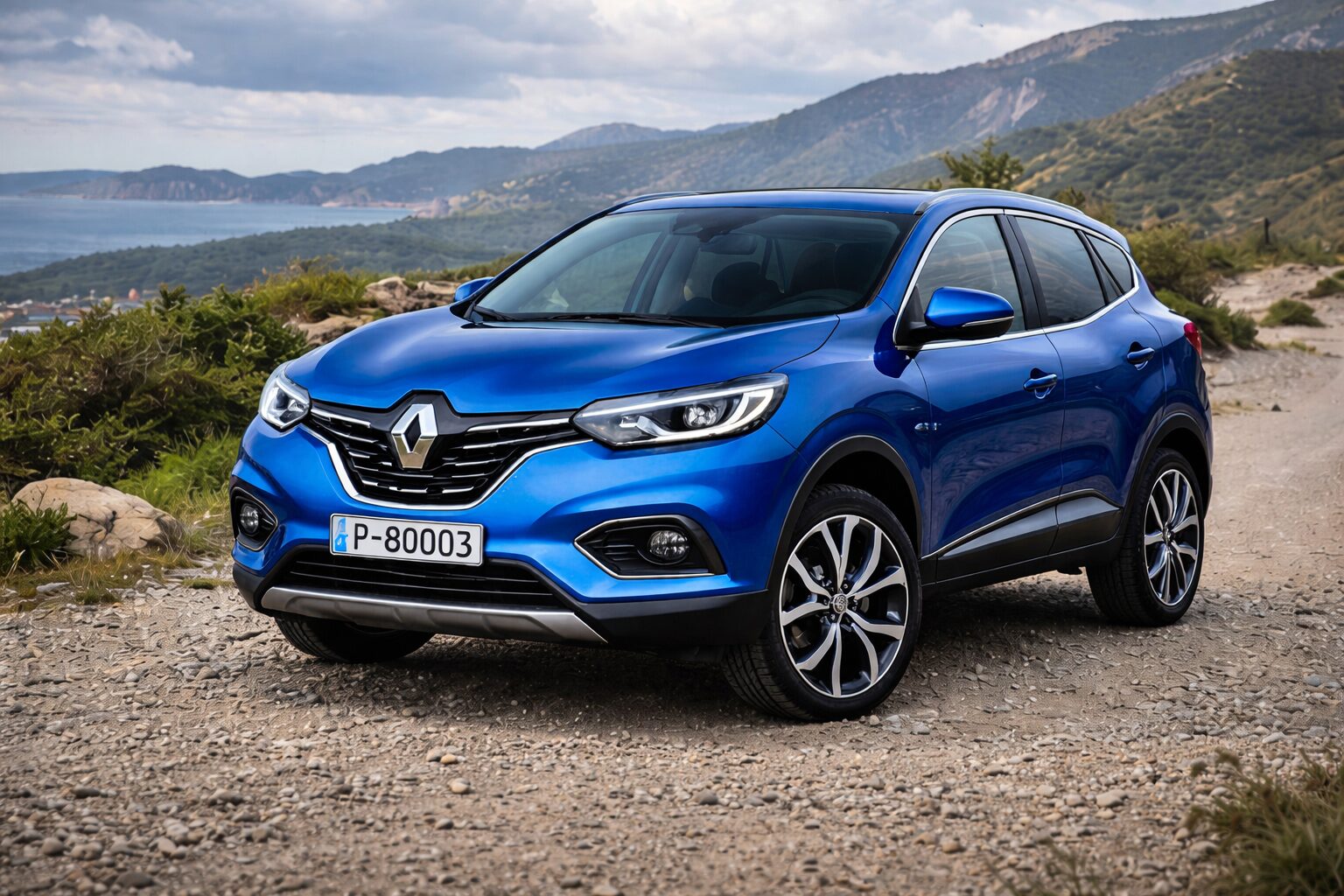
Discover more about the Renault Kadjar
The EDC automatic gearbox of the Renault Kadjar requires attention, but with the right approach many problems can be managed. Software updates, preventive flushing and early diagnosis reduce the risk of expensive repairs. On the Carnews website you will find extensive information about other known problems with the Kadjar, maintenance tips and owners’ experiences. Discover more and stay up to date with everything you need to know as a Kadjar driver.
Frequently asked questions
The most common automatic‑gearbox problems with the Renault Kadjar are jerky pulling away, hesitant or harsh shifting, slipping and unstable revs (fluctuating engine speed). You recognise this from juddering when pulling away or in stop‑start traffic, delayed response when accelerating, a gearbox that stays stuck in one gear and sometimes grinding or rattling noises. A burning smell, a gearbox that goes into limp mode or a warning light on the dashboard are also clear symptoms. If these complaints get worse with a warm or, conversely, a cold gearbox, this is often a sign of wear, contaminated oil or software issues.
In the Renault Kadjar, two main types of automatic gearbox have been used: the EDC dual‑clutch transmission (6‑ and 7‑speed) and, in some versions and markets, a CVT‑type automatic. Most of the known problems relate to the EDC dual clutch (jerky shifting, slipping, vibrations and software/mechatronics issues). These EDC gearboxes – especially in the earlier years of production and where the transmission oil has not been properly maintained – are considered the most failure‑prone. The conventional/CVT‑type automatics in the Kadjar are in practice known as less problematic.
Potential causes include aged or contaminated transmission oil, unfavourable or outdated control/software, and wear of clutches, mechatronics or other internal parts in the EDC automatic. You reduce the risk of problems by having the automatic‑gearbox oil changed or flushed in good time and always having available software updates and recalibrations carried out. Pull away gently with a cold engine/gearbox, avoid a lot of creeping along in traffic jams with aggressive acceleration and do not ignore jerks, slipping or strange noises. If there are complaints, have fault codes read out immediately and have the gearbox checked by a specialist to prevent more serious damage.
Repair or overhaul of the automatic gearbox of a Renault Kadjar usually costs roughly between €1,500 and €3,000 at specialised overhaul companies, depending on the nature and extent of the damage. A complete factory or dealer replacement of the gearbox can run to around €4,000–€6,000. As an alternative, it is worthwhile first to have software updates, a reset of adaptation values and flushing/changing of the automatic‑gearbox oil carried out, which often costs a few hundred euros. Used or overhauled gearboxes supplied via an independent specialist are also a reliable and cheaper alternative to a new gearbox from the dealer.
Yes, both the service history and the choice and condition of the transmission oil have a clear impact on the service life of the automatic gearbox of a Renault Kadjar. Aged or contaminated oil accelerates wear and can cause complaints such as jerks, slipping and heat‑related problems, which in the long term can lead to expensive overhaul. A demonstrable service history with timely oil changes/flushing and updates reduces the risk of these problems. In other words: proper and correct maintenance of the oil is crucial to extend the life of the automatic gearbox.