
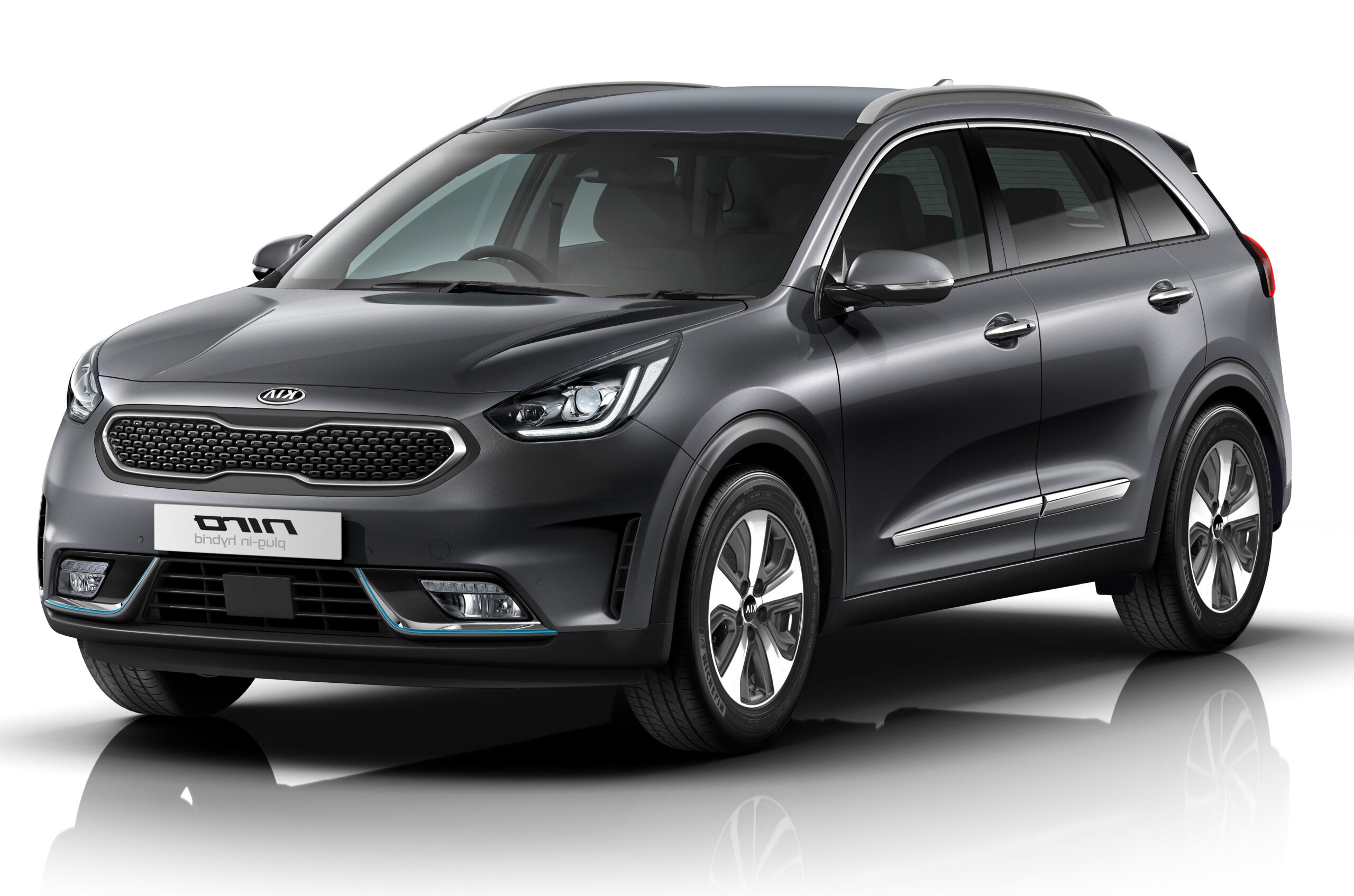
The EGR valve on the early model years of the Kia Niro fails due to dirt build-up and manufacturing defects. This leads to loss of performance and emissions issues. Cleaning or replacement is necessary to prevent engine damage. Read all about symptoms, causes and solutions here.
The Kia Niro is a popular hybrid crossover known for its fuel efficiency and environmental friendliness. The hybrid (HEV, or Hybrid Electric Vehicle) and plug-in hybrid (PHEV, or Plug-in Hybrid Electric Vehicle) models from the years 2022 to 2024 regularly suffer from problems with the EGR valve. This valve ensures that exhaust gases are fed back into the engine to lower combustion temperature and reduce emissions. If the valve fails, you will notice it straight away in the driving behaviour and performance of your car. Kia has now acknowledged multiple car problems with the Kia Niro and is actively carrying out recalls to deal with affected vehicles.
What is an EGR valve and why does it fail?
EGR valve stands for Exhaust Gas Recirculation valve. This component allows exhaust gases to flow back into the combustion chamber, causing combustion to run cooler and reducing harmful nitrogen oxides. In the Kia Niro, the valve mainly becomes clogged with soot and carbon deposits. This build-up occurs because combustion gases are not completely clean and leave traces behind with repeated use.
Besides contamination, other causes can also play a role:
- Perforation of the diaphragm in the valve
- Loss of vacuum pressure due to leaks
- Electrical faults in the wiring, especially on PHEV models
- Manufacturing deviations in specific model years
Cars that frequently make short trips in town are especially vulnerable. On shorter journeys the EGR valve operates more often and the engine has less chance to reach full operating temperature. As a result, soot formation increases.
‘ If you keep driving with these symptoms, this can lead to damage to the catalytic converter and other engine components. ’
Recognisable symptoms of a faulty EGR valve
A failed EGR valve gives off clear signals. The most noticeable sign is the engine warning light on your dashboard. This light illuminates when the ECU (engine control unit) detects a fault in the emissions system. If you read out the fault codes with an OBD scanner (a device that can read fault codes from the ECU), you will often see messages that refer directly to the EGR valve.
In addition, you may experience the following symptoms:
- Engine vibrations, especially when idling
- Hesitation or uneven running of the engine
- Loss of performance when accelerating
- Increased fuel consumption
- Over-lean or over-rich combustion
- Black smoke from the exhaust
Owners of Kia Niro models report these complaints regularly. This occurs after roughly 50,000 to 100,000 kilometres. If you keep driving with these symptoms, this can lead to damage to the catalytic converter and other engine components.

Official recalls and campaigns from Kia
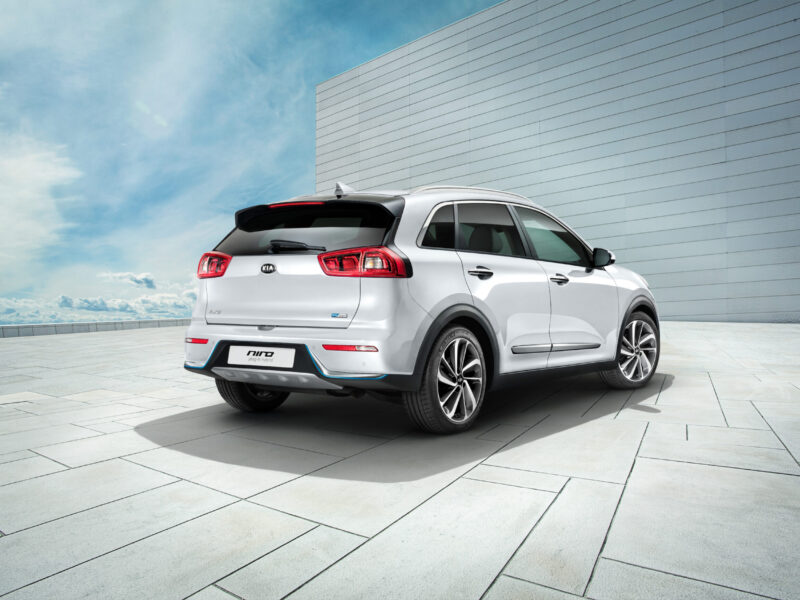
Kia has acknowledged the problem and is carrying out several campaigns to deal with affected vehicles. For the Kia Niro HEV and PHEV from 2024, built between January and February of that year, there is a voluntary emissions campaign. In these models the EGR valve does not meet technical specifications, which causes excessive emissions and triggers the engine warning light. Kia replaces the complete EGR valve free of charge at an authorised dealer.
In Europe there was a recall (R/2024/163) in July 2024 for 2022 and 2023 Niro SG2 HEV models. This action concerned 6,996 vehicles in which the EGR control valve pipe and hose were replaced. These are the pipe and hose that connect the EGR valve to the engine. These components can cause exhaust gas recirculation problems, which impairs the operation of the emissions system.
Check with a Kia dealer using the VIN (chassis number) whether your car is part of a recall. Repairs and replacements are carried out free of charge if your car falls within the campaign.
Solutions and repair options
If your Kia Niro shows symptoms of a faulty EGR valve, you can choose from various solutions. The approach depends on the severity of the problem and the degree of contamination.
Cleaning as a first step
In the case of light contamination, a thorough clean may already be sufficient. There are special cleaning agents available that dissolve carbon deposits. If the valve is not yet completely stuck, this can extend its service life and postpone replacement. Do make sure you work carefully when cleaning. Do not force a stuck valve, as the diaphragm can break.
Replacing the EGR valve
In the case of severe contamination or manufacturing defects, replacement is necessary. The EGR valve is a bolted-on component that is relatively accessible. On online forums, owners share their experiences of doing the work themselves with basic tools. However, it is wise to leave this job to a professional mechanic. An incorrectly fitted valve can cause further problems in the emissions system.
Costs and warranty
The costs of replacement can be significant, but if your car is part of a recall you will pay nothing. For cars that are still under manufacturer’s warranty or extended warranty, Kia usually covers the costs as well. If in doubt, always have a diagnosis carried out first with a professional scan tool.
‘ Early detection prevents small problems from turning into expensive repairs. ’
Prevention and maintenance tips
Although manufacturing defects are difficult to prevent, you can take measures to extend the life of your EGR valve. Regular maintenance according to Kia’s schedule is essential. Make sure your engine oil is changed on time and always use the correct specifications.
These tips also help:
- Use quality fuel to minimise soot formation
- Regularly make longer trips so that the engine reaches full operating temperature
- Monitor the dashboard for warning lights
- Have fault codes read out immediately if you suspect a fault
- Consider periodic cleaning of the intake system
Early detection prevents small problems from turning into expensive repairs. On hybrid models it is wise to be extra alert to combinations of problems. Coolant leaks in the EPCU (Electric Power Control Unit, the electrical control unit) sometimes occur together with EGR problems.


Should you avoid the Kia Niro when buying?
The EGR problems are mainly limited to specific model years and are being actively addressed by Kia through recalls. If you are considering buying a used Kia Niro, pay attention to the following points. First check whether the vehicle is part of a recall and whether it has been carried out. Ask the seller for the service history and any repairs to the emissions system.
Models from 2022, 2023 and early 2024 have an increased risk of EGR problems, but after treatment by the dealer they are reliable again. Cars on which the recall has already been carried out have a new EGR valve that operates according to specification. During a test drive you can watch out for engine hesitation, vibrations or illuminated warning lights.
The Kia Niro remains an economical and practical choice, especially now that the manufacturer is transparent about the problems and offers solutions. With the right checks and maintenance you can enjoy this hybrid crossover with peace of mind.
Experiences of owners
On online forums, Kia Niro owners regularly share their experiences with EGR problems. Many drivers notice rough running and vibrations after driving several tens of thousands of kilometres. Particularly in urban use the EGR valve is activated frequently, which increases the risk of contamination.
Some owners took their car to the dealer for the recall. They are generally satisfied with the way it is handled. The replacement is done free of charge and usually takes one working day. Some drivers experimented with cleaning the valve themselves and were successful, but they do warn about the risk of damage if you force a stuck valve.
On PHEV models, some users report that EGR problems sometimes coincide with other technical faults. Coolant leaks cause loss of performance. Download the Kia app to check your VIN for outstanding recalls. Above all, do not keep driving with illuminated warning lights or noticeable engine problems, as this can lead to permanent damage that is no longer covered under warranty.
On the Carnews website you will find much more information about technical problems with different car brands and models. Discover useful maintenance tips, recognisable symptoms of common defects and practical advice on buying and owning a car. Stay up to date on recalls and increase your knowledge about your car.
Frequently asked questions
The most common symptoms of a faulty EGR valve in a Kia Niro are an illuminated engine management light (check engine), irregular or rough idling, and hesitation or vibrations when pulling away. As a car enthusiast you will recognise this by a noticeable loss of power, sometimes combined with higher fuel consumption and a heavier, more “dirty” exhaust smell. With an OBD scanner you will often see EGR-related fault codes. The complaints are also particularly noticeable with a warm engine and in gentle city driving, where the EGR is very active.
A faulty EGR valve on a Kia Niro can lead to irregular combustion, less pulling power and an unstable idle speed. Because exhaust gas recirculation is not working properly, fuel consumption increases as the engine management has to inject more fuel to keep the engine running acceptably. Emissions increase, especially NOx and soot emissions, because less or no exhaust gas is fed back into the intake. In addition, the engine management will often intervene (warning light, limp mode), which further limits performance and disrupts the emissions strategy.
It is to a limited extent possible to diagnose a faulty EGR valve on a Kia Niro yourself by reading out fault codes with an OBD-II scanner and paying attention to symptoms such as an illuminated engine light, unstable idling and loss of power. Visual checks for leaks, loose connectors and heavy soot build-up around the valve can also be done yourself. In some cases, you can clean the valve yourself using a suitable EGR or intake cleaner after removing the valve, but for stuck or mechanically defective valves replacement by a mechanic is recommended. Required tools are usually basic hand tools (socket/spanner set, screwdrivers), possibly pliers, an EGR/intake cleaner and an OBD-II diagnostic tool.
For a Kia Niro, the costs of replacing an EGR valve at a garage are usually around €450–€900, including labour, depending on engine variant and hourly rate. On recent Niro HEV/PHEV models, replacement can sometimes be free of charge under a service campaign or recall; this can be checked via the VIN at a Kia dealer. There are reliable aftermarket EGR valves available from brands such as Pierburg and comparable OEM suppliers, which are often 20–40% cheaper than an original Kia valve. The mechanic should, however, check whether the update/recall does not require a genuine dealer/factory valve.
Stick closely to Kia’s maintenance schedule, use good-quality fuel and have the engine management system read out regularly so that early EGR-related fault codes are detected in good time. Now and then take longer trips at motorway speeds to limit soot and carbon build-up in the EGR system. Have the EGR valve and pipe checked preventively and cleaned if necessary during services, rather than waiting until complaints or a warning light appear. Finally, check via the VIN whether there are any outstanding Kia recalls or emissions campaigns for the EGR on your Niro and have these carried out in good time.