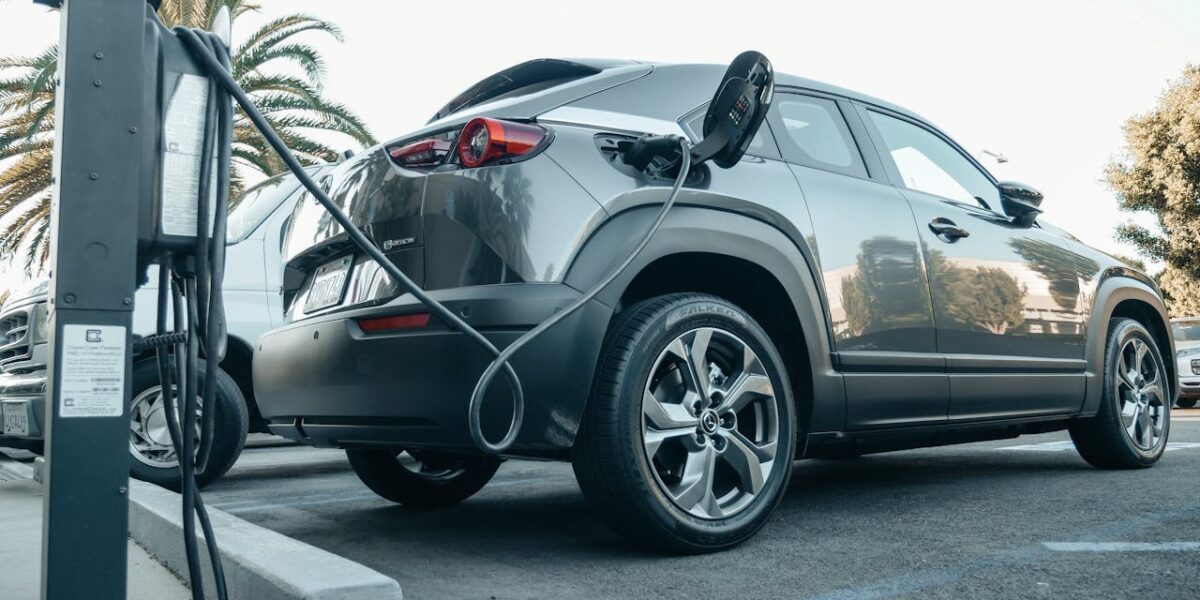
Electric cars: cost-effective driving and the future of mobility
The rise of electric cars is impossible to miss. More and more people are choosing to trade in their old petrol or diesel car for an electric model. Why? Well, there are countless benefits, both for your wallet and for the environment. But what exactly makes these cars so special? Let’s take a dive into the world of electric vehicles and discover why they are gaining ground on our roads so quickly.
Environmental benefits
One of the biggest advantages of electric cars is of course their impact on the environment. Traditional cars emit a lot of harmful substances, such as CO2 and nitrogen oxides, which contribute to air pollution and climate change. Electric cars, on the other hand, have no exhaust emissions. This means cleaner air in our cities and less contribution to global warming. It does feel good to know that your quick trip to the supermarket isn’t adding to smog, doesn’t it?
On top of that, more and more electricity suppliers are going green. This means that the power you use to charge your electric car increasingly comes from renewable sources such as wind and solar energy. So not only are you emitting less yourself, you’re also contributing to more sustainable energy use. Win-win, right?
Long-term cost savings
Of course, buying an electric car is often more expensive than buying a traditional car. But let’s be honest: who still thinks about that higher purchase price when you realise how much you save on fuel costs? Electricity is much cheaper than petrol or diesel. On top of that, electric cars require less maintenance. No oil changes, no exhaust that can rust, fewer moving parts that can wear out. That saves not only money, but also a lot of hassle.
In addition, there are all kinds of subsidies and tax benefits for owners of electric cars. In the Netherlands, for example, you don’t pay road tax for a fully electric car and you can benefit from lower company car tax if you drive a business vehicle. It may seem like a big upfront investment, but in the long run you can save a lot.
Growing charging infrastructure
One of the biggest concerns for people considering switching to electric driving is charging. But rest assured, the infrastructure for charging stations is growing at a rapid pace. These days, you can find public charging points in almost every town and rapid chargers along the motorways are becoming increasingly common. The network is already quite extensive and continues to grow.
Home charging points are also becoming more and more popular. With your own charging station at home, you can charge your car overnight while you sleep. That’s not only super convenient, but often also cheaper because you can benefit from lower night-time electricity tariffs. So you no longer need to worry about running out of power in the middle of a journey; there are plenty of options to stay charged and ready to go at all times.
Electric cars and the future of mobility
Electric cars are not just a passing trend; they represent a fundamental shift in how we think about mobility. With technological innovations such as autonomous driving and connected cars, we are on the brink of a revolution in transport. Electric cars play a central role in this because of their simplicity and compatibility with new technologies.
In addition, driving an electric car offers opportunities for new forms of mobility, such as car-sharing and ride-sharing services. Just imagine: having access to a clean, quiet car anywhere in the world via an app on your phone. No more worries about maintenance or fuel costs, just get in and go whenever you want.
It’s clear that electric cars are not only good for the environment and your wallet, but are also ready to radically change the way we get around. Are you ready for this revolution?