
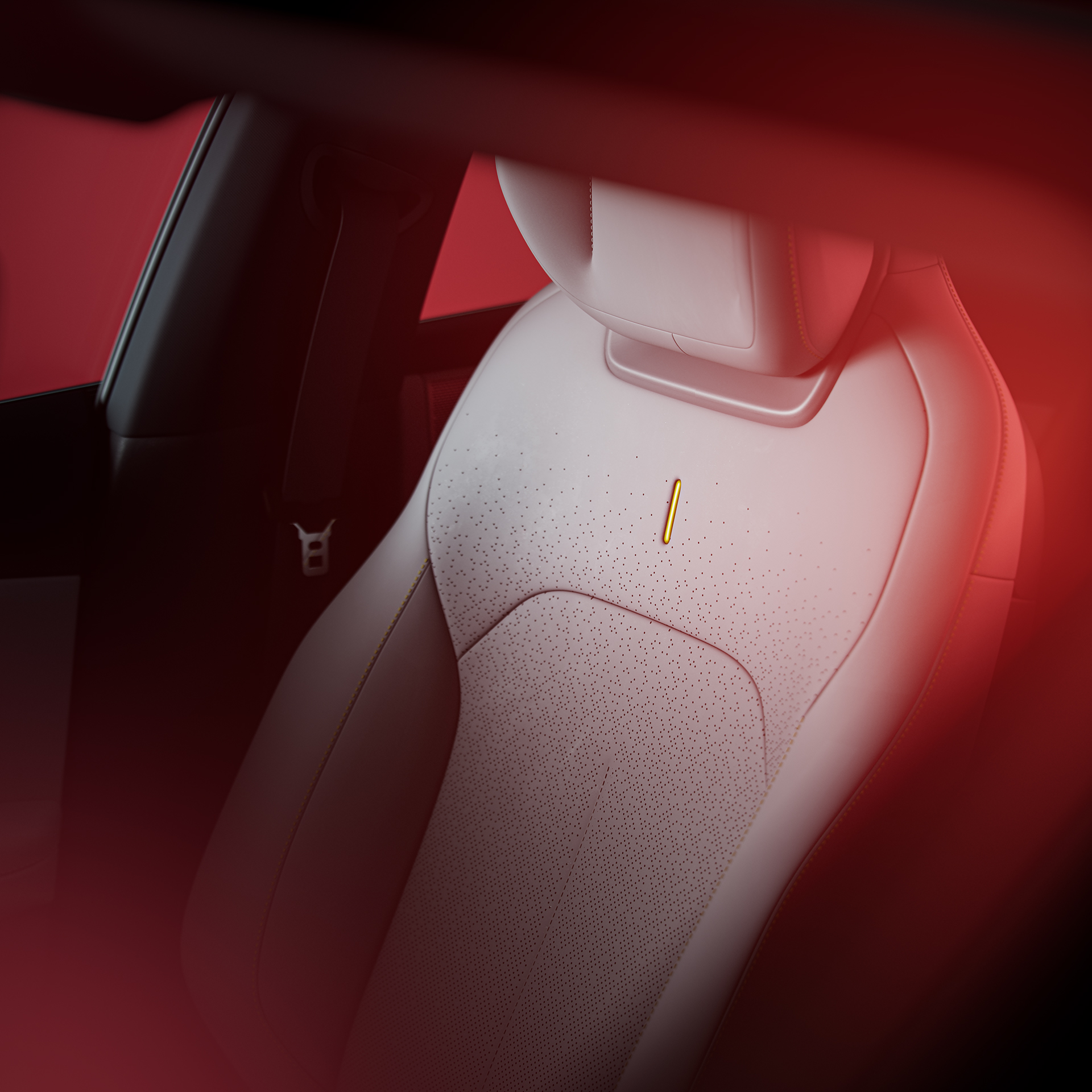
The Lynk & Co 02 with 268 hp rear-wheel drive promises sporty electric performance, but the drivetrain hesitates when it comes to acceleration and torque delivery (the way the power is transferred to the wheels). Wheelspin, inconsistent torque delivery and an engine that responds sluggishly at high revs make the promised 5.5 seconds to 100 km/h less convincing than expected. What exactly is going on with the RWD motor in the Lynk & Co 02?
Why does the Lynk & Co 02 break traction on the rear wheels under full throttle
The Lynk & Co 02 has an electric motor on the rear axle with 268 hp. This rear-wheel drive delivers instant torque, but the traction control cannot always manage this power smoothly. Under full-throttle acceleration from a standstill or in corners, wheelspin often occurs. The rear tyres lose grip, especially on damp road surfaces or at temperatures below 15 degrees.
The cause lies in the combination of a powerful electric motor and a relatively light rear end. Electric motors deliver their maximum torque from zero revs, which puts more stress on the tyres than with a combustion engine that builds up power gradually. The traction control often intervenes too late or cuts in too abruptly, which makes the handling nervous.
Owners report that during brisk getaways the rear of the car can sometimes break away unpredictably. This mainly happens in Power mode, where the drivetrain makes the full power available straight away. In Eco or Hybrid mode the response is flatter, but you also feel less of the promised sportiness.
Tips to reduce wheelspin
- Switch to Hybrid mode for flatter torque delivery on slippery road surfaces
- Use Power mode only in dry weather and on good tarmac
- Apply the throttle more gradually when pulling away and in tight bends
- Check tyre pressures regularly and use winter tyres at temperatures below 7 degrees
‘ The motor does not respond linearly to the throttle, which does not inspire confidence in the drivetrain. ’
What the 5.5-second sprint really feels like
On paper, the Lynk & Co 02 reaches 100 km/h in 5.5 seconds. That sounds sporty for a compact SUV, but in practice the results vary. The first few metres are quick, but as soon as wheelspin sets in you lose valuable tenths. The traction control then cuts the power, making the acceleration feel jerky.
Once the tyres find grip, the car does pull strongly. Between 30 and 80 km/h the electric drive feels powerful and responsive. But above 100 km/h the pulling power clearly drops off. The motor then feels hesitant, as if an electronic limiter is active that is dialling back the power.
During hard acceleration out of corners you sometimes experience a brief delay before the motor goes all out. This seems to be related to the software that manages the torque. The motor does not respond linearly to the throttle, which does not inspire confidence in the drivetrain.
What affects acceleration performance
- Battery temperature: with a cold battery the motor delivers less power
- State of charge: below 30 percent battery the peak power drops
- Road surface and weather: damp or cold tarmac leads to more loss of traction
- Software settings: updates can change the torque delivery

The reluctance motor and high revs
The Lynk & Co 02 uses a reluctance motor (an electric motor without permanent magnets that works with magnetic fields). This type of motor is efficient, but has limitations at high revs. Above roughly 5,000 rpm the motor feels hesitant and loses pulling power.
Users report that at higher speeds the motor becomes less responsive. Whereas up to 100 km/h you still experience strong acceleration, above that it feels as if the motor is searching. The torque delivery becomes more erratic and the response to the throttle slower. This behaviour matches the characteristics of reluctance technology, which is better suited to low and medium revs.
You really notice this during overtaking manoeuvres above 120 km/h. The car still accelerates, but the power feels less direct. This is because the motor is leaving its optimal operating range and the software limits the available power to prevent overheating.
Inconsistent torque delivery
In addition to wheelspin and the way the motor behaves at high revs, owners also report issues with torque delivery. The motor does not always deliver its power in the same way. Sometimes the drivetrain responds instantly and strongly, but at other times there is a brief delay or hesitation.
This inconsistency mainly occurs with varying throttle input. When you accelerate, back off briefly and then get back on the throttle, the motor does not always hook up straight away. This behaviour appears to be software-related and may be linked to the regenerative braking, which is constantly switching between braking and driving.
Behaviour also varies with temperature changes. On a cold start the motor feels flatter and slower to respond. Once the drivetrain has warmed up, the power increases, but even then the delivery remains unpredictable. Sometimes the torque comes in abruptly, which makes it harder to control the car when driving in a sporty manner.
Factors that affect torque delivery
- Regeneration settings: higher regeneration causes more transitions between braking and driving
- Software version: older versions have less refined torque control
- Driving mode: Power mode gives more direct torque, but also more abrupt transitions
- Drivetrain temperature: cold components respond more slowly
‘ Fresh tyres with good tread depth make a noticeable difference in traction and control. ’
What you can do as an owner
If you own or are considering a Lynk & Co 02, there are a few steps that can help you deal with these drivetrain quirks. First of all, make sure the software is up to date. Manufacturers regularly release updates that refine torque control and traction control. Check this via the app or contact the dealer.
During a test drive, thoroughly check how the car responds at different speeds and in various road conditions. Pay particular attention to its behaviour under full-throttle acceleration and during overtakes on the motorway. Ask the sales representative or dealer about known software updates or modifications to the drivetrain.
Consider choosing the driving mode consciously. For everyday use, Hybrid mode offers smoother, more predictable power delivery. Save Power mode for moments when you really want to enjoy the available performance. Also keep an eye on tyre condition. Fresh tyres with good tread depth make a noticeable difference in traction and control.
What other users say
Similar complaints appear on forums and in owner reviews. Many drivers appreciate the electric range and day-to-day usability, but find the drivetrain less refined than expected. Wheelspin and inconsistent torque delivery are often mentioned as areas for improvement.
Some owners report that a software update brought some improvement, but that the fundamental characteristics of the rear-wheel drive and reluctance motor remained. Others adapt their driving style and avoid full-throttle acceleration in cold weather or on damp roads.
A number of users indicate that they would have preferred four-wheel drive. That would distribute the pulling power better and reduce wheelspin. For now, however, Lynk & Co only offers the 02 with rear-wheel drive.
Discover more about electric drivetrains and car technology
The Lynk & Co 02 shows that powerful electric drive does not automatically go hand in hand with refined control. On the Carnews website you will find much more information about electric and hybrid technology, real-world experiences with different car brands and tips for choosing the right drivetrain. Dive deeper into the range and discover which car best suits your needs.
Frequently asked questions
The most common electric drivetrain issues with the Lynk & Co 02 are coolant leaks in the hybrid system (often at the thermostat) and slow response of the drivetrain to throttle input, especially in Eco and Hybrid mode. In addition, the petrol engine sometimes cuts in abruptly and audibly at low battery charge, which drivers find annoying. There are also reports of hesitant shifting by the automatic gearbox between D and R. Finally, lock and keyless issues occur that are related to software in the electric systems.
The issues with the electric drivetrain in the Lynk & Co 02 appear to be partly structural, because coolant leaks and slow-responding drivetrains are reported more often. These issues are particularly common on models built before 2022, which points to early teething troubles in design and software. Later model years benefit from recalls and updates, which have reduced some of the problems. Even so, there are still occasional software and user complaints, so not all issues are completely isolated.
The drivetrain problems (such as coolant leaks, slow-responding hybrid control and software bugs) clearly affect the perceived reliability of the Lynk & Co 02, especially in daily use. Faults in the hybrid system and lock/software issues lead to more workshop visits and greater uncertainty for owners. In the used car market these well-known issues depress residual values, because buyers factor in a risk premium for possible repairs outside the warranty period. Combined with the declining popularity of plug-in hybrids, this leads to a relatively faster depreciation than for some rival models.
Lynk & Co mainly tackles reported electric drivetrain faults through software updates, targeted repairs (such as replacement of thermostat/cooling system components) and, for later model years, via recalls and updates from the dealer. Customers generally find the response time to faults and lock problems fairly quick, especially via roadside assistance. At the same time, there is dissatisfaction about the frequency of software and drivetrain issues and the need for repeated dealer visits. Customer satisfaction with the way issues are handled is therefore mixed: appreciation for the quick help, but frustration about reliability and recurring visits.
Yes, owners can proactively have the coolant and cooling system (including the thermostat) checked regularly to prevent the drivetrain from overheating. In addition, frequent charging helps so that the petrol engine does not have to cut in abruptly as often. Regular software updates via the dealer or app can reduce electric and keyless issues. During servicing it is advisable to have the drivetrain specifically checked for fault codes using an OBD tool.
Yes, there are clear parallels with other (plug-in) electric cars. Coolant leaks in the hybrid system, software bugs around keyless entry and drivetrain control, and slow or jerky switching between combustion engine and electric motor also occur with other brands. As with the Lynk & Co 02, these problems are often partly resolved elsewhere with software updates and targeted recalls. However, how structural and how quickly manufacturers solve these issues remains dependent on the make and model.