
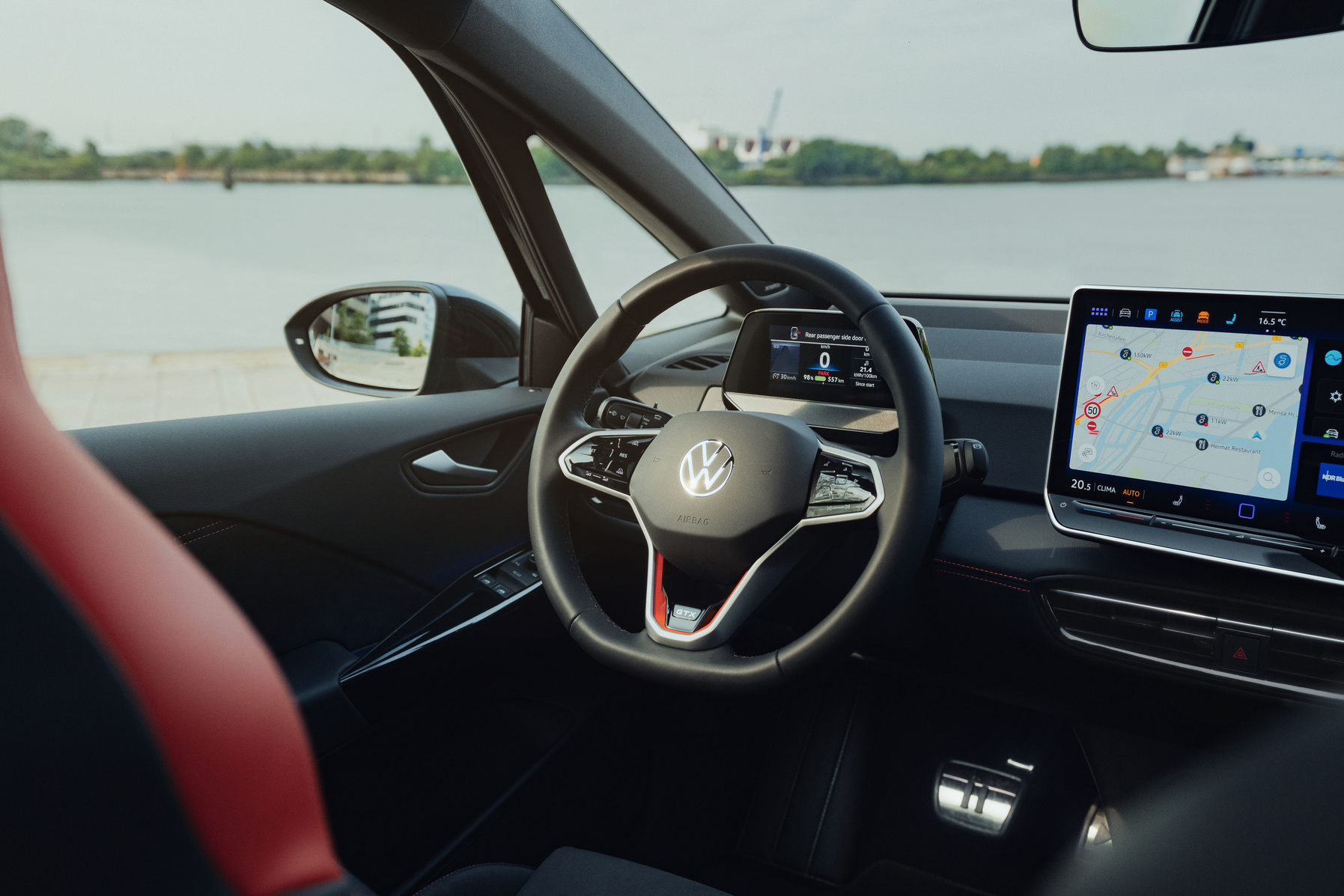
Electric power steering problems pose a serious safety risk in modern electric cars. Vibrations in the steering wheel and occasional loss of power assistance are not minor inconveniences, but signs of faults that require immediate attention. In particular, the Volkswagen ID.3 regularly struggles with these issues. Find out what causes these faults and which steps you should take.
Why does the steering wheel vibrate while driving
Vibrations in the steering wheel are a common complaint with electric cars that have an electric power steering system. These vibrations can range from subtle to clearly bothersome. The problem occurs at different speeds and is often directly related to the electric power steering system itself.
The causes are usually found in the electrical circuit or the software. Sensors that measure steering input can fail or send incorrect signals. This causes vibrations that you feel directly in the steering wheel. In many cases it is a software-related issue where the system responds irregularly to steering commands.
The vibrations are not only annoying, they can also indicate a more serious problem with the power steering system. At the first signs of vibration, an inspection at an authorised workshop is essential. They can read out the system and determine whether it is a software or hardware issue.
When does the power steering cut out
The sudden failure of electric power steering is a dangerous situation. Owners report that the power assistance can suddenly disappear while driving. The steering wheel then becomes heavy and requires considerably more force to turn. This often happens without warning, although some systems do show an error message on the dashboard.
This fault usually occurs intermittently. After a short time, the system may function normally again. This unpredictability makes the problem particularly dangerous. Especially at higher speeds or in heavy traffic a failing power steering system can lead to hazardous situations.
Possible causes of failure include:
- Software errors in the power steering system
- Faulty sensors sending incorrect signals
- Problems with the supply voltage to the electrical system
- Incorrect calibration of the power steering system
Software updates solve many problems
The majority of electric power steering problems are software-related. That is good news, because these faults can often be resolved with a software update. Manufacturers are actively working on improvements by means of firmware updates that become available through the dealer network.
Regularly checking for available updates is therefore important. Many owners notice an immediate improvement in steering response and the disappearance of vibrations after a software update. The update recalibrates the system and corrects incorrect signals that cause vibrations or failure.
Take your car to the workshop regularly for diagnostics and updates. The dealer network can read fault codes via the on-board computer and determine which updates are required. In some cases, several updates are needed before the problem is fully resolved. Keep a close record of the symptoms and report when and under what circumstances the problems occur.
When is hardware repair needed
Not all power steering problems can be solved with software. If vibrations or failures persist after multiple updates, this points to a hardware defect. Faulty sensors are a frequent cause. These components measure steering input and send signals to the electrical system. If a sensor is damaged, it sends incorrect information.
The electric motor that provides the power assistance can also fail. This happens less often, but it is a possible cause of persistent problems. The motor then has to be replaced. This is a more extensive repair that involves time and cost.
Electrical wiring and connectors can also cause problems. Loose connections or corrosion in the system lead to intermittent faults. A thorough inspection by a specialised workshop can trace these problems. In the case of persistent complaints, always have the entire power steering system checked.
‘ Manufacturers want to avoid safety risks and are often willing to resolve known issues even after the warranty period has expired. ’
Is power steering covered by the manufacturer’s warranty
Power steering problems are usually covered by the manufacturer’s warranty, especially when they concern known software issues. Manufacturers often acknowledge these faults as design defects and rectify them free of charge within the warranty period. Check the terms and conditions of your warranty and always report problems to the dealer in good time.
For cars that are out of warranty, costs can add up. Software updates are often still available free of charge, but hardware repairs will then be billed. For older cars, consider an extended warranty or insurance policy that covers this type of fault.
Carefully document all problems and workshop visits. If an issue recurs several times, this may be grounds for a goodwill arrangement from the manufacturer. Manufacturers want to avoid safety risks and are often willing to resolve known issues even beyond the warranty period.
Practical tips for power steering problems
If you notice vibrations or abnormal steering behaviour, take action immediately. Do not continue driving if the power steering fails completely. Park the car safely and call for assistance. Steering without assistance requires a lot of force and can be dangerous.
Have fault codes read at the first symptoms. The on-board computer system stores error messages that indicate where the problem lies. This information helps the workshop make the correct diagnosis. Describe the problems in detail: at what speed do they occur, how often, and under which driving conditions.
Additional measures that help:
- Regularly check whether software updates are available
- Have the power steering system inspected annually
- Monitor warning lights on the dashboard closely
- Note when and how problems occur for the workshop
- Ask about technical bulletins on known issues with your model
What to do if the problem returns
If the problem keeps returning after repairs or updates, contact the manufacturer. Some models have systemic problems that require more extensive solutions. The manufacturer may decide on a recall or an adjusted repair protocol.
Keep all repair documentation. This is important as evidence of recurring problems. In the case of persistent faults, you can file a report with the vehicle safety authority. This helps to identify patterns in defects and can lead to official recalls.
For serious, unresolved issues, consider seeking legal advice. If a safety risk is not adequately resolved, you may be entitled to compensation or replacement of the vehicle. However, this is a last resort after all other options have been exhausted.
On the Carnews website you will find much more information about electric cars, common car problems and practical maintenance tips. Discover more articles that help you keep your car in top condition and recognise safety problems in good time.
Frequently asked questions
The most common causes of vibrations and faults in electric power steering are software-related problems in the system control, including incorrect or outdated firmware. In addition, defective or inaccurately operating sensors play a major role, because they pass on incorrect signals to the power steering module. Power supply problems or interruptions in the electrical feed to the power steering system can also cause faults. Finally, a lack of timely diagnosis and maintenance contributes to the persistence and worsening of these complaints.
Start with a test drive on a safe, straight road and note exactly when the vibrations or faults occur (speed, driving straight ahead or steering, corners, speed bumps). Then check the vehicle menu for error messages or warning lights and, if possible, read out fault codes with an OBD diagnostic tool. Observe whether the vibrations change with different tyres/wheels (if available) to rule out tyre or alignment problems. Document all symptoms, conditions and any fault codes and take them with you to a brand dealer for a targeted electronic diagnosis of the power steering system.
By ignoring problems with electric power steering, you increase the risk of losing steering control, especially at higher speeds or during unexpected manoeuvres. This can lead to dangerous traffic situations and a higher likelihood of accidents. In addition, the underlying electronic or mechanical components can suffer further damage, making repairs more expensive later. Ignoring faults can also affect warranty claims and liability in the event of an accident.
Yes, there are several maintenance tips and preventive measures to limit faults in electric power steering. Make sure you get regular software updates via the official dealer, as many issues are software-related. During servicing, have the sensors and power supply of the power steering system checked. Respond immediately to error messages or vibrations by having the system read out so that emerging faults are tackled at an early stage.
The average costs for repairing a faulty electric power steering system are generally between about €400 and €1,000, depending on the exact cause (for example, sensor, electronics or software-related work). If complete replacement of the power steering system is required, costs can rise to around €1,000 to €2,500. These amounts are indicative ranges and vary by make, model and workshop hourly rate.