

Defective electric windows and sensor faults regularly cause frustration with the Citroën Berlingo: windows that do not respond, reversing sensors that warn for no reason and fan problems that reduce comfort. The good news is that many of these electrical complaints do not immediately point to a broken component, but to a fuse, wiring, dirty sensor or a faulty switch. With a systematic approach you can often work out for yourself where things are going wrong.
Why the Berlingo’s electric windows stop working
An electric window in your Citroën Berlingo no longer responds. This can have several causes. The problem is not always directly in the window motor itself. The electrical control depends on fuses, switches, wiring and plug connections. These components work together. When one part in that chain fails or short-circuits, the window stops moving.
A very common cause is a blown fuse. This is usually located in the fuse box under the dashboard or next to the engine. First check whether the relevant fuse is still intact. The fuse blows again shortly after you have replaced it. This probably points to an underlying electrical problem.
Another source of problems is the switch in the door. Due to frequent use, the switch loses internal contact. Dirt and moisture disrupt its operation. Test the switch by listening for a click or humming sound from the window when you press the button. If you hear nothing, the fault is often in the switch or the power supply to the switch.
Wiring through the door is also a weak spot. The cables run from the body to the door. They move every time you open and close the door. Over time, wires can break or come loose. These cable breaks often occur just behind the rubber grommet between door and body. Only one window does not work. The fuse and switch seem fine. In that case, the cable is a logical next step to inspect.
Resetting reversing sensors on the Citroën Berlingo
Reversing sensors can beep for no reason or give fault messages on the dashboard. The Berlingo is sensitive to this, especially after longer periods of dirt build-up or frost. The car is often used in dusty or muddy conditions. Sensors wrongly detect objects. They indicate that there is a fault, even though the sensors themselves are still working.
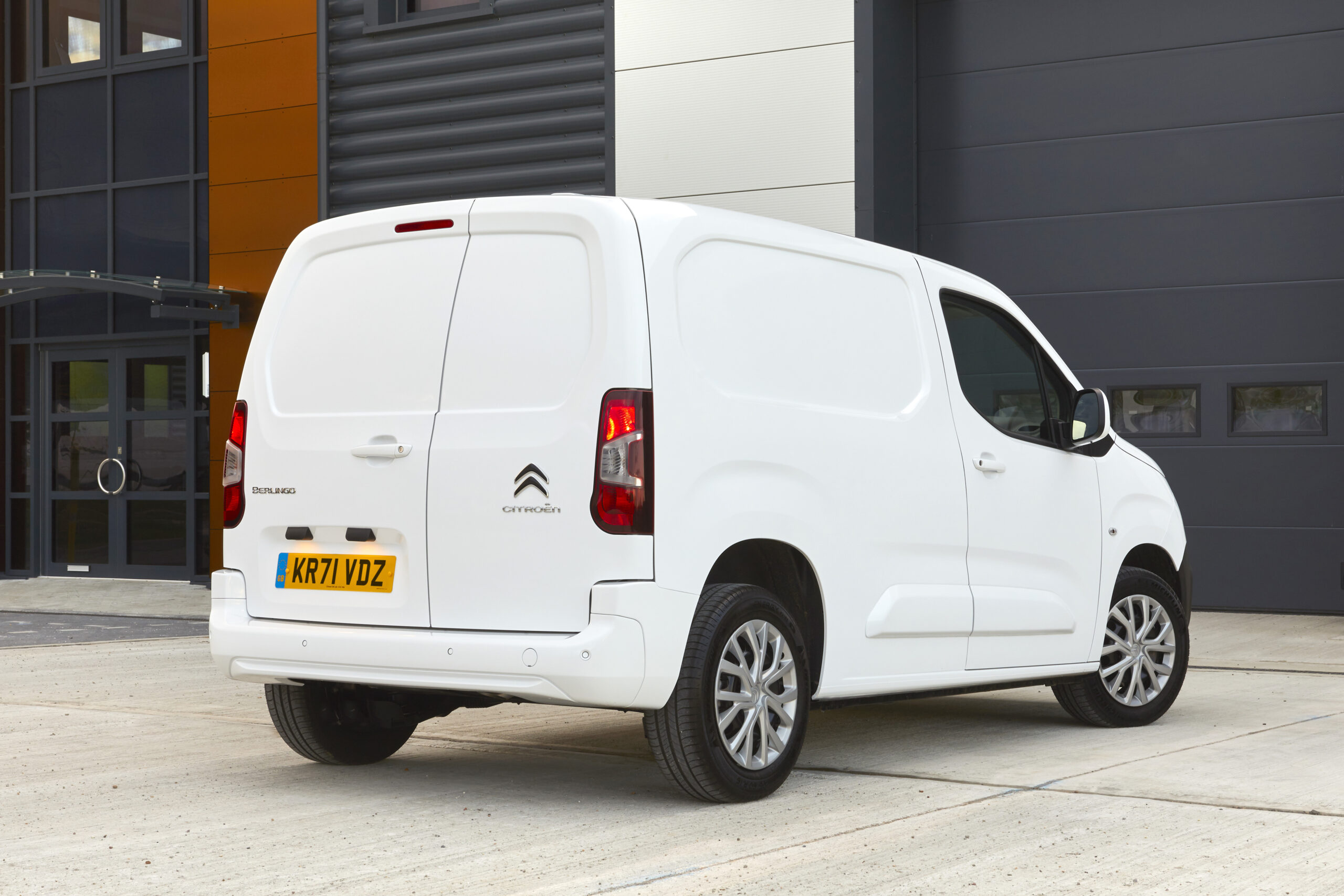
A simple step that often helps is cleaning the sensors. The sensors are integrated into the rear bumper. You can recognise them by small round or rectangular patches in the colour of the bumper. Wipe them clean with a damp cloth and check whether the fault disappears. Dirt, snow and salt deposits can disrupt the range and accuracy.
If the warning remains, resetting the system can help. On some Berlingo models you do this as follows:
- Switch the engine off completely for a moment
- Briefly switch the ignition on and then off again
- Then start the engine again
This reinitialises the control system and temporarily resolves a software-type fault.
The fault message keeps coming back. The chances are that a sensor or the wiring to the sensor is defective. A diagnostic tool will then show which sensor is giving an abnormal signal. Replacing a single sensor is often inexpensive and quick. Also check that the plug connections behind the bumper are firmly in place and free from corrosion or moisture.
Blower fan failure in the Berlingo
A defective blower or fan motor means no air comes out of the ventilation vents any more, regardless of which setting you choose. This leaves the car cold in winter and uncomfortably warm in summer. The problem is more common on older Berlingos and often first shows itself as a decreasing airflow before the fan fails completely.
The cause usually lies in the blower motor itself. It stops working properly due to wear, dirt or overheating. The motor is generally located behind the glovebox on the passenger side. Access differs per model year. Usually you remove the glovebox or partially disconnect it to reach the motor.
Another possible culprit is the resistor pack, also called the pre-resistor. This component controls the fan speed. It fails due to overheating. Typical symptoms are that only the highest setting still works or that certain intermediate settings no longer respond. Replacing this pack is relatively simple and cheaper than replacing the complete blower.
Also check the fuse for the fan. This fuse is often in the same box as the one for the electric windows. The fuse is fine. The fan still does not work. In that case the motor or the resistor pack probably needs replacing. Both components are available as separate spare parts and can be replaced by a competent DIYer with some technical skill.
Tracing electrical faults step by step
With electrical problems on the Berlingo it is sensible to use a fixed approach.
Always start with the simplest checks and then work step by step towards more complex components. That way, parts that are still working fine are left alone.
Ideally, follow these steps:
- Check the fuse that belongs to the relevant circuit
- Test the switch or control for operation and power supply
- Inspect plugs and cables for visible damage, corrosion or loose connections
- Read any fault codes with a diagnostic tool before replacing parts
- If there are sensor codes: first clean the sensor and check the wiring
A fault code disappears after a reset but returns later. This often points to an underlying electrical cause rather than just a software-type warning. In that case it makes sense to thoroughly check the wiring loom, connectors and earth points. Vibrations, moisture and ageing cause contacts to become unreliable.
‘ In such cases, a mechanic’s expertise is indispensable. ’
When you should go to the garage
Some electrical faults can be solved yourself with a multimeter, a set of tools and some patience. Other issues require professional equipment and knowledge. You have checked fuses, switches and cables and still not found a cause. It is then wise to have the car checked at a garage with diagnostic equipment.
A professional diagnosis shows which sensor or module is sending an incorrect signal, where a cable break is located or which control unit is no longer communicating correctly. Faults affect several systems at once. In such cases, a mechanic’s expertise is indispensable.
Are you unsure about the cause? Then avoid replacing parts unnecessarily. Have a diagnosis carried out first. This usually costs less than an hour of labour and prevents you from replacing expensive modules or motors at random that later turn out to be working perfectly.
Maintenance prevents many electrical problems
Many electrical faults on the Berlingo can be prevented. Regular maintenance and checks postpone failures. Keep sensors clean, especially after driving through mud, snow or salt. Washing the car? Then also check straight away that all plug connections around the rear bumper are still secure. Check for visible corrosion.
Note: do electrical functions respond more slowly or less reliably? That is an early sign that a switch or motor is nearing the end of its service life. If you act in time, a minor issue often does not develop into a complete failure on the road.
With older Berlingos it is worthwhile checking the earth connections from time to time. Check these regularly. These are the thick cables that connect the battery’s negative terminal to the body and the engine. A poor earth connection causes all sorts of strange electrical phenomena, from flickering lights to sensors dropping out.
Discover more on Carnews
Electrical faults on your Berlingo are annoying. With the right approach they can often be sorted out. On the Carnews website you will find a lot more information about common car problems, maintenance tips and practical guides for different models. Discover more articles and expand your knowledge of everything to do with cars.
Frequently asked questions
The most common causes of electric window faults on a Berlingo are defective window switches, worn window motors, broken cables in the door loom and poor plug or earth connections, sometimes combined with a blown fuse. Sensor faults often arise from dirty or defective ABS or speed sensors, cable or connector problems (corrosion, breaks, moisture) and general electrical issues in the wiring. Poor earth connections and moisture ingress in plugs also regularly play a part. For engine-related sensors, old or contaminated engine oil can additionally disrupt proper operation.
Start with the fuses and relays for the windows and the relevant sensors: check the fuse box for a blown fuse or corrosion. Then test the window switches and plugs in the door (especially in the rubber loom between door and body) for loose connections or broken cables, and see whether the window does work from another switch or from the driver’s side. For sensors (ABS, speed, engine) you can use an OBD diagnostic tool to read fault codes and then visually check the relevant sensor and wiring loom for dirt, moisture, damage or loose connectors. First repair or clean these basic items before replacing parts; if the fault remains, professional diagnosis is advisable.
Start by checking the fuse for the electric windows in the fuse box and replace it if necessary. Then check the window switch for correct operation (see whether other windows do respond and clean or replace the switch if it is intermittent). Inspect the cables and plugs in the loom between door and body for breaks and for loose or corroded connections. If the window still does not work, test the window motor for power and earth; if there is no voltage the problem lies in the wiring, if there is voltage the motor is probably defective and needs replacing.
Yes, there are a few parts that are relatively common when dealing with Berlingo window faults. Think of new window/control switches, a window regulator or window motor, fuses and door plug/cable repair kits (for broken cables in the loom). Contact cleaners and small connector repair kits are also regularly used for poor contact in switches or plugs.
Prevent recurring faults by first checking all relevant fuses, earth points and plug connections for windows and sensors and cleaning or repairing them where necessary. Pay particular attention to looms in the doors and to places where cables can kink or break. Keep sensors and the area around them clean and free from moisture and dirt, and make sure maintenance (such as oil changes) is carried out on time. In the case of stubborn or recurring fault messages, have the car read with diagnostic equipment so that not only the sensor, but also the wiring loom can be checked in a targeted way.