
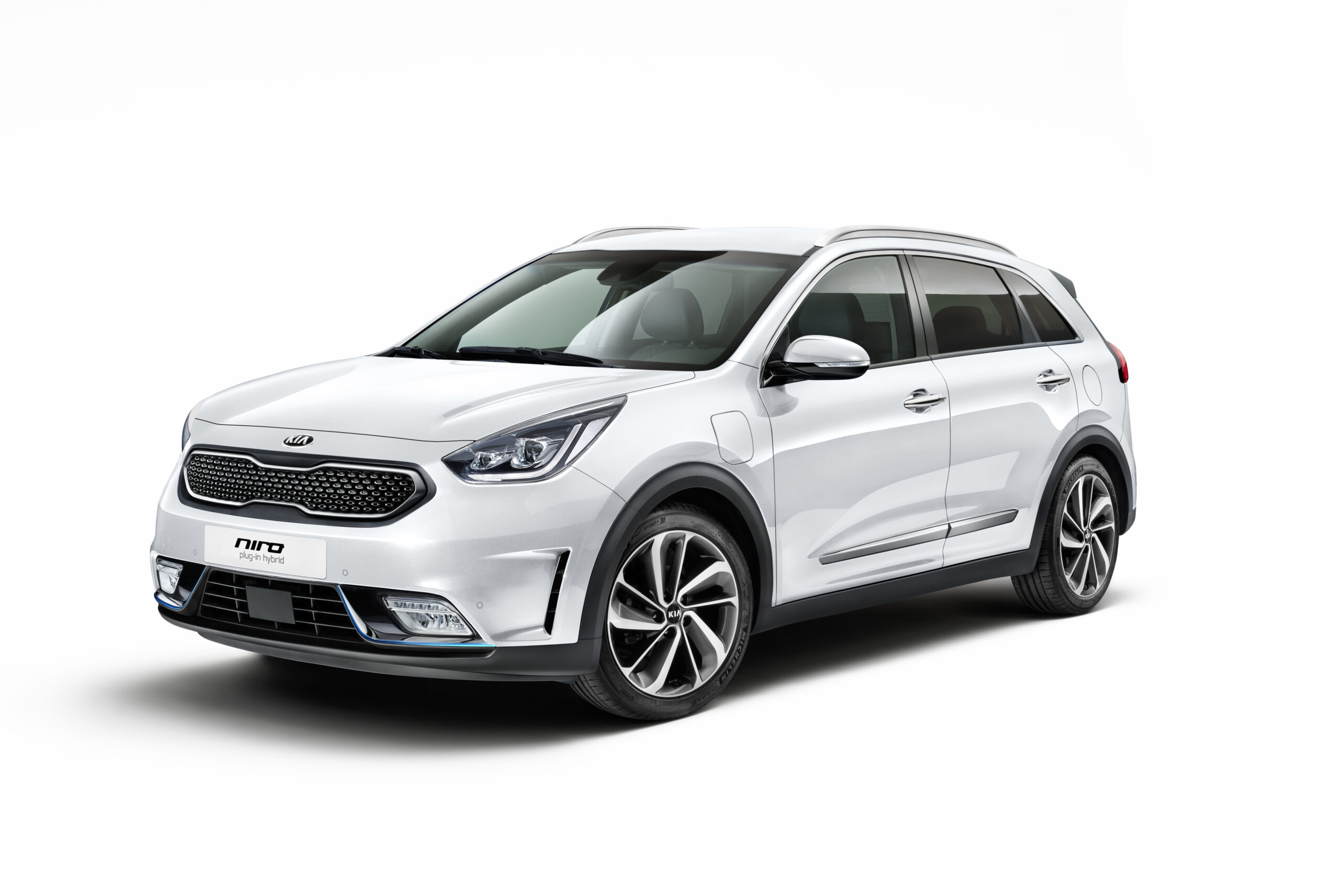
The Kia Niro suffers from persistent electrical faults and battery problems ranging from draining 12V batteries to overheated relays and BMS faults. These issues can prevent the car from starting or charging and pose safety risks. First-generation models in particular frequently show these complaints.
The Kia Niro is available as a hybrid, plug-in hybrid and fully electric version. Although these models are popular with car enthusiasts, owners report various technical complaints. The electrical systems and batteries are causing issues, which can lead to breakdowns. On this page you will find more information about Kia Niro problems and how to recognise them.
Why does the 12V battery run flat?
The Kia Niro’s 12V battery becomes weak prematurely, especially in the hybrid and plug-in hybrid versions. This battery often fails after only two to three years, while a normal service life is four to six years. The cause lies in the complex electronics and frequent charge and discharge cycles that are characteristic of hybrid systems.
Many owners report that the car no longer starts after a period of being parked. This sometimes happens after as little as 60,000 kilometres. Electrical systems remain in standby mode even when the car is switched off, draining the battery.
Determine which system is draining the battery by using a multimeter to check individual circuits via the fuse box. Each small circuit needs to be monitored over a longer period, which takes time. Regular battery checks and replacement at the first signs of weakness help prevent sudden battery problems.
Relay overheating in older models
Kia Niro models from 2016 and 2017 suffer from overheating electrical relays. This problem is caused by poor electrical connections which generate heat during use. The relays control important functions such as the starter motor and the charging system.
Symptoms of overheated relays include:
- The car no longer starts or struggles to start
- Burning smell under the bonnet
- Failure of electrical systems
- Warning lights on the dashboard
Overheated relays can cause short circuits and a risk of fire. If you suspect this problem, have a diagnosis carried out immediately at a specialised workshop. Replacing the affected relays and checking the electrical connections usually solves the problem.
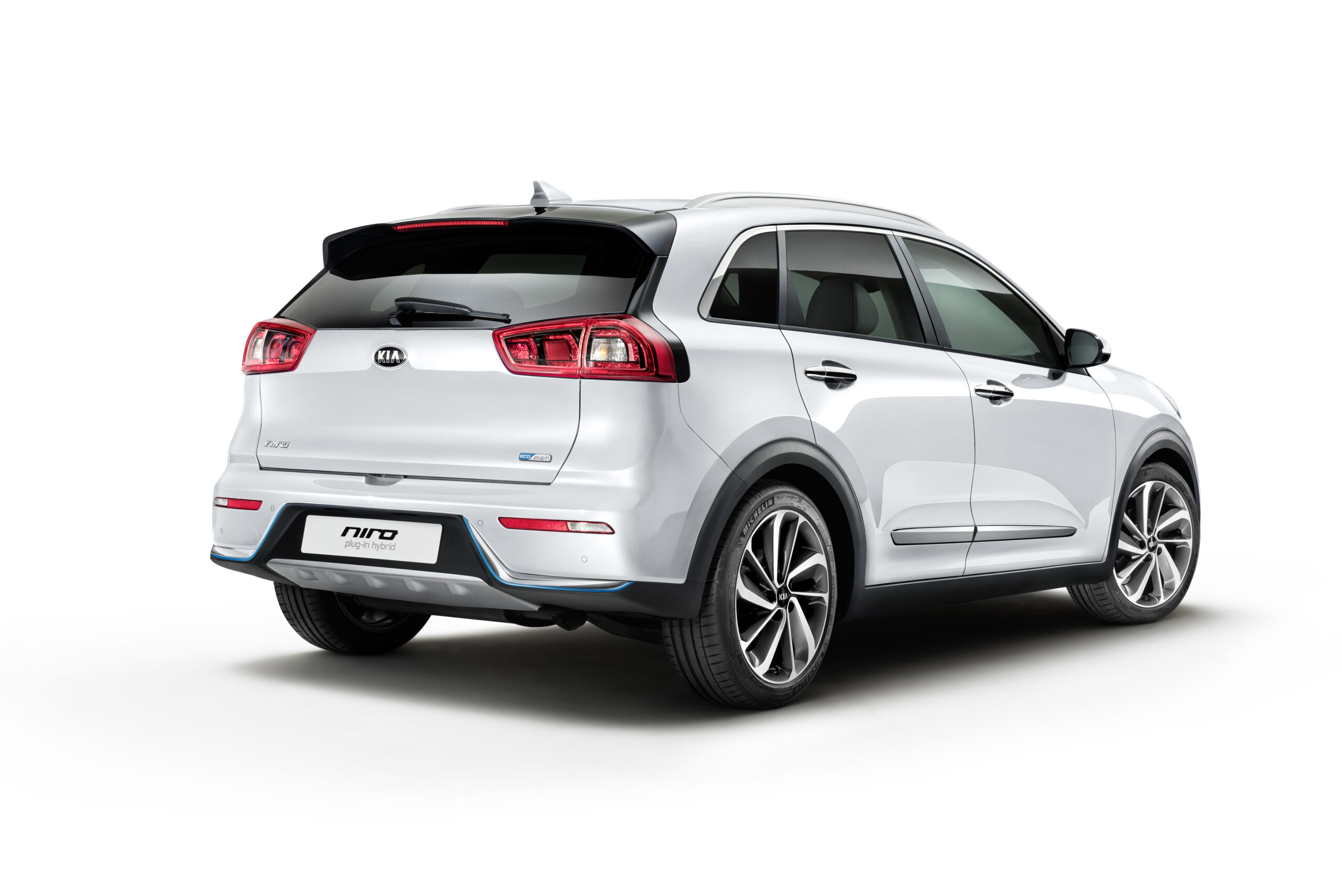
Charging faults with the electric Niro
The fully electric Kia Niro EV (Electric Vehicle) from 2018 to 2020 regularly suffers from charging faults. The most common cause is a defective SCU, the Supply Control Unit, which controls the charging process. This component shows both software and hardware faults.
Software updates sometimes provide temporary relief. In many cases, the situation requires complete replacement of the SCU. Another problem related to charging faults is iron filings – tiny metal particles. These accumulate in the charging system due to wear, leading to rattling noises and blockages during charging.
The 12V battery also causes charging problems in the electric version. A weak 12V battery prevents the high-voltage system from starting up, making charging impossible. In addition, owners report mechanical problems with the charging connector, such as plugs that do not latch in properly and therefore do not make good contact.
BMS faults in the plug-in hybrid
The Battery Management System (BMS) of the Kia Niro plug-in hybrid shows faults that affect the charging and discharging of the high-voltage battery. The BMS monitors the voltage, temperature and state of charge of individual battery cells. If this system fails, the battery will no longer charge or discharge correctly.
Symptoms of BMS problems include reduced electric range and more frequent activation of the petrol engine. The electric range drops from the original 65 kilometres to about 45 to 50 kilometres, sometimes after only 60,000 to 80,000 kilometres. Longer charging times are also an indication of a BMS fault.
Kia has released software updates for certain models to optimise the BMS. In some cases, the situation requires hardware replacement. A professional battery analysis every 30,000 kilometres will detect degradation at an early stage.
‘ The vehicle suddenly cuts out while driving. ’
EPCU leaks in electric models
A serious safety issue with the 2020 Kia Niro EV concerns leaks in the Electric Power Control Unit (EPCU). This unit controls power distribution between the battery and the electric motor. Incorrect sealing causes internal leaks: coolant leaks internally and comes into contact with the EPCU’s circuit board.
The vehicle suddenly cuts out while driving and loses drive power. Kia has issued recall campaigns for this, in which the EPCU is replaced. Check whether your model is subject to a recall and have it carried out as soon as possible.
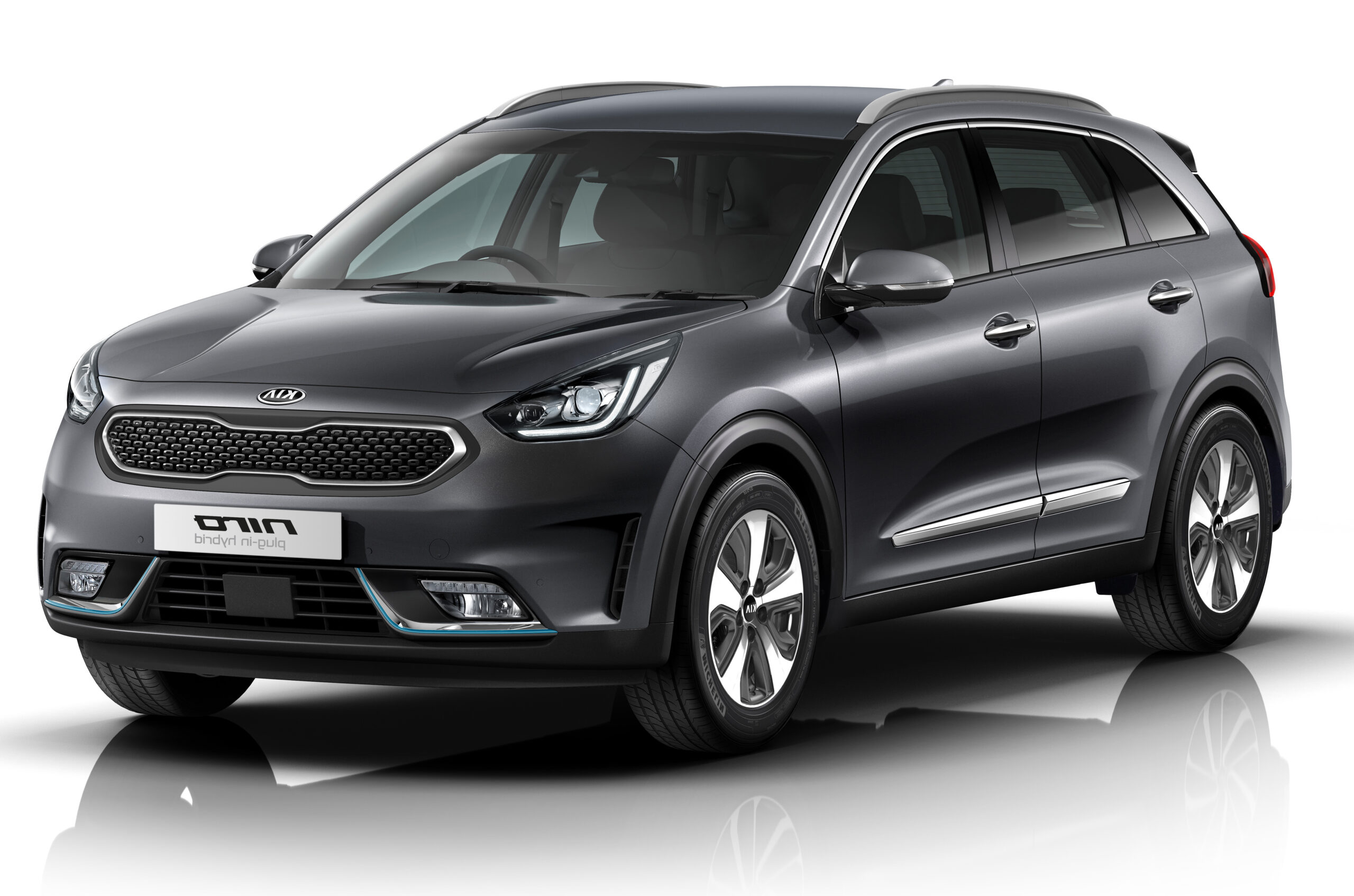
Preventing battery problems
Preventive maintenance extends the service life of both the 12V battery and the high-voltage battery. Specific guidelines apply to the high-voltage battery in the plug-in hybrid. Never fully discharge the battery and avoid charging it to 100% on a regular basis, as this places unnecessary strain on the battery cells.
Optimal charging cycles keep the battery between 20 and 80 per cent; the same applies to discharge cycles. Temperature management is also important. Park the car in the shade in extreme temperatures and preferably use a garage. Avoid fast charging and first check whether the battery is very cold or very hot.
For the 12V battery, regular driving helps to keep it charged. If the car is not used for a longer period, use a trickle charger to maintain the charge level. During routine servicing, have the voltage of the 12V battery checked.
Diagnosis and solutions
If you suspect electrical faults, the situation requires a professional diagnosis. Modern Kia workshops have specific diagnostic systems that read fault codes from the various electrical units. These codes indicate the cause of the problem.
If you have charging problems with the electric version, first try a reset using the orange button under the bonnet. This sometimes clears software errors, although the effect is not always permanent. If the problems persist, the situation may require replacement of components such as the SCU (Supply Control Unit) or the charging connector.
In the case of DC charging faults, also check whether the charging station is functioning correctly by testing with another charging point. Mechanical problems with the charging cable or plug are usually easier to solve. Defective electronics in the car itself require more work.
‘ They prevent serious faults or safety risks. ’
Recalls and warranty
Kia has carried out several recalls for the Niro, particularly for the plug-in hybrid version. These recalls focus on short circuits in the high-voltage battery. Kia addresses this with software updates, and in some cases by replacing hardware.
Regularly check whether there are any new recalls for your model. You can do this via the Kia website or at an authorised dealer. Always have recall work carried out, even if you are currently not experiencing any problems, as it prevents serious faults or safety risks.
Kia often offers an extended warranty of eight years or 160,000 kilometres on the high-voltage battery. Check the warranty conditions for your specific model and year of manufacture. Keep records of all services and complaints, as this strengthens any warranty claims.
On the Carnews website you will find extensive information about car problems, maintenance tips and experiences from other owners. Discover more about electric cars, hybrid systems and how to recognise and prevent technical complaints.
Frequently asked questions
With the Kia Niro, charging faults are common due to defective SCU components, 12V battery problems or contamination/faults in the charging connector. You can recognise these by a refusal to charge, error messages, rattling noises while charging or the car not ‘waking up’ at the charging post. The 12V battery causes problems due to premature wear after a few years, apparent as starting problems, a completely ‘dead’ dashboard or failing electronics. In PHEV and EV versions, the high-voltage battery can degrade more quickly, noticeable as a significantly reduced electric range, more frequent activation of the petrol engine and longer charging times. Other electrical faults include EPCU leaks and failure of driver assistance systems, which you will notice through warning lights, fault codes and possibly loss of power or limp-home mode.
A Kia Niro owner can regularly test the 12V battery (preferably with a multimeter) and have it preventively replaced at the first signs of weakness to avoid starting and charging problems. For the high-voltage battery, it helps to avoid deep discharges and long periods at 100% charge, to use the car as much as possible at moderate temperatures and to have a professional battery analysis carried out periodically (for example every 30,000 km). In the event of charging faults, the owner can check whether the charging plug clicks firmly into place, visually inspect the charging cable for damage and, if necessary, perform a software reset via the orange button under the bonnet. Persistent warnings or obvious degradation (a sharply reduced electric range, much longer charging times) require immediate diagnosis at the dealer to rule out more serious electrical faults or SCU/EPCU problems.
Yes, there have been recalls and manufacturer solutions, especially for the PHEV and EV versions of the Kia Niro. These include risks of short circuits in the high-voltage battery, EPCU leaks and problems with SCU components for DC charging, for which Kia applies software updates and, in some cases, hardware replacements. In addition, premature 12V battery problems have been acknowledged, for which dealers often perform accelerated diagnosis and replacement. It is advisable to check with your Kia dealer or via the official Kia website whether your specific vehicle is subject to a recall.
In practice, the high-voltage battery of the Kia Niro (especially the PHEV) often shows noticeable degradation around 60,000–80,000 km, with the electric range, for example, dropping from around 65 km to 45–50 km. Actual replacement costs vary by country and dealer but are generally several thousand euros (usually only economically worthwhile if covered by warranty or goodwill from the manufacturer). Service life strongly depends on usage: many full discharges, long periods at 100% charge or high temperatures accelerate wear. You can optimise it by avoiding deep discharge, not routinely charging to 100%, keeping the battery as cool as possible and having a professional battery analysis carried out periodically.
The Kia Niro has relatively many reports of charging faults (including SCU defects, EPCU leaks) and 12V battery problems, especially in the first generation, which puts it on the less favourable side of the segment in terms of fault frequency. The premature degradation of the high-voltage battery in the PHEV (noticeable reduction in electric range around 60,000–80,000 km) is slightly above what many owners of comparable PHEVs report. On the other hand, serious safety recalls involving the high-voltage battery at other brands (such as fire risks) are generally more prominent in the news than with the Niro, where problems more often involve functional faults and charging issues. Overall, the Kia Niro scores slightly worse for electrical faults and battery complaints than many competing hybrid and electric models, but without a consistently extremely high failure rate of the traction battery itself.