
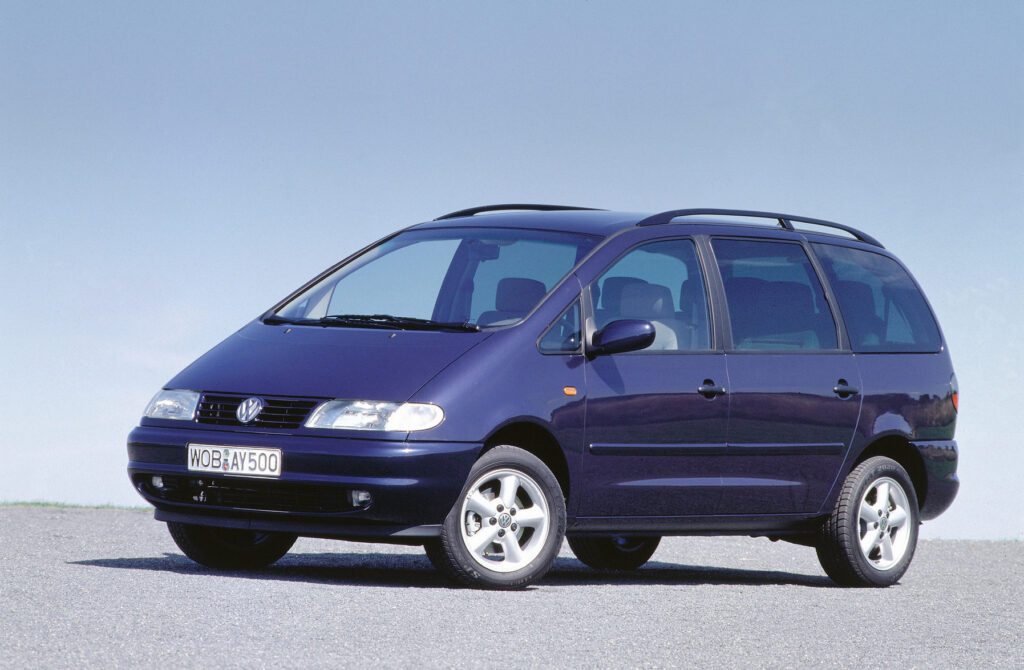
The second generation Volkswagen Sharan regularly suffers from electrical faults in the interior and infotainment. From frozen displays and failing air conditioning to unresponsive start-stop systems and unreliable instrument clusters: these problems cause daily frustration. Because this family-focused model has so many electrical functions, faults in comfort systems, sliding doors and controls can be difficult to trace. Curious how to recognise these issues and what you should watch out for?
Infotainment crashing in VW Sharan: how to fix it?
The infotainment system in the Volkswagen Sharan can freeze, respond slowly or cut out completely while driving. This often shows up as a black screen, non-responsive buttons or a system that locks up when you switch on the radio, navigation or Bluetooth. Some owners report that the problem occurs right after starting the car, while others say the system shuts down for no obvious reason while driving.
Possible causes are unstable software (software that crashes), outdated firmware or an issue with the supply voltage. A battery voltage that is under strain from several active systems can cause the infotainment to freeze temporarily. Poor earthing or a loose connection in the wiring behind the dashboard also causes faults.
Solutions often start with a reset of the system. You do this by switching the car off completely, waiting a few minutes and restarting it. If this doesn’t help, a software update at the dealer may solve the problem. Also check the battery and earth connections, especially when several electrical functions are playing up at the same time. Note that the problem is often only resolved structurally by a combination of a software update and checking the wiring.
Start-stop system faulty Sharan: causes?
The start-stop system in the Sharan sometimes refuses to work. You notice this from a message on the dashboard or because the engine no longer switches off automatically when stationary. The system is sensitive to various conditions and faults that are not directly related to the start-stop technology itself.
Common causes are:
- A weakened battery with insufficient capacity to restart the engine
- Low outside temperatures causing the system to switch itself off automatically
- An interior temperature that is too low with the air conditioning or heating switched on
- A fault in the battery monitoring or voltage sensors that misjudge the battery condition
- Error messages in other systems that block the start-stop system as a safety measure
The system only works under strict conditions. As soon as one condition is not met, it switches itself off. In many cases, a new battery solves the problem, especially when the current battery is more than four years old. Also have the fault codes read out to check whether there are underlying issues with sensors or other electrical systems. After replacing the battery, it often needs to be registered in the car’s electronics to function optimally.
Solving air conditioning problems Volkswagen Sharan
Air conditioning faults in the Sharan range from climate control that no longer responds to irregular cooling or a system that constantly blows at full power. This is often caused by a fault in the controls, a failing sensor or an electrical problem in the climate control system itself.
With non-responsive climatronic, contaminated contacts or a faulty control module can be the culprit. This shows up as buttons that no longer respond or a climate control display that remains blank. Sometimes the air conditioning still works mechanically, but the electrical control is completely missing. A failed temperature sensor can also cause the system to receive incorrect information and therefore continue to blow extremely cold or warm air.
First check whether there are any fault codes stored in the air conditioning system. These codes can indicate exactly which component is no longer working. Replace contaminated or loose connectors and check the wiring behind the dashboard. With stubborn problems, a failed climate control unit may need replacing, but this is expensive and usually only necessary after ruling out other causes. Note that topping up the refrigerant only helps in the case of an actual loss of cooling, not for electrical faults.
Electrical faults second generation Sharan
The second generation Sharan is more sensitive to electrical faults than the first generation. This is due to the increase in electrically operated comfort features, such as electric sliding doors, tailgate, child lock, seat heating and multiple infotainment options. The more electronics, the greater the risk of faults in wiring, connectors and power supply.
Owners regularly report multiple error messages at the same time without a clear cause. This often points to a voltage problem. A weakened battery or poor earth connection can disrupt several systems at once. For example: the instrument cluster displays warning lights, the infotainment responds slowly, the sliding doors stop working and the start-stop function switches itself off.
Common problems in the second generation are:
- Electric sliding doors that stutter, respond slowly or show error messages due to wear in motors, runners or sensors
- Electric tailgate that does not open or close fully due to incorrect calibration or a failed drive unit
- Interior lighting that works intermittently or fails completely due to poor contacts or a switch fault
- Instrument cluster that shows illogical warnings or stops responding after reconnecting the battery
- Child lock that shows fault messages while it still works mechanically, often due to a stiff handle or faulty switch
When buying or servicing, test all electrical functions systematically. Operate windows, mirrors, lights, infotainment, camera, parking sensors, sliding doors and tailgate several times in a row. Watch for delays, noises and whether movements complete fully. Also check whether the system still works properly after a drive, as some faults only occur once the car has warmed up.
‘ A battery that still delivers 12.5 volts at idle can drop significantly under the load of multiple systems. ’
How do you tackle electrical faults in practice?
With electrical problems in the Sharan, a systematic approach is important. Start by reading out the fault codes with a diagnostic computer. This gives insight into which systems are storing fault messages and whether these are current or stored. Clear the fault codes and check after a test drive whether they return. This helps distinguish between one-off and structural problems.
Check the battery and its voltage (in volts) under load. A battery that still delivers 12.5 volts at idle can drop significantly under the load of multiple systems. This causes problems in sensitive electronics such as infotainment and sensors. Replace the battery if it is older than five years or shows signs of weakness.
Pay attention to earth connections and wiring looms. Especially in cars that are regularly used in damp conditions, contact points can oxidise. This increases resistance and causes voltage drop (lower voltage in the system). Check the earth connections under the bonnet and behind the dashboard. Clean contact points and ensure they are firmly secured.
With sliding doors and tailgate, it can help to recalibrate the mechanism. You usually do this by opening and closing the door fully by hand while the ignition is switched on. Refer to the handbook for the specific procedure, as this can differ per model year. Sometimes this clears persistent error messages without the need to replace parts.

What should you look out for when buying?
If you are buying a used Sharan, a thorough check of all electrical systems is essential. Ask the seller whether there have ever been faults and whether they have been resolved. Check whether the battery has been replaced recently and whether there is a service history. A well-maintained car reduces the risk of hidden problems.
During the test drive, actively test all comfort systems. Set the air conditioning to different modes, operate the sliding doors from several positions, switch on the infotainment and switch between radio, navigation and Bluetooth. Pay attention to response times, whether movements complete fully and any error messages on the dashboard. Also check the parking sensors and reversing camera, as these regularly cause issues due to contaminated sensors or poor wiring.
Ask whether the car has had a software update. For certain model years, Volkswagen has released updates to improve the stability of infotainment and comfort systems. A car without a recent update can be more prone to faults. If in doubt, always have a diagnostic test carried out by a specialist before you buy.
On the Carnews website you will find much more information about common problems with Volkswagen models, useful maintenance tips and experiences from other owners. Discover what else you should know about your car and stay well informed about technical points of attention.
Frequently asked questions
The most common electrical faults in the interior and infotainment of the Volkswagen Sharan are malfunctioning infotainment systems (radio/navigation/Bluetooth), poorly or non-functioning electric sliding doors and tailgate, and unreliable interior lighting or switches. You recognise them by frozen or repeatedly rebooting screens, loss of sound or connection, error messages in the display and doors/tailgate that do not move smoothly or do not open and close fully. Users also regularly report fluctuating or multiple error messages at the same time, which often points to voltage or power supply problems (for example a weak battery). It therefore makes sense to test all functions (screens, lighting, doors, sensors) several times in a row and to watch for sluggishness, noises and illogical behaviour.
Electrical problems in the Sharan are often related to an ageing or weak battery, voltage issues, contaminated or damaged wiring and connectors, and wear in motors and mechanisms of the doors and tailgate. Known weak points are the electric sliding doors, the electric tailgate, the interior lighting and switches, and the infotainment/display system that can freeze or cut out. Earth connections and contact sensors in doors can also cause faults and error messages. In addition, software or calibration problems sometimes play a role, especially after reconnecting the battery or repairs.
Yes, a car enthusiast can already check a lot themselves, such as the battery voltage (whether the battery is weak), fuses, visible wiring and connectors for looseness or corrosion. It is also useful to test all electrical functions systematically (windows, mirrors, interior lighting, infotainment, sliding doors, tailgate) and to look for patterns in when the fault occurs. Furthermore, after reconnecting the battery or carrying out minor work, it can help to reset or recalibrate systems and to have fault codes read and cleared to see which faults return. If faults persist after these checks or several systems behave strangely at the same time, it is sensible to call in a professional.
The average costs for resolving electrical faults in the interior and infotainment of a Volkswagen Sharan are roughly between €150 and €500, depending on diagnostic time, required parts (such as switches, motors or wiring) and any software updates. Smaller problems (switches, cleaning connectors, loose connections) often stay under €200, while complex faults with sliding doors or tailgate can be more expensive. Repair options range from simple cleaning of contacts and wiring, replacing switches or sensors to renewing or refurbishing motors in sliding doors/tailgate. In addition, software updates, recalibration of systems and targeted repair of earth and power points are important interventions.
Sharan owners can limit problems preventively by regularly testing all interior and infotainment functions systematically, such as screen, radio, navigation, Bluetooth, camera, sliding doors and electric tailgate. Ensure the battery is in good condition and, in the case of vague or multiple faults at the same time, have the on-board voltage and fault codes checked. Keep sliding doors and tailgate clean and moving freely (runners, handles, seals) to prevent extra resistance and faults in motors and sensors. After work on the battery or electronics, it is wise to test systems again and, if necessary, have them recalibrated.