
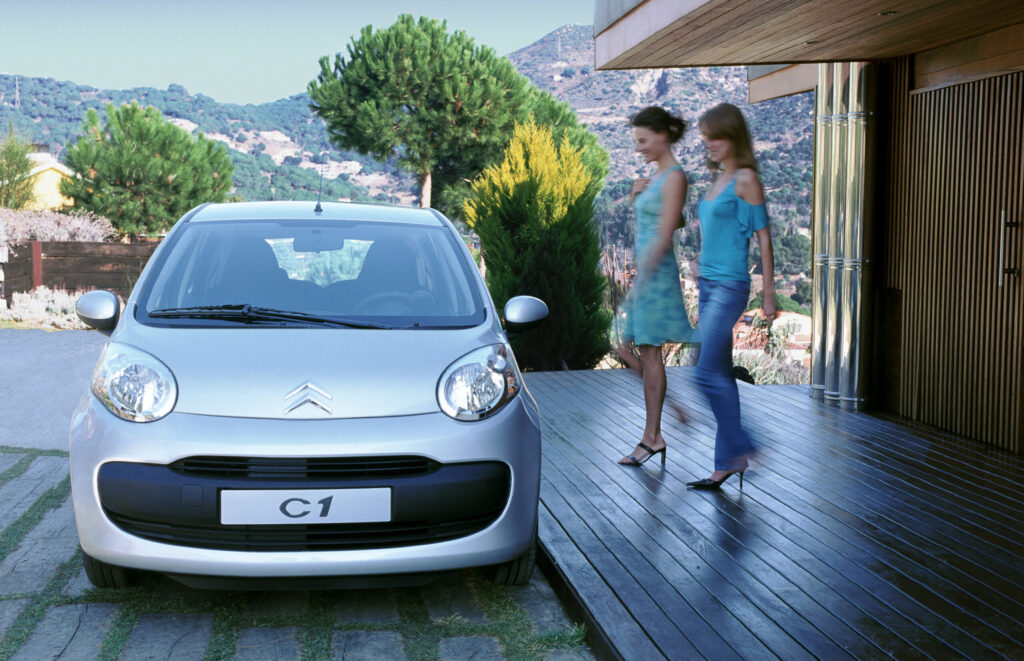
The Citroën C1 is known as a reliable and economical city car. Electrical faults occur regularly. Warning lights on the dashboard, an engine suddenly limited to 50 km/h, door locks that no longer work: these are familiar complaints. These problems are often related to battery, sensor or fuse faults. Read on to discover which electrical problems occur most frequently and what you can do about them.
Why are so many warning lights on the dashboard?
Multiple warning lights coming on at the same time on the dashboard is a frequently heard complaint from owners of the Citroën C1. The airbag light, the engine management light and sometimes even the ABS light (anti-lock braking system) can all come on together without an obvious cause. This often does not point to separate faults, but to a broader electrical problem.
The most common causes are voltage problems due to a weak or poorly charged battery. Many C1s are now between 10 and 15 years old. A battery may then be past its best. It no longer supplies sufficient voltage to the various electronic control modules. As a result, sensors are triggered and fault codes appear that look like engine or safety problems. The underlying cause, however, is electrical.
A second important cause lies in poor earth connections. Corrosion or loose contacts in the wiring can occur. This disrupts communication between modules. The car registers this as a fault and activates warning lights. First check the battery and charging voltage. Only then replace expensive components.
Citroën C1 airbag light: causes and solutions
The airbag warning light stays on for many C1 owners, sometimes without there being a real airbag fault. This light can be triggered by problems with sensors or wiring. Voltage fluctuations in the system can also be the cause. A poor connection under the driver’s or passenger’s seat can likewise cause the problem.
Common causes include:
- Poor contact in the connector under the seat due to movement and wear
- Defective seat belt pretensioner or seat sensor
- Voltage dip caused by a weak battery
- Fault code that remains stored after a previous event
First check whether the connectors under the seats are properly seated. Unplug them and check whether the pins are clean and undamaged. Refit the connectors firmly. Does the light stay on even after starting the car? Then read out the fault code with a diagnostic tool. Many C1 faults only provide useful information via OBD (On-Board Diagnostics).
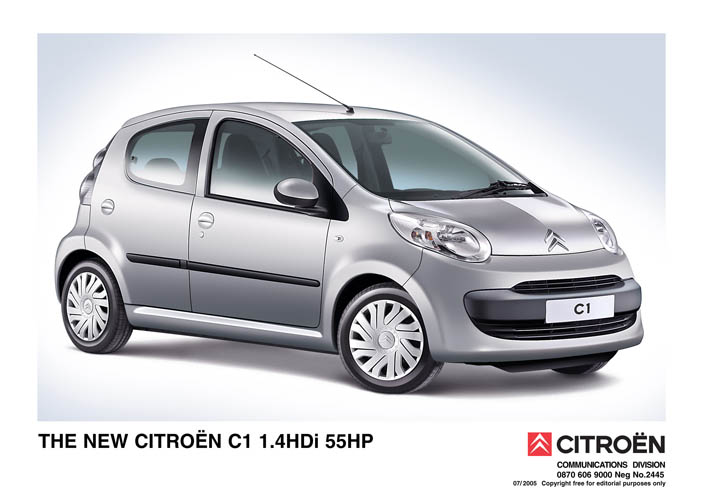
Engine limited to 50 km/h due to electronic fault
Your engine is suddenly limited to 50 km/h and the engine warning light is on. This is a frustrating and sometimes dangerous situation. It occurs in the C1 and is often the result of a fault code in the engine management or a defective sensor. The car then switches to a limp-home mode. This is how the system prevents further damage.
Possible causes include a defective lambda sensor, problems with the mass airflow sensor or a fault in the engine control unit (ECU). Voltage fluctuations caused by a weak battery also occur. These prevent the ECU from functioning correctly. The engine is then put into safe mode. In some cases, the problem is temporarily resolved by switching the car off and starting it again. That does not mean, however, that the underlying cause has been fixed.
Always have fault codes read to determine which sensor or module is causing the fault. With a defective lambda sensor or mass airflow sensor, replacement may be necessary. Also check the battery and any corroded connectors in the engine bay. A proper diagnosis prevents you from replacing components that are not defective.
Problems with door locks and central locking
The central locking systems of the Citroën C1 can suffer from faults. Doors then no longer unlock remotely. Or they even open by themselves while driving. This is annoying and can also be a safety risk. The cause is often a blown fuse. It can also be a defective actuator in the door. A third possible cause is poor earth in the wiring.
Start by checking the fuses for the central locking. These are listed in the owner’s manual or on the inside of the fuse box cover. You can easily replace a blown fuse yourself. If the central locking still does not work, an actuator in one or more doors may be defective. These small motors provide the mechanical locking and unlocking.
Moisture in the door can also cause faults. In older C1s, water can enter through a leaking seal. This causes corrosion on the electrical components. Inspect the rubber seals and check the wiring inside the door for corrosion.
‘ Do not continue driving with failed lights, as this is dangerous and can result in a fine. ’
Lighting problems caused by fuse faults
Brake lights, indicators or dashboard lighting not working? These problems occur regularly with the C1. This too often points to a blown fuse. It can also be the result of a poor earth connection or a defective switch. Always check the fuses first before working on the wiring or lamp holders.
The fuse box is usually located to the left of the steering wheel or in the engine bay. Use the diagram in the manual to find the correct fuse. Pull out the fuse and check whether the wire inside is still intact. Replace the fuse if necessary with one of the same rating. A fuse with too high a rating can damage the electrical system.
Does the lighting keep failing after you have replaced the fuse? Then there may be a short circuit in the wiring. This requires further investigation, for example with a multimeter or by a garage. Do not continue driving with failed lights, as this is dangerous and can result in a fine.
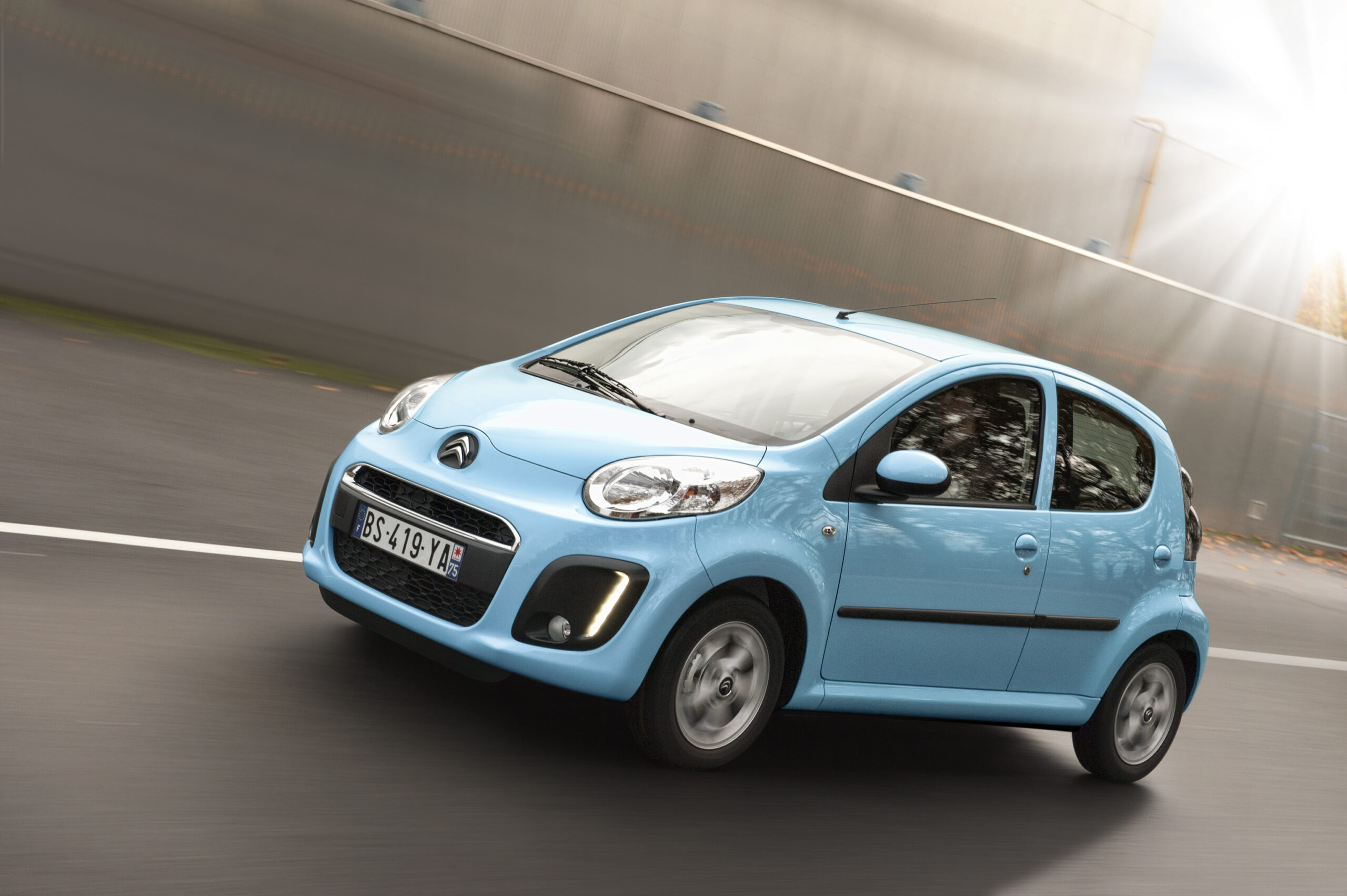
Electric power steering cuts out
The Citroën C1 is equipped with electric power steering. This can sometimes cut out while driving. The steering then suddenly becomes heavy and a warning light appears. This is a known issue. Recalibrating the steering angle sensor can often resolve the fault.
There may be a defective steering angle sensor. Problems with the electric power steering motor also occur. A third possible cause is a fault code in the steering electronics. A simple reset of the system can sometimes help. Switch the car off. Wait a few minutes. Start again. Does the fault keep returning? Then read out the fault codes. Afterwards, carry out a recalibration of the sensor.
It is often reported on user forums that the fault is resolved. A simple repair or recalibration is often sufficient. This makes the problem relatively manageable, provided you act quickly. Do not drive for long periods without power steering, as this increases the risk of fatigue and reduces the car’s manoeuvrability.
Faults in the instrument cluster
Defective speedometers, pixel problems in the display or complete failure of the instrument panel? This occurs in older C1s. It is annoying because you no longer get information about speed, fuel level or warnings. The cause often lies in wear of the instrument panel itself. Problems in the communication between the dashboard and the ECU can also cause it.
With pixel problems in the display, the LCD screen (liquid crystal display) itself may be defective. This is difficult to repair yourself and usually requires replacement of the entire instrument cluster. Has the display failed completely? Then this may indicate a power interruption. A defective connector behind the panel can also be the cause. Check the wiring and connectors before replacing the panel.
Some owners report display faults that occur together with other electrical warnings. This points to a broader electrical problem. It is then not just a single faulty component. In that case, first have the battery and earth connections checked.
Practical checklist for electrical faults
Go through these steps to trace the cause of electrical faults on your Citroën C1:
- Check the battery and charging voltage with a multimeter. Voltage below 12.4 volts indicates a weak battery.
- Inspect earth connections. Check for corrosion. Check for loose contacts. Check for moisture. Pay particular attention to the earth under the bonnet.
- Check the fuses for the relevant system. Replace blown fuses with the correct rating.
- Read fault codes with an OBD diagnostic tool (On-Board Diagnostics diagnostic tool). This often gives a clear lead.
- Check plugs and connectors for moisture, corrosion or loose contacts.
- Recalibrate sensors such as the steering angle sensor if they are mentioned in the fault code.
With this systematic approach you avoid replacing parts unnecessarily. You also gain quicker insight into the real cause. Many C1 faults can be diagnosed well and are relatively easy to fix if you have the right information.
When should you go to a garage with electrical faults?
Some electrical faults you can resolve yourself. However, there are situations where a garage is the better choice. Do several systems fail at the same time? Then specialist diagnostic equipment is needed. Do fault codes point to defective modules such as the ECU or the ABS system (anti-lock braking system)? In that case as well, a garage is required. If you see no improvement after replacing fuses or checking the battery, professional help is advisable.
Be careful with faults in safety systems such as airbags, ABS (anti-lock braking system) or power steering. These systems are too important to ignore or to drive around with faulty for a long time. Always have them checked and repaired by an approved garage. They have access to the right diagnostic software and components.
On the Carnews website you will find more information about common car problems. You will also find maintenance tips. In addition, we offer handy checklists for different car brands and models. Discover more articles and make sure you are well informed before making decisions about repairing or buying a car.
Frequently asked questions
The most common electrical faults on a Citroën C1 are problems with the electric power steering (assistance drops out or works jerkily), the dashboard/instrument cluster (gauges failing, display hard to read or cutting out) and engine electronics/ECU (unexplained error messages and warning lights). You recognise power steering problems by a steering wheel that suddenly becomes heavy or a red steering wheel symbol on the dashboard. Dashboard or cluster faults show up as failing or “dancing” gauges, flickering or disappearing display lighting and sometimes a completely black screen. Several warning lights on at the same time, sometimes combined with the radio/navigation cutting out, often point to voltage or earth issues (battery, alternator, poor earth connections or corroded connectors).
Start by checking the battery: measure the voltage (around 12.5 V with the engine off, 13.8–14.5 V with the engine running) and see whether the terminals are clean and properly tightened. Then check earth connections and visible connectors in the engine bay and near the dashboard for corrosion, moisture and loose contacts. If possible, read the fault codes via the OBD port and note which systems are reporting faults. Finally, test whether the fault changes when you switch lights, blower and other electrical consumers on and off; this can point to a voltage or contact problem.
With the Citroën C1 there are no notorious design “disasters”, but there are known weak spots in the electrical system. The electric power steering (steering angle sensor) and the instrument cluster (gauges/display that fail or stutter) in particular deserve extra attention. In addition, “ghost faults” with several warning lights coming on do occur, often due to voltage or earth problems, corrosion in connectors or a weak battery. If in doubt, always have the battery/charging voltage, earth connections and fault codes checked before expensive components are replaced.
When carrying out the repair, make sure not only the defective component is replaced, but that the battery condition, charging voltage and earth connections are also checked and, if necessary, restored. Ask the garage to read all fault codes and clear them after the repair, and check that no new faults are logged after a test drive. Have connectors checked and treated for corrosion or moisture, especially around the steering angle sensor, ECU and instrument cluster. Finally, schedule periodic maintenance of the electrical system (battery checks, cleaning terminals, inspecting cables) to prevent voltage fluctuations.
Common electrical problems on the Citroën C1 include failure or faults in the electric power steering, defects in the instrument cluster/display and ECU- or sensor-related faults. Small diagnostics and repairs (such as checking connectors/earths, calibrating the steering angle sensor, basic diagnosis of fault codes) usually cost from a few tens of euros up to around €150. Replacement or overhaul of components such as the instrument cluster, power steering unit or ECU can range from roughly €300 to over €800, depending on whether parts are new, used or reconditioned. Repair times vary from about 0.5–1 hour for simple fault-finding and minor repairs to 2–4 hours or more when replacing and programming larger electrical modules.