
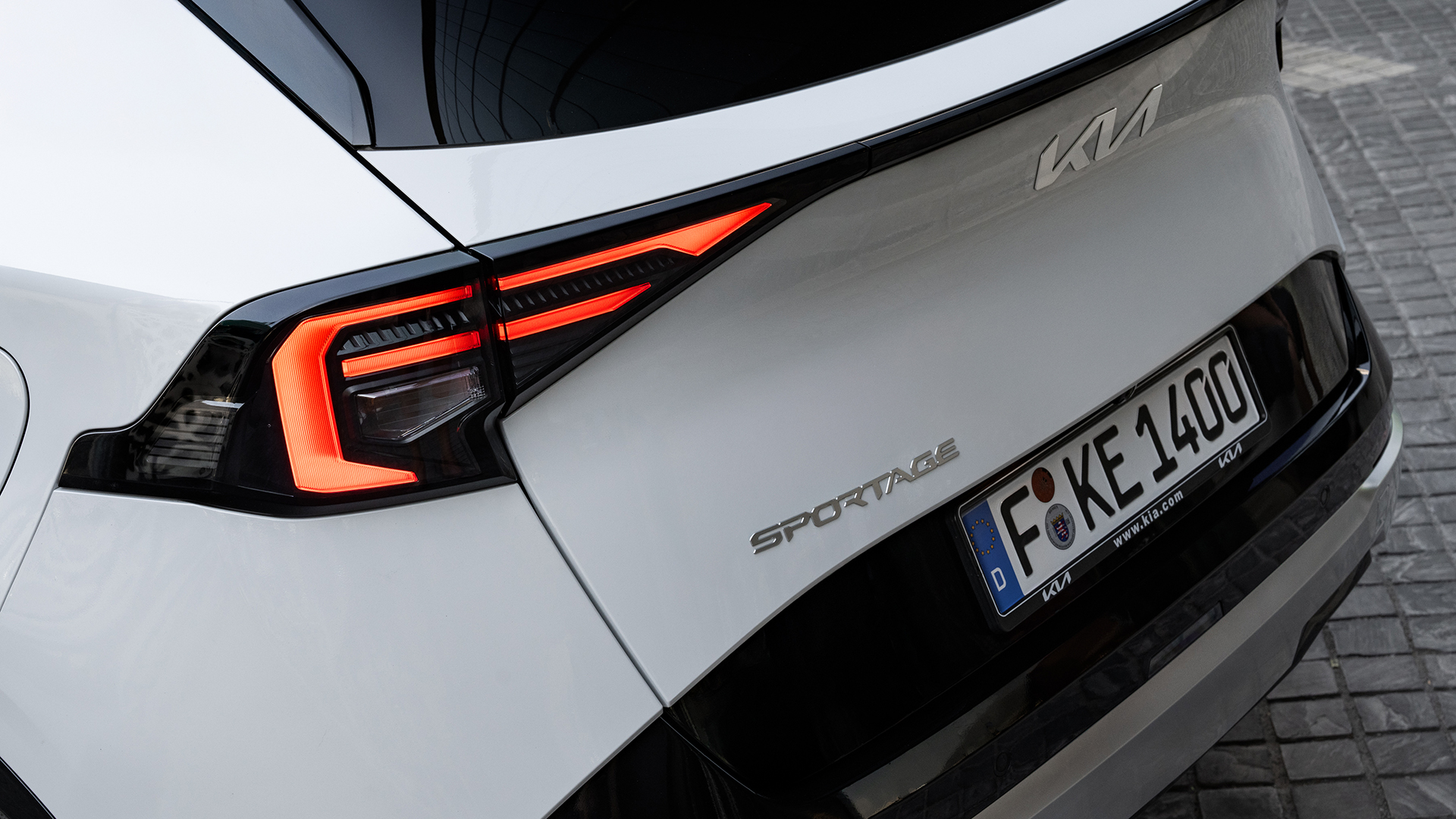
Electrical faults occur regularly with the Kia Sportage and can range from glitchy infotainment systems to defective parking sensors. These problems are annoying in daily use, but are often solved with simple checks or a visit to the dealer. Discover below which electrical problems you can expect and how to tackle them.
The Kia Sportage is particularly prone to electronic issues in the hybrid and PHEV models. Software errors, defective components and battery problems are often at the root of faults. You notice this through symptoms such as a dead screen, windows that no longer respond or sensors that give false alarms.
For many owners the 12V battery plays a central role in electrical problems. The battery drains quickly because of the high energy consumption of systems such as infotainment and climate control. This leads to starting problems and a string of warning lights on the dashboard.
Why is the infotainment system not working on the Kia Sportage?
The infotainment screen may stay black or suddenly cut out while driving. This problem occurs mainly on newer models with larger touchscreens and extensive connectivity. Software errors are the most common cause, but defective cables or a weak battery can also cause the system to crash.
A software reset often solves the problem. Switch off the ignition, wait 15 minutes and start the car again. If the screen still does not work, a firmware update (internal system software update) at the dealer may provide a solution. Many infotainment faults are resolved by installing the latest software calibration.
Does the problem persist? Then a defective head unit may be the culprit. This usually requires replacement of the complete infotainment module. First check whether there are any loose cables behind the screen before opting for an expensive replacement.
Central locking failure on the Kia Sportage
The central locking sometimes does not respond to the key or remote control. Doors remain locked or open by themselves, causing frustration and safety concerns. This happens due to faults in the electronic control unit or problems with the actuators in the doors themselves.
Common causes of central locking problems are:
- Empty battery in the key fob, so the signal is not received
- Defective door actuators that seize mechanically or fail electrically
- Faults in the central locking module due to moisture ingress or wear
- Software errors in the body control module that disrupt communication
Start by replacing the battery in the key fob. This is inexpensive and surprisingly often solves the problem. Does the locking still not work? Then test whether the central locking does respond to the button inside the car. If it does not, the problem lies with the central module or an actuator.
A dealer diagnosis with an OBD2 scanner (diagnostic tool that reads fault codes via the diagnostic port) will display fault codes that pinpoint the exact cause. Many owners report that a reset of the body control module temporarily solves the issue. For a permanent fix a defective actuator often has to be replaced, which requires a few hours of workshop time.
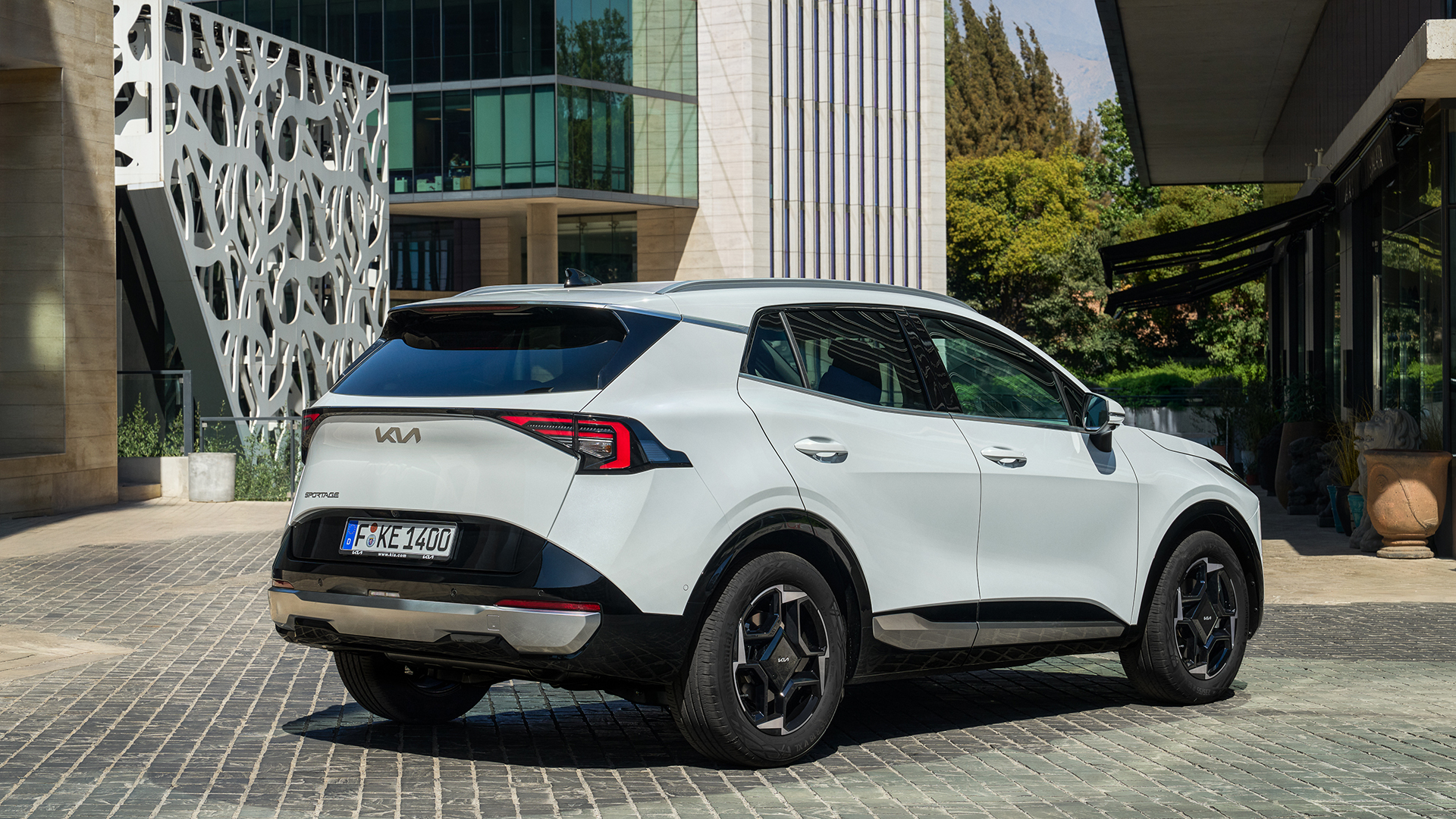
Parking sensors failing on the Kia Sportage
The parking sensors give false warnings or stop working altogether. This occurs mainly in wet conditions or after driving through mud and dirt. The sensors become clogged or damp, so they no longer provide a reliable signal.
Clean the sensors regularly with a damp cloth and ensure that there is no dirt, snow or ice on them. This already prevents many false alarms. Does the problem persist? Then a sensor may have failed due to a parking knock or an internal electronic fault.
Test which sensor is causing the problem by paying attention while parking to which zone gives a constant beep. A defective sensor needs to be replaced. This is relatively simple work for a garage, but can also be done yourself with the right tools and a new sensor in the correct colour code.
On some Sportage models the problem is not with the sensors themselves, but with the control unit that processes the sensor data. A software update can then be the solution. Have this checked by the dealer if several sensors fail at the same time without an obvious reason.
Camera and reversing camera problems
The reversing camera sometimes shows a black screen or a blurry image. This is caused by moisture or dirt on the lens, but also by defective wiring or software problems. The camera is mounted low on the rear of the car and is therefore vulnerable to contamination and damage.
Clean the camera lens with a soft cloth and check whether the image improves. Does the screen remain black? Then the power cable may be damaged or there may be a fault in the infotainment module that processes the camera images. A system reset is the first step to test this.
Does the camera still not work after cleaning and a reset? Then the camera is probably defective and needs to be replaced. This requires removal of the tailgate or bumper, depending on the camera location. A garage will charge a few hours of labour for this.
‘ The driver’s window in particular is used a lot and therefore shows signs of wear earlier. ’
Electric window faults and causes
Electric windows that no longer respond or move slowly are a known problem with the Kia Sportage. This is caused by worn motors, defective switches or problems with the body control module that controls the windows. The driver’s window in particular is used a lot and therefore shows signs of wear earlier.
Test whether the problem lies with the switch or the motor by listening for sounds when you press the button. Do you hear a humming sound but the window does not move? Then the motor or the guide rails are blocked. Does nothing at all happen? Then it is likely due to the switch or the electrical wiring.
A defective window motor switch is cheap to replace and can often be done yourself. A broken motor requires more work and usually has to be replaced by a garage. Also check that there are no objects jammed between the window and the door that are blocking movement.
Battery and stop-start function problems
The stop-start function does not switch on or off reliably. This increases fuel consumption and causes unpredictable behaviour at traffic lights. The cause is often a weak 12V battery or sensor errors that make the engine think that the battery is not sufficiently charged.
Check the battery voltage monthly with a multimeter. A healthy battery shows at least 12.4V with the engine switched off. Is the voltage lower? Then charge the battery or replace it after 3 to 4 years of use. Hybrid and PHEV models are extra sensitive to battery problems in cold weather.
Owners recommend taking regular longer trips of at least 30 minutes. This conditions the battery and prevents it from discharging due to short city journeys. An AGM battery offers better durability than a standard battery and is a good upgrade for those who mostly make short trips.
Fixing fault codes and ECU problems
The engine control unit (ECU) can cause electrical faults that lead to warning lights, loss of power or complete shutdown. This happens mainly during cold starts or after software updates. Fault codes in the ECU point to problems with sensors, communication or internal software errors.
An OBD2 scanner shows which fault codes are active. Many faults are resolved by clearing the fault codes and restarting the car. You can perform a complete ECU reset (resetting the engine control unit) by disconnecting the battery cables for 15 minutes. This erases temporary errors and resets the ECU’s learned values.
Do the fault codes keep returning? Then there is a hardware problem that requires professional diagnosis. Have the dealer check whether there are recalls for battery software or ECU updates. Owners report that around 70 percent of ECU warnings are resolved with a reset, without expensive replacement.
‘ Early diagnosis prevents small electrical issues from developing into major faults that are expensive to repair. ’
Preventive maintenance against electrical faults
Many electrical problems can be prevented with regular maintenance. Check the battery and battery terminals for corrosion, keep sensors and cameras clean and switch off unnecessary consumers when parking. This extends the service life of electrical components and prevents unexpected faults.
Use a trickle charger if the car is stationary for longer periods. This prevents the 12V battery from discharging due to passive systems that keep running. Update the firmware (internal system software) regularly at the dealer, as many faults are solved with the latest software calibration.
Pay attention to warning lights and have them read out immediately with an OBD2 scanner. Early diagnosis prevents small electrical issues from developing into major faults that are expensive to repair. Hybrid and PHEV owners need to be extra alert to battery problems due to the higher energy consumption of these models.
On the Carnews website you will find more detailed information on car problems, maintenance tips and technical background information for various car brands. Discover more about your model and stay informed about common issues and proven solutions.
Frequently asked questions
The most common electrical faults on the Kia Sportage are problems with the 12V battery (especially on hybrid/PHEV), cutting out or malfunctioning ECU/electronics and glitchy infotainment or sensors. Symptoms include starting problems, warning lights that illuminate spontaneously, loss of engine power or limp mode, and fault codes on the dashboard. A non-functioning or irregular stop-start function can also indicate a weak battery or sensor fault. In addition, black or frozen screens, cameras that cut out and parking sensors that give false warnings occur regularly.
You can visually check the 12V battery yourself for corrosion and measure the voltage with a multimeter (it should be around 12.4–12.8V when stationary). Switch off all consumers (lights, infotainment, heating) and see whether the fault still occurs. You can try a short “reset” by briefly disconnecting the battery (disconnect the negative terminal, wait a few minutes, reconnect). If warning lights remain on or the car starts poorly, it is wise to go to the garage with these findings.
According to user experiences and technical reports, the more recent hybrid and PHEV model years of the Kia Sportage in particular seem more prone to electrical problems, especially around the 12V battery and electronics. Possible causes are relatively high electrical consumption (infotainment, climate control, sensors) compared with the capacity and charging strategy of the 12V battery, especially on short journeys and in cold weather. In addition, software bugs in ECU and battery management systems and outdated firmware can cause fault codes, stop-start problems and systems cutting out. Moisture and temperature fluctuations also play a role in faults in infotainment, cameras and sensors.
The average costs of fixing common electrical faults on a Kia Sportage range roughly from a few tens of euros for a battery check or software reset to several hundred euros for battery replacement, sensors or ECU-related repairs. The most effective and relatively inexpensive measures are: regularly testing the 12V battery and replacing it in good time if necessary, performing an ECU/infotainment reset and avoiding unnecessary power consumers when the car is stationary. In addition, dealer software updates often resolve faults in the ECU, infotainment and driver assistance systems without having to replace expensive parts. For persistent or recurring problems, dealer diagnostics are effective to enable targeted repairs or to make use of any warranty/recalls.
Carry out a monthly check of the 12V battery (voltage, age) and replace it preventively after a few years to avoid starting and voltage problems. Limit unnecessary power consumers when the car is stationary and use a trickle charger if the car is not driven for longer periods. Have the dealer perform software and firmware updates regularly for the ECU, infotainment and assistance systems. In wet or cold weather, pay extra attention to faults in sensors and have fault codes read in good time so that emerging problems can be resolved early.