
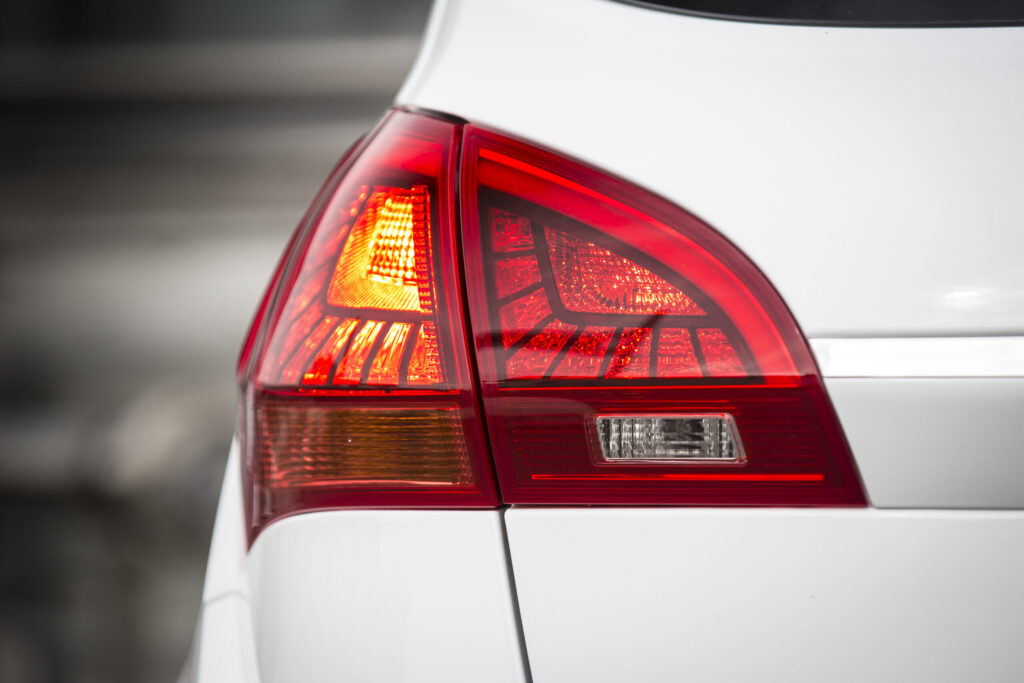
Electrical faults in the Kia Venga are rarely spectacular. Even so, they require a systematic approach. Dashboard warning lights stay on, the remote control stops working or the infotainment system freezes. These complaints often point to battery charge, bad connections or an ECU that needs resetting. Most faults are not caused by failed modules. They are usually due to voltage drop, corrosion or loose connectors. In this article you will find concrete causes and solutions.
Many Kia Venga owners experience intermittent electrical issues. One day the remote control works. The next day it doesn’t. Or the start-stop system keeps refusing to operate. These intermittent problems occur regularly. They can often be traced back to a simple chain: battery, earth, fuse and module. You can read more information about other known issues on our page about the Kia Venga.
The Venga’s electrical system is protected by fuses and relays, spread over several fuse boxes. When there are faults, people often first think of defective electronics. In practice, poor connections, a weak battery or an ageing receiver module are often at the root of the problem.
All dashboard warning lights on at once: what now?
If all dashboard warning lights come on at the same time, there can be several causes. It is often due to low voltage. There can also be a fault in the communication between the car’s modules. The battery supplies too little voltage due to age or too many short journeys. There may also be a weak earth connection or a blown fuse.
An ECU reset (engine control unit reset) can in many cases provide the solution. Disconnect the negative terminal of the battery. Wait about fifteen minutes. Reconnect the terminal. The system will then reboot. After a reset some settings have to be recalibrated. That applies to windows and electric seats.
If the warning lights stay on, check the following points:
- Test the battery voltage and have its overall condition checked, not just the voltage
- Inspect the earth connections for corrosion or loose cables
- Check fuses visually and replace where necessary with the correct type
- Have fault codes read with diagnostic equipment to pinpoint the cause accurately
Some owners report that the fault disappears after a full recharge. The system locks itself when the battery condition is too low. If problems persist, a mechanic is required.
Remote control no longer works: common causes and steps
The remote control no longer works. This is a recurring complaint with the Venga. The mechanical locking often still works, but the electric remote operation fails. In most cases the key itself is not faulty. The problem lies in the receiver or the wiring to the body control module.
First measure power supply, earth and wiring at the body control module. Only then should you start replacing parts. A bad earth or voltage drop can lead to intermittent complaints. For example: the receiver does not respond. The antenna receiver itself can also fail due to moisture or age.
First try these steps:
- Check the battery in the remote control and replace it if necessary
- Try the spare key to rule out a defect in the key itself
- Clean the connectors of the receiver module and reconnect them
- Measure power supply and earth at the body control module with a multimeter
- Have the antenna receiver checked if complaints persist
Many problems with the remote control turn out afterwards to be a matter of measurement and cleaning, not of expensive repairs. Incorrectly connected wiring or changes to the electrical system cause faults. Always use approved parts and have repairs carried out by competent staff.
Infotainment crashes or does not respond: how do you fix that?
The infotainment system can freeze, fail to respond or restart unexpectedly. That is irritating while driving. A simple reset or software update often solves it. Modern infotainment systems are mini computers. They sometimes hang because there are too many processes running. Outdated software can also be the cause.
A quick fix is to switch the system off and on again. Some models have a reset button. This is often accessible via the settings menu. Check the handbook for the exact steps. If that does not help, a full reset via the battery is required.
Other possible causes are:
- Outdated software: have a garage check whether updates are available
- Low battery charge: the system does not function properly when voltage is too low
- Poor wiring or corrosion behind the display
- A blown fuse that supplies the infotainment system
For persistent crashes it is sensible to have fault codes read. Sometimes the system records a fault that is not immediately visible, but does explain the cause of the hiccups. A specialist garage can update the software and check the wiring.
Start-stop system refuses to work: cause and solution
The Kia Venga’s start-stop system only works if the battery is in good condition and provides sufficient voltage. The system is not broken. It is a built-in protection feature. When the battery condition is too low or journeys are too short, the system switches itself off. That way the car will still start.
Short urban journeys do not keep the battery sufficiently charged. The alternator needs time to fully charge the battery. Owners report that after a longer drive or a full charge, the start-stop system often works again. That confirms it is not a defect, but a reaction to the circumstances.
Check the following if the system is not working:
- Battery condition: have it tested, not just the voltage measured
- Drive longer distances to fully charge the battery
- Check whether the battery is specifically suitable for start-stop (AGM or EFB)
- Have it checked whether the battery sensor is working properly
Replacing a standard battery with a start-stop capable battery can solve the problem for good. These batteries are designed for frequent starting and stopping. They can be charged and discharged more often. Always use the correct type and have it calibrated by a professional.
Practical checklist for electrical faults
For electrical issues on the Kia Venga, a systematic approach is the best choice. Many problems are not in a single component, but in the chain from battery to module. Rule out the simple causes first. That way you avoid unnecessarily replacing expensive modules.
Use this checklist for electrical faults:
- Test the battery for voltage and condition, do not just check it visually
- Check all fuses in both fuse boxes, replace if necessary
- Inspect earth connections and plugs for oxidation, moisture and poor contact
- Read fault codes with diagnostic equipment to carry out targeted repairs
- Clean and reconnect connectors, especially with intermittent complaints
- Carry out an ECU reset by temporarily disconnecting the battery
- After repair, take a test drive and check all functions: lights, windows, locking and dashboard
Kia recommends using official service for electrical repairs. Also use approved parts. Modified or incorrectly connected wiring can affect safety functions. Never push random wires or screwdrivers into fuse slots. Do not do this in relay slots either.
Preventing recurring electrical problems
Recurring faults are often caused by poor contacts or a battery that is too weak. Regular maintenance and attention to the electrical basics can prevent many problems. That does not require expensive investments, but it does require awareness of a few practical steps.
Make sure the battery is sufficiently charged. If you frequently make short journeys, occasionally take a longer trip. Regularly charge the battery with an external charger. Remove corrosion from terminals and earth points with a wire brush and special terminal grease.
Other preventive measures are:
- Regularly check and clean battery terminals
- Inspect fuses during servicing
- Ensure earth connections are tight and kept free from dirt
- Do not connect electrical consumers without professional installation
Electrical systems already react to small errors. A loose earth causes strange phenomena. The same applies to an oxidised connector. Regular checks keep these problems limited and prevent small faults from developing into major defects.
When should you go to a garage with electrical complaints?
Not every fault requires a visit to the garage. Many electrical problems can be solved with simple checks. There are times when a mechanic is needed. Especially if the fault returns after a reset or if you cannot find the cause yourself.
Go to a garage when:
- Fault codes keep returning after being cleared
- All dashboard warning lights remain on after an ECU reset
- The remote control does not work despite a new battery and clean connectors
- Infotainment continues to crash after a software update
- There is smoke, a burning smell or melted wiring
A garage with diagnostic equipment can read live data and fault codes. This is a first step towards understanding the problem. Much information is not visible to private individuals. Especially with intermittent complaints this can be the difference between guessing and carrying out targeted repairs. For the best results, choose a garage with knowledge of Kia systems.
On the Carnews website you will find much more information about common car problems, maintenance tips and practical advice. The information covers various makes and models. Discover more and stay up to date with what is happening in the automotive world.
Frequently asked questions
With the Kia Venga, faults are often reported with the start-stop system, which does not work or only works occasionally; you recognise this by the absence of automatic engine stop when stationary, despite the system being switched on and the engine at operating temperature. Failure or poor response of the central locking/remote control is also common; symptoms are that the car does not respond to the key while mechanical opening/closing is still possible. In addition, there are intermittent electrical faults due to poor earth, corrosion or loose connectors; you recognise these by functions (such as lights, locking or modules) dropping out intermittently without a clear pattern. Low battery voltage or an ageing battery can also present as starting problems and the failure or restriction of comfort functions.
Typical causes of electrical problems with the Kia Venga are a battery that is too weak or too old, poor earth connections, voltage drop, corroded or loose connectors and blown fuses or faulty relays. In addition, when it comes to faults around start-stop, the state of the battery (charge/condition) plays a major role. Specific components that relatively often come into focus are the battery itself, the fuses and relays, the BCM/receiver module (for central locking, among other things) and associated antenna/receiver units. Many complaints ultimately turn out to be due to contact problems in connectors and earth connections rather than completely failed modules.
A car enthusiast can check the battery voltage and terminals himself and, if necessary, have the battery tested for condition. He can visually inspect all relevant fuses and replace them only with the same type. He can also inspect earth connections and plugs for corrosion, moisture or loose connections and clean them or tighten them securely. With a simple OBD scanner, he can read and note fault codes in order to discuss them in a targeted way with the professional mechanic.
Owners of a Kia Venga can help prevent electrical faults by having the battery tested regularly (voltage and condition) and ensuring that it remains well charged, for example by also making longer journeys. Periodically check fuses, earth connections and plugs for corrosion, moisture and looseness and have them cleaned if necessary. Avoid making your own modifications to the original wiring or using incorrect accessories and always use the specified type of fuses and parts when replacing components. In the case of unexplained complaints, have fault codes read in good time and have the electrical system checked preventively during servicing.
In the available information, there are no specific average repair amounts mentioned for electrical faults in the Kia Venga, such as for start-stop problems, central locking or BCM/receiver faults. What is clear is that many complaints are resolved with relatively inexpensive measures such as testing/replacing the battery, cleaning connectors and earth points or replacing fuses, rather than immediately fitting new, expensive modules. Cost-saving alternatives are therefore: first measure systematically (battery, earth, fuses, wiring) and only then, if necessary, replace a BCM/receiver or another module. Concrete average repair costs per type of fault are not specified in the sources consulted.