
The Nissan Micra regularly suffers from electrical faults. These show up in the windows, dashboard lighting, infotainment and sensors. Poor wiring, blown fuses and software issues are often at the root. These are frustrating problems. What are the most common causes? How can you tackle these faults effectively?
Electric windows that do not respond
A common complaint with the Nissan Micra concerns the electric windows. They will not open or close. Sometimes the mechanism makes a cracking noise. The windows can suddenly drop down by themselves. This problem usually has its origin in a defective window mechanism. Worn guide rails are a second very common cause.
Dealers often replace the entire mechanism. This does not always provide a lasting solution. Owners report that the problem can return after replacement. A practical alternative is to use universal repair kits. These are suitable for various car brands. They are significantly cheaper and often provide a durable solution.
First check the fuse responsible for the electric windows. You will find it in the fuse box. This is usually located under the dashboard or in the engine bay. Check whether the fuse is intact. The problem may lie with the switch in the door. The motor of the window mechanism itself is also a possible culprit.
‘ The tricky part is that when you test the switch with a multimeter it often still appears to be fine. ’
Solving flickering dashboard lighting
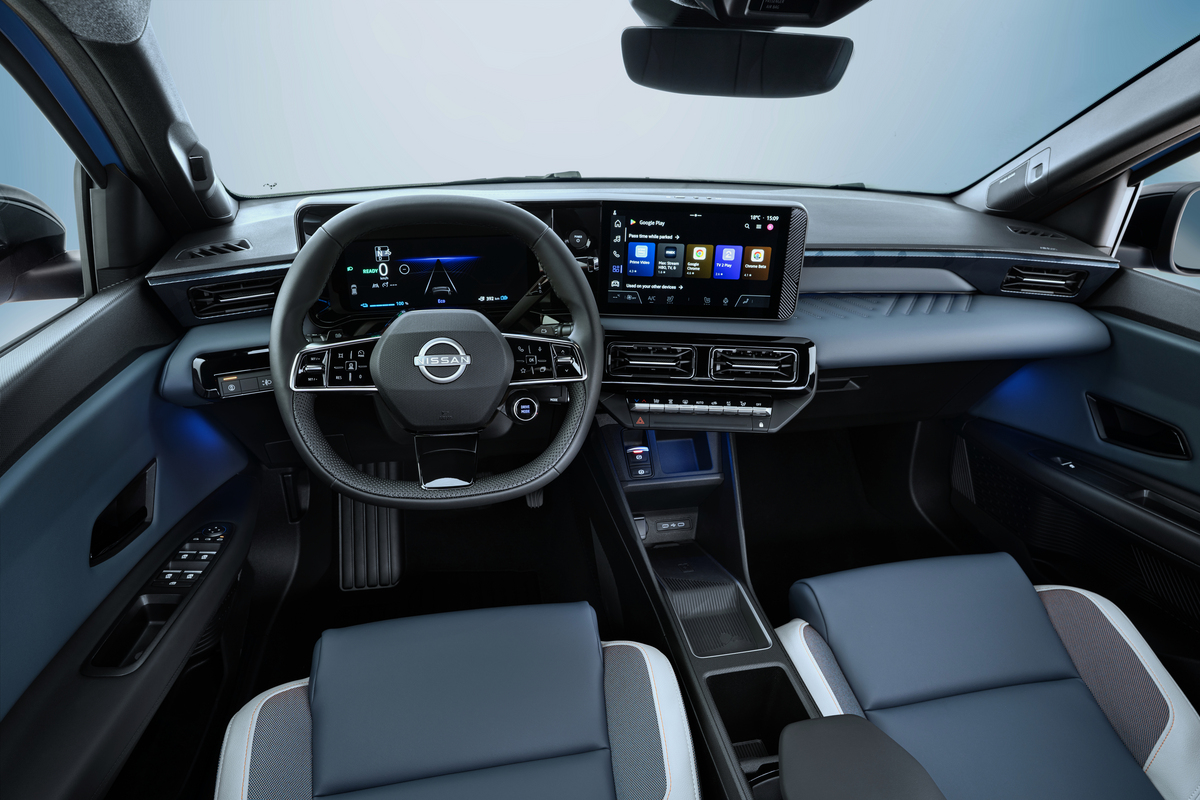
You can recognise dashboard warning lights by specific behaviour. They flicker or come on spontaneously. This often points to a problem with the power supply or a defective sensor. With the Nissan Micra this occurs regularly. Warnings about a fault in the 12V power supply often appear at the same time. 12V is the voltage at which most of the electronics in your car operate. These messages usually point to problems with the battery management system. This system monitors and controls the charging and discharging of the battery.
An important culprit is the tailgate switch. You will find it in the boot. This switch can fail. It then causes a parasitic drain. This drains the battery. The tricky part is that when you test the switch with a multimeter it often still appears to be fine. A contact resistance, however, reveals the real problem. Replacing this switch costs around 90 euros. This prevents you from regularly ending up with a flat battery.
The engine ECU can also send incorrect signals to sensors. ECU stands for Engine Control Unit, the engine management computer. This results in various warning lights on the dashboard. Check fault codes with an OBD scanner. OBD means On-Board Diagnostics; this is a system that allows you to read fault codes from the car. This lets you identify the exact cause. Pay particular attention to code P1220. This engine fault code points to a defective accelerator pedal sensor.


Problems with the infotainment system
The Nissan Micra’s infotainment system cuts out intermittently. This system includes radio, navigation, Bluetooth connection and touchscreen. The radio suddenly switches off. The system no longer responds to touches on the touchscreen. This problem is often linked to wider electrical faults in the car. It occurs more often than you might expect.
The cause usually lies in poor earth connections. Loose plugs behind the dashboard are also common. Check that all connections are properly secured. Also check for visible corrosion on the connectors. A temporary solution is to reset the system by disconnecting the battery for a few minutes. This does not fix the underlying cause.
Persistent problems sometimes remain. A software update for the infotainment system can then offer a solution. Contact a Nissan dealer. Check whether updates are available for your model. Some owners report that the problem occurs less frequently. This happens after a software update.
Sensor faults affecting the engine
The Nissan Micra regularly suffers from defective sensors. These affect engine performance. The mass airflow sensor is a very common culprit. This sensor measures the amount of air entering the engine. It sends this information to the engine ECU. When the mass airflow sensor is defective, the engine then runs unevenly. It responds sluggishly to the accelerator.
Test the mass airflow sensor by first disconnecting the battery. This resets the ECU, the engine computer (Engine Control Unit) that controls all the sensors. Then unplug the connector from the mass airflow sensor. Start the engine. Pay attention to whether the engine now runs better. If it does, the sensor is the problem. Replacement costs between 100 and 200 euros. The exact amount depends on the model.
Another very common fault concerns the air conditioning pressure sensor. This sensor monitors the pressure in the air conditioning system. It causes engine faults. These resemble problems seen with comparable Renault engines. The engine cuts out intermittently. This happens without any clear reason, for example when stationary at traffic lights. Check this sensor if you have engine issues. Do this especially if you also have problems with the air conditioning.
‘ Never try using a fuse with a higher amperage. ’
Checking wiring and fuses
Many electrical faults in the Nissan Micra are caused by ageing wiring. Damaged wiring is also very common. Particularly in older models the insulation on wires can become brittle. This leads to short circuits. Visually check the wiring for cracks and wear. Also look for signs of heat damage.
Fuses regularly blow. This happens when there is an electrical problem in the circuit they protect. The Nissan Micra has two fuse boxes. One is located in the cabin and one in the engine bay. In the owner’s manual you will find an overview. This shows which fuse serves which function. Always replace a blown fuse with one of the same amperage. Amperage is the current the fuse can handle before it blows.
Suppose you fit a new fuse. It blows again immediately. Then there is a bigger problem. Seek professional help. A mechanic can trace short circuits in the system. Never try using a fuse with a higher amperage. This can cause a fire.
Preventive maintenance avoids many problems
Regular maintenance minimises the risk of electrical faults. Examples include having the battery, wiring and software checked annually. During the annual service have the battery checked. Also have the charging system inspected. A weak battery can cause all kinds of electrical problems. These seem to have nothing to do with the battery itself.
When buying second-hand, pay specific attention to the following points:
- Operation of all electric windows
- Unlocking of the tailgate
- Dashboard lighting and warning lights
- Infotainment system and radio
- Air conditioning operation and cooling performance
- Battery condition and charging voltage
For used cars it is wise to opt for models with the naturally aspirated 1.0 engine. Naturally aspirated means that the engine operates without a turbocharger or supercharger and draws in air in a natural way. This engine has fewer electronic components. It therefore generally causes fewer electrical problems. The newer turbo engines cause faults more often.
When professional help is needed
Some electrical faults require specialist knowledge. Examples include diagnosing complex ECU problems. Special tools are also needed, such as oscilloscopes and professional OBD scanners. If, for instance, the power steering suddenly fails, have it checked immediately. The Nissan Micra’s electric power steering can stop working without warning. This can lead to dangerous situations.
Persistent problems with the engine ECU do occur. In that case professional diagnosis is essential. Forums report that ECU repair is often more effective than complete replacement. The repair is significantly cheaper. Specialist companies can read out the ECU. They repair it. They then reprogramme it.
Professional help is also advisable for complex wiring problems. An example is a shorting main cable or an intermittent fault in the CAN bus. An auto electrician has the right measuring equipment. They can trace parasitic drains and short circuits. This saves you hours of searching. It prevents you from replacing parts unnecessarily.
On the Carnews website you will find many more practical insights. You can read about common car problems. Maintenance advice is also covered. In addition, we offer tips for various car brands. Take a look at our articles on Nissan models for more technical details and owner experiences.
Frequently asked questions
The most common electrical faults on the Nissan Micra are problems with the engine ECU and sensors (such as accelerator pedal sensor P1220, mass airflow sensor and air conditioning pressure sensor), which cause juddering, stalling and poor throttle response. In addition, faults in the tailgate switch are common, leading to a boot lid that will not open and parasitic drain that flattens the battery. Electric windows regularly cause problems (not opening/closing, jamming or dropping down on their own) and the electric power steering can fail with various fault codes. Faults in the 12V power supply and radio/infotainment are also reported frequently.
Common causes of electrical problems on the Nissan Micra include defective sensors (such as the mass airflow sensor, accelerator pedal sensor and air conditioning pressure sensor), ECU faults, a defective tailgate switch and wear in the window mechanisms. You can recognise sensor and ECU problems by a juddering engine, hesitation when accelerating, poor idling, fault codes (such as P1220) and sometimes the engine stalling. A defective tailgate switch is noticeable through a boot lid that does not open (properly), an audible click without unlocking and sometimes an unexplained flat battery due to parasitic drain. Defective window mechanisms can be recognised by windows that no longer move, get stuck, make strange noises or suddenly fall down.
You can start by reading fault codes with a simple OBD scanner to get an initial idea of possible errors (such as sensor or ECU problems). Then check the battery and terminals for corrosion and make sure they are firmly secured, and see whether there is any parasitic drain (for example from a defective tailgate switch). Visually inspect simple sensors and, where possible, test them with a multimeter (such as the mass airflow sensor or tailgate switch), and check that plug connections are properly seated. Write down all symptoms (when the fault occurs, dashboard warning lights, noises) so you can go to the garage with more targeted information.
Regularly check the battery, cables and earth points for corrosion and make sure the battery stays well charged to prevent voltage spikes and starting problems. During servicing, have the ECU checked for fault codes so that early problems with sensors (such as the mass airflow sensor, accelerator pedal sensor and air conditioning pressure sensor) are dealt with in good time. Periodically inspect the tailgate switch and interior lighting for sources of parasitic drain that can slowly flatten the battery. Lubricate and test window mechanisms and electric locks regularly so that they do not seize up and overload the electrical system.
Yes, there are a few electrical components in the Nissan Micra that are known to be vulnerable. The tailgate switch (in the boot) in particular often causes problems and can even create a parasitic drain that flattens the battery. The mass airflow sensor, accelerator pedal sensor (P1220) and the air conditioning pressure sensor are also known to be prone to faults. In addition, electric windows and the electric power steering give relatively frequent problems.