
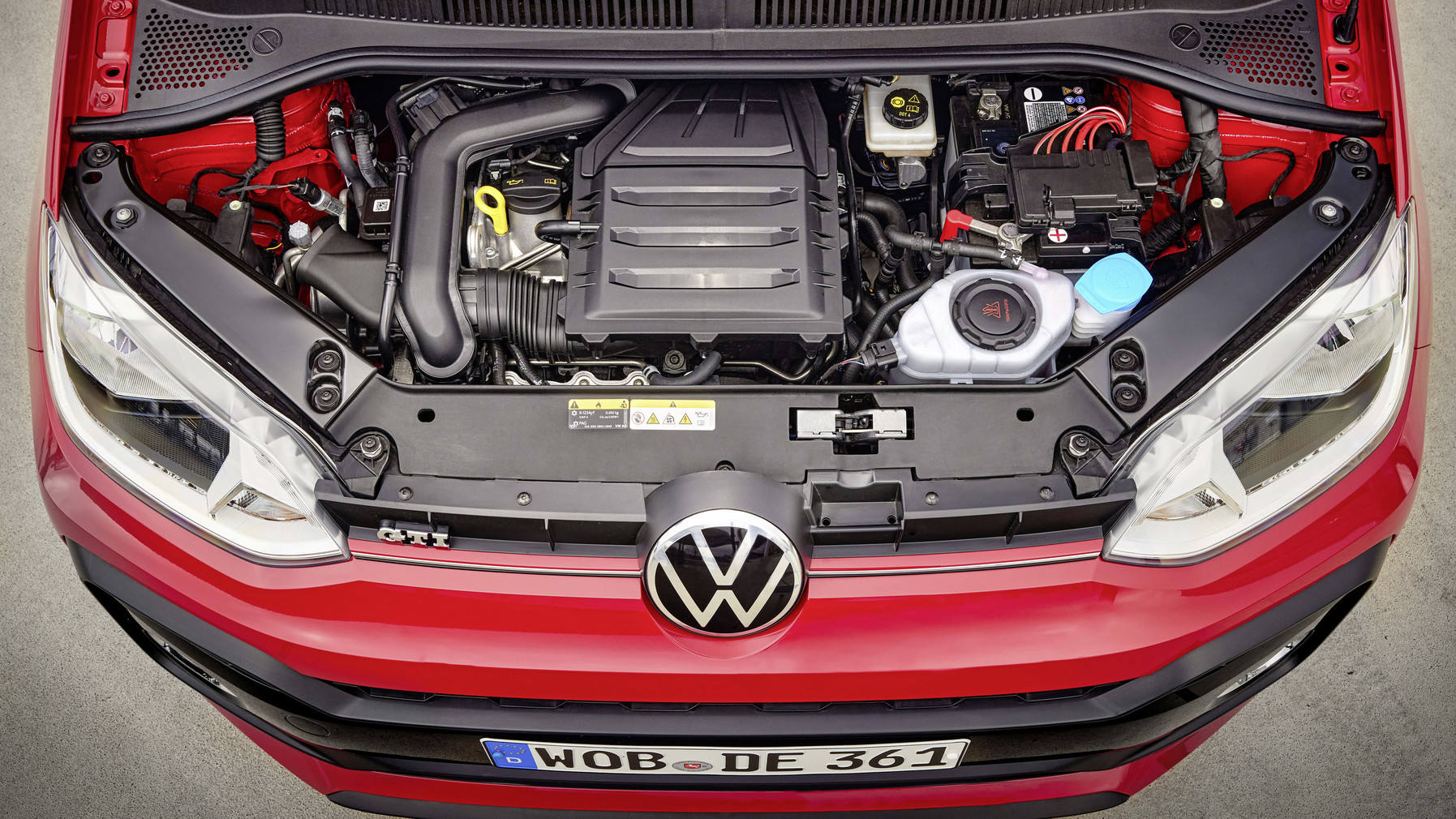
An illuminated engine management light in the Volkswagen Up usually points to problems with the lambda sensor, an incorrect air–fuel mixture or faulty sensors, but fortunately diagnosis is often simple and many faults are relatively inexpensive to fix. This orange light on your dashboard is not an immediate reason to panic, but it does require action to prevent costly consequential damage. Discover what this warning light means and how to respond sensibly.
Why does the light come on?
The engine management light warns of a fault in the engine, exhaust systems or related components. In the compact petrol car such as the Volkswagen Up with small 1.0-litre three-cylinder engines, certain causes occur more often. These causes are very specific to this type of engine. A light that stays on continuously points to a non-critical fault. A flashing light indicates serious problems, such as misfires. In the latter case you must act immediately to prevent damage to the catalytic converter.
The small engines in the Up are prone to contamination, especially due to urban driving. Short trips accelerate wear of sensors and ignition components. Irregular servicing speeds up this process. Owners frequently report lambda sensor problems after around 80,000 kilometres or ignition problems when maintenance is delayed.
Common causes in the Up
A loose or defective fuel cap is a very common cause. This accounts for 20 to 30 per cent of all engine management lights. That sounds simple. However, a cap that is not properly clicked tight leads to an evaporation leak in the fuel system. You will often smell fuel and the light appears shortly after refuelling. Click the cap on firmly and drive a few kilometres; the light may then go out by itself.
A faulty lambda sensor measures the oxygen in the exhaust gases and controls the fuel mixture. If it fails, your fuel consumption will increase. The engine may also run unevenly. Ignoring this problem causes damage to the catalytic converter. This damage is caused by an incorrect ratio between air and petrol. Replacement usually costs between 100 and 200 euros.
Other frequent causes are:
- Faulty mass air flow sensor (MAF) that measures the air flow. This can cause the engine to hesitate or use more fuel.
- Worn spark plugs or ignition coils. These cause misfiring and loss of power.
- Contaminated throttle body due to soot build-up from short journeys
- Sensor or wiring faults without noticeable symptoms
What to do when the light is on
Stop immediately and safely if the light is flashing. A flashing warning light indicates misfires. These misfires can literally melt the catalytic converter. Switch the engine off and call roadside assistance. If the light is on continuously you may continue driving, but keep the distance short and avoid high revs.
Start with simple checks. Only then go to the garage. Check whether the fuel cap is properly tightened. Measure the engine oil level, as a level that is too low can cause related faults. Also think about whether you have recently refuelled at an unfamiliar station. Moisture or contaminated fuel can cause temporary problems.
Reading codes with an OBD2 scanner
All petrol cars from 2001 onwards have an OBD2 connector under the dashboard. This is a diagnostic port that gives access to the engine control unit. You connect a scanner to it that reads the fault codes from the engine computer. Cheap scanners start at 20 euros and will show the code. Examples are P0420 for catalytic converter problems or P0171 for a mixture that is too lean.
With this code you know exactly which system is reporting the problem. You can look the code up yourself or take it with you to the garage for further diagnosis. Only reset the light after repair. Otherwise it will come back as soon as the system runs its checks again. Temporary faults can disappear by themselves after a few drive cycles. Recurrence calls for professional help.
‘ If it comes back straight away, the problem is still there or the repair has not been complete. ’
How to reset the light
You reset the engine management light by using the OBD2 scanner after fixing the fault. Some owners try disconnecting the battery. However, this also erases other important settings such as radio presets and adaptive driving values. This method also does nothing if the underlying fault is still present.
First repair the cause. Then reset the light. The system automatically performs checks while driving. If the fault has really been resolved, the light will stay off. If it comes back straight away, the problem is still there or the repair has not been complete.
What the EPC light means
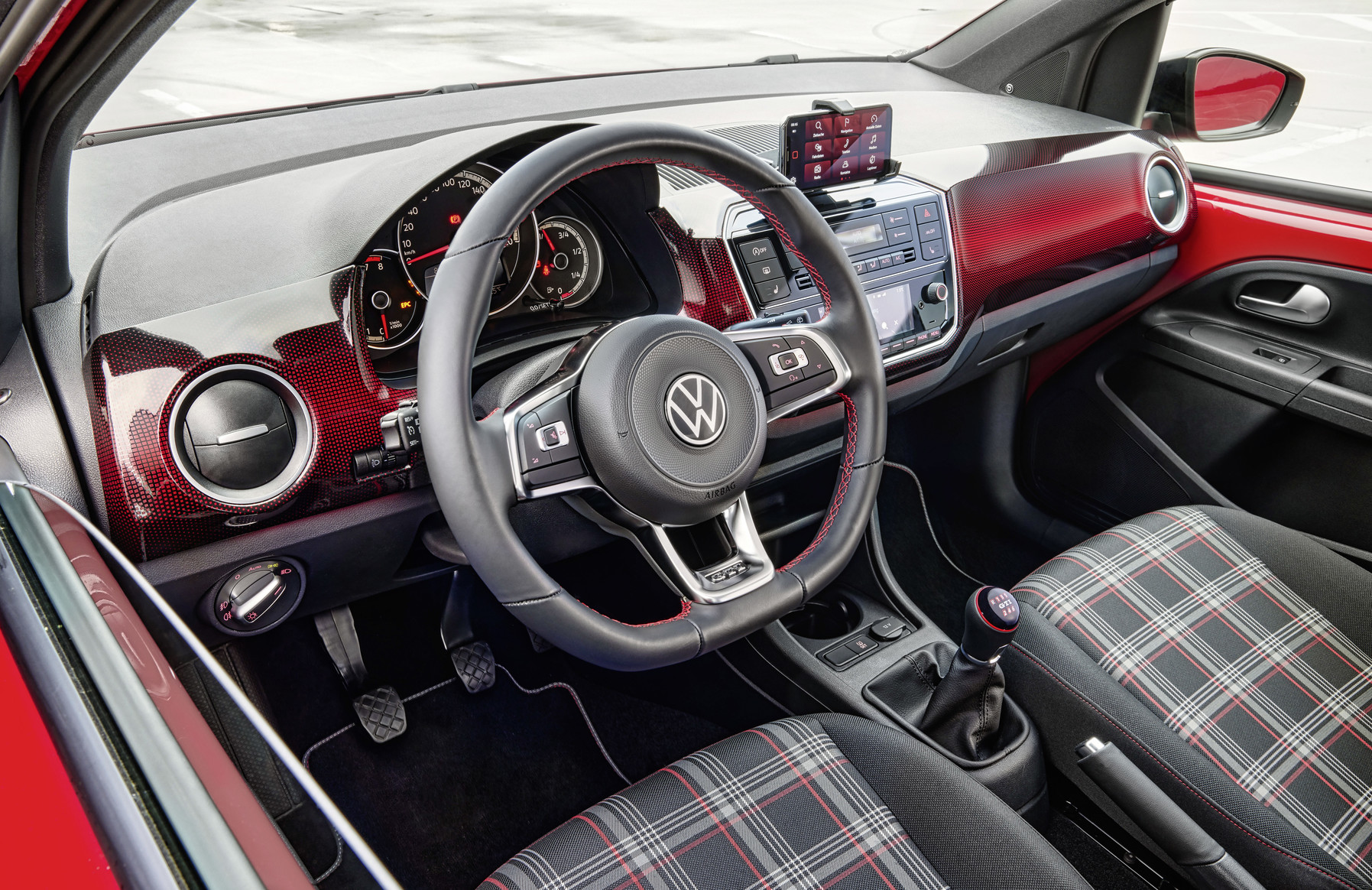
The EPC light stands for Electronic Power Control. This light sometimes appears together with the engine management light. This warning light indicates a problem with the electronic engine control. Examples include the accelerator pedal, the throttle body or the engine management system. The Up will then often switch to a limp-home mode in which power is limited.
Possible causes with EPC problems are varied. A faulty accelerator pedal sensor, contaminated throttle body or fault in the engine electronics are among the most common. A battery voltage that is too low can also turn the light on. You can usually continue driving, but power is heavily reduced. Have this checked quickly. Driving in limp mode for a long time risks an MOT failure.
Preventive maintenance prevents problems
You can prevent many engine management lights by regular maintenance. Replace spark plugs every 60,000 kilometres according to the service schedule. For the small three-cylinder in the Up this is important, because worn spark plugs quickly lead to ignition problems.
Clean the intake system and throttle body regularly, especially if you drive mainly in town. Short trips cause soot build-up. This soot build-up can contaminate sensors and valves. Wherever possible, fill up with quality fuel from well-known brands. Cheap fuel with lots of additives can contaminate sensors more quickly.
Have the engine management system read once a year. This also applies if no light is on. Gradual faults are detected at an early stage this way. They are then not yet serious. This prevents expensive repairs such as catalytic converter replacement costing over 1,000 euros.
‘ A faulty catalytic converter is one of the more expensive repairs. ’
Costs of diagnosis and repair
Diagnosis at the garage usually costs between 30 and 75 euros. Many garages deduct this amount from the bill if you go ahead with repairs. For the Up many faults can be fixed at reasonable cost. Replacing a lambda sensor including labour costs around 150 to 250 euros. Replacing spark plugs is between 50 and 100 euros depending on whether you do it yourself or have it done.
A faulty catalytic converter is one of the more expensive repairs. The costs quickly range between 800 and 1,500 euros. A new mass air flow sensor costs between 100 and 200 euros, excluding fitting. Replacing ignition coils costs around 80 to 150 euros per coil. Many owners choose Bosch parts because they are reliable and match Volkswagen’s specifications well.

When to go to the garage
If the light is flashing or appears together with other warning lights, go to the garage immediately. Professional diagnosis is also needed if you notice symptoms. Examples of symptoms are loss of power, misfiring or increased fuel consumption. A garage has advanced diagnostic systems that can look deeper into the engine management than a simple OBD2 scanner.
Does the light stay on continuously without clear symptoms? Then you have a bit more time. However, do not postpone a visit for weeks. For the MOT a lit engine management light is not acceptable. Postponement can therefore lead to a failed test. A small fault can also grow into a major repair, which will then be more expensive.
At Carnews you can find much more information about common car problems, maintenance tips and practical solutions for different makes and models. Discover useful articles that help you maintain your car properly and prevent costly repairs.
Frequently asked questions
If the engine management light is on continuously but the car drives normally, you can usually continue driving calmly, but you should have the fault read and fixed as soon as possible. If the light starts flashing, you clearly notice loss of power or the engine misfires, then stop as soon as you can in a safe place and do not drive on, to prevent engine damage. First check simple things yourself, such as the fuel cap and the oil level. If the light stays on, ideally have a garage or roadside assistance read the fault codes straight away.
Common causes in a Volkswagen Up! include a loose or defective fuel cap, a faulty lambda sensor, problems with spark plugs or coils (ignition), a contaminated mass air flow sensor or throttle body, and various sensor or wiring faults. Watch out for signs such as increased fuel consumption, rough or uneven idling, misfiring or loss of power, black smoke or a strong smell of petrol. A light that is on constantly usually indicates a less urgent fault, but a flashing engine management light often points to serious misfires and possible damage to the catalytic converter. In some cases you will notice little change in how the car drives, so the light itself is the most important warning signal.
First check whether the fuel cap is properly tightened (turn it until it “clicks” several times) and see whether the engine management light goes out after a few trips. Then check the oil level and coolant level, and listen to whether the engine runs unevenly or misfires (in that case do not continue driving). If you have one, connect a simple OBD2 scanner to read out the fault codes and note them down for the garage. If the light flashes or the car clearly has less power (limp-home mode), stop immediately and do not continue trying to diagnose it yourself, but call for assistance.
For a Volkswagen Up! a universal OBD2 scanner (for example a Bluetooth dongle such as OBDLink LX/MX, Vgate iCar or a reliable ELM327 adapter with apps like Car Scanner, OBDeleven or Torque Pro) is usually sufficient; if you want to go deeper into VAG-specific systems (ABS, airbag, comfort modules) then VCDS (cable + laptop) or OBDeleven (for Android/iOS) is recommended. After connecting to the OBD port (usually under the dashboard on the driver’s side) you read out the fault codes, which appear as “P0xxx/P1xxx” (engine/emissions) or make-specific codes. You then look up each code in the app, in the supplied database or online (for example “P0420 VW Up”); there you will find a description (e.g. catalytic converter efficiency low) and often possible causes. Only clear fault codes after you have dealt with the underlying problem, and note the codes beforehand so you can trace them later if the fault returns.