

Engine vibrations and performance issues are a clear sign that something is not right under the bonnet. These problems usually arise from ignition issues, worn engine mounts or imbalances in the drivetrain (the system that transfers power from the engine to the wheels). Contamination in the air and fuel system can also be the cause. Not sure where the vibration is coming from? Then a targeted diagnosis can save you a lot of frustration and unnecessary repairs.
Why does my engine vibrate while driving?
A vibrating engine can have several causes. Sometimes you feel the vibration when stationary, sometimes while driving. Sometimes it only occurs at certain speeds. The problem is often in the engine itself, but it can also be caused by parts in the drivetrain or the suspension.
Common causes include worn spark plugs, weak ignition coils, faulty engine mounts or dirty injectors. In diesel engines, EGR contamination (Exhaust Gas Recirculation, a system that returns exhaust gases to reduce emissions) and intake problems play a more frequent role. A dual-mass flywheel or unbalanced wheels can also cause vibrations that feel like engine problems.
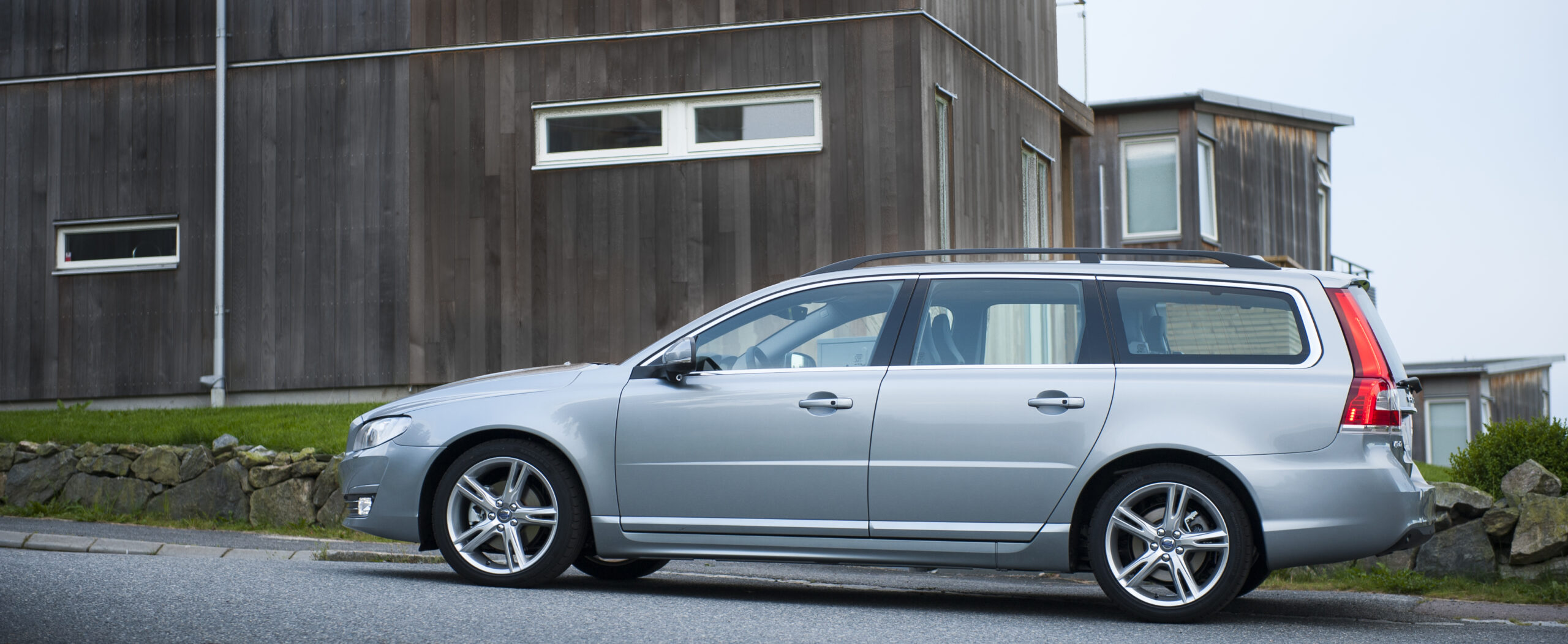
Vibrations on the motorway regularly occur with older models such as the Volvo V70. In those cases, engine mounts, shock absorbers and driveshafts often play a role. That is why it is important to determine carefully whether the vibration occurs while stationary or specifically while driving.
Recognising engine vibrations and loss of performance
Engine vibrations and performance problems can be noticeable in several ways. Typical signs are:
- Vibrations while idling
- Jolts when pulling away or changing gear
- Reduced power or hesitant acceleration
- Irregular engine noise or engine speed
- Vibration that increases at a certain engine speed
- Thumping or rattling sensation when starting or switching off the engine
In some cars it feels as if the engine is running on fewer cylinders, but the car still drives. In other cases the problem only occurs under load, for example when overtaking or driving uphill.
Difference between engine vibrations and driving vibrations
Pay close attention to when the vibration occurs. A vibration that is only noticeable when stationary usually points to an engine problem. Think of ignition issues, vacuum leaks or worn engine mounts.
Vibrations that arise while driving can also be caused by wheels, tyres, driveshafts or suspension. If your steering wheel or floor mainly vibrates at certain speeds, the cause is often outside the engine.

Common causes of engine vibrations
Ignition problems in petrol engines
In petrol engines, worn spark plugs, weak coils or faulty ignition leads are a very common source of vibrations. These components ensure that the fuel ignites in the cylinders. If one or more cylinders are not working properly, a misfire occurs which you immediately feel as a vibration.
Recognisable signs are an irregular idle speed, increased fuel consumption and sometimes an illuminated engine warning light. If the spark plugs are old or the service history is unclear, start by checking those.
Fuel supply and injectors
Dirty injectors, a weak fuel pump or a clogged fuel filter disrupt the fuel supply. As a result, the engine receives a mixture that is too lean or too rich, which leads to jerky driving and hesitation when accelerating.
This problem occurs more often in cars that mainly make short trips. Fuel pressure and fuel system cleaning are then less effective, so contamination builds up faster.
Air intake and vacuum leaks
A leak in the intake system disrupts the air-fuel ratio. This can be due to a split hose, a faulty mass air flow sensor or a dirty throttle body. The result is a fluctuating engine speed, slower response to the accelerator and sometimes a hissing sound.
Check rubber hoses, hose clamps and intake rubbers for cracks. Small leaks have a big impact on engine behaviour without being immediately visible.
Engine mounts and vibration damping
Engine mounts connect the engine to the bodywork and absorb vibrations. When these mounts wear out, vibrations are transmitted directly to the steering wheel, seat and floor. This is a well-known source of vibrations in older cars.
A mount can be weakened internally without visible cracks on the outside. You notice it by a jolt when starting or switching off the engine and by an engine that moves visibly more than normal.
EGR contamination and diesel issues
In diesel engines, EGR contamination, carbon deposits in the intake or poorly functioning turbo control often cause rough running. This can lead to loss of power. This problem occurs mainly in cars that frequently make short journeys in town.
Recognisable signs are vibrations at low engine speed, a sooty exhaust and an engine that responds slowly when accelerating. Regular cleaning of the EGR system and intake tract can prevent this.
Dual-mass flywheel and clutch problems
In cars with a manual gearbox, wear on the dual-mass flywheel can lead to vibrations, rattling and juddering when pulling away. The flywheel dampens vibrations from the engine towards the gearbox. When it is worn, you feel it directly in the drivetrain.
This problem usually develops gradually. Early signs are subtle vibrations when idling and a rattling sound when switching the engine off.
How can I diagnose engine vibrations effectively?
A smart diagnosis starts with reading fault codes using an OBD scanner (On-Board Diagnostics scanner, a device that reads fault codes from the car). These codes often quickly point you in the right direction for ignition faults, mass air flow issues or EGR malfunctions. In addition, the service history is important: when were spark plugs, filters or engine mounts last replaced?
Pay close attention to when the vibration occurs. Does it happen only at idle or specifically while driving? Does it only occur when the engine is cold, or only when it is warm? And is there a specific engine speed at which the vibration becomes stronger? These questions help you pinpoint the cause more accurately.
Visual checks and simple tests
Inspect hoses, connectors, engine mounts and vacuum lines for cracks and loose connections. Also check whether the idle speed is stable and whether any ticking, rattling or irregular engine noise can be heard.
Test the car under load by accelerating firmly or driving uphill. Some problems only show up when accelerating or under heavy load. If the car runs smoothly while stationary but vibrates while driving, the cause is probably in the wheels, suspension or drivetrain.
‘ If the vibration disappears while coasting or braking, the cause is almost certainly outside the engine. ’
What causes vibrations on the motorway?
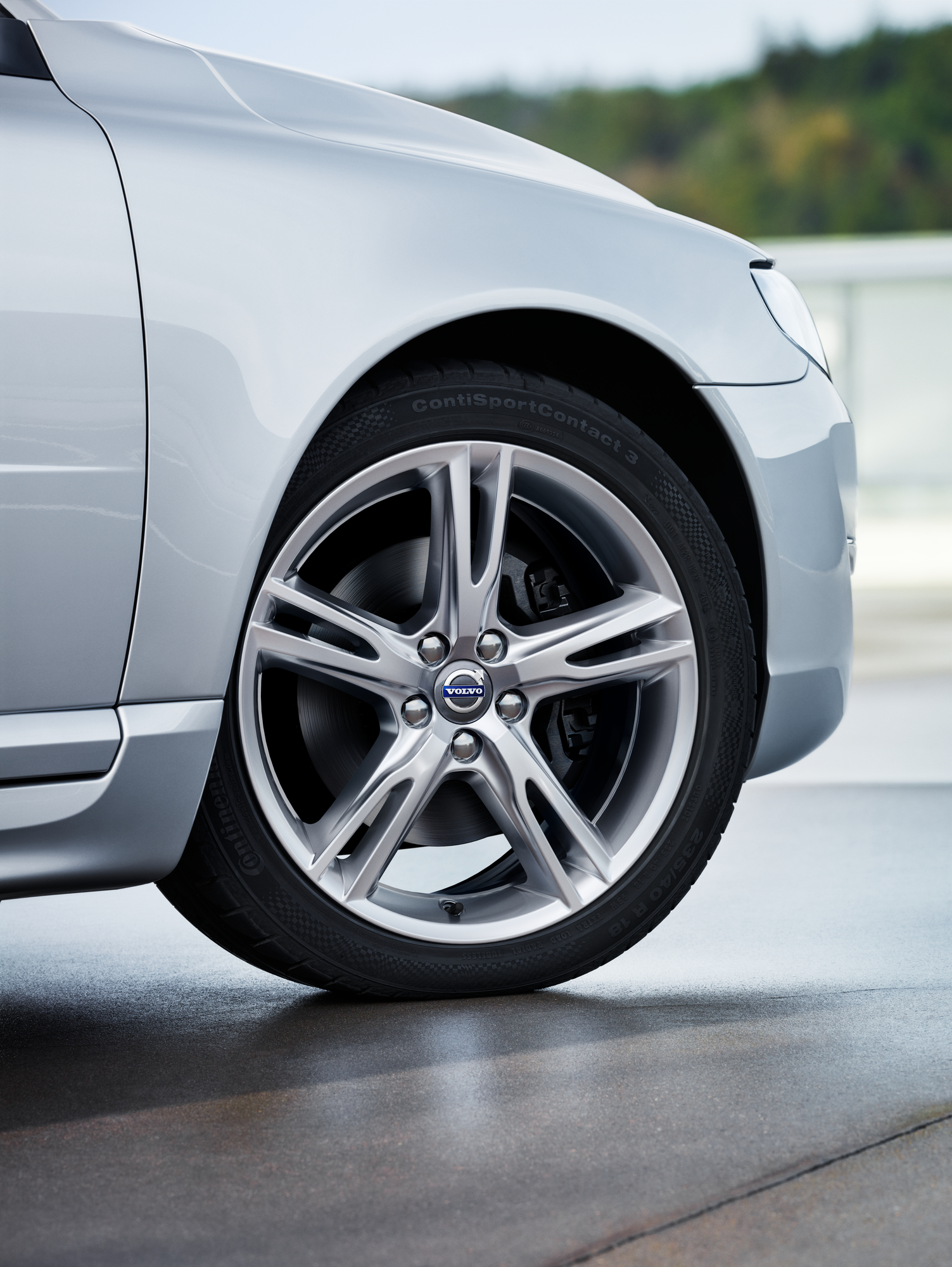
Vibrations that mainly occur at higher speeds usually do not come directly from the engine. In most cases the cause lies with wheels, tyres, rims or driveshafts. Unbalanced wheels, faulty CV joints or a bent rim produce a rhythmic vibration that increases with speed.
Shock absorbers also play a role. Worn shock absorbers can amplify vibrations and cause unsettled handling at higher speeds. Poor wheel alignment or uneven tyre pressures can also cause vibrations in the steering wheel.
If the vibration disappears while coasting or braking, the cause is almost certainly outside the engine. In that case, have the wheels balanced and the suspension checked.
How much does engine diagnostics cost?
The cost of engine diagnostics varies. A simple OBD scan at a garage usually costs between 30 and 60 euros. The fault codes are read out and briefly discussed.
More extensive diagnostics, including visual inspection, measurement and testing, cost between 80 and 150 euros. This depends on the complexity of the problem and the time needed to identify the cause.
Repair costs vary greatly depending on the cause. Replacing spark plugs or an ignition coil costs from several tens to a few hundred euros. Replacing engine mounts usually costs between 150 and 400 euros. Replacing a dual-mass flywheel or injectors is more expensive and can rise to 800 euros or more.
Are engine vibrations dangerous?
Engine vibrations are not always immediately dangerous, but they are a sign that something is not working properly. If you ignore the vibrations, the underlying problems can get worse. A small ignition fault can lead to damage to the catalytic converter. Worn engine mounts can put extra strain on other components.
There are situations where you should go to a garage quickly. Go straight away if the engine warning light flashes, if the engine clearly loses power, if there are strong jolts or thumps, or if you notice a smell of fuel or abnormal smoke. These signs point to more serious problems that can cause damage.
In most cases engine vibrations are not an acute danger, but they are a good reason to have the problem investigated. Early diagnosis prevents major repairs and ensures a reliable car.
‘ Small cracks or sagging are often noticeable before they cause severe vibrations. ’
Prevention and maintenance tips
Regular maintenance prevents many vibration problems. Replace spark plugs and air filters according to the manufacturer’s maintenance schedule. Check engine oil and fluids for level and quality. Worn or contaminated oil increases the risk of internal engine problems.
In diesel engines, cleaning the EGR system and intake tract is important, especially if the car makes many short journeys. Have the fuel filter replaced regularly and consider periodic injector cleaning.
Check engine mounts during routine services. Small cracks or sagging are often noticeable before they cause severe vibrations. Also keep tyres, rims and suspension in good condition to prevent vibrations originating outside the engine.
Discover more about car problems and maintenance
On the Carnews website you will find much more information about engine problems, maintenance and practical tips for car enthusiasts. Whether you want to know how to carry out small checks yourself or are looking for more insight into specific car problems, there is a wide range of articles ready for you.
Frequently asked questions
The most common “symptoms” of problematic engine vibrations are noticeable vibrations in the steering wheel, seat or dashboard (especially at idle), irregular or fluctuating idle speed, and jolts or hesitation when pulling away or changing gear. You recognise it by an engine that audibly runs unevenly, sometimes sounding as if it is running on fewer cylinders, and by vibrations that clearly get worse at a certain engine speed. Reduced pulling power, hesitation when accelerating and higher fuel consumption can also occur. Pay attention to whether the vibration only occurs when stationary or mainly while driving, because that says a lot about the cause.
Unusual engine vibrations can indicate misfires, problems with fuel or air supply or worn engine mounts, causing the engine to run unevenly and deliver less power. You notice this as jerky acceleration, slow throttle response and a car that pulls away or overtakes less briskly. Worn mounts or a disturbed drivetrain can transmit vibrations directly to the steering wheel and body, reducing ride comfort and stability. Persistent vibrations can also cause extra wear to engine and drivetrain components, which reduces long-term reliability.
Underlying causes that can produce both engine vibrations and loss of performance include ignition problems (worn spark plugs/coils), faults in the fuel supply (dirty injectors, weak pump or clogged filter) and air intake or vacuum leaks. In addition, contamination or faults in the EGR/turbo/intake system in diesels and a worn dual-mass flywheel or engine mounts can cause similar complaints.
Regular maintenance of spark plugs, coils, filters and injectors prevents misfires and rough running. Check and replace air and fuel filters in good time and keep the intake, throttle body and EGR system clean to avoid contamination and a disturbed air-fuel ratio. Inspect rubber hoses and vacuum lines for leaks and cracks so that no false air is drawn in. Also have the condition of engine mounts, dual-mass flywheel and drivetrain checked periodically to limit mechanical vibrations.
It is necessary to consult a specialist immediately if the engine warning light (especially if it is flashing) comes on or the engine clearly seems to be running on fewer cylinders. You should also stop driving and seek help if there is sudden severe loss of power, heavy jolts or thumps while driving or changing gear. If you notice a smell of fuel or combustion, unusual smoke or loud rattling/metallic noises, continuing to drive is risky and professional diagnosis is required. Also contact a specialist straight away if the vibrations suddenly become much worse or the car feels unsafe.