
Diesel engines with TDI technology (Turbocharged Direct Injection) built before 2005 often suffer from electronic problems. These issues lead to vibrations, loss of power and an illuminated engine warning light. Such faults are often difficult to trace. They range from defective sensors to problems with the turbo or fuel system. Ignoring these warnings can result in costly damage to the engine and turbo. Find out what the engine warning light actually means and how to diagnose these faults.
What exactly does the engine warning light mean
The engine warning light is also known as the check engine light. It comes on when your car’s diagnostic system has stored fault codes. These codes point to irregularities in sensors, the fuel system or exhaust components. In TDI engines such as the 1.9 TDI and 2.0 TDI this light appears often due to the complex design of the turbo system and emission equipment.
The light appears in three ways. A steady amber glow means that there is a fault stored in memory, but there is no immediate danger. A flashing light indicates a serious problem such as limp-home mode. The car then loses power to prevent damage. If the light does not come on at all when starting, the bulb itself or the wiring is defective.
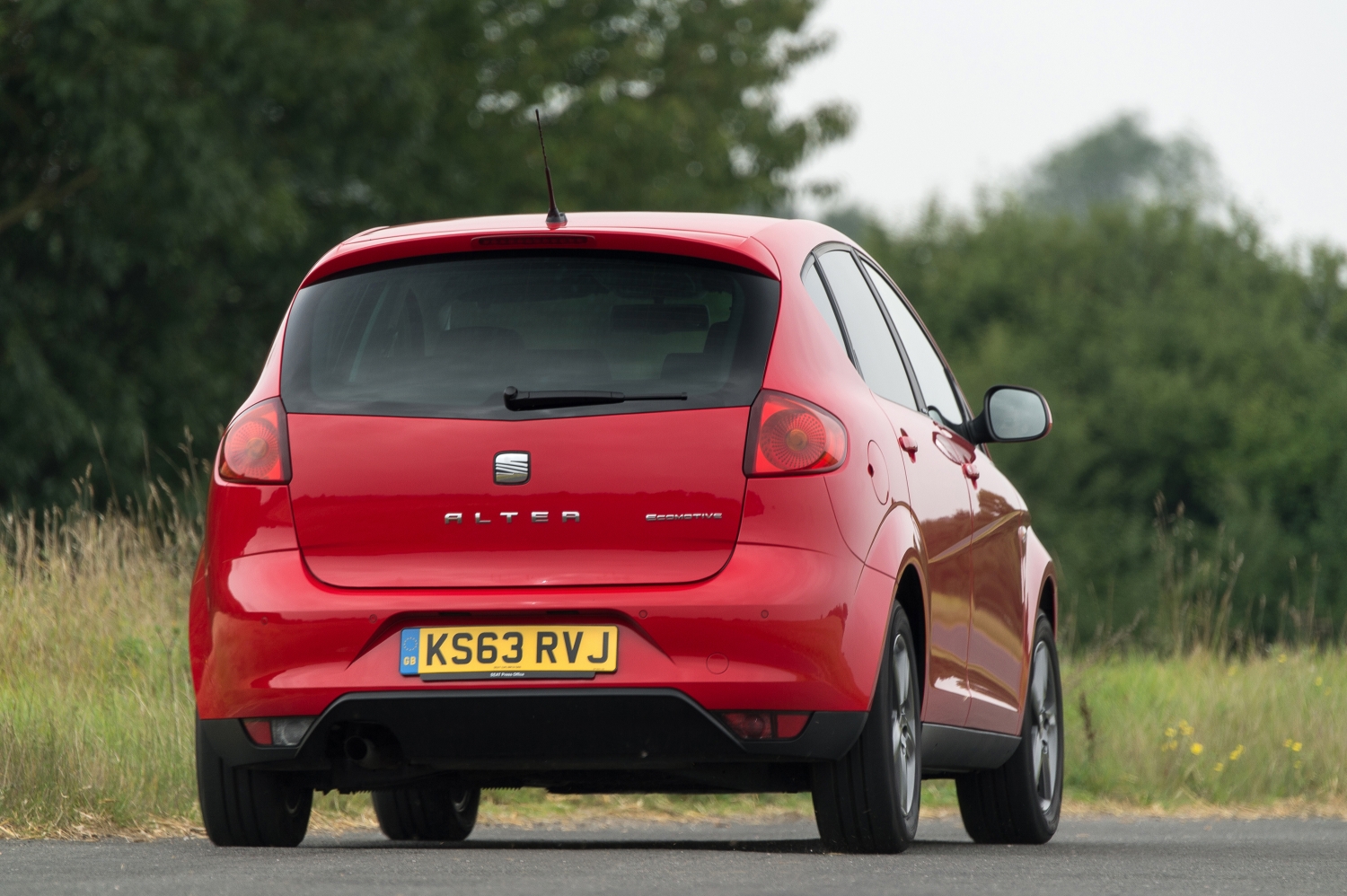
In models such as the Seat Altea with 1.9 or 2.0 litre TDI engines, these fault messages occur frequently after 150,000 kilometres. This is due to wear in electronics and exhaust components.
Common causes of electronic faults
TDI engines are prone to specific electronic faults. The causes are often a combination of complex technology and ageing components.
Sensor failure and cable damage
Defective sensors are a common cause of an illuminated engine warning light. In TDI engines this often involves the lambda sensor, temperature sensors or the MAF sensor. This MAF sensor (Mass Air Flow) measures the amount of air flowing into the engine and is essential for the correct fuel–air ratio. Cable damage caused by corrosion or water ingress also triggers fault codes. This problem is particularly common in older models due to wear of rubber grommets and cable pass-throughs.
Fuel system failures in TDIs
Problems with injectors or the high-pressure pump immediately trigger fault codes in the system. This causes limp-home mode, in which the car operates with greatly reduced performance to prevent further damage. Common symptoms include:
- Jerky acceleration or vibrations while driving
- Loss of power, especially at higher revs
- Black smoke from the exhaust
- Higher diesel consumption than normal
Turbo and preheating system faults
A flashing preheating light on the 1.9 TDI indicates a fault in the turbo system or the glow plug relay. The car then switches to limp-home mode and runs without turbo boost. You are left with the performance of an old naturally aspirated diesel engine. The glow plug relay can fail due to wear, especially after intensive use in cold conditions.
Emission-related problems
Older TDI engines often have problems with the EGR system, particulate filter or catalytic converter. EGR stands for Exhaust Gas Recirculation and recirculates exhaust gases through the engine to reduce emissions. These components are sensitive to contamination if the car is mainly used for short trips or when lower-quality diesel fuel is used. A clogged EGR valve results in poor engine running and increased emissions, which in turn generates new fault codes.

Recognising symptoms of TDI engine problems
The engine warning light is not the only warning signal. There are also physical signs that point to electronic faults. Vibrations in the steering wheel or while idling are common with defective injectors or a fault in the engine management. You will particularly notice loss of power when pulling away or overtaking. At those moments the turbo is not responding correctly.
Smoke from the exhaust provides additional information. Black smoke indicates incomplete combustion caused by too much fuel, often due to defective injectors. Blue smoke points to oil burning and may indicate turbo problems. White smoke from a warm engine indicates water in the combustion chamber.
Higher fuel consumption without an obvious reason is also a sign of electronic problems. The engine then compensates for incorrect sensor values by injecting more fuel.
How to diagnose engine faults effectively
Modern cars from 2000 onwards have an OBD2 system. OBD2 stands for On-Board Diagnostics version 2 and is a standardised diagnostic system that stores fault codes. With an OBD2 adapter and a smartphone app you can read out these codes yourself. Cheap Bluetooth adapters cost between 80 and 120 euros and work fine for enthusiasts. Make sure you do not simply reset the fault code without fixing the cause, as that does not solve the problem.
Useful steps for self-diagnosis:
- Check whether the light comes on briefly when starting. This is normal test behaviour.
- Scan the fault codes with an OBD2 adapter. Write the codes down for later.
- Search online for the specific fault code and link it to your engine type.
- Visually check the cables and plugs at the sensors. Look for corrosion or damage.
- Test the battery voltage. A weak battery also causes electronic faults.
With TDI engines you should pay particular attention to the glow plug relay, the MAF sensor and the EGR valve. These components are often cleaned or replaced without major cost. Do not continue driving when the car is in limp-home mode, as this prevents damage to the turbo or engine.
‘ Expensive repairs mainly arise from problems that are ignored for too long. ’
Are electronic faults expensive to repair
The costs vary depending on the cause. The cause determines the size of the bill. A simple sensor replacement costs between 50 and 150 euros in parts, plus labour. Replacing a glow plug relay is relatively cheap and including fitting costs around 100 euros. Replacing a defective MAF sensor costs roughly 150 to 250 euros.
Expensive repairs mainly arise from problems that are ignored for too long. A failed turbo caused by driving in limp-home mode for an extended period costs more than 1,000 euros. Replacing injectors on a 1.9 TDI will quickly set you back 400 to 800 euros, depending on how many are defective.
Preventive maintenance saves money because faults are detected earlier. By carrying out regular checks you prevent bigger problems. Use diesel additives regularly for cleaner combustion and have the fuel system cleaned periodically. Keeping an OBD2 logbook helps you to identify patterns. That way you prevent major damage.
Real-world experiences with TDI electronic problems
Owners of TDI engines often report recurring engine warning lights caused by damp wiring or a defective engine management computer after driving through water. With the 1.9 TDI, corrosion in the wiring loom is a well-known problem, especially around the bonnet area where water can penetrate.
Software updates at the dealer resolve emission-related fault codes. Some fault codes are software-related and disappear after an engine management update. Do not simply reset the light without finding the cause. At the periodic inspection (APK) this will result in a fail.
Ignoring warnings for a long time leads to a chain of new problems. A simple lambda sensor fault results in incorrect engine control, which in turn causes wear to the catalytic converter. This significantly increases repair costs.
Prevent problems with regular maintenance
Good-quality diesel fuel significantly extends the service life of the fuel system. High-quality fuel keeps injectors cleaner and improves combustion. Fill up at reputable stations and regularly add diesel additives that keep injectors clean. This prevents contamination and improves combustion.
Check the air filter regularly and replace it according to the service interval. A dirty air filter puts extra strain on the MAF sensor and can cause fault codes. In TDI engines a clean air supply is important for the turbo.
Have the electronic systems read out regularly. This also applies if the warning light is not illuminated. Some fault codes are stored without activating the light. This gives you the opportunity to solve small problems before they escalate.
Would you like to know more about specific car problems, diagnostic tools or preventive maintenance for your model? On Carnews you will find detailed articles for each car brand and engine type, including real-world experiences from other owners and practical maintenance tips. View the overview pages for your make or search for specific fault codes for targeted solutions.
Frequently asked questions
The engine warning light coming on in a TDI engine means that the engine control unit has detected a fault and stored a fault code, usually related to sensors, the fuel system or the exhaust/emission system. A constantly illuminated light indicates a non-urgent but still serious fault that you should have read out with an OBD2 diagnostic tool as soon as possible. A flashing light often points to a more serious problem (such as limp mode with power loss) in which case it is better to pull over calmly and not keep driving. The exact meaning only becomes clear after reading the fault codes.
The most common electronic faults in TDI engines are problems with sensors (such as lambda and temperature sensors or broken wiring), faults in the fuel system (injectors or pump) and defects in the glow system or turbo control. Faults in the EGR/exhaust system and particulate filter also frequently cause fault codes. These faults are registered by the ECU and trigger the engine warning light.
As a first step you can connect an OBD2 diagnostic tool (for example a Bluetooth adapter with app) to read out and note down the fault codes instead of erasing them straight away. Pay attention to how the light behaves: constantly on often points to a sensor or emission problem, while flashing or a light combined with severe loss of power indicates a more serious fault (limp mode) in which case you should not continue driving. You can also easily check things yourself, such as loose plugs on sensors (MAF, EGR), visible cable damage and whether the light briefly comes on with the ignition “on” and then goes out. Then use the read-out result to look up in forums or documentation which component most often fails in your particular TDI and whether you can safely (have it) tested or cleaned yourself.
Yes, there are some specific maintenance tips to reduce electronic faults in TDI engines. Keep wiring looms and plugs dry and clean (especially around sensors, ECU and turbo/EGR control) and regularly check for corrosion or breaks. Use high-quality diesel and replace the fuel filter and air filter on time to prevent contamination of sensors and injectors. In the event of faults, always have the fault codes properly read and rectified instead of only resetting them, and keep the ECU’s software updates up to date.
Ignoring a continuously illuminated engine warning light on a TDI engine can worsen underlying issues with sensors, the fuel system, turbo or exhaust system. The engine may then switch to limp mode (reduced power) and wear or overloading of components will increase. Driving on like this for a long time can result in costly damage, such as turbo or engine failure and blockage or failure of the particulate filter/catalytic converter. In addition, the car may fail the roadworthiness test (e.g. APK/TÜV) due to emission or diagnostic faults.