
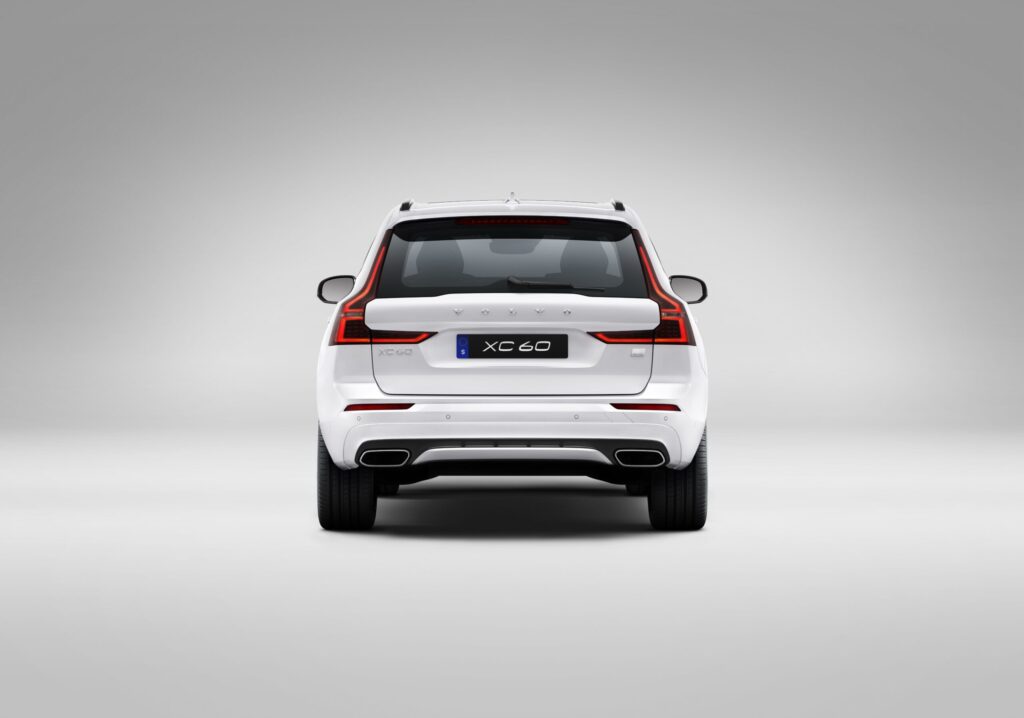
The ERAD clutch (Electric Rear Axle Drive) in the Volvo XC60 T8 Recharge can fail and then causes the message ‘hybrid system service’ on the dashboard, with a real risk of damage to the electric motor. This problem often arises due to wear in the electric rear drive and calls for swift action. What does this mean for you as an owner or buyer?
What is the electric rear drive and what does it do in the XC60 T8?
ERAD stands for Electric Rear Axle Drive. It is the electric drive that powers the rear wheels in the Volvo XC60 T8. This integrated electric motor with a single gear set is located at the rear of the car and operates independently of the front-wheel drive. As a result, the car can function as a front-wheel drive, rear-wheel drive or four-wheel drive vehicle as needed, depending on the battery charge and the system’s demands.
In the XC60 T8 plug-in hybrid, ERAD is a core component of the drivetrain. The technology has been used since 2015 in Volvo’s SPA-based plug-in hybrids and is responsible for the extra electric pulling power and the four-wheel-drive feel. When the ERAD clutch fails, the car loses its electric rear drive partially or completely.
Recognisable symptoms of an ERAD fault
An ERAD fault can manifest itself in several ways. The most common signs are:
- Loss of electric rear drive or complete failure of the rear-wheel drive
- Warnings about the drivetrain or error messages such as ‘propulsion system failure’ or ‘hybrid system service’
- Knocking, grinding or rattling noises from the rear, especially under acceleration or at low speed
- The car switches back to a limited drive mode or only drives using the front wheels
- Reduced AWD feeling, especially when the battery is almost empty and the system would normally switch to a different drive strategy
In some cases the car remains drivable, but with clear limitations. The error message on the dashboard is often the first sign owners notice, but mechanical noises can already be audible earlier.
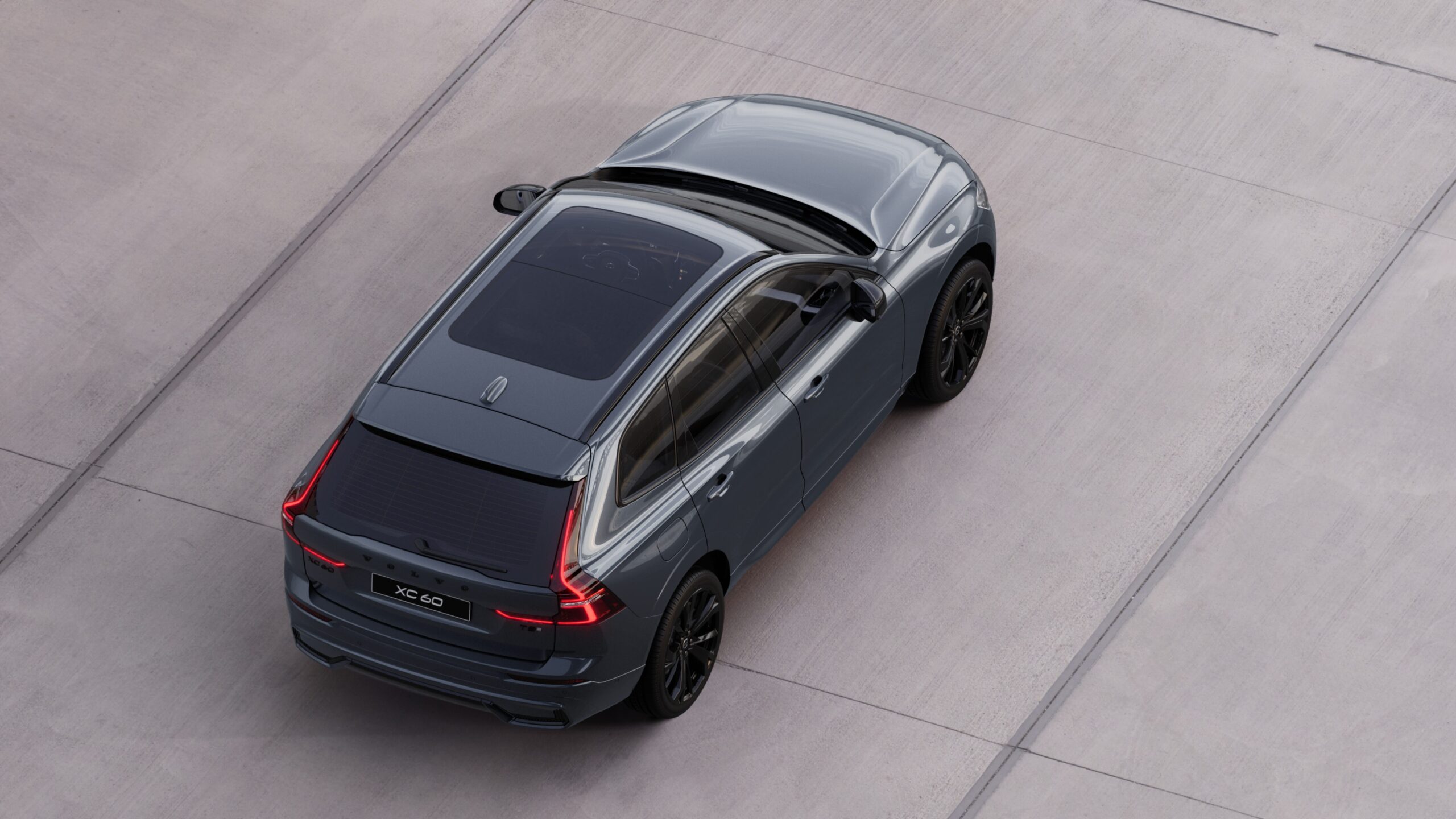
What causes problems with the electric rear drive in the XC60 T8?
Specialists point to degradation of the ERAD oil as an important cause. The oil in the rear axle unit provides lubrication and cooling for the electric motor and the gearing. If the oil is insufficient or aged, friction occurs, which causes internal components to wear out more quickly.
Various mechanics and technical sources mention maintenance intervals of roughly 30,000 to 60,000 miles for changing the ERAD oil. This maintenance is not always communicated as standard by Volvo, meaning many owners overlook it. In cars with higher mileages and no documentation of this maintenance, the risk of an ERAD failure is significantly higher.
Once wear has set in, damage can progress quickly. The clutch inside the ERAD unit can fail, leading to mechanical damage to the electric motor itself. This explains why many repairs end up as replacement of the complete unit instead of a targeted repair of individual components.
Costs of an ERAD repair or replacement
An ERAD fault can be financially painful. Real-world experience shows that repair costs can rise sharply, especially when the complete unit has to be replaced. This is because internal components are not always available as separate parts or because the damage has progressed too far for a focused repair.
Take into account the costs of diagnostics, labour and parts. When the entire ERAD unit is replaced, you also have the costs of removing and refitting the rear-axle drive. For anyone buying a used XC60 T8 without warranty or buyer protection, this can be a nasty financial surprise.
‘ Don’t take any chances by continuing to drive if warning messages appear. ’
What can you do to prevent problems with the electric rear drive?
Preventive maintenance on the ERAD unit greatly reduces the risk of faults. The most important measure is to change the rear axle oil in good time. Specialists recommend doing this between 50,000 and 100,000 kilometres, depending on use and driving conditions.
Have this maintenance carried out by a workshop familiar with Volvo’s plug-in hybrid technology. Explicitly ask about the ERAD oil and check whether this component is included in the maintenance schedule. For existing owners, it is sensible to go through the service history and, if in doubt, replace the oil as a preventive measure.
Also pay attention to early warning signs. Unusual noises from the rear or irregular transitions between electric and combustion-engine operation can point to emerging problems. In that case, have the car scanned with suitable diagnostic software and do not take any risks by continuing to drive if warning messages appear.
Tips for buyers of a used XC60 T8
If you are considering buying a used Volvo XC60 T8, it is wise to explicitly include the ERAD in your purchase inspection. Check the following points:
- Ask for documentation of maintenance on the rear axle oil or ERAD unit
- During a test drive, check the electric rear drive with sufficient battery charge
- Listen for mechanical noises from the rear, especially at low speed
- Have fault codes read out, even if there are no warnings on the dashboard
- Preferably choose a car with demonstrable specialist maintenance, especially at higher mileages
With XC60 T8 models that lack a clear service history or have vague information about maintenance on the hybrid drivetrain, extra caution is necessary. Take a specialist with you or have a pre-purchase inspection carried out that specifically checks the hybrid components.
Why is this issue relevant for XC60 drivers?
The Volvo XC60 T8 is popular among car enthusiasts because of its combination of performance, efficiency and four-wheel drive. The plug-in hybrid drivetrain offers impressive pulling power and an electric range that makes daily use possible without the combustion engine.
At the same time, the ERAD is a known point of attention within this drivetrain. For owners and buyers it is important to understand this risk and take it into account in maintenance decisions. It affects not only reliability, but also the driving experience and potential maintenance costs in the longer term.
By being aware of the signs and acting preventively, you can avoid a lot of inconvenience and cost. Make sure the ERAD oil is changed on time, have noises and warning messages investigated immediately and, when buying a used XC60 T8, choose an example with a clear maintenance history.
‘ Continuing to drive with a defective ERAD increases the risk of further damage to the electric motor and can lead to higher repair costs. ’
What to do if there is a warning about the electric rear drive?
Does the message ‘hybrid system service’ or a similar warning appear on the dashboard? Then stop driving as soon as possible and have the car inspected. Continuing to drive with a defective ERAD increases the risk of further damage to the electric motor and can lead to higher repair costs.
Have the fault codes read out by a workshop that is familiar with Volvo’s hybrid technology. Based on the diagnosis, it can be determined whether repair is possible or whether replacement of the ERAD unit is necessary. Ask for a clear quotation and consider a second opinion if the costs are very high.
Have you bought a used XC60 T8 and does the fault occur shortly after purchase? Then contact the seller or dealer to ask about warranty options or buyer protection. With a private sale this is more difficult, but a dealer often provides a limited warranty period.
On the Carnews website you can find more information about car problems with Volvo and other brands, practical maintenance advice and tips for buying a used car. Discover which problems occur frequently, how to recognise them and what you can do to prevent them.
Frequently asked questions
You usually recognise an ERAD fault on a Volvo XC60 T8 by warnings on the dashboard about the drivetrain or hybrid system, sometimes with restricted power. You will also notice loss or failure of the electric rear-wheel drive, making the car effectively feel like a front‑wheel drive. Unusual knocking, grinding or rattling noises from the rear often occur, especially at low speed or under acceleration. The car can also switch to a limp or limited driving mode in which electric assistance partially or completely drops out.
The most common causes of an ERAD fault are internal mechanical wear in the electric rear axle unit (for example due to aged or contaminated oil) and the resulting damage to bearings or gears. Insufficient or overdue maintenance on the ERAD/rear axle differential oil is also often mentioned as an accelerating factor. These problems lead to loss or failure of the electric rear-wheel drive, error messages in the hybrid/drivetrain system and sometimes rattling or grinding noises. As a result, the T8 temporarily or permanently loses its four‑wheel drive, electric assistance decreases and the car may enter a limited power or limp mode.
There are roughly two repair options in the case of an ERAD fault: specialist repair or overhaul of the existing ERAD/rear unit, or full replacement of the complete ERAD drive unit. Overhaul/repair by a specialist is generally significantly cheaper than replacement by the dealer. When the complete ERAD unit is replaced, costs in practice often run to several thousand euros.
An ERAD fault usually indicates a problem in the electric rear axle drive and can, if the damage is extensive, lead to expensive repairs or replacement of the complete unit. When the defect is expertly and fully resolved, this in itself does not have to have a direct negative impact on long‑term reliability. However, a historic ERAD issue can be a signal for buyers to look critically at maintenance and usage, which can influence the negotiating position and thus the residual value. Preventive maintenance, such as timely replacement of the ERAD/rear axle oils, helps to limit the risk of new problems.
There are no widely publicised, model year‑specific recalls that are solely aimed at ERAD faults on the Volvo XC60 T8. In practice, however, ERAD/electric rear axle problems are regularly mentioned as a point of attention with T8 models in general, especially at higher mileages. Mechanics and specialists more often point to wear and contaminated oil in the ERAD/rear differential as the cause, sometimes resulting in costly replacement of the complete unit. For that reason, preventive changing of the oil in the ERAD/rear axle and monitoring for noises and warning messages is advised, regardless of model year.