
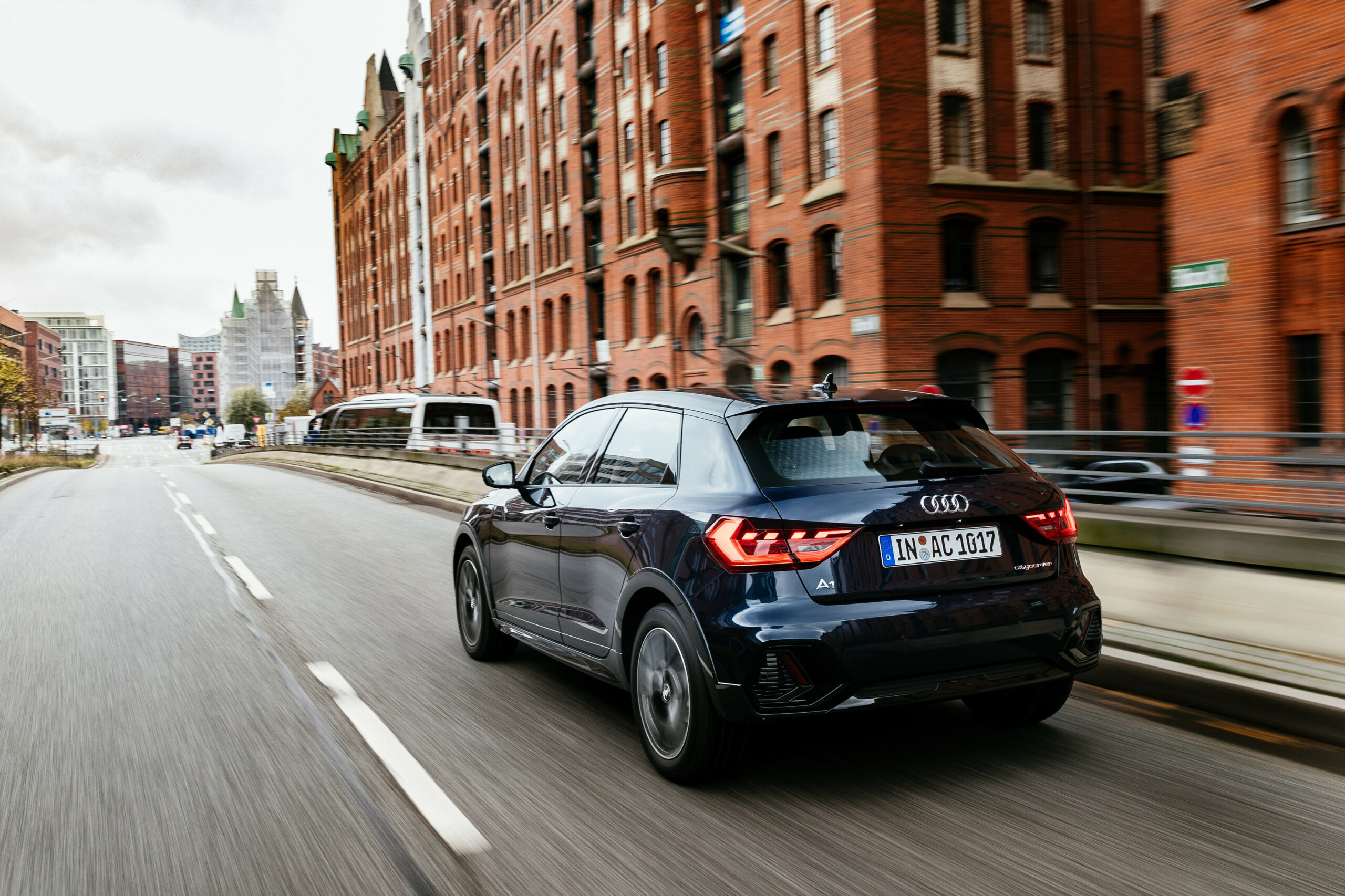
The Audi A1 with 1.2 TFSI, 1.4 TFSI or 1.0 TFSI engine often suffers from excessive oil consumption, where owners sometimes have to top up as much as 1 litre every 1,000 kilometres. This problem is caused by poor lubrication, wear of the piston rings and issues with the timing chain. Without timely intervention, this can lead to serious engine damage. Want to know how to recognise this problem and what you can do about it?
Why do TFSI engines use so much oil?
The turbo engines in the Audi A1 have a design that is prone to oil consumption problems. The 1.2 TFSI and 1.4 TFSI versions are affected most often. The 1.0 TFSI is not spared either. The problem is often in the combination of high pressure from the turbo and sensitive internal components.
An important culprit is the timing chain. For many owners it starts rattling when the engine is cold, especially around 100,000 kilometres. This fault results in insufficient lubrication of the engine, causing other components to wear more quickly. In addition, piston rings can wear, allowing oil to pass up along the pistons and burn in the cylinders.
‘ If your oil consumption is in the same order of magnitude as your fuel consumption, something is clearly wrong. ‘
What is normal and what is excessive?
You might be wondering how much oil consumption is still acceptable. For the Audi A1, normal consumption is between 1 and 3 litres per 1,000 kilometres, although this is already considerably higher than for many other cars. In extreme cases, consumption of 4 litres per 1,000 kilometres has been measured.
To put this into perspective: the 1.0 TFSI uses an average of 4.4 litres of petrol per 100 kilometres, and the 1.4 TFSI 4.9 litres. If your oil consumption is in the same order of magnitude as your fuel consumption, something is clearly wrong. So check your oil level regularly, especially with older models or cars that have already shown problems.
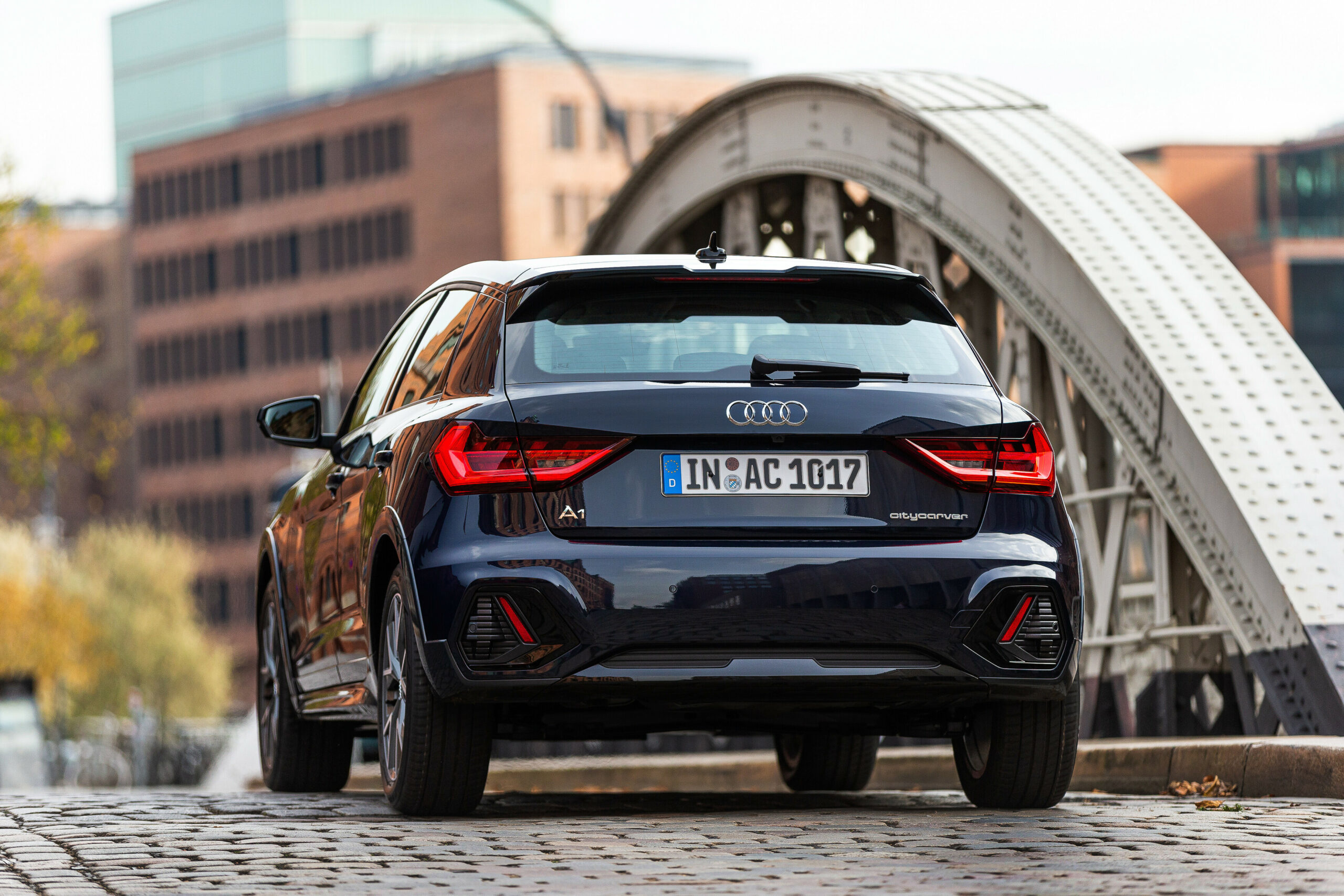

Do you recognise these signs?
Oil consumption problems with your Audi A1 can be recognised by a number of clear symptoms. Watch out for the following warning signs:
- You have to top up oil more often than once every 2,000 kilometres
- The engine runs rough or irregularly, especially on cold starts
- You see blue smoke coming from the exhaust
- The engine makes rattling noises when starting
- The dashboard regularly displays warnings about a low oil level
Some owners report that their engine still consumed a lot of oil even after the engine block was replaced. This points to possible design or production issues in certain series.
What are the underlying causes of the problem?
Several factors play a role in the high oil consumption of TFSI engines (Turbocharged Fuel Stratified Injection, a turbo technology that injects fuel in layers). The timing chain tops the list. When it becomes worn, lubrication in the engine deteriorates. This leads to additional wear on other components.
In addition, the piston rings can become damaged. This is caused by high pressures and high temperatures. If they no longer seal properly, oil seeps past the pistons into the combustion chamber. Damaged gaskets and seals can also cause internal engine oil leaks.
The turbo layout of these engines contributes to their sensitivity. The combination of high pressure and temperature places greater demands on the engine components. As a result, wear occurs more quickly than with conventional naturally aspirated engines.
‘ Cheaper oil may save money in the short term, but it increases the risk of wear. ‘
Preventive maintenance keeps costs manageable
Regular maintenance is the best way to prevent oil consumption problems. At the very least, it can delay them. Replace your engine oil every 15,000 kilometres, even if the manufacturer suggests longer intervals. For the 1.0 TFSI you need 4.5 litres of synthetic oil with a viscosity of 5W-30.
Always use oil that meets Audi’s specifications. Most A1 models require fully synthetic oil with a viscosity of SAE 5W-30 or 5W-40 and specifications API SN or ACEA A3/B3. Cheaper oil may save money in the short term, but it increases the risk of wear.
Check your oil level at least once a month. Do this more often if your car is already showing symptoms. Keep track of how much oil you add and when. This gives insight into the seriousness of the problem and helps the mechanic with the diagnosis.
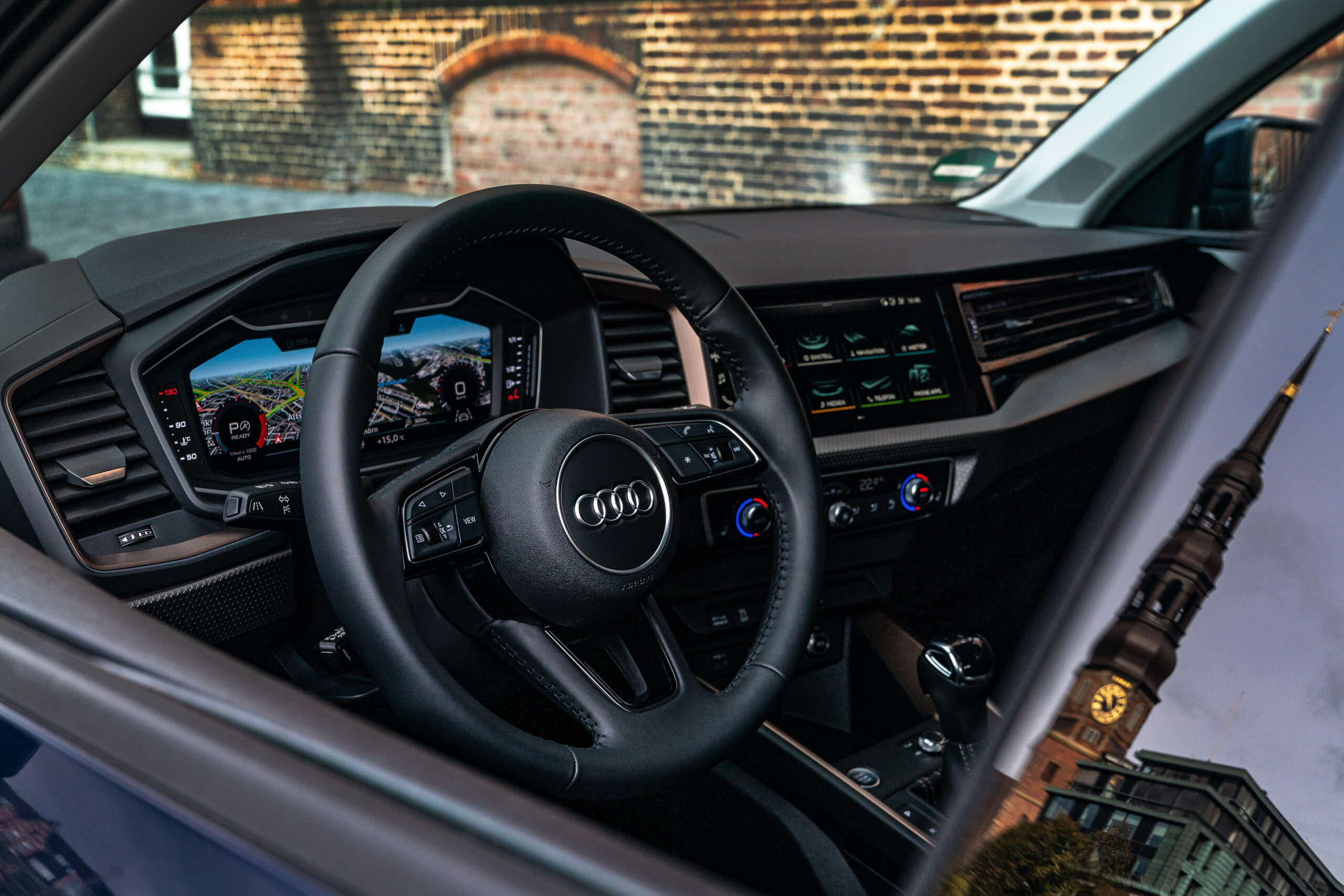
When should you go to the garage?
Some situations require immediate professional attention. Do you notice any of these problems? Then do not wait too long. Consult a specialist mechanic if oil consumption suddenly increases, or if you have to top up regularly between services.
Blue smoke from the exhaust is a clear sign that oil is burning in the cylinders. This calls for swift action to prevent further damage. The same applies to irregular engine behaviour or rattling noises, especially on cold starts.
An experienced mechanic will carry out a targeted diagnosis. This allows them to determine where the problem lies. Sometimes replacing the timing chain is sufficient. In other cases, piston rings, gaskets or even internal engine components need to be replaced.
What does it cost to repair oil consumption issues?
The cost of repairs varies greatly, depending on the cause and seriousness of the problem. Replacing the timing chain costs between 800 and 1,500 euros, including labour. This is still relatively manageable compared with other repairs.
If the piston rings need to be replaced, the bill is often between 1,500 and 3,000 euros. The engine then has to be largely dismantled, which requires many hours of labour. In the case of severe internal damage, a complete engine overhaul or replacement may be necessary. Costs then start from 3,000 euros.
These amounts make it clear why preventive maintenance is so important. By changing the oil regularly and checking the level, you can prevent many of these problems or tackle them at an early stage.
‘ This partly explains why these engines are more prone to oil consumption problems than conventional naturally aspirated engines. ‘
Specifications of the TFSI engines
The different TFSI engines in the Audi A1 each have their own characteristics. The 1.0 TFSI has an engine capacity of 999 cc and delivers 95 bhp with 160 Nm of torque. This three-cylinder unit is fitted with a turbo (compressor for extra power) and an intercooler (air cooler that cools the intake air).
The 1.4 TFSI offers more power with its 1,395 cc capacity. This four-cylinder engine produces 125 bhp and 200 Nm of torque, also with turbo and intercooler. Both engines use TFSI technology (Turbocharged Fuel Stratified Injection, a system that combines turbo boost with stratified fuel injection). This technology combines efficiency with power.
The turbo layout ensures strong performance, but also places greater demands on lubrication and cooling. This partly explains why these engines are more prone to oil consumption problems than conventional naturally aspirated engines.
Practical tips for owners
As the owner of an Audi A1 with a TFSI engine, you can take steps yourself to prevent or reduce problems. Keep a logbook of your oil consumption. Note down every time you add oil and how many kilometres you have driven. This gives a clear picture of consumption and helps to spot changes.
Avoid short trips where the engine does not reach operating temperature. Cold starts and short distances increase wear and oil consumption. Let the engine warm up before accelerating hard, and let it cool down briefly after heavy use.
Check regularly for oil patches under your car. This indicates external leaks which also contribute to oil consumption. Small leaks are often easy and inexpensive to fix if you deal with them in time.
On the Carnews website you will find much more information about maintenance, common problems and experiences with various Audi models. Discover more useful tips and background articles that help you keep your car in top condition.
Frequently asked questions
The main causes are wear or design issues with piston rings and other internal engine seals, allowing oil to burn along the cylinder walls. In addition, leaking gaskets and seals play a role, which can cause internal oil leaks. In some 1.2 and 1.4 TFSIs, timing chain issues indirectly contribute to extra wear and oil consumption. Design and production issues in certain engine series make the problem persistent, even after engine replacement.
Effective solutions include timely replacement of the timing chain and addressing worn parts such as piston rings, gaskets and seals, usually carried out by a specialist mechanic. Regular oil changes with the correct 5W-30 or 5W-40 fully synthetic oil and frequent checking of the oil level help to limit the problem. The costs for chain replacement and associated work can on average range from several hundred euros to well over a thousand euros, depending on the damage and labour costs. Additional costs for diagnosis, gaskets and other overhaul work can increase this amount further.
Yes. By changing the oil strictly according to schedule (or more often, if you make many short trips) using the correct 5W-30 or 5W-40 long-life oil prescribed by Audi, you can limit wear and therefore oil consumption. Avoid full-throttle acceleration and high revs when the engine has not yet reached operating temperature, because that is when wear on piston rings and turbo is greatest. Check the oil level regularly (for example at every refuelling stop) and top up in time to prevent the engine from running with too little oil. If you notice suspicious noises such as a rattling timing chain or heavy smoke, have the engine checked immediately so that early problems do not develop into extreme oil consumption.
Untreated excessive oil consumption can lead to accelerated wear of piston rings, gaskets and other internal engine components. This increases the risk of power loss, rough running and ultimately serious engine damage or seizure. The turbo can also wear more due to insufficient lubrication and contamination. In the long term this may result in expensive overhaul or complete engine replacement.
Check the oil level and ask the seller how much oil needs to be topped up between services (more than about 1 litre per 1,000 km is suspicious). When starting from cold, listen for rattling noises from the timing chain and for rough running of the engine. During a test drive, observe whether blue smoke comes from the exhaust, especially when lifting off and then accelerating again. Finally, have an independent mechanic carry out a compression test and a visual check for leaks.