
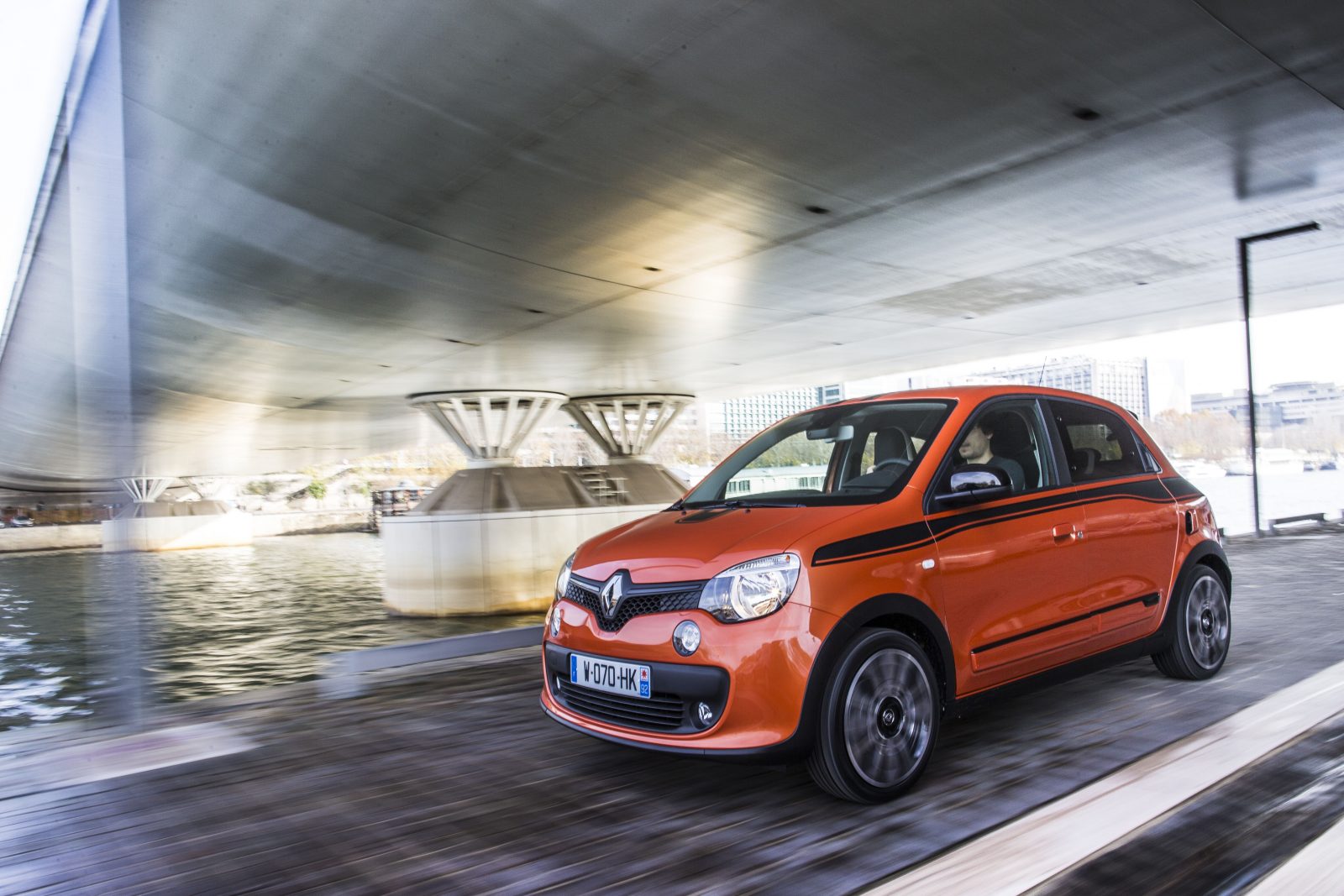
High oil consumption due to worn piston rings or contaminated cylinders in TCe engines leads to engine damage if it is not addressed in time. The Renault Twingo with the 0.9 TCe engine in particular regularly struggles with this issue. Oil disappears without visible leaks, which often only becomes apparent when the level drops sharply. You can spot this in time. Read on to discover what you can do about it.
The Renault Twingo is known as a nimble city car, but models with the turbo version and older petrol engines are more prone to increased oil consumption. This problem occurs in several generations, but is reported most often with the 0.9 TCe engine. Without timely action, this can lead to costly repairs and permanent engine damage. You can find more information about known Renault Twingo car problems elsewhere on this website.
Oil plays an important role in lubricating and cooling engine components. Under normal operating conditions a modern engine uses less than half a litre between two services. In the Twingo, however, this consumption can rise to more than 1 litre per 1,000 kilometres, which indicates internal problems.
Why your Twingo uses too much oil
The causes of increased oil consumption are usually internal to the engine. Worn piston rings (components that seal the piston) and valve stem seals (seals around the valves) are common culprits, especially in engines with more than 150,000 kilometres. These parts ensure that oil does not enter the combustion chamber. When they wear, oil leaks past them and is then burnt.
The 0.9 TCe engine has some additional vulnerabilities. Turbo seals (sealing rings that keep oil inside the turbo) can wear, allowing oil from the turbo to enter the combustion process. You can recognise this by blue smoke from the exhaust, especially when accelerating. In addition, using the wrong oil can speed up wear. Oil that does not meet the specifications in the service booklet, such as RN0700 or RN0710 for TCe engines, offers less protection and evaporates more quickly.
In many cases there is no visible leak under the car. The oil evaporates or burns internally, which makes the problem harder to detect. Regularly checking the oil level therefore remains essential.
‘ If you have to top up more than 1 litre per 1,000 kilometres, there is abnormal consumption. ’
Symptoms you need to recognise
A rapid drop in the oil level is the most important sign. If you need to top up more than 1 litre per 1,000 kilometres, there is abnormal consumption. This certainly applies to engines with less than 100,000 kilometres. Older engines with high mileage may have a consumption of 1 litre per 1,000 to 2,000 kilometres due to normal wear, but that also requires attention.
Other symptoms include:
- Irregular engine noise or misfiring
- Smoke from the exhaust, especially when accelerating
- Frequent topping up between regular services
- Loss of power at higher speeds
If you are unsure about the consumption, you can easily measure it. Note the oil level and the mileage, drive a distance of 500 to 1,000 kilometres and check again. The difference gives insight into the actual consumption.
How to measure oil consumption and when to intervene
Always measure the oil level on level ground with a cold engine. Use the dipstick and wipe it clean before inserting it again. The level should be between the minimum and maximum marks. Top up to the maximum, but never above it. Too much oil can be just as harmful as too little.
Keep a log of the level and the mileage. This helps you spot patterns. If consumption exceeds 0.5 litre per 1,000 kilometres, it is wise to visit a garage. At more than 1 litre, action is needed to prevent serious damage.
The table below shows normal and abnormal values per engine variant:
| Engine variant | Normal consumption | Susceptibility to problems |
|---|---|---|
| 0.9 TCe (turbo) | Low in a new engine, rises quickly | High |
| 1.2 16V (2007-2014) | Low oil consumption | Moderate, increase after 60,000 km |
| 1.2 (1993-2007) | Low oil consumption | Normal with wear |
Solutions for high oil consumption
The approach depends on the cause. If piston rings or turbo seals are worn, repair is required. A mechanic can carry out a pressure test (measuring compression pressure in the cylinders) to check the condition of the piston rings. In the case of turbo problems, replacement is often the only option. Acting early prevents the issue from escalating into a full engine rebuild.
Preventive maintenance helps avoid many problems. Always use the correct type of oil according to the specifications in the service booklet. Change the oil every 10,000 to 20,000 kilometres, depending on your driving style. If you do lots of short trips or drive under heavy load, more frequent oil changes are advisable.
Adjust your driving style to limit wear:
- Avoid short trips during which the engine does not reach operating temperature
- Allow the engine to warm up before using high revs
- Drive smoothly and avoid aggressive acceleration
- Let the turbo cool down by driving gently after motorway journeys
With older engines with high mileage, limited oil consumption can be acceptable. Do keep an eye on whether consumption is accelerating. After an oil change with the correct oil, consumption can drop significantly, sometimes even to almost zero between services.
Experiences of Twingo owners
Owners report varying experiences. A 2011 Twingo with 60,000 kilometres used 1.5 litres directly after an oil change, but then remained stable with regular checks. After specialist work on 0.9 TCe models, consumption often drops significantly, with owners driving up to 20,000 kilometres without topping up.
Other users indicate that topping up a quarter of a litre is normal, but warn of escalation. If consumption reaches 1 litre per 1,000 kilometres, professional diagnosis is required. Without action, this can lead to seized engines and repairs costing thousands of euros.
‘ Do not ignore these signals, because engine damage often develops quickly when oil is low. ’
Useful tips for everyday use
Check the oil level weekly, especially if your engine is prone to increased consumption. Keep a small bottle of oil in the car for emergencies. Always top up to the maximum on the dipstick, but never above the max mark.
Pay attention to warning signs while driving. Smoke, unusual engine noises or loss of power require immediate attention. Do not ignore these signals, because engine damage often develops quickly when oil is low.
Choose a reliable garage that is familiar with Renault engines. If in doubt, have a pressure test carried out or the turbo checked. The cost of this does not compare to that of a full engine rebuild.
The consequences of waiting too long
High oil consumption may at first seem mainly expensive due to the cost of topping up. The real danger lies in the damage caused by insufficient lubrication. Without enough oil, cylinders and pistons suffer damage, metal-on-metal contact occurs and wear increases exponentially.
This can lead to seized engines, where repair is no longer possible. A replacement engine will quickly cost several thousands of euros, not including labour. In addition, increased oil consumption has an impact on the environment due to the emission of combustion residues.
On the Carnews website you will find much more information about maintenance, known issues for different makes and practical tips for car enthusiasts. Discover more articles and keep your car in top condition.
Frequently asked questions
The most common causes are wear of piston rings and valve stem seals, especially in engines with higher mileage. In the 0.9 TCe, worn or defective seals in the turbo also often play a role, causing oil to burn along with the fuel. Using an incorrect or too thin type of oil can also noticeably increase consumption.
Excessive oil consumption in the Renault Twingo is mainly a known and frequently reported issue with the 0.9 TCe turbo engine. Older petrol engines, particularly with higher mileage, can also show increased oil consumption due to wear. So it is not a problem that affects every generation equally, but it is structurally linked to certain engine variants (especially turbo engines) and high mileage. Regularly checking the oil level is therefore especially important with these engines.
Start by checking the oil level weekly on level ground with a cold engine, and carefully note how many kilometres you drive per amount topped up to determine consumption (litres per 1,000 km). Inspect around the engine, valve cover, sump and under the car for oil traces or drips to rule out external leaks. While driving, observe the exhaust: blue smoke when accelerating often indicates internal burning of oil (piston rings/valve stem seals or turbo). Finally, check whether you are using the correct oil specification from the handbook and whether consumption changes if you switch to the prescribed oil and drive more gently for a while, allowing sufficient warm-up time.
Possible solutions include using the correct engine oil as prescribed by Renault, having the piston rings and valve stem seals checked and, if necessary, replaced, and having the turbo overhauled or replaced if it is leaking oil. In cases of severe wear, a full engine diagnosis or (partial) overhaul may also be required. For smaller jobs (oil, inspection, valve stem seals), costs are roughly between €150 and €600. For turbo overhaul or major engine damage (piston rings/engine rebuild), you should expect about €800 to well over €2,000, depending on the workshop and the extent of the damage.
Yes, preventive measures include checking the oil level weekly, strictly following oil change intervals and avoiding lots of short journeys and high revs with a cold engine. Always use the oil prescribed by Renault (for example with RN0700/RN0710 specification for TCe engines) and not universal or too thin oil. With higher consumption, a slightly thicker but still specified oil (within Renault’s recommendations) can sometimes help reduce consumption a little. If consumption remains high, have a garage check the piston rings, valve stem seals and turbo seals.