

The plastic expansion tank of the cooling system in the Volvo C30 often cracks due to ageing, and the cap loses its ability to hold pressure, causing coolant to leak away and the engine to overheat. This well-known problem calls for timely inspection and replacement. You can read below why this happens and how to deal with it.
Why the C30 expansion tank is susceptible
The expansion tank in the Volvo C30 absorbs the increase in volume of the coolant when the engine warms up. With a warm engine, the level should be higher than with a cold engine, because coolant expands as the temperature rises. The plastic from which the tank is made ages over time due to continuous exposure to high temperatures and pressure. As a result, hairline cracks, discolouration and ultimately splits in the tank wall occur.
The expansion tank cap is also a vulnerable component. This cap regulates the pressure in the cooling system and ensures that the coolant maintains a higher boiling point. If the seal of the cap ages or the spring pressure decreases, the boiling point of the coolant drops and the system can start to boil over more quickly. Coolant is then forced out through the overflow.
Common symptoms of expansion tank problems
Owners of the C30 report various complaints that point to problems with the expansion tank or the cooling system. These symptoms can occur separately or in combination:
- Coolant loss without a clearly visible leak under the car
- Coolant coming out via the cap or overflow
- Bubbling, bubbles or even steam in the expansion tank
- Cracks, hairline cracks or discolouration of the plastic tank
- Rising engine temperature or overheating
These complaints often indicate excessive pressure in the system, poor cap sealing or reduced coolant flow. Coolant loss via the expansion tank is therefore not always a tank problem in itself, but often a symptom of a wider cooling system issue.

Why is the expansion tank of my Volvo C30 splitting?
The plastic tank gradually ages due to the high temperatures and pressure fluctuations in the cooling system. After several years of use, the material becomes brittle and loses its flexibility. Hairline cracks develop into larger cracks, especially around the weld seam or hose connections. In some C30s this occurs early, in others only after ten years or more, depending on maintenance and operating conditions.
Another cause is excessive pressure in the cooling system, often caused by a faulty cap, a blockage in the radiator or a thermostat that does not open properly. The pressure looks for a weak spot, and this is often the aged tank. An overfilled cooling system can also lead to overpressure, because there is no space for thermal expansion.
Causes of coolant loss via the cap
If coolant leaks away via the cap or overflow, there are several possible causes. The cap has to hold a specific pressure, usually around 1.2 to 1.4 bar. If the spring or seal in the cap wears out, this pressure drops and the coolant starts to boil earlier. The excess volume is then discharged via the overflow.
A second cause is a blockage in the cooling system. If the flow is restricted by contamination in the radiator or a poorly functioning water pump, the pressure can build up locally. Coolant is then forced out via the expansion tank. A faulty thermostat that does not open or only opens late can also cause local overheating and pressure build-up.
‘ the system is under pressure when the engine is warm. ’
How do I replace the cooling system cap on the Volvo C30?
Replacing the expansion tank cap is a simple job that is often carried out as a preventive measure. First make sure that the engine is completely cold, because the system is under pressure when the engine is warm. Unscrew the cap slowly to allow any residual pressure to escape. Check the seal on the old cap for signs of hardening, cracks or discolouration.
Then fit the new cap and tighten it by hand. Do not use tools, as the cap is made of plastic and can crack if too much force is applied. Start the engine and let it warm up while you monitor the coolant. Top up if necessary to just above the MIN mark with a cold engine. After a few days of driving, check the level again and look for any signs of leakage around the cap.
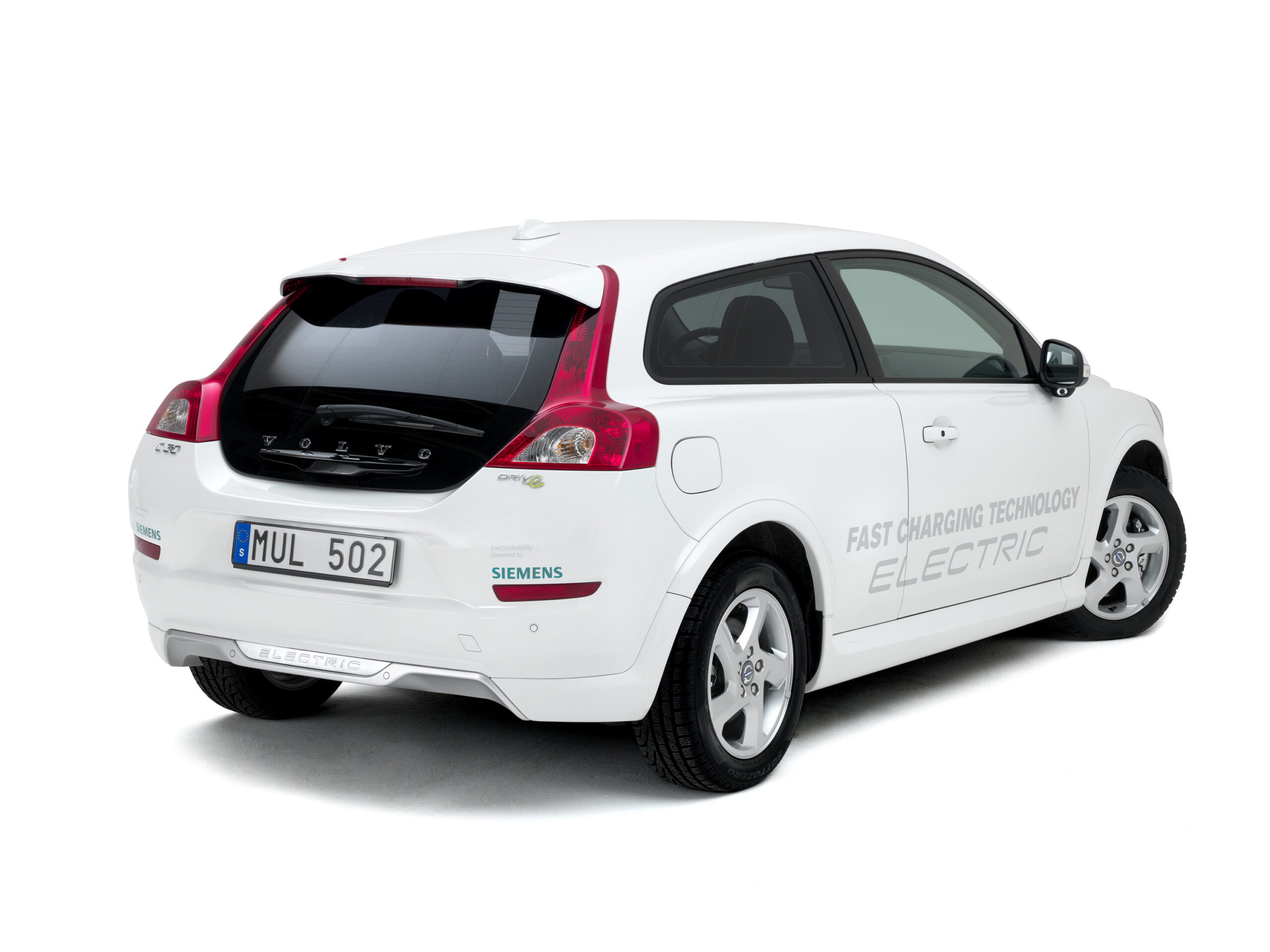
Replacing the expansion tank
If the tank itself shows cracks or hairline cracks, it needs to be replaced. The tank is usually located on the right-hand side of the engine bay and is secured with clips or screws. First drain the cooling system via the drain tap of the radiator or disconnect the lower radiator hose. Collect the coolant in a clean container if you want to reuse it.
Then disconnect the hoses from the old tank and undo the fixings. Note the position of the hoses so that you connect them to the correct fittings on the new tank. Fit the new tank, secure the hoses with new clamps and fill the system with fresh coolant. Bleed the system by running the engine with the cap off until the thermostat opens and the coolant starts to circulate. Top up to the correct level and refit the cap.
What are the cooling system repair costs for the C30?
The cost of repair depends on which components need to be replaced. A new expansion tank cap costs between 10 and 25 euros and is easy to replace yourself. A new expansion tank costs between 30 and 70 euros, depending on brand and quality. If you replace the tank yourself, you only pay for the part and the coolant.
If you have the tank replaced by a garage, you will typically pay 1 to 1.5 hours of labour, which amounts to 75 to 150 euros on top of the parts. If other cooling system components also need to be replaced, such as a thermostat, water pump or radiator, the costs will increase further. A full cooling system check and flush usually costs between 100 and 200 euros at a garage.
‘ A small investment in preventive maintenance prevents costly engine damage from overheating. ’
Preventing further cooling system problems
Regular maintenance prevents many problems with the cooling system. Check the coolant level preferably once a month, with a cold engine. The level should be slightly above the MIN marking. Top up with the correct coolant according to Volvo’s specifications, usually a glycol mixture with long-life additives.
Replace the coolant according to the maintenance schedule, usually every four to six years. Old coolant loses its protective properties and can cause corrosion and deposits in the system. Also regularly check the condition of hoses and clamps. Hard, brittle or discoloured hoses should be replaced before they start to leak.
Watch out for signs of reduced flow, such as a heater that does not get properly warm or an engine that heats up quickly. This can point to a blockage or faulty water pump. If in doubt, have the cooling system flushed and checked for pressure tightness. A small investment in preventive maintenance prevents costly engine damage through overheating.
Practical checklist for C30 owners
Use this checklist to spot and tackle cooling system problems in good time:
- Check the coolant level monthly with a cold engine
- Inspect the expansion tank for cracks, discolouration or hairline cracks
- Test or replace the expansion tank cap preventively after five to seven years
- Look for signs of drying-out or crystals around tank, cap and hoses
- Check flow by letting the heater warm up properly
- Have the cooling system flushed if there is contamination or reduced performance
- Replace hoses and clamps at signs of ageing
By checking regularly and replacing parts in good time, you keep the cooling system in good condition and prevent overheating and engine damage.
Discover more on Carnews
On the Carnews website you will find much more information about maintenance, common problems and practical tips for the Volvo C30 and other models. Discover useful articles about engine problems, electrical faults and maintenance tips that help you keep your car in top condition. Have a look around and find answers to your car-related questions.
Frequently asked questions
The most common symptoms are coolant loss (having to top up regularly) and coolant coming out via the cap or overflow of the expansion tank, especially with a warm engine. You often see damp patches, white/crystalline deposits or hairline cracks around the expansion tank or cap. Bubbles, bubbling or steam can also be visible in the expansion tank during or after driving. In addition, the engine may warm up more quickly or the temperature gauge may behave erratically due to pressure and flow problems in the cooling system.
The main causes are a faulty or worn expansion tank cap, which means the system pressure is incorrect, and a tank that has been filled too full and starts overflowing immediately when it heats up. In addition, ageing or hairline cracks in the plastic expansion tank itself can cause leaks. Flow problems in the cooling system, such as a poorly functioning thermostat, water pump, radiator or blockage, can increase pressure and temperature, causing coolant to be forced out via the tank. Internal contamination or air in the system can also cause local overheating and bubbling in the expansion tank.
With a cold engine, check whether the coolant level in the expansion tank is between MIN and MAX and look around the tank, cap and hoses for signs of leaks, white deposits or hairline cracks. Start the engine, let it reach operating temperature and watch for excessive bubbling, steam or coolant coming out via the cap/overflow, which may indicate pressure or temperature problems. Gently squeeze the coolant hoses (be careful when the engine is warm) to feel whether there is roughly the same, constant pressure everywhere, and check whether the interior heating gets properly warm (otherwise there may be a flow problem). If in doubt or if you see signs of ageing, you can replace the cap and possibly the expansion tank as a preventive measure and have the cooling system flushed or tested for blockages.
The “costs” are mainly in labour and materials: a new expansion tank with cap usually costs a few tens of euros up to around one hundred euros, depending on the brand (OEM/aftermarket) and the workshop. In practice, repairs are rarely carried out: in the event of cracks or ageing, the tank is almost always replaced completely. As a cheaper option, people often first replace only the cap, because a faulty cap can cause pressure and leakage problems. When replacing, it is sensible to also have hoses, clamps and coolant checked or renewed, which can slightly increase the total cost.
Yes, there are a few preventive measures that can extend the service life of the expansion tank. With a cold engine, keep the coolant level around slightly above MIN and never fill up to (or above) MAX, so that there is room for expansion. Replace an old or questionable cap in good time and always use the correct, specified coolant. Regularly check for discolouration, hairline cracks and crystal formation around tank, cap and hoses so that early problems are tackled at an early stage.