
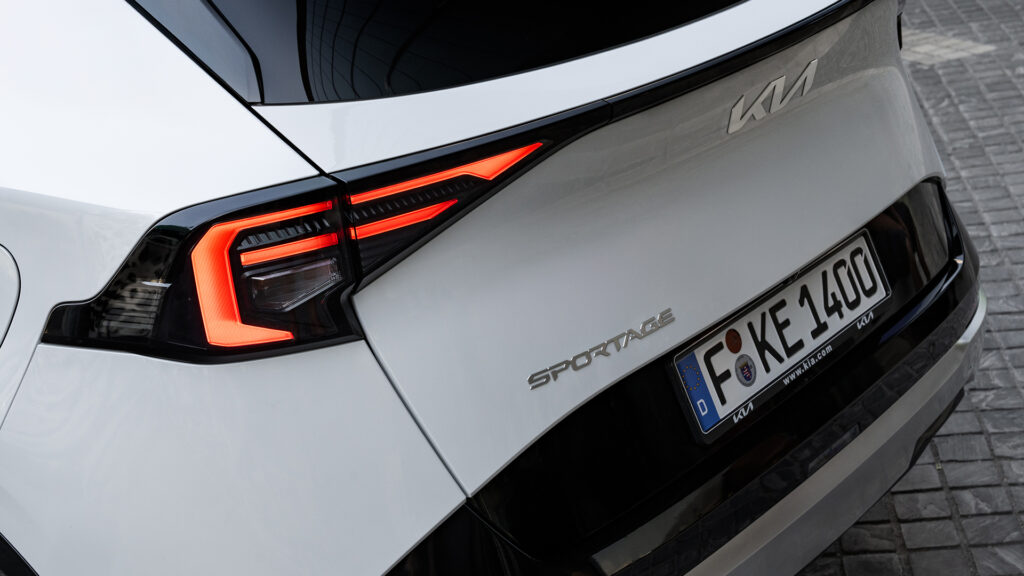
A faulty oxygen sensor in your Kia Sportage leads to increased fuel consumption, rough running and, over time, damage to the catalytic converter. The problem occurs regularly and results in considerable extra costs if you leave it too long. If you recognise the signs in time, you can intervene quickly and prevent expensive consequential damage.
What the lambda sensor does in your car
The lambda sensor measures the amount of oxygen in the exhaust gases. The sensor sends this information to the engine control unit, which then adjusts the air-fuel mixture. With the correct mixture, the engine runs efficiently and emissions remain within the limits. If the sensor sends incorrect values, the engine will not adjust the mixture properly. This directly affects the fuel consumption, performance and emissions of your Sportage.
On diesel versions of the Sportage, the lambda sensor is usually located at the front of the exhaust system, close to the engine side of the exhaust. On some versions, the corresponding fuse in the engine bay is also an important point to check.
Symptoms of a faulty lambda sensor in a Kia Sportage
A defective lambda sensor does not always cause an obvious fault straight away, but you will notice the consequences. The engine starts to behave differently and the car feels less pleasant to drive. These are the most common signs that point to a faulty oxygen sensor:
- The engine management warning light comes on or stays on
- Higher fuel consumption than normal
- Irregular idle speed or rough running
- Less power or a slow-responding engine
- Increased emissions or a car that struggles to pass the MOT emissions test
According to the experiences of Sportage drivers, a defective lambda sensor can sometimes cause the engine to go into a protection mode. The car then drives noticeably less smoothly, even though nothing seems wrong visually. The problem is then in the software that controls the engine management.
Rough running due to incorrect control
If the lambda sensor sends incorrect values, the engine control unit no longer knows whether the mixture is too rich or too lean. The engine will then run roughly, especially at low revs. This results in jerky pulling away, hesitating when accelerating, or an engine that responds poorly to the throttle. The fault is not always immediately dramatic, but it does affect driving comfort and the reliability of your Sportage.
Possible causes of a defective lambda sensor
A lambda sensor does not only fail due to age. Contamination and electrical problems are also common. Officially, Kia points to contamination from coolant or oil residues as a cause of a defective oxygen sensor. This contamination damages the sensor and makes the readings unreliable.
In addition, there are several other common causes:
- Wear due to high mileage
- Damaged wiring or loose connectors
- Blown fuse or problems with the power supply
- Contamination from oil, coolant or soot
- Leaks in the exhaust system that interfere with the reading
On diesel versions of the Sportage in particular, soot build-up plays a role. If you often drive short trips, the exhaust does not get up to temperature properly and soot builds up on the sensor. This affects the measurement accuracy and will eventually lead to failure.
Where the lambda sensor is located on the Kia Sportage
On a 2015 Kia Sportage diesel, the front lambda sensor is located at the top of the exhaust system, close to the engine. This is the primary sensor that sends the most important readings to the engine control unit. On 2017 models, it is known that the fuse for the lambda sensor is located in the fuse box in the engine bay, behind the fuse box cover.
The exact location varies slightly depending on the version and model year, but the lambda sensor is always in the exhaust system. On petrol versions there may even be two sensors: one before and one after the catalytic converter. The front sensor controls the mixture, the rear sensor monitors the operation of the catalytic converter.
Replacing the lambda sensor in a Kia Sportage: DIY or garage
Replacing a lambda sensor is technically doable for someone with basic knowledge of car mechanics and the right tools. The sensor is often in an accessible place in the exhaust system and can be unscrewed with a special lambda sensor socket. However, there are a few important points to bear in mind that make the difference between a successful repair and an costly mistake.
When replacing the sensor yourself, pay attention to the following:
- Only work on a cooled-down exhaust to avoid burns
- Use a special lambda sensor socket to loosen the sensor
- Check the wiring and connector for damage
- Make sure you have the correct sensor for your engine type and model year
- Coat the thread with heat-resistant assembly paste
If you are unsure about your own technical skills or do not have time to do the job yourself, a visit to a garage is a sensible choice. A mechanic will immediately read out the car for fault codes and check whether there are any other issues. Sometimes the lambda sensor is not the only cause. There may then be consequential damage or an underlying problem in the exhaust system.
How do I test lambda sensor problems on a Kia Sportage diesel?
Testing a lambda sensor starts with reading out the fault codes. An OBD diagnostic tool (a device that reads the car’s onboard computer) often shows specific codes that indicate a fault in the oxygen sensor. On diesel engines, codes such as P0130, P0135 or P0138 are common and indicate that the sensor is not functioning correctly or is not sending a signal.
There are also practical checks you can carry out yourself:
- Check whether the engine management warning light is on and have the car read out for fault codes
- Inspect the plug and wiring of the lambda sensor for damage or corrosion
- Check the fuse for the lambda sensor in the fuse box in the engine bay
- Visually inspect the sensor for soot, oil or other contamination
- Test whether the sensor supplies voltage with a multimeter, if you have the technical knowledge
If the fault code returns after replacing the sensor, there is probably another problem. Think of a damaged wiring loom, a poor earth connection, a blown fuse or a leak in the exhaust system. On diesel models, an incorrect diagnosis can mean you replace parts unnecessarily. That is why reading and measuring are always the first step.
Risk of catalytic converter damage if you drive too long with a defective sensor
A faulty lambda sensor does not only increase fuel consumption and reduce power. If you continue driving for too long with a defective sensor, the catalytic converter will become damaged. The engine control unit does not adjust the mixture properly, causing too much unburnt fuel to enter the exhaust. This fuel then burns in the catalytic converter, leading to overheating and internal damage.
A new catalytic converter will quickly cost several hundred to over a thousand euros, depending on the type and version. That makes acting in good time when a lambda sensor is defective not only a matter of driving comfort, but also of protecting your wallet.
Practical tips for maintenance and diagnosis
Pay attention to maintenance and fuel quality. This will help you avoid problems with the lambda sensor. Always use engine oil and fuel of the correct specification. Contamination from poor-quality fuel or oil residues significantly shortens the service life of the sensor.
Other useful tips for Sportage drivers:
- If a fault is indicated, do not immediately replace only the sensor, but also look for the underlying cause
- If fault codes keep returning, also check the wiring loom, earth connections and exhaust leaks
- Regularly drive a longer journey at operating temperature to prevent soot build-up
- Keep a record of the service history and note when the lambda sensor has been replaced
When buying a used Kia Sportage, it is sensible to have the fault codes read out and the condition of the exhaust system and sensors checked. This prevents you being confronted with costs shortly after purchase.
On the Carnews website you will find more information about common problems with the Kia Sportage, maintenance tips and experiences from other drivers. Find out more about your car and stay up to date with relevant technical tips.
Frequently asked questions
You can often recognise a defective lambda sensor in your Kia Sportage by an illuminated engine management warning light on the dashboard. In addition, you will often notice higher fuel consumption, an irregular or fluctuating idle speed and less pulling power or a sluggish-feeling engine. Sometimes the engine runs noticeably less smoothly and the car may struggle to pass an emissions test. If you notice these symptoms, have the car read out for fault codes and have the sensor, wiring and fuse in the engine bay checked.
A defective lambda sensor prevents the engine management from properly controlling the air-fuel mixture, which can noticeably increase the fuel consumption of a Kia Sportage. The engine may also idle roughly and feel less smooth and powerful. The car can also go into a kind of limp-home mode, reducing performance even further. In addition, exhaust emissions increase and the engine management warning light will often come on.
You can carry out a few initial checks yourself, such as reading out fault codes and checking plugs, wiring and the fuse in the engine bay. You can also look out for symptoms such as an illuminated engine management warning light, higher fuel consumption and rough running. However, a definitive diagnosis of the lambda sensor often requires specialist measuring equipment. In practice, professional help is therefore usually necessary for a reliable diagnosis on a Kia Sportage.
The costs for replacing a lambda sensor on a Kia Sportage are generally between about €200 and €500, depending on labour costs and whether you use an original Kia sensor or an aftermarket version. An original (OEM) lambda sensor is usually more expensive but matches the factory specifications perfectly, whereas universal/aftermarket sensors can be cheaper. In addition, there can be a difference between the front sensor (before the catalytic converter) and any rear sensor(s), each with its own price. Have a diagnosis carried out beforehand to be sure which sensor needs to be replaced.