
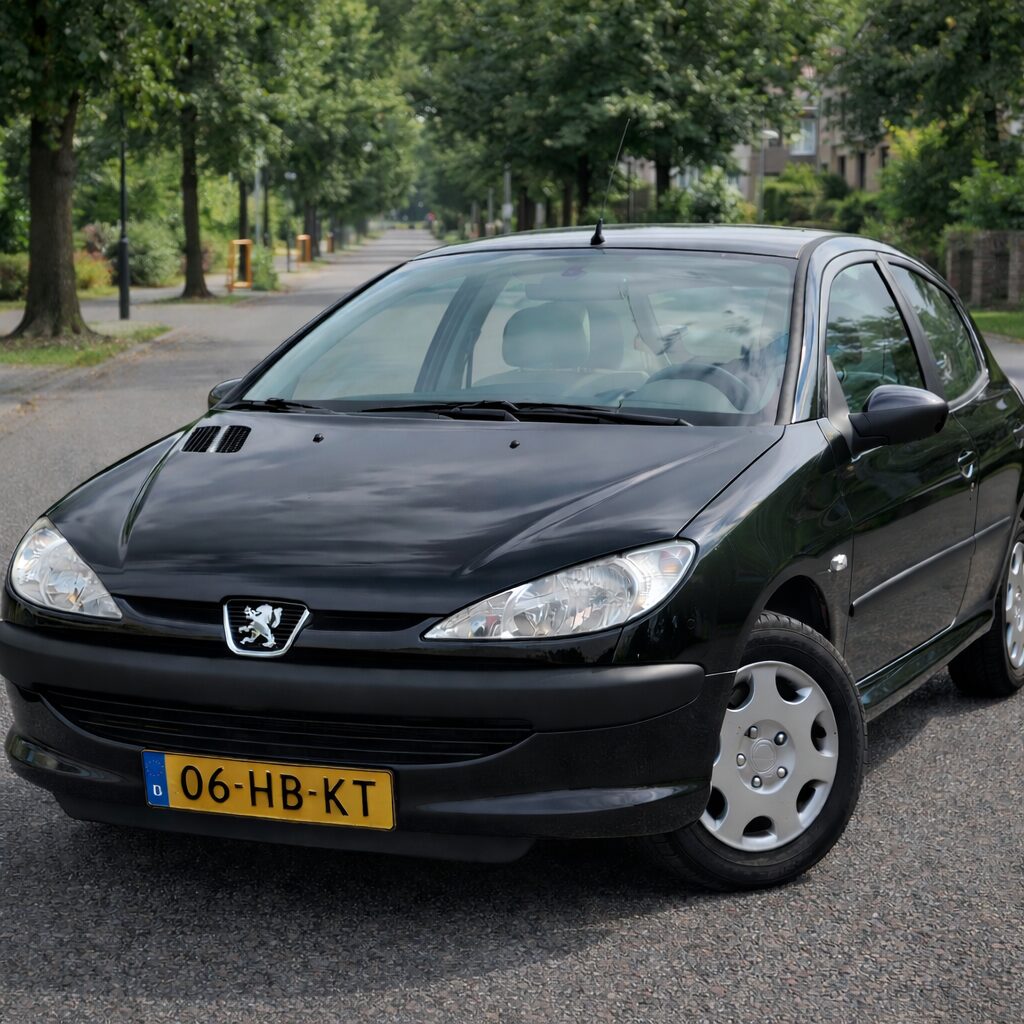
The Peugeot 206 is popular as a budget car, but many examples are now 20 years or older and have known weak spots. A careful inspection prevents expensive surprises and ensures you buy a reliable car for little money. Want to know what to look out for?
What are the main problems with the Peugeot 206?
The Peugeot 206 was built between 1998 and 2012 and, due to its age, has a number of recurring technical faults. Many problems can be predicted when you check the right points. Beforehand, check the Peugeot 206 for oil leaks, electrical faults and suspension problems to avoid disappointment.
The petrol models with 1.4 or 1.6 engines are smooth and cheap to maintain, but they have weak engine mounts that wear out quickly. The head gasket regularly leaks oil that drips onto the alternator and sensors, which can lead to expensive repairs. The diesel engines, especially the 1.6 and 2.0 HDi, are reliable and cover high mileages, but the turbo can fail and then costs around 1,500 euros including oil pump. Sporty versions such as the GTI or RC are often tired and have been used intensively.
‘ Repairing a leaking head gasket can be expensive because of the labour hours involved, so try to spot this problem before you buy. ’
Check for oil leaks and alternator issues
Start under the bonnet with a thorough inspection for oil leaks. A leaking head gasket on the petrol models is a common problem. The oil runs down and reaches the alternator, which can cause short circuits or sensor faults. Therefore, check the underside of the engine and the alternator for oil spots or oil residue.
Also look for damp or greasy spots around the cylinder head. Repairing a leaking head gasket can be expensive because of the labour hours involved, so try to discover this problem before purchase. Ask the seller about the car’s service history and whether the head gasket has already been replaced. On diesel models, a whining sound from the crankcase (the lower part of the engine where the oil is located) can mean the oil pump needs replacing.
Test the electronics and central locking
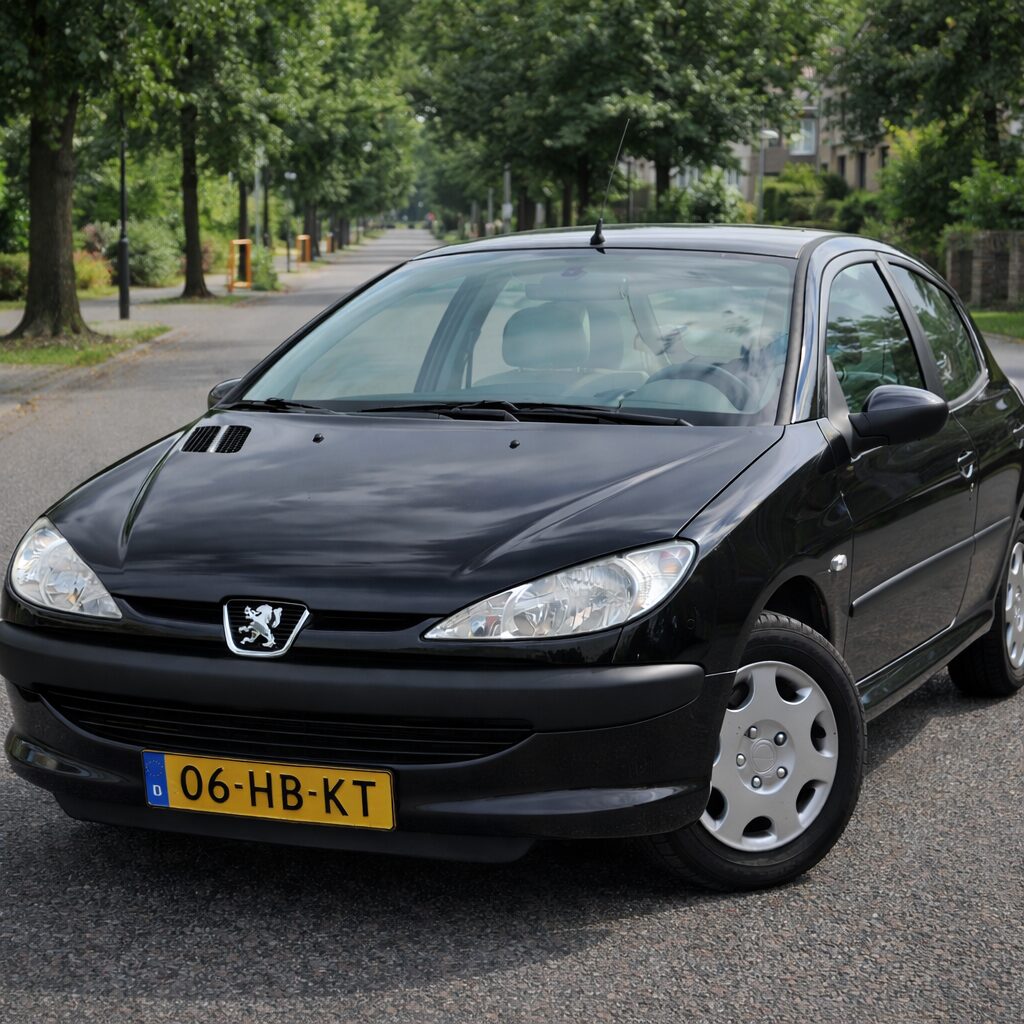
Electrical faults are common on the Peugeot 206. The central locking system often plays up, so when viewing the car test all doors. Open and close each door several times with the remote control to check whether everything works properly. The electric mirrors also fail regularly, so adjust both mirrors and check whether the controls respond smoothly.
Bulbs blow quickly on this model. Check all the lights, including brake lights, indicators and dipped beam. The cost per bulb is low, but frequent faults can be annoying. Also check that all instruments on the dashboard work, such as the speedometer and temperature gauge. These should respond immediately when you turn on the ignition.
Check the footwells for damp
Excess moisture in the footwells is a recurring problem with the Peugeot 206. It is often caused by a blocked drainage channel. Lift up the mats and feel with your hand whether the floor feels wet or damp. Pay particular attention to the driver’s and passenger’s side. On cabrio versions, the CC models, leaks can occur anywhere. In that case, also check the convertible mechanism thoroughly for traces of moisture.
Moisture can damage the electronics and cause mould in the upholstery. Therefore smell whether there is a musty or damp odour in the cabin. A blocked channel is easy to fix, but water inside the car can point to bigger problems or years of neglect. Make sure this is resolved before purchase or negotiate on the price.
Inspect the brakes and suspension
The rear axle and suspension of the Peugeot 206 are sensitive points. Worn bearings cause noises while driving and can lead to an expensive overhaul costing 350 to 500 euros including labour. Check whether the rear wheels sit straight under the car and do not point inwards or outwards. An abnormal wheel position indicates problems with wheel alignment or suspension.
The bushes of the rear suspension dry out due to a design flaw. This can lead to MOT failure and costs around 700 euros per side to replace. Take a test drive and listen carefully for noises from the rear, especially in corners or on uneven road surfaces. Also test the brakes by braking firmly from a higher speed. The car should remain straight and not pull to the left or right.
Points to watch on the suspension
- Check whether the rear wheels are standing straight
- Listen for noises while cornering
- Check the rear suspension bushes for cracks
- Test the brakes for the car pulling to one side
- Ask about recent suspension repairs
Watch out for rust and accident repairs
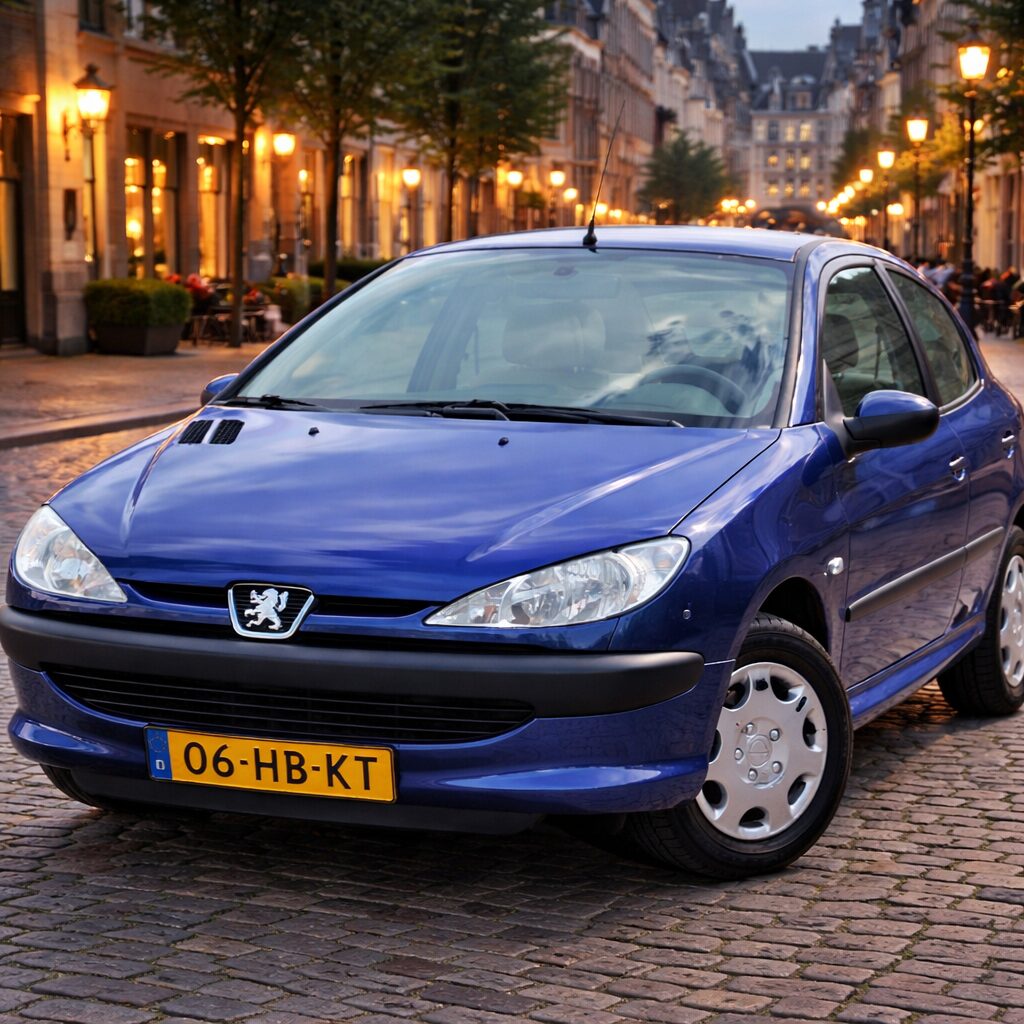
Rust is a common problem on older examples of the Peugeot 206. Look closely at the underside of the bonnet, the edges by the rear window and the wheel arches. Rust often starts in places where moisture collects. Lift the rubber bungs in the wheel arches to uncover hidden rust. The underside of the car can also be affected by road salt and moisture.
Differences in panel gaps can indicate previous damage and repair work. Check whether all gaps between panels are equally wide and whether the paint is the same shade everywhere. If in doubt, you can use a magnet to check whether there is filler beneath the paint. A car with no accident history is usually in better condition and has a higher resale value. Always ask about its damage history and supporting documents.
What should you check during the test drive?
A test drive gives you a lot of information about the condition of the car. Start the engine and listen for irregular running or squeaking noises. The engine should start smoothly and warm up properly, which you can follow on the temperature gauge. Drive it enthusiastically to reveal all noises and vibrations. A Peugeot 206 has a typically French character with slightly simpler trim than some rivals, so small creaks are normal.
Test all gears and watch out for difficult gear changes, especially when engaging reverse. The gearbox should operate smoothly without hesitation. Check whether the steering stays straight and does not pull to one side. Also test the air conditioning if fitted, as working air-con improves comfort and resale value. Listen carefully for noises from the rear axle or engine, such as whining or squealing. These can indicate worn bearings or an oil pump nearing the end of its life.
‘ A complete service history is more important than just a low mileage. ’
What mileage is acceptable?
The Peugeot 206 was built for everyday use and can achieve high mileages if properly maintained. Examples with less than 150,000 kilometres usually offer the best value for money, especially with diesel engines. The HDi engines are very reliable and easily reach 200,000 kilometres or more when the timing belt is replaced on time and the engine is serviced regularly.
Petrol models with low mileage are attractive because of their low running costs, but do check thoroughly for the known problems such as leaking head gaskets and worn engine mounts. A complete service history is more important than just a low mileage. Cars that have stood still for years can cause just as many problems as cars with high mileage. Always ask for the service book or invoices for recent work.
Points to watch for model year and version
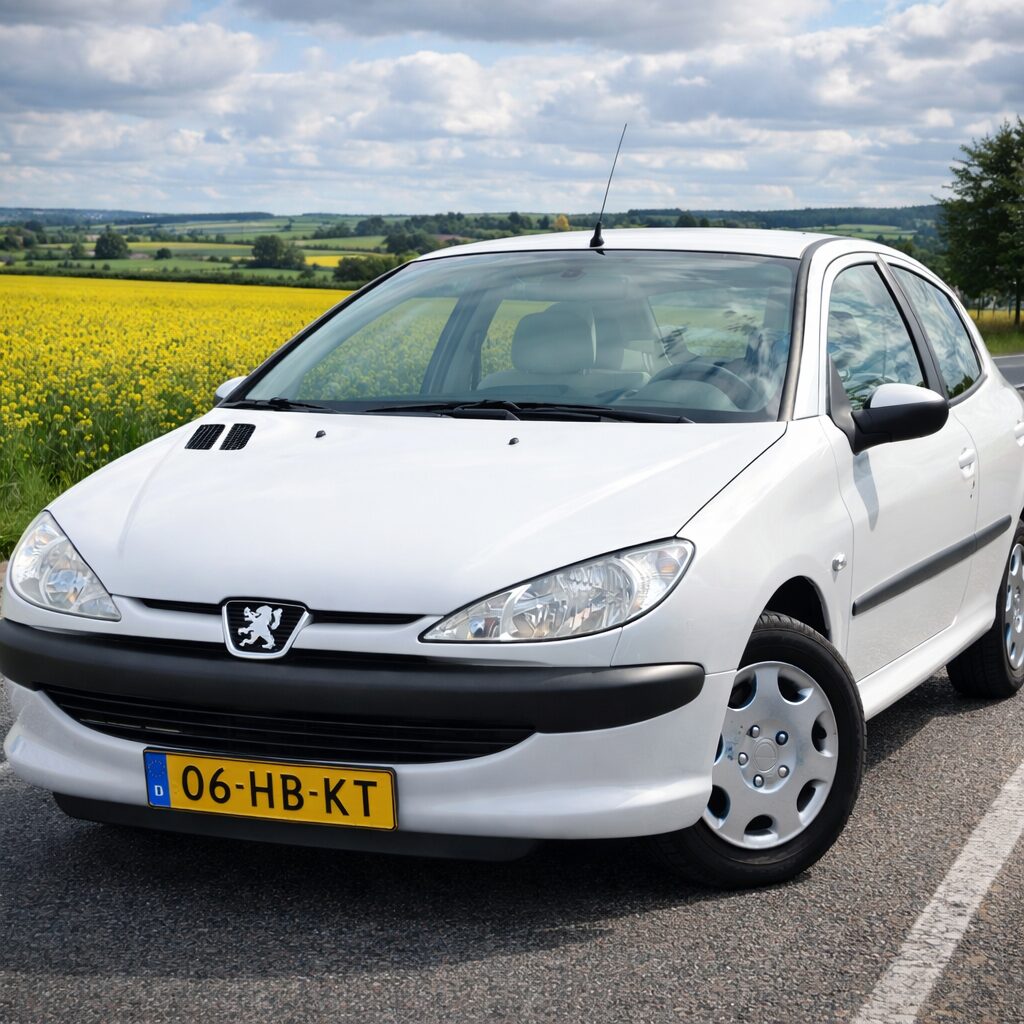
Models from after 2005 have a digital communication system that links all the electronics, giving them better climate control and MP3 support. These later versions are more modernly equipped and are often better maintained. The choice between petrol and diesel depends on how you use the car. Diesel models are more economical for long journeys, but more expensive to buy and maintain. Petrol models are cheaper and suitable for short trips, but use more fuel.
The three-door version has a known problem with the seat adjustment mechanism, which can break. On five-door models this problem is less common. On cabrio versions, pay extra attention to leaks and the condition of the roof mechanism, as repairs can be expensive. Sporty versions such as the GTI or RC are often used intensively and sometimes have a track-day history. On these models, check extra carefully for signs of hard driving and damage.
Have a pre-purchase inspection carried out
A pre-purchase inspection by a specialist gives you certainty about the condition of the car. For a few hundred euros you get a complete overview of all problems and points of attention. The mechanic can uncover hidden defects you will not see yourself, such as early rust or wear on the suspension. This can potentially save you thousands of euros in repairs after purchase.
Preferably choose a garage with experience of French cars or Peugeot in particular. These specialists know the weak spots of the 206 and know what to look for. A good inspection report also gives you room to negotiate if problems are found. The seller can lower the price or have issues sorted before the sale. Parts for the Peugeot 206 are thankfully cheap, so minor repairs do not have to be a problem.
‘ The Peugeot 206 offers comfortable seats, charming design and good driving characteristics for little money. ’
The Peugeot 206 as a reliable budget car
With the right checks you can find a reliable used Peugeot 206 that will last for years as a budget car. Focus on examples with a complete service history and acceptable mileage. Check thoroughly for the known problems such as oil leaks, alternator issues, damp, suspension wear and rust. A test drive and pre-purchase inspection provide the certainty you need.
The Peugeot 206 offers comfortable seats, charming design and good driving characteristics for little money. Prices range between 1,500 and 4,000 euros, depending on condition and engine version. Regular servicing and timely replacement of bulbs and wear parts keep running costs low. On the Carnews website you will find much more information about problems, maintenance and tips for different car makes and models. Discover which car suits you best.
Frequently asked questions
The most common points to watch on a used Peugeot 206 are wear and play in the rear axle and suspension bushes, rust (especially around the wheel arches and rear section) and various electrical faults such as central locking, electric mirrors and leaks (particularly on the CC). Other weak spots are the relatively fast-wearing engine mounts, possible oil leaks at the head gasket and, on diesels, a turbo and oil pump that are prone to wear. Interior parts such as seat adjustment (especially on 3-door models) and small items like lights and switches also cause problems quite regularly. A complete service history and checks of the rear axle, rust and electrics are therefore crucial when buying.
The 1.4 and 1.6 petrol engines and the 1.6 and 2.0 HDi diesels are known to be relatively reliable and cheap to maintain, provided they are properly serviced. The HDi diesels often achieve high mileages without major issues. With the petrol engines, pay particular attention to worn engine mounts and possible leaks from the head gasket. It is best to avoid the sporty GTI/RC versions if they are ‘tired’ (used intensively or poorly maintained); only buy them if their condition and servicing are demonstrably good.
Ask for invoices, completed service books and MOT reports to check whether maintenance (such as rear axle overhaul, bushes, timing belt and fluids) has been carried out on time and whether any accident repairs have been done. Inspect the car all round for rust (wheel arches, under the bonnet, around the rear window), uneven panel gaps and uneven tyre wear as signs of chassis or alignment problems. During the test drive, listen for noises from the rear axle, check that gearchanges are smooth, that the car tracks straight, that the temperature gauge works properly and that all electrical functions (central locking, windows, mirrors, air conditioning) operate as they should. If in doubt, have a pre-purchase inspection done by a Peugeot specialist with specific experience of the 206.
Yes, in particular the Peugeot 206 GTI and the even rarer 206 RC are known for their sportier character and extra driving fun, with stiffer suspension set-up and more powerful engines. Some versions with the 1.6 petrol engine (for example XS or sport packs) are also experienced as nippy and playful compared with the basic models. With GTI/RC examples, pay extra attention to whether they have been ‘tired out’ by sporty driving or track use.
With an older Peugeot 206 you can expect relatively low routine maintenance costs thanks to cheap parts and simple technology, but there is some extra risk of larger bills due to age-related wear. Common repairs include problems with the rear axle and dried-out bushes in the rear suspension (an expensive repair), worn engine mounts and possible leaks from the head gasket on petrol engines. Electrical faults are also common (central locking, electric mirrors, lighting) and on diesels, occasional turbo damage. Rust repairs and interior issues (seat mechanisms, leaks) are likewise typical and sometimes recurring cost items.